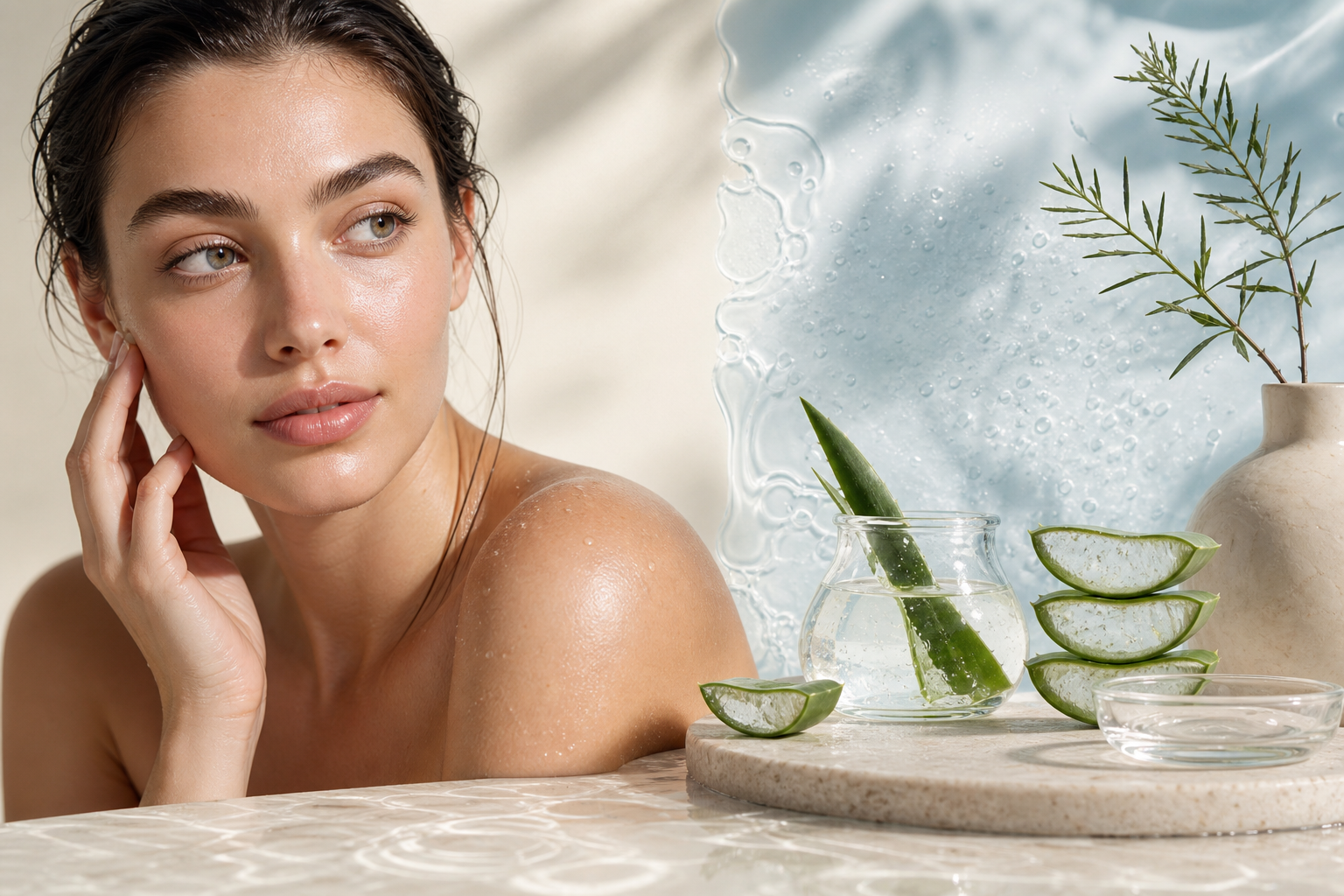
Aloe vera is renowned worldwide as a natural remedy and a prominent ingredient in skincare formulations, often praised for its soothing and purportedly hydrating properties. It is a succulent plant with a gel-like substance inside its leaves, rich in water and bioactive compounds. Despite the popularity and ancient use of aloe vera in traditional medicine, a fundamental question remains for many skincare enthusiasts, dermatologists, and individuals struggling with dryness or sensitive skin: does aloe vera truly hydrate the skin, and if so, to what extent?
This question is particularly relevant as hydration is a cornerstone of healthy skin maintenance, playing a vital role in skin elasticity, texture, and barrier function. With so many products boasting aloe vera as a key moisturizing agent, understanding its real efficacy is essential for anyone looking to optimize their skincare routine, whether they deal with mild dryness, sensitive conditions, or more complex dermatological concerns requiring professional care.
This article addresses a broad audience ranging from newcomers to skincare ingredient research, to those seeking solutions for dehydrated or sensitive skin, as well as professionals in dermatology and cosmetology aiming for an evidence-based overview. We will examine the science behind skin hydration, the composition and functions of aloe vera gel, clinical findings related to its moisturizing effects, practical usage tips, safety considerations, and how aloe vera compares with other proven hydrating agents. Our goal is to provide a refined, comprehensive, and balanced perspective that helps readers make informed decisions without unrealistic expectations.
What is Skin Hydration and How Does Aloe Vera Contribute?
To appreciate how aloe vera affects the skin, we first need to understand what skin hydration entails. Skin hydration refers to the optimal water content within the epidermis and dermis, essential for maintaining the skin’s elasticity, suppleness, and barrier integrity. Adequate hydration supports natural cell renewal processes, helps prevent the roughness and tightness characteristic of dry skin, and reduces visible signs of aging.
Aloe vera contains over 99% water, making it extremely rich in moisture. Its gel also houses a complex mix of polysaccharides—long chains of sugar molecules—alongside vitamins, minerals, amino acids, and antioxidants. Among these polysaccharides, acemannan has been studied for its ability to attract and retain water in the skin's surface layers. This bioadhesive polysaccharide may form a protective film, creating a barrier that slows down transepidermal water loss (TEWL), thus helping maintain superficial hydration.
However, hydration is multifaceted and requires more than just water content and barrier effects. Effective moisturizers generally combine humectants (ingredients that attract water), occlusives (that form a protective seal to prevent water loss), and emollients (that smooth and soften the skin). Aloe vera primarily acts as a humectant and skin conditioner, but alone, it lacks strong occlusive properties and does not deeply penetrate to hydrate water-deficient skin cells for an extended period.
What Do Scientific Studies Reveal About Aloe Vera’s Hydrating Effects?
Scientific literature provides valuable insights into aloe vera’s properties, though with varying conclusions on its moisturizing efficacy. Multiple in vitro and clinical studies indicate that aloe vera polysaccharides can help enhance skin hydration by forming a lightweight, breathable film on the surface. This layer potentially reduces evaporative water loss while supporting the skin’s regeneration and soothing inflammations and irritations.
Notably, studies emphasize that aloe vera gel is not as potent a humectant as ingredients like hyaluronic acid or glycerin, which attract and hold water molecules much more efficiently within the skin’s deeper layers. Hyaluronic acid, for instance, can retain up to 1000 times its weight in water, penetrating beyond the stratum corneum to hydrate the epidermis. Aloe vera gel’s molecules are larger and less capable of this depth of penetration, which limits its ability to provide sustained, profound hydration on its own.
Moreover, raw aloe vera gel's composition can fluctuate significantly depending on plant source, harvesting methods, and processing techniques. This variability affects its polysaccharide concentration and overall efficacy. Commercially stabilized aloe extracts used in skincare products often combine aloe with other moisturizing agents to enhance hydration capacity reliably.
When Is Aloe Vera Most Suitable for Skin Hydration: Home Care or Professional Treatments?
In home skincare routines, aloe vera gel serves well as an additional hydrating and calming agent, particularly for individuals with mild dehydration or sensitive skin prone to redness, post-sun exposure irritation, or minor allergic reactions. Its quick absorption and cooling effect make it an attractive choice as a light moisturizer or layering step before richer creams.
However, for people experiencing more severe dryness, chronic dehydration, or compromised skin barrier conditions, relying solely on aloe vera would likely fall short. Professional dermatological treatments often employ advanced formulations and techniques designed to deeply hydrate, repair, and restore skin barrier integrity. These include products rich in hyaluronic acid, urea, glycerin, or panthenol, as well as clinical interventions like mesotherapy, chemical peels, or light therapy, which enable better ingredient delivery and longer-lasting effects.
Dermatologists may use aloe vera in adjunctive roles within professional care, capitalizing on its anti-inflammatory and soothing properties to complement potent hydrating protocols. This combined approach can optimize comfort and skin recovery while addressing the root causes of dehydration more effectively.
What Are the Advantages and Limitations of Aloe Vera for Skin Hydration?
Aloe vera’s key advantages lie in its natural composition, high water content, and rich array of bioactive compounds that provide antioxidative and anti-inflammatory benefits. It is well tolerated by most skin types, non-comedogenic, and generally free of harsh chemicals. Aloe vera is especially beneficial for calming irritation, promoting minor skin healing, and supplying immediate surface moisture.
Nonetheless, its limitations must be acknowledged. Aloe vera lacks the strong, molecular-level water-binding properties needed for prolonged hydration. Its efficacy is also compromised by formulation inconsistencies in raw or unstandardized gels. Additionally, some people may experience allergic reactions or sensitivities, especially with unprocessed leaf sap, which can contain irritant substances.
Considering these factors, aloe vera is usually incorporated into multi-ingredient moisturizers where its soothing capacity complements stronger humectants and occlusives. This synergistic approach yields greater hydration benefits than aloe vera alone.
How Should Aloe Vera Be Used Properly for Optimal Skin Benefits and Safety?
For home use, it is advisable to choose aloe vera products with a standardized concentration of active components and, optimally, integrated with other hydrating agents like hyaluronic acid or glycerin. The gel can be applied after cleansing and before creams or serums as a light, refreshing layer. Patch testing a new aloe product on a small skin area is recommended to check for sensitivity or allergic reactions before regular use.
Avoid using freshly extracted aloe vera directly from the plant without proper preparation unless you are certain of the source and purity, as unprocessed sap can contain latex substances that irritate the skin.
In professional settings, dermatologists may apply aloe vera within controlled treatments or recommend it as a complementary ingredient in post-procedural care, utilizing its anti-inflammatory and moisture-retention features to soothe and protect vulnerable skin.
How Does Aloe Vera Compare with Other Moisturizing Ingredients for Skin Hydration and Renewal?
Aloe vera often draws comparison to widely recognized moisturizers such as hyaluronic acid, glycerin, urea, and panthenol. While aloe vera’s gel acts as a mild humectant and skin conditioner, others exhibit stronger or more targeted hydrating mechanisms.
Hyaluronic acid stands out for its ability to attract and lock in moisture inside the skin’s deeper layers, significantly improving elasticity and reducing dryness. Glycerin acts both as a powerful humectant and a mild skin barrier enhancer, increasing water retention and skin flexibility. Urea not only hydrates but also acts as a keratolytic, helping detach dead skin cells, which improves texture. Panthenol (pro-vitamin B5) repairs and soothes skin by promoting cell regeneration and improving barrier function.
Therefore, while aloe vera offers unique anti-inflammatory and soothing qualities, it complements rather than replaces these efficacious moisturizers. Many formulations combine aloe vera with these ingredients to harness comprehensive hydration and skin renewal effects.
Frequently Asked Questions About Aloe Vera and Skin Hydration
Can aloe vera replace my usual moisturizer or serum?
While aloe vera can enhance hydration and calm the skin, it generally should not replace a dedicated moisturizer or serum that contains potent humectants and emollients necessary for deep, sustained hydration.
Is aloe vera allergenic or irritating?
Some individuals may experience allergic reactions or skin irritation from aloe vera, particularly if the plant is not properly processed. Always conduct a patch test when using a new aloe product to minimize risks.
Is aloe vera safe for oily or acne-prone skin?
Aloe vera is typically non-comedogenic and may help reduce redness and inflammation associated with acne. Nonetheless, it should be part of a balanced skincare approach rather than the sole treatment.