In the complex world of skin care, questions about product roles and efficacy arise frequently, guiding countless individuals toward optimizing their daily routines. Among these inquiries, one that consistently emerges is whether facial oil can replace moisturizer. This topic holds particular importance for those seeking to simplify their skincare regimen, embrace natural ingredients, or address specific skin concerns such as dryness, sensitivity, or aging.
Understanding the distinct functions and benefits of facial oils versus moisturizers is essential not only for consumers desiring radiant and healthy skin but also for professionals advising on skincare protocols. While both products aim to improve the skin's appearance and health, they operate through different mechanisms and offer unique contributions to skin hydration and protection.
This comprehensive editorial dives deeply into the nuanced question: can facial oil replace moisturizer? It is crafted for skincare enthusiasts, anyone facing hydration difficulties, and those curious about incorporating oils effectively. We explore scientific principles, practical application tips, expert perspectives, and how these products interact with various skin types and environmental conditions.
What Defines Facial Oil and Moisturizer, and How Do They Differ?
Facial oil typically consists of natural plant-based oils or blends rich in essential fatty acids, antioxidants, and nutrients. Its primary purpose is to nourish, soften, and shield the skin by forming a barrier that helps retain moisture. Oils vary widely depending on their botanical origins; for instance, jojoba, rosehip, and argan oils each possess unique properties suitable for different skin needs.
Conversely, moisturizers are emulsions integrating water and oil phases, often enriched with hydrating agents like hyaluronic acid, ceramides, peptides, and vitamins. These formulations hydrate by supplying water directly and reinforcing the skin’s ability to hold it while delivering protective and reparative attributes.
The structural distinction is crucial: moisturizers offer both hydration and occlusion, supplying moisture to the skin and preventing its loss, whereas facial oils mainly act as occlusives that lock in existing moisture without adding it. Therefore, the roles of these products in skincare are complementary rather than interchangeable.
Who Benefits Most from Facial Oils, and What Are Realistic Expectations?
Facial oils are particularly advantageous for dry, dehydrated, or sensitive skin types, as they replenish the lipid barrier that might be compromised due to environmental stressors, aging, or harsh skincare regimens. Their emollient properties help smooth skin texture, reduce irritation, and restore suppleness, which explains their popularity among individuals seeking nourishment beyond surface hydration.
Nonetheless, not all skin types respond the same way. People with oily or acne-prone skin should approach oil usage cautiously, selecting light, non-comedogenic oils to avoid pore blockage and exacerbated breakouts. Oils rich in anti-inflammatory and soothing compounds can help calm redness and irritation when chosen appropriately.
Users should also be mindful of potential sensitivities or ingredient interactions. Testing new oils on a small skin area and consulting skincare professionals can prevent adverse reactions and optimize routine integration.
Can Facial Oil Fully Replace Moisturizer in Your Skincare Routine?
Given their differing compositions and purposes, facial oils cannot entirely replace moisturizers, especially in routines aimed at maintaining deep, long-lasting hydration. The water content and hydrating actives in moisturizers are vital for replenishing and binding moisture within the skin layers.
Facial oils are excellent for sealing in the hydration provided by moisturizers or serums but do not themselves supply water to the skin. Therefore, relying solely on oil might lead to inadequate hydration, particularly in dehydrated or climate-challenged skin.
For most individuals, the most effective approach combines moisturizer and facial oil, where the moisturizer hydrates and the oil preserves that moisture and provides additional nutrients. This synergy supports a balanced, radiant complexion while addressing specific skin concerns.
What Risks and Limitations Should Be Considered When Using Facial Oil Instead of Moisturizer?
Using facial oil alone as a moisturizer alternative presents potential risks, especially when skin requires thorough hydration or protection. For example, without sufficient water-based moisturization, skin can become dry, flaky, or lose elasticity over time. Continuous reliance on oil may lead to imbalances such as excessive oiliness or clogged pores in susceptible skin types.
Moreover, oils may degrade or oxidize when exposed to light and air, reducing their efficacy and possibly irritating sensitive skin. They often lack the broad spectrum UV protection and strengthening ingredients present in modern moisturizers designed to combat environmental stressors and premature aging.
Therefore, individuals aiming for comprehensive skincare outcomes should be cautious about substituting oils for moisturizers without addressing hydration needs and protective layers explicitly.
How Can You Effectively Incorporate Facial Oil Alongside Moisturizer?
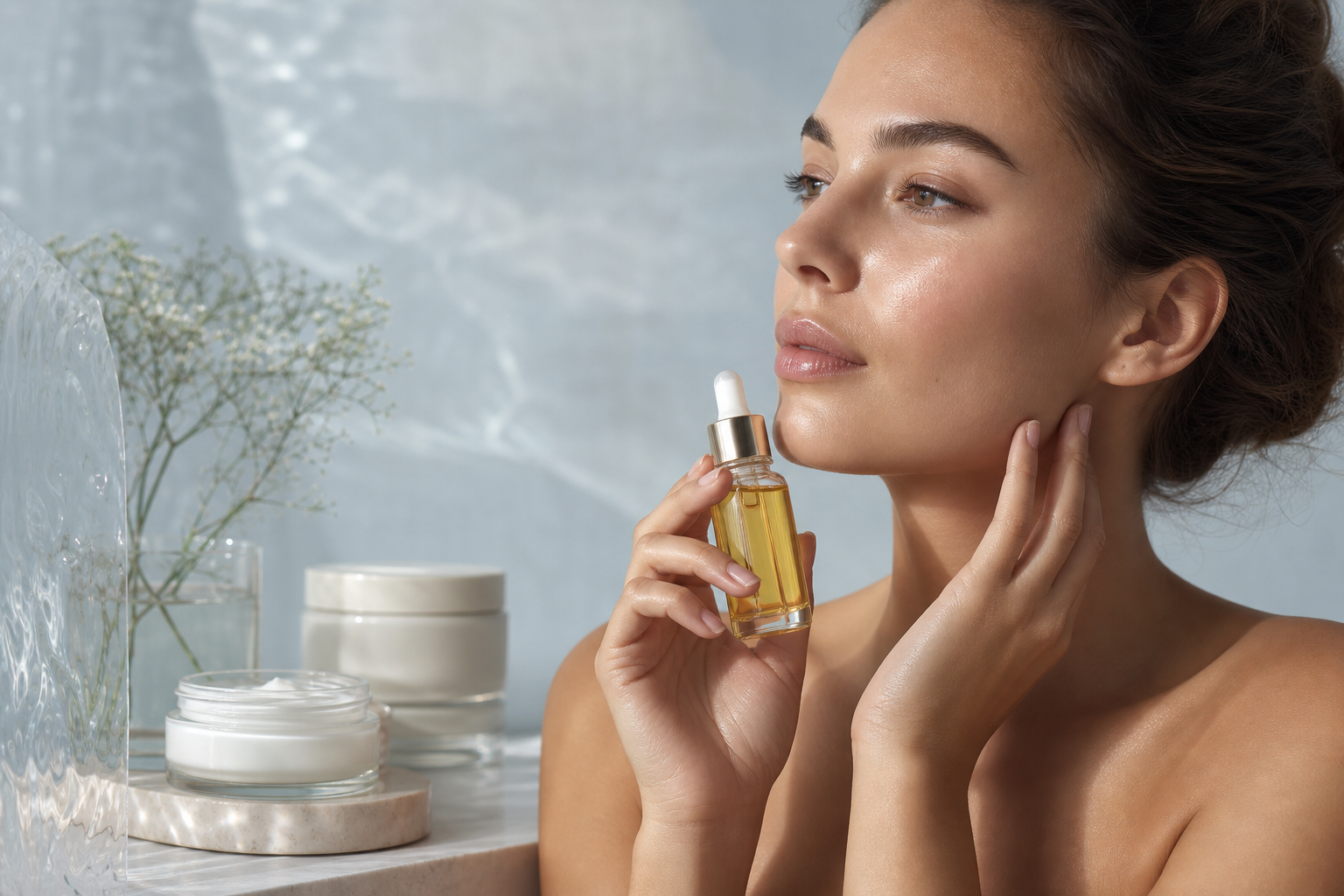
The optimal method of using facial oil is as a finishing step after applying moisturizer or a hydrating serum. This layering strategy allows the water-based product to fulfill hydration demands while the oil creates a protective barrier to retain moisture and provide additional nourishment.
In morning skincare routines, pairing facial oils with moisturizers that contain SPF can enhance skin’s barrier function without compromising sun protection. At night, oils can support skin repair and renewal, especially after thorough cleansing and toning.
Application techniques matter; gentle tapping or light massaging of a few drops of oil ensures absorption without disrupting underlying products. Adjusting quantities according to skin type, season, and personal comfort is advisable to avoid greasiness or congestion.
What Should You Look for When Choosing High-Quality Facial Oils and Moisturizers?
Selecting facial oils involves scrutinizing ingredient quality, such as preference for cold-pressed, unrefined oils rich in antioxidants and fatty acids. Organic sourcing and minimal processing contribute to preserving the oils’ beneficial properties. Avoiding products with unnecessary synthetic fragrances, preservatives, or potential irritants is especially important for sensitive skin.
For moisturizers, choosing formulations aligned with your skin’s characteristics—whether hydrating gels for oily skin or rich creams for dry skin—is key. Presence of scientifically supported ingredients like hyaluronic acid for hydration, ceramides for barrier repair, and antioxidants for protection can enhance efficacy.
Consulting dermatologists or skincare experts can guide personalized choices, helping to integrate both product types into a coherent, effective skincare system.
What Is the Dermatological View on Replacing Moisturizers with Facial Oils?
Leading dermatologists generally advocate for a comprehensive, layered skincare approach where products fulfill distinct roles. Facial oils are esteemed as valuable adjuncts that complement moisturizers but not as standalone substitutes.
Experts emphasize that moisturizers containing hydrating agents provide foundational moisture replenishment and skin barrier support crucial for overall skin health. Oils contribute by reinforcing the barrier and delivering lipids and antioxidants beneficial in maintaining skin integrity.
Recommendations often focus on tailoring formulations to individual skin types and conditions, with attention to proper sequencing and compatibility between skincare components.
How Do Professional Facial Treatments Align with the Use of Facial Oils and Moisturizers?
Professional non-invasive facial treatments, such as hydration therapies and skin renewal procedures, rely on potent serums and moisturizers to deeply hydrate and repair skin. Post-treatment protocols commonly incorporate facial oils to soothe, nourish, and protect skin as it heals.
Maintaining at-home routines that complement professional regimens ensures sustained improvements in skin texture, radiance, and moisture balance. Neglecting appropriate hydration or barrier protection can undermine treatment results and prolong recovery.
Skincare specialists often provide tailored advice based on treatment types and patient skin profiles, advocating for a synergy between clinical care and daily regimen comprising moisturizers, serums, and carefully chosen facial oils.