Skin hydration stands as a cornerstone in the pursuit of healthy, resilient, and youthful-looking skin. Among the various approaches to effective moisturizing, one particularly impactful yet often overlooked technique is applying moisturizer on damp skin. This simple adjustment in skincare routine can significantly enhance hydration levels, supporting the skin's barrier function and overall appearance. Understanding how and why this method works is essential for anyone seeking to optimize their skincare regimen, whether they battle dry, sensitive, oily, or combination skin.
This editorial explores the science and practicalities behind applying moisturizer on damp skin, addressing the technique's benefits, suitability for different skin types, and step-by-step guidance for its proper execution. By delving into the underlying mechanisms and answering common questions, we aim to clarify why this approach matters, guiding readers to healthier, more luminous skin through improved hydration.
Whether you are a skincare enthusiast refining your regimen or a beginner looking to maximize the effects of your products, learning to moisturize on damp skin may offer a valuable edge in achieving lasting skin nourishment. Beyond daily care, this practice influences how skin responds to environmental stressors, professional treatments, and aging—the universal concerns of skin health and vitality.
Why Is Applying Moisturizer on Damp Skin More Effective?
The practice of applying moisturizer on damp skin harnesses the innate properties of water and skin physiology to enhance hydration. After cleansing or using toners, skin retains a fine layer of moisture. When moisturizer is applied at this juncture, it acts as an occlusive seal, trapping the water on and within the skin rather than allowing it to evaporate. This minimizes transepidermal water loss (TEWL), a natural process where moisture escapes through the epidermis.
On a physiological level, skin’s outermost layer, the stratum corneum, functions effectively as a barrier but needs adequate hydration to maintain its integrity. Moisturizers containing humectants such as hyaluronic acid or glycerin attract and bind water molecules, while occlusives like oils and silicones help lock that moisture in. When applied on damp skin, these ingredients benefit from the pre-existing surface water, promoting better absorption and prolonged hydration.
Moreover, the texture of moisturizers often feels lighter and spreads more evenly on damp skin, preventing the need for excess product. This efficient application not only supports skin softness and suppleness but also helps maintain elasticity and reduces the sensation of tightness commonly experienced with dry or dehydrated skin types.
Who Can Benefit from Applying Moisturizer on Damp Skin?
While the technique of moisturizing damp skin generally benefits all skin types, certain groups may notice more substantial improvements. Individuals with dry or dehydrated skin particularly benefit from this practice, as their skin is prone to moisture loss and may struggle to maintain hydration balance. For them, sealing in residual moisture immediately after washing can provide crucial relief from tightness, flaking, and irritation.
People with sensitive skin, who often face challenges with barrier disruption and inflammation, also stand to gain. Applying moisturizer on damp skin reduces the friction caused by rubbing dry skin during application, diminishing irritation risks. Using soothing formulas rich in ceramides and antioxidants can further assist in restoring a compromised protective barrier.
Those with oily or combination skin are not excluded from the advantages of this method. Choosing lightweight, non-comedogenic moisturizers or hydrating gels allows them to maintain hydration while avoiding excessive oiliness or pore blockage. Hydration is essential regardless of skin type because oiliness does not equate to adequate moisture, and balancing sebum and water levels is vital for healthy skin function.
How to Properly Apply Moisturizer on Damp Skin
Correctly executing this technique involves attention to timing, product selection, and application method. Begin by gently cleansing your face with a mild, pH-balanced cleanser that removes impurities without stripping natural oils. After rinsing, instead of fully drying your face, pat gently with a soft towel leaving the skin lightly moist.
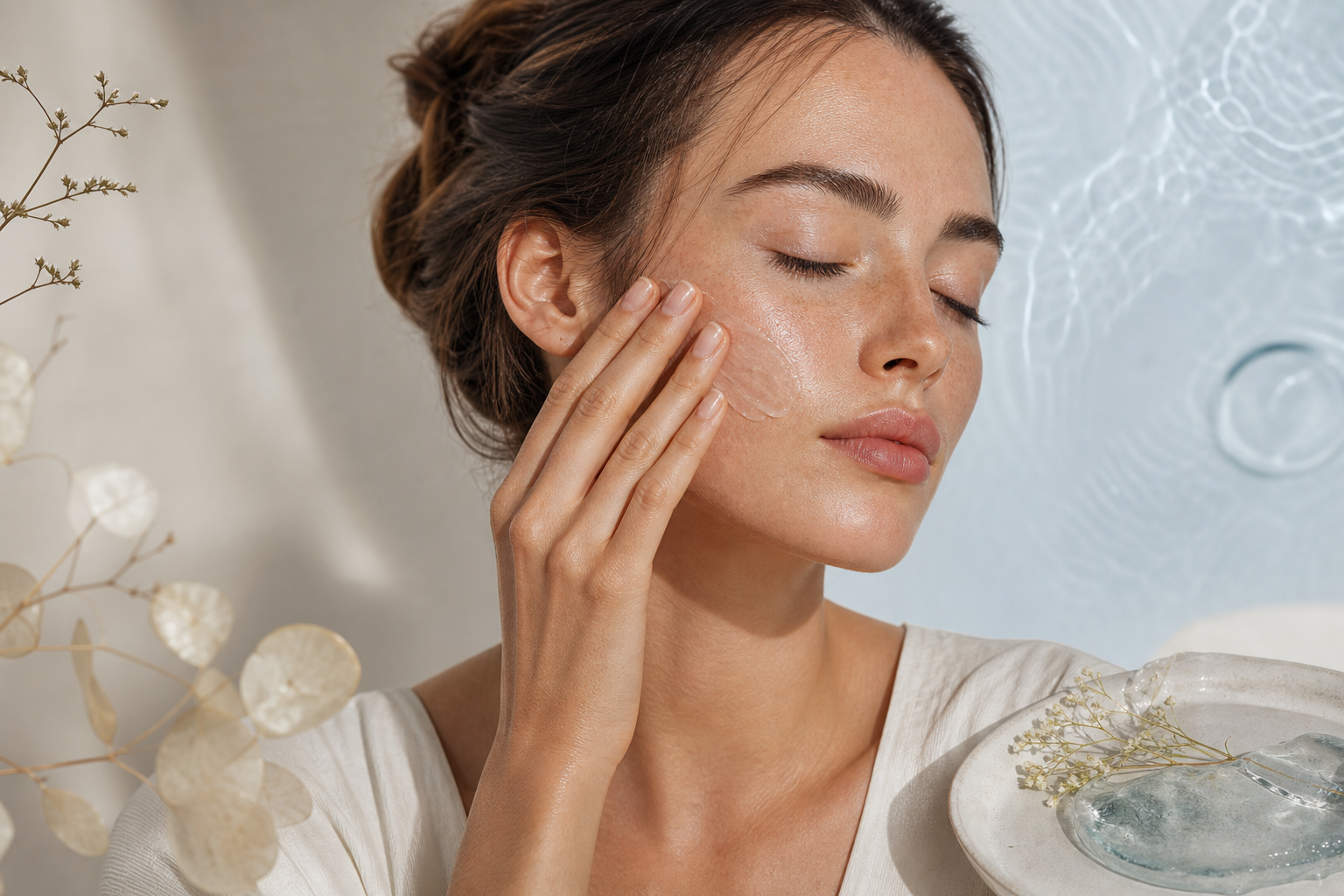
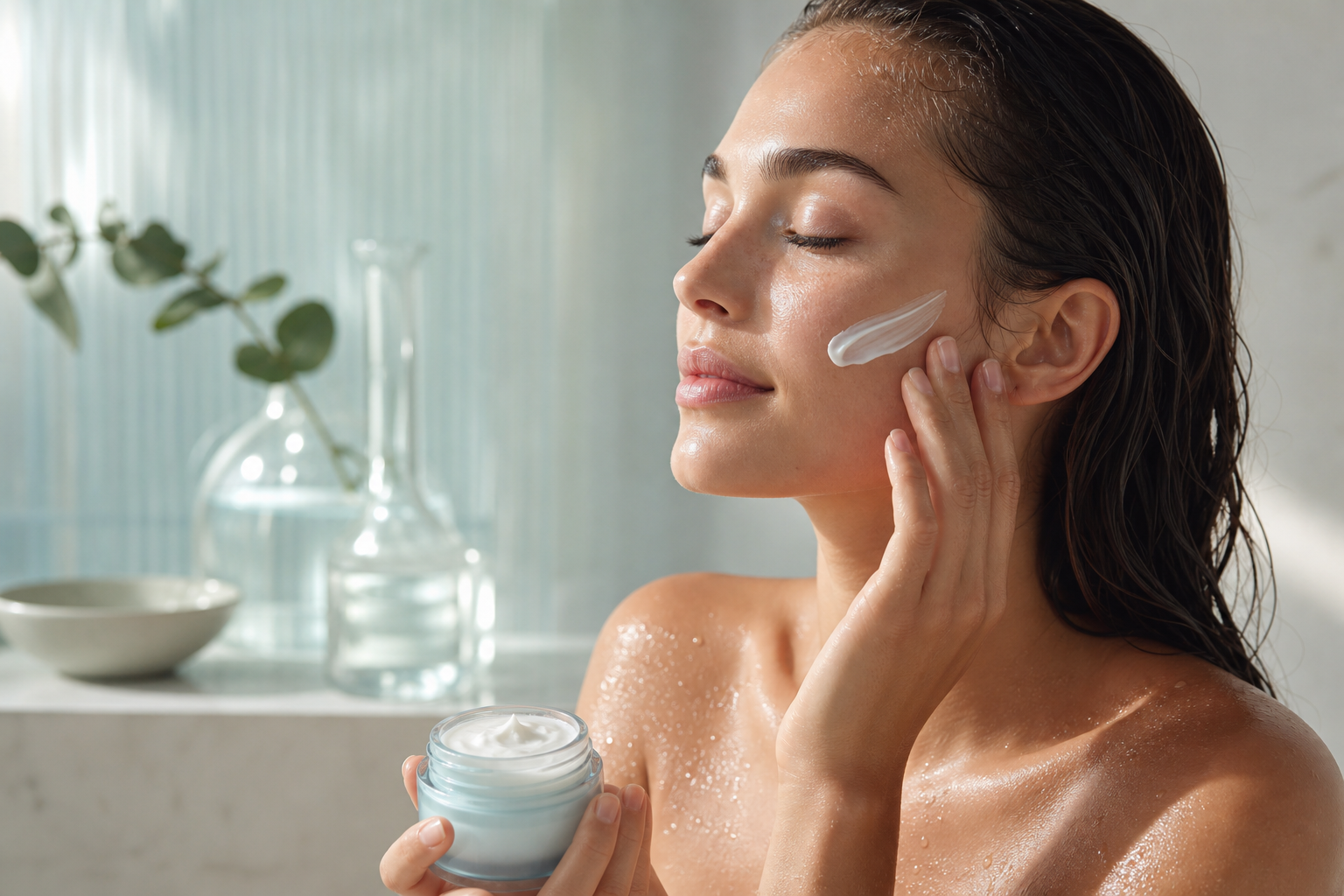
Within a minute or two of cleansing, while the skin is still damp but not dripping wet, dispense an appropriate amount of moisturizer into your fingertips. Use your fingers to apply the product evenly across your face using gentle, upward circular motions. This encourages absorption and stimulates circulation.
If you incorporate serums or essences, apply these first on damp skin, as their thinner consistency favors quick penetration. Follow with moisturizer to lock in hydration. Avoid rubbing or massaging aggressively, as this can irritate skin and disrupt barrier repair processes. The moisturizer layer should feel comfortably light, not heavy or greasy, enabling the skin to breathe while retaining moisture.
What Happens Inside the Skin When Moisturizer Is Applied on Damp Skin?
When moisturizer is applied on damp skin, several physiological processes optimize hydration. The residual water on the skin serves as an immediate substrate for humectants in the moisturizer. These humectants bind water molecules and attract them into the stratum corneum, increasing skin's water content.
Simultaneously, occlusive agents in the moisturizer form a semi-permeable film over the skin, which reduces TEWL by creating a barrier that slows evaporation. The combined effect not only enhances moisture retention but also supports the biochemical environment where skin cells undergo renewal and repair.
This biochemical synergy is essential to maintaining the hydrolipid film composed of natural oils and moisture, which keeps skin resilient against environmental aggressors such as pollutants, temperature fluctuations, and UV radiation. Proper hydration also sustains enzymatic functions necessary for exfoliation and cell turnover, key factors in achieving smooth, glowing skin.
When to Adapt Moisturizing Techniques for Home Care and Professional Treatments
At-home skincare routines provide an essential platform for daily moisturizing on damp skin, ideally performed twice daily—morning and night. However, environmental changes such as seasonal shifts can impact skin hydration needs. In dryer winter months, richer moisturizers applied on damp skin might be appropriate, while lighter formulations may suffice in humid summers.
Professional facial treatments, including chemical peels, microneedling, or hydration therapies like mesotherapy and hyaluronic acid injections, often alter the skin’s barrier temporarily. After such procedures, the skin tends to be more vulnerable to dehydration and irritation. Applying moisturizer on damp skin post-treatment can provide soothing hydration and support barrier recovery. Guidance from dermatologists or licensed estheticians is vital here to customize post-procedure care and avoid complications.
In cases of dermatological conditions such as eczema or rosacea, moisturizing on damp skin may help alleviate dryness and sensitivity, but product choice and application frequency should be strictly guided by skin specialists to avoid exacerbation.
What to Expect After Correctly Applying Moisturizer on Damp Skin
Consistent application of moisturizer on damp skin usually results in noticeable improvements in skin texture, hydration levels, and overall comfort. Users often report enhanced softness, reduced feelings of tightness, and a more balanced complexion after several days to weeks of routine use.
Visibly, skin may appear more radiant with even tone, as adequate hydration supports optimal cellular function and barrier integrity. The hydrated skin barrier also contributes to decreased sensitivity and diminished incidence of dryness-related flaking.
It is important to bear in mind that these outcomes depend on additional factors, including the quality of the moisturizer, individual skin condition, and broader lifestyle elements such as diet, hydration, and environmental exposure. Hydration on its own is a critical but not singular determinant of skin health.