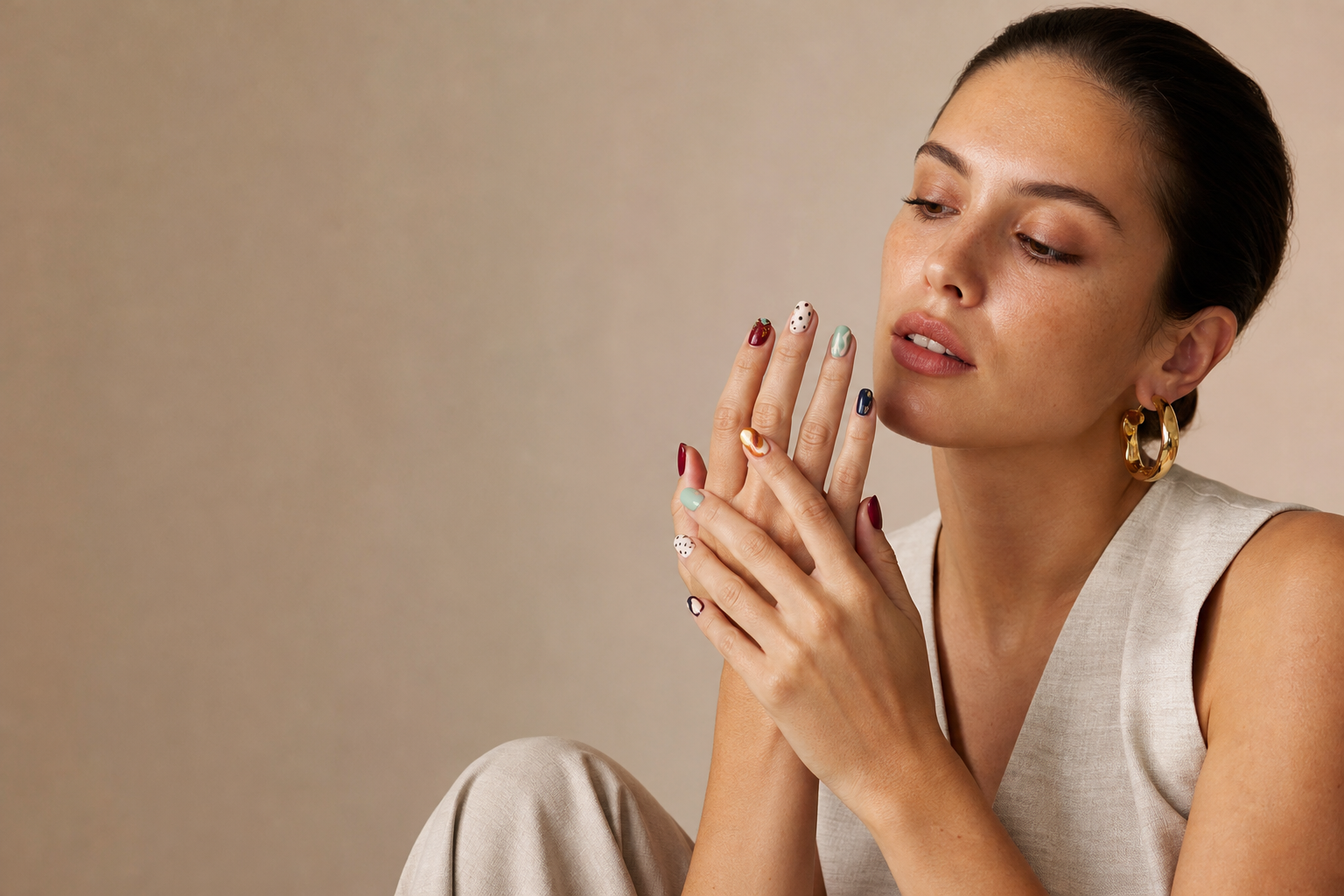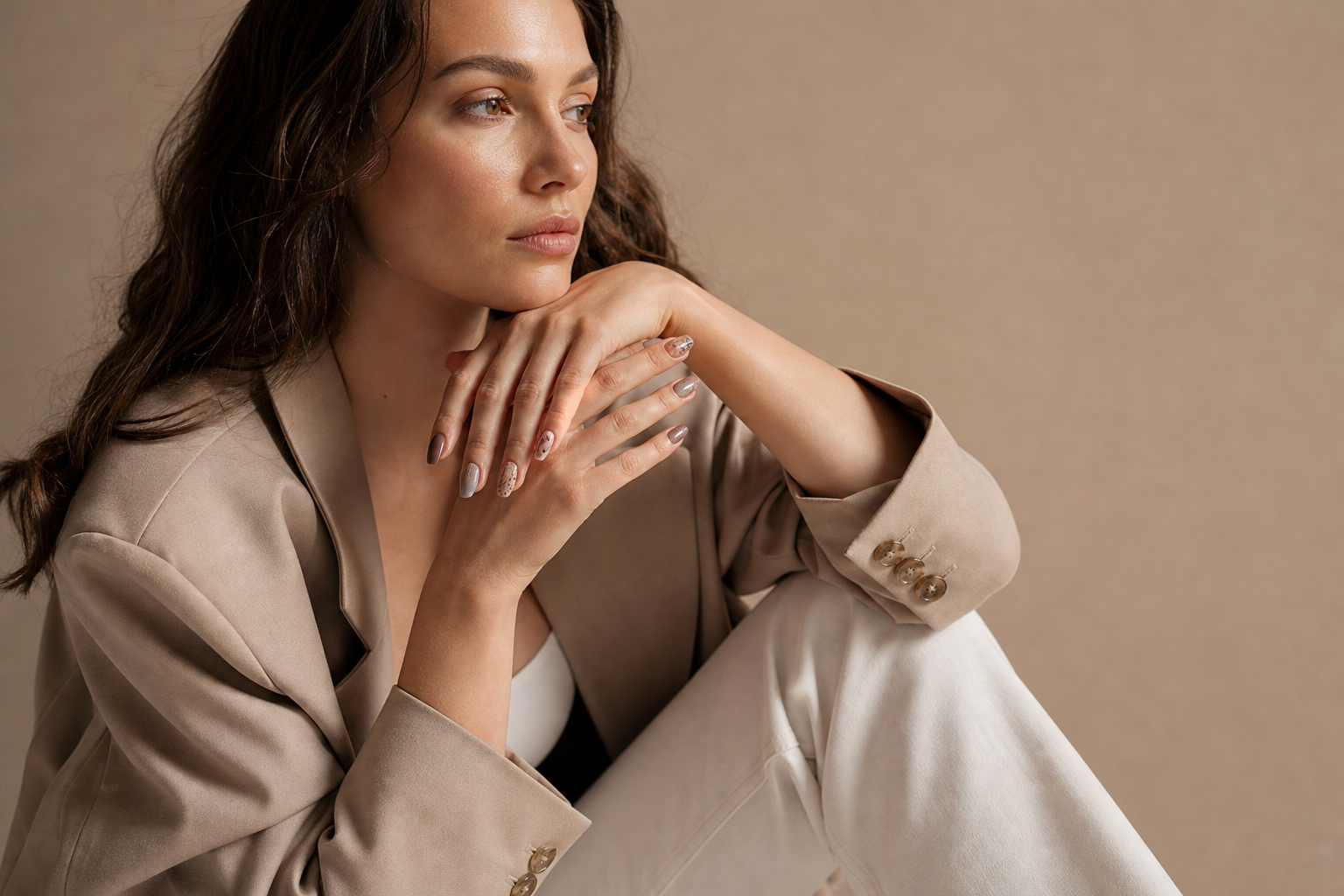
Nails have transcended their biological function to become a vital aspect of personal expression and style. Among the myriad elements that contribute to the perfect manicure — shape, length, color, and nail art stand out as the key pillars that define both the aesthetics and practicality of nail grooming. Understanding how these elements interact with hand anatomy, lifestyle demands, and individual personality is essential for anyone seeking a manicure that is not just beautiful but also functional.
This comprehensive exploration is intended for enthusiasts of nail care, from those new to manicures to seasoned aficionados who want to deepen their knowledge about selecting nail shapes harmonious with their finger types, choosing suitable lengths for everyday activities, and picking colors and artistic designs tailored to mood, occasion, or personal branding. The guide delves beyond surface beauty to illuminate how these choices affect nail health, daily comfort, and even perceptions within professional and social contexts.
By integrating expert insights on manicure and nail care techniques, types of nail extensions, and the latest trends in color palettes and nail art, readers will gain practical strategies for crafting manicures that are as durable and comfortable as they are visually striking. This nuanced understanding empowers individuals to make informed decisions that celebrate their identity while respecting the constraints and freedoms of their hands’ natural anatomy.
The Impact of Nail Shape on Elegance and Everyday Functionality
Nail shape is perhaps the most visible feature of any manicure, yet it embodies a balance of artistry and biomechanics. The contours and angles chosen influence how fingers appear — elongating, shortening, or adding softness — and determine how well nails withstand the rigors of daily tasks without damage.
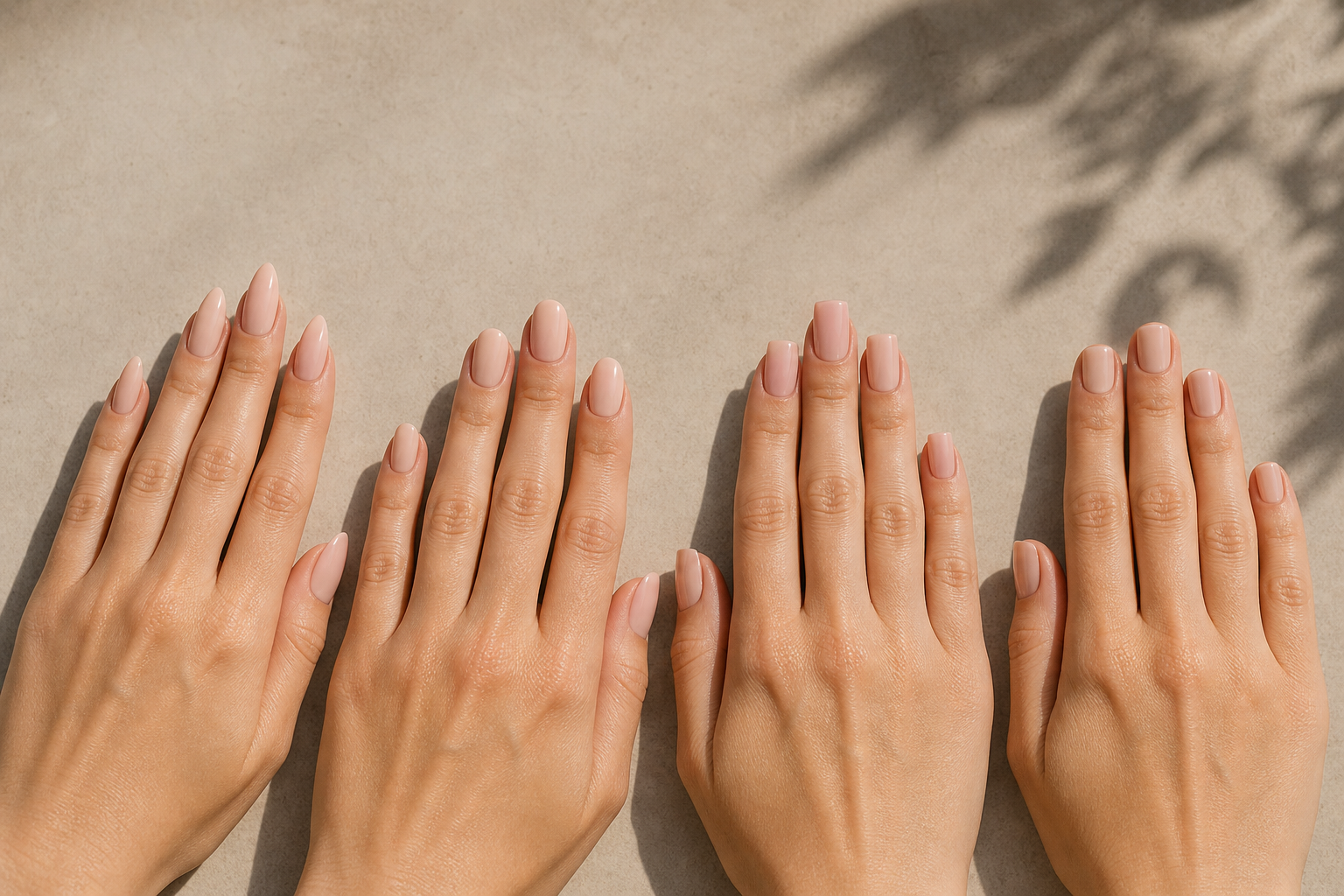
Commonly favored shapes like almond, oval, square, and squoval each offer distinctive benefits. Almond-shaped nails have a gentle taper towards a rounded point that echoes the natural silhouette of many fingers, providing a refined elegance while reducing the likelihood of snagging or breaking. Oval nails carry a timeless classiness, elongating the fingers visually and maintaining a natural appeal ideal for both casual and formal occasions.
On the other hand, square nails present clear, straight edges that convey modernity and sharpness but may be somewhat vulnerable due to their defined corners catching on objects. The squoval shape merges the square’s edge structure with the oval’s curved sides, offering a versatile compromise that suits a variety of hand shapes and lifestyles.
Choosing the right shape requires consideration of multiple factors including the length of the nail bed, the proportion and length of fingers, and the typical activities performed by the wearer. For example, highly active individuals or those whose work involves frequent manual labor might prioritize rounder or squoval designs that minimize the risk of nail damage, whereas those seeking a statement look might prefer the dramatic elongation of almond nails.
Determining the Ideal Nail Length to Complement Lifestyle and Occasion
Length is intertwined with shape but carries its own set of considerations. It must negotiate the demands of aesthetics, comfort, and practicality. Nails that are too short may leave the hands looking incomplete or ungroomed, while overly long nails can impede dexterity and are prone to breakage if not meticulously maintained.
Individuals engaged in professions or daily tasks involving constant use of the hands — typing, caregiving, cooking — often opt for shorter nails that facilitate ease of movement and reduce the chance of accidental injury or chipping. Short nails have grown in popularity as versatile, low-maintenance options that deliver polished looks suitable for formal and casual settings alike.
Conversely, longer nails provide a broader canvas for artistic expression, enable more elaborate nail art designs, and can accentuate femininity or boldness in style statements. Long nails require more upkeep, including regular filing, moisturizing, and sometimes reinforced treatments or extensions to maintain strength and prevent peeling or splitting.
Awareness of nail thickness, natural growth rate, and cuticle health is paramount when choosing length to avoid compromising nail integrity. Users should also factor in how length interacts with their daily routines — a length that feels manageable in one’s profession may be impractical in another.
Exploring the Spectrum of Nail Colors: From Subtle Neutrals to Vibrant Statements
Color is a powerful tool in defining mood and projecting personality through nails. The choice of polish shades is not merely decorative; it communicates subtle messages that can either blend harmoniously into an outfit and occasion or boldly stand out as an individual’s trademark.
Nude tones, ranging from pale beige to muted blush pinks, rank among the most versatile, offering understated elegance that complements nearly every skin tone. These hues prioritize subtlety and refine the natural hand shape without distracting from the wearer’s overall appearance, making them ideal for professional environments or minimalist fashion sensibilities.
Classic red nail polish maintains an iconic status, symbolizing confidence, passion, and classic femininity. The perfect red varies across undertones — from cool crimson to warm scarlet — and must be chosen to harmonize with both skin tone and context to maximize impact.
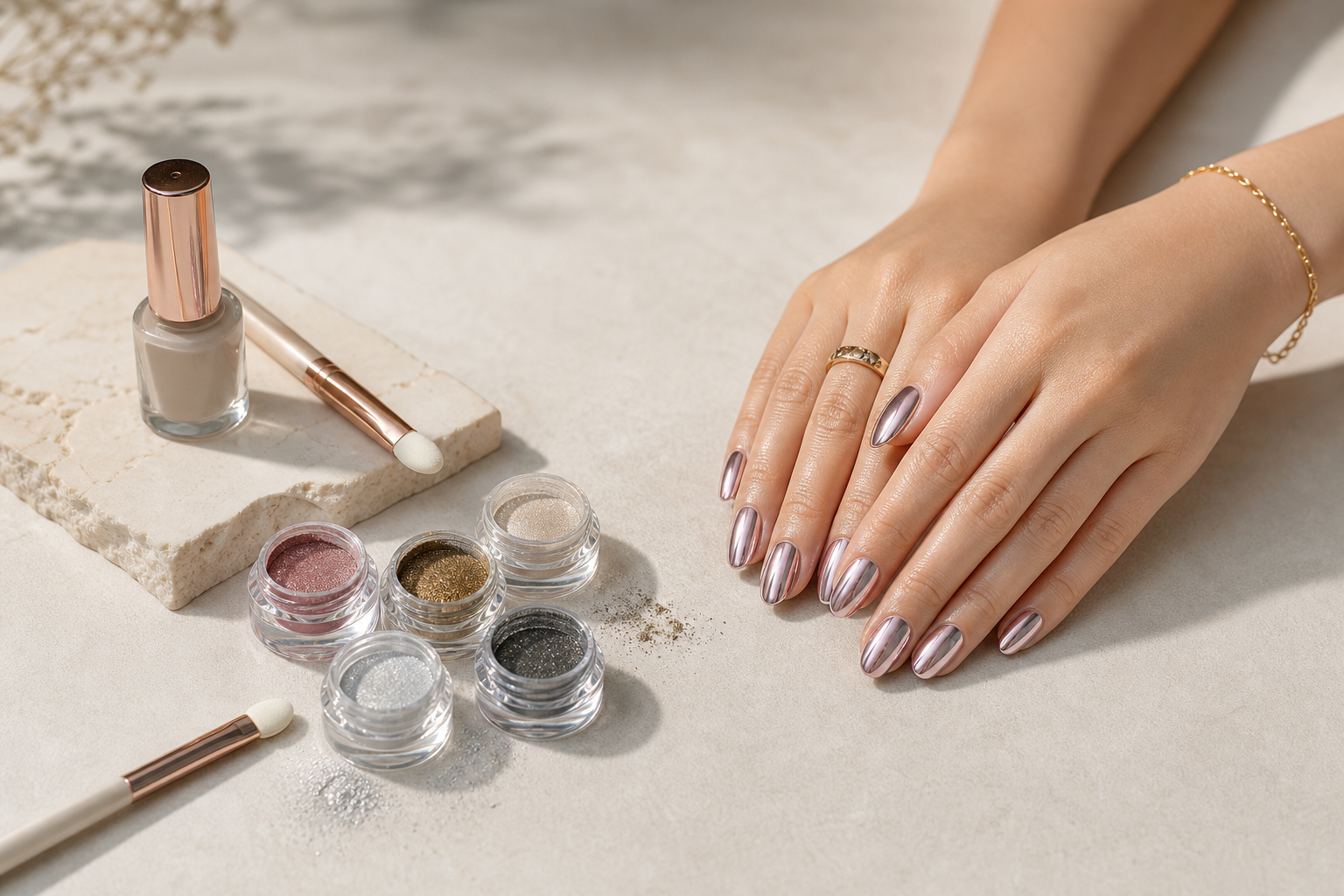
Beyond these staples, a vast array of colors beckons from pastels exuding soft charm, to metallics and neons that evoke contemporary vibrancy. Matte finishes introduce a modern, muted twist to old favorites, while glitter and shimmer add playful dimension and glamour for festive events or nights out. Understanding how these finishes interact with lighting and outfit choices enhances their effectiveness as an accessory.
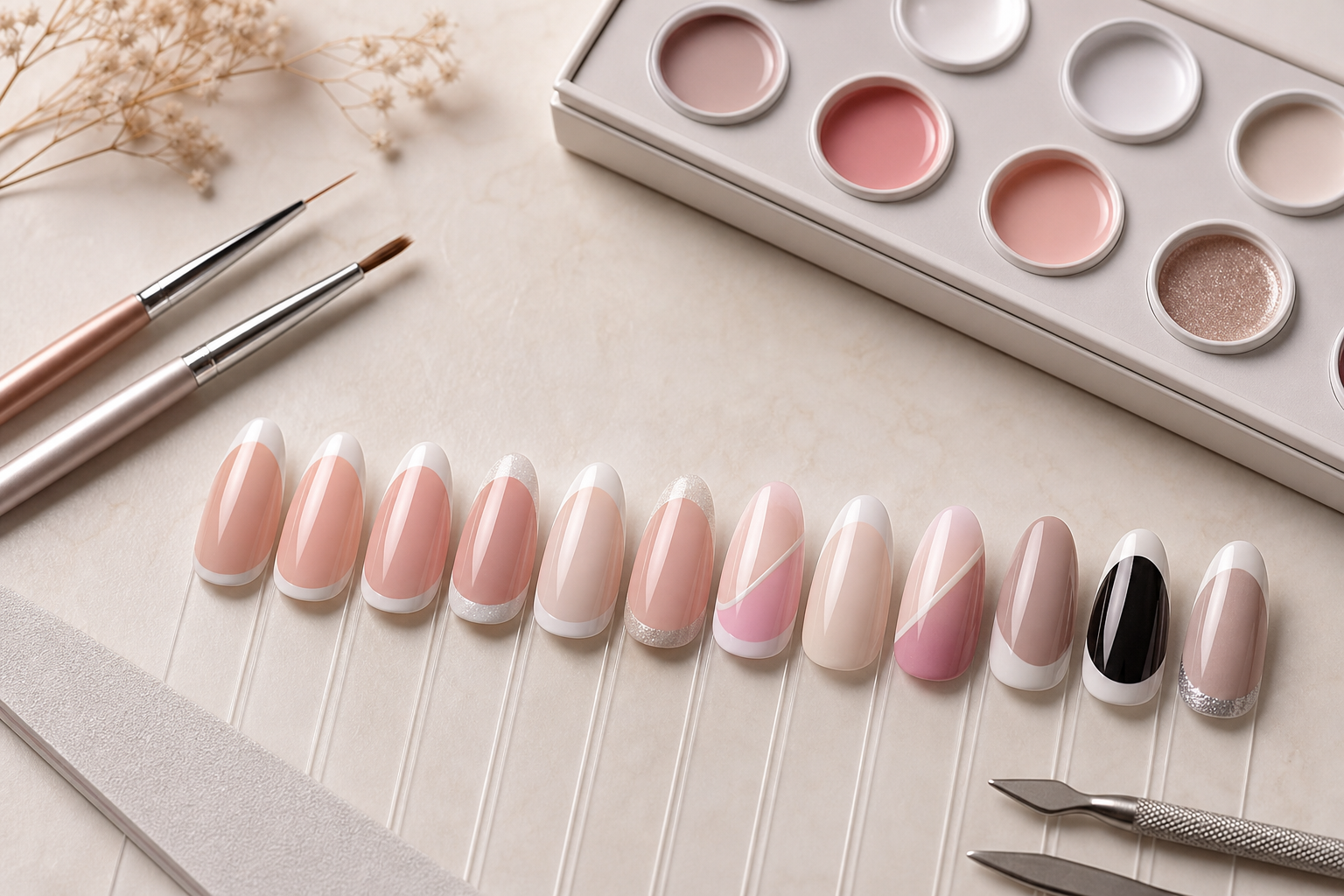
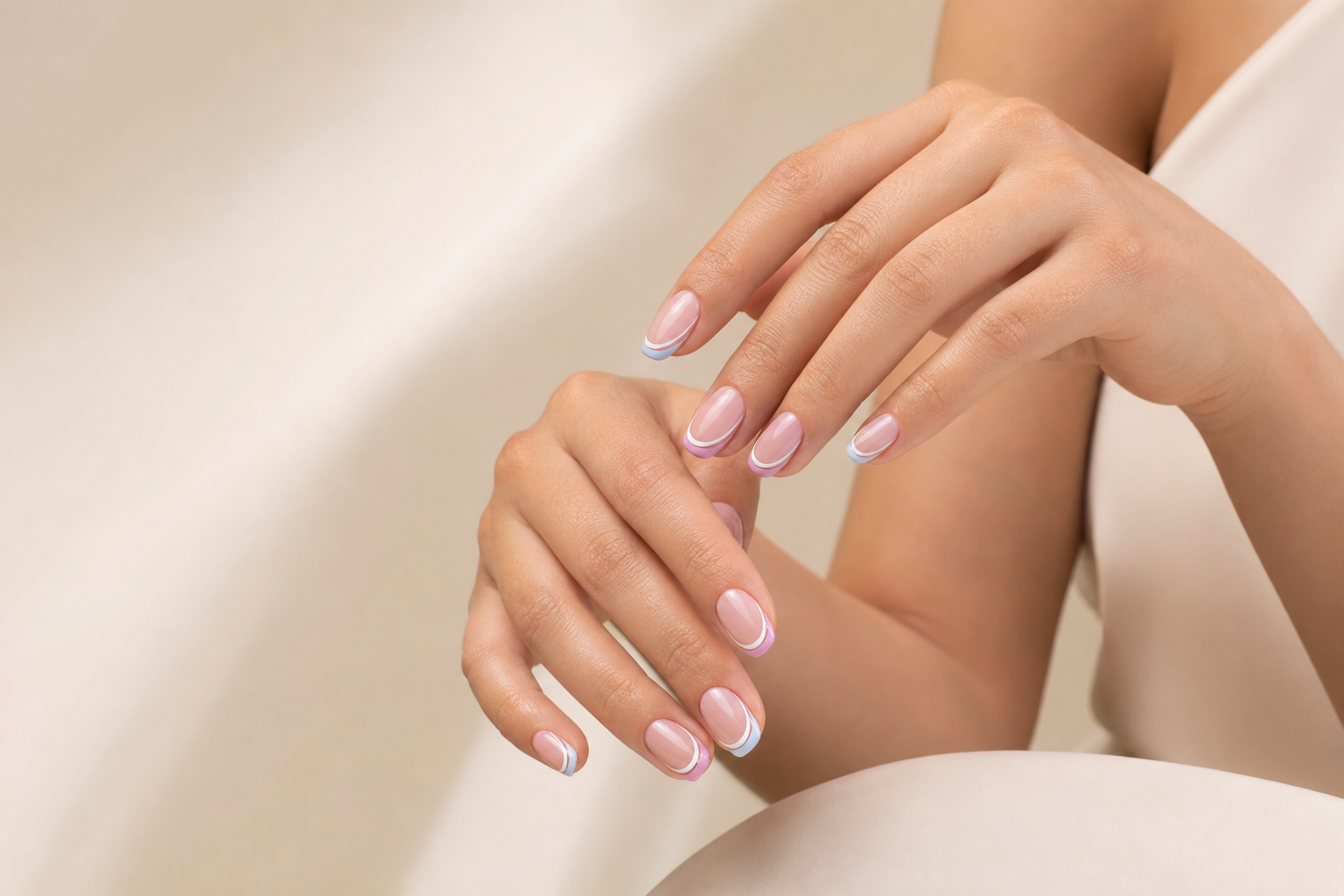
Advanced color techniques, such as ombré, french gradients, and color blocking, enrich the visual experience, offering endless customization possibilities that celebrate individuality. Pairing colors thoughtfully with nail shape and length amplifies the design’s coherence and expression.
Nail Art as a Medium of Personal and Cultural Expression
Nail art transforms the nail into a dynamic canvas for creativity, enabling self-expression beyond color application alone. Through motifs, textures, and 3D elements, nail art scales the spectrum from minimalist chic to extravagant spectacle.
Contemporary techniques encompass freehand painting of delicate flowers and intricate geometric shapes, the application of foils and decals, usage of rhinestones and pearls, and novel textures like velvet or glitter gels. These artistic choices can be subtly integrated for everyday elegance or intensified for purposes ranging from social events to runway presentations.
Professional nail technicians often advise aligning nail art with the wearer’s lifestyle and occupational demands. For example, office environments may favor understated patterns and small accents, while creative fields may embrace bolder, avant-garde designs.
In addition to aesthetics, nail art requires heightened care to maintain durability without compromising nail health. Proper sanitation, suitable base and top coats, and correct curing times are essential to preserve both the longevity of the design and the structural integrity of the natural nail.