Nail care has evolved from simple grooming routines to elaborate aesthetic treatments that involve a variety of materials and techniques such as gel applications, acrylic extensions, and permanent lacquers. These innovations allow individuals to express creativity, enhance the natural beauty of their hands, and enjoy longer-lasting manicures. However, the frequent use of such materials inevitably exposes the natural nail plate to certain changes and potential damage. Understanding the nuances between superficial, temporary aesthetic effects and more significant structural alterations that demand expert evaluation underpins the ability to maintain healthy nails over time.
This discussion is particularly important for individuals who engage regularly in professional nail services or home treatments involving strengthening and embellishing their nails. Whether you are a salon professional advising clients or an enthusiast aiming to preserve your nail health amidst diverse manicuring practices, recognizing how these treatments interact with natural nails clarifies why recovery strategies are necessary and how best to implement them safely.
Knowledge about material removal methods and appropriate recovery not only safeguards nails from irreversible harm but also ensures the continued enjoyment of beautiful, resilient fingertips. This editorial sets out to explore the distinctions between common nail changes caused by aesthetic procedures and those signaling deeper problems, outline safe removal protocols, and share evidence-based recovery practices essential for nail vitality.
Identifying Temporary Aesthetic Nail Changes Versus Serious Damage
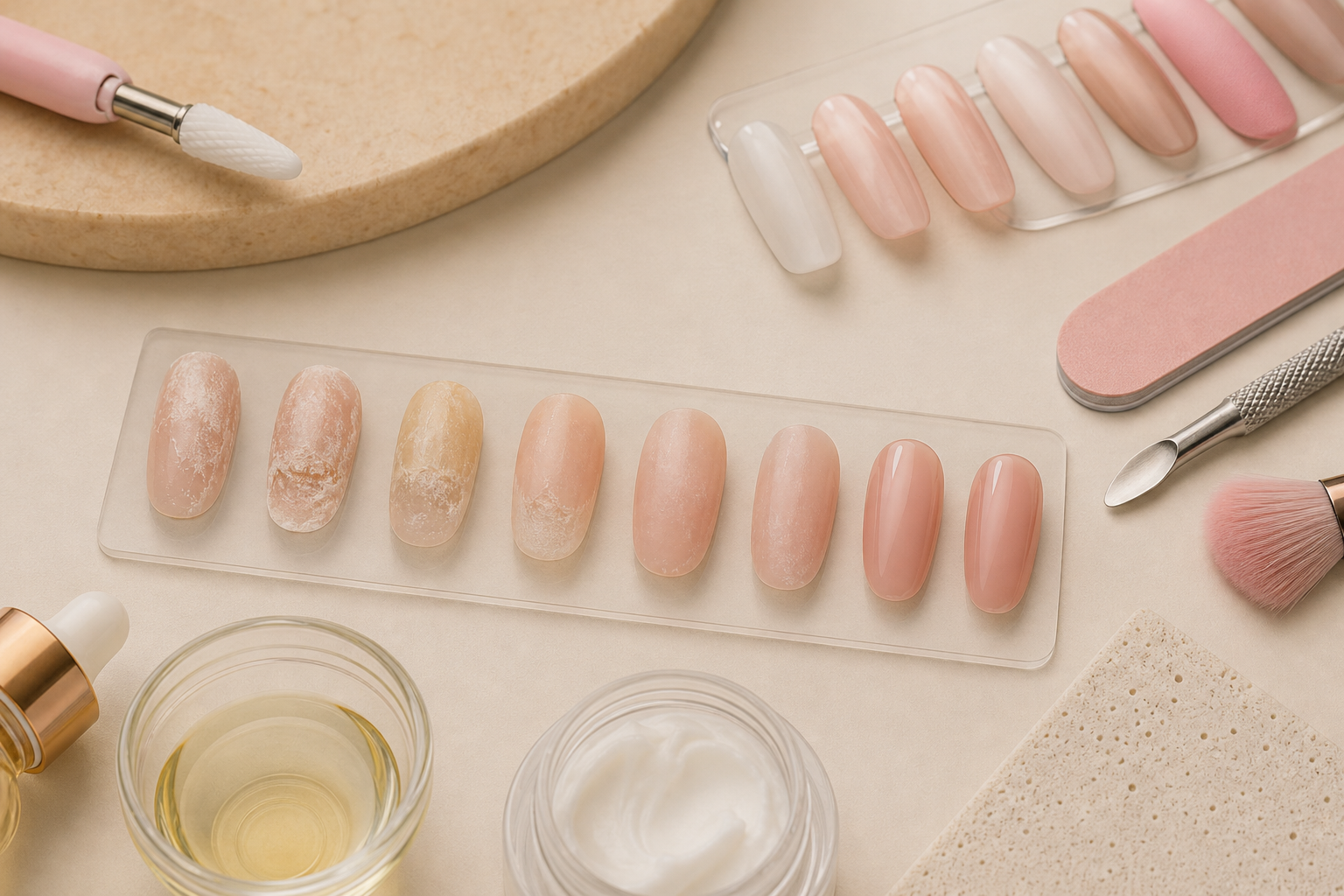
Natural nails reflect the ongoing state of their care and exposure to external factors, especially when repeatedly subjected to enhancements. Temporary aesthetic nail changes often manifest as mild surface irregularities, faint discolorations like subtle white spots, or slight textural variations following removal of artificial layers such as gels or acrylics. These effects typically remain confined to the keratin layer without compromising nail integrity and usually resolve spontaneously when the nail is allowed time and supportive care to regenerate.
By contrast, changes that permeate deeper into nail tissue or affect surrounding skin signal a need for professional scrutiny. Signs including onycholysis (separation of the nail plate), persistent discoloration beyond typical staining (notably greenish hues suggesting bacterial colonization), pronounced ridges, cracks, or painful inflammation around the nail fold warrant immediate consultation with a dermatologist or seasoned nail technician. Serious nail damage often entails disruption to the nail matrix—the formative zone under the skin—prolonging recovery and heightening risks of deformity, infection, or chronic weakness.
Distinguishing transient cosmetic alterations from pathological conditions requires both observational attention and knowledge about nail biology. This differentiation guides decisions on whether to continue standard nail care methods or escalate treatment through medical or specialized cosmetic interventions.
Common Types of Nail Damage Linked to Prolonged Use of Aesthetic Materials
Prolonged or repeated application of nail enhancements, including gels, acrylics, and long-lasting polishes, correlates with several characteristic patterns of nail impairment. One prevalent issue is thinning of the nail plate, attributable primarily to excessive mechanical abrasion during material removal or surface preparation. Overzealous filing or buffing diminishes the protective keratin layers, leaving nails vulnerable to brittleness, splitting, and breakage.
Surface disruptions such as transverse ridges (Beau’s lines) or longitudinal grooves may emerge due to chronic trauma or chemical exposure. White spots (leukonychia) often arise from microscopic nail bed injuries, typically benign and resolving as new nail growth occurs, though they sometimes confuse users into fearing permanent damage.
More alarming, however, is the development of greenish discoloration underneath acrylic or gel layers, frequently indicative of a bacterial infection—most commonly Pseudomonas aeruginosa. This condition results from moisture becoming trapped between the natural nail and artificial enhancements, creating an environment conducive to microbial proliferation. If left untreated, such infections can cause pain, spread, or necessitate removal of affected nail segments.
Professional Approaches to Safe Removal of Nail Enhancements
The removal process for gel polish, acrylics, or permanent lacquers is a critical moment that directly influences the future health of the natural nail. Professional salons employ a combination of chemical and mechanical techniques to ensure materials are removed thoroughly yet gently. Acetone soaks are a common method, softening the layers to facilitate careful lifting or filing without scraping the nail surface aggressively.
In skilled hands, this procedure includes protecting the periungual skin and nail matrix from drying or chemical irritation by applying cuticle oils and moisturizing agents throughout the process. Removal performed in hurried or untrained conditions often resorts to forceful prying or excessive buffing, which damages the nail plate's integrity and the surrounding skin, raising infection risk and prolonging healing time.
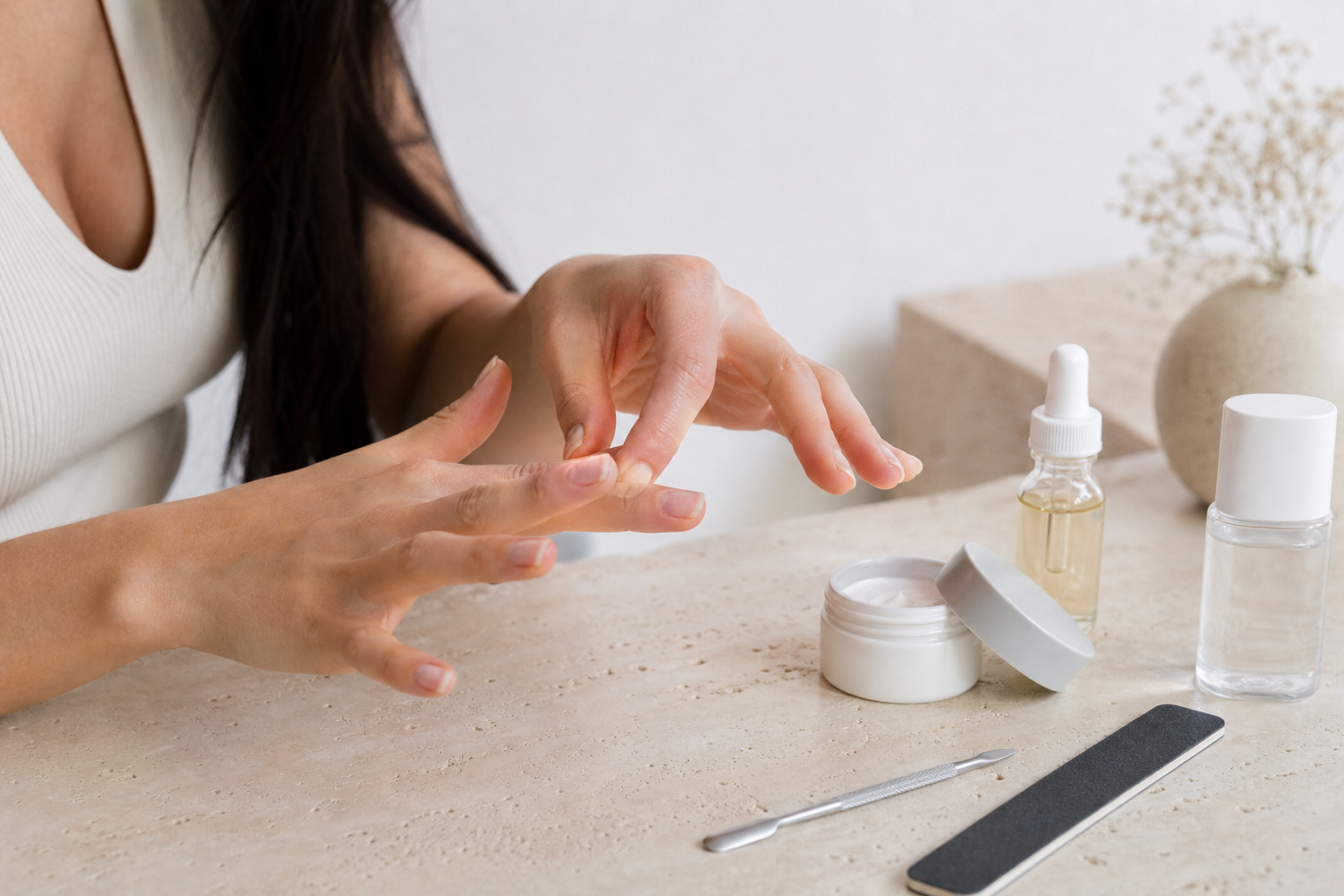
For at-home removal, consumers should adhere strictly to manufacturer guidelines, utilize original products, allow adequate soaking time, and avoid peeling or picking off layers. Following removal, diligent hydration of cuticles and nails helps to restore moisture balance and reduce inflammation. While professional removal is recommendable, informed and cautious self-care can also minimize harm when salon visits are not feasible.
Strategic Nail Recovery Practices Post Material Removal
Natural nails require a tailored recovery phase after enhancement removal, contingent upon the extent of damage sustained. Initial steps include refraining from immediate application of new products, enabling the nail plate to regain natural texture and resilience. Typically, the rejuvenation period spans four to six weeks but can extend based on nail growth rates and prior damage depth.
Daily nourishment with oils rich in vitamins A, E, and B complex, along with minerals like zinc and calcium, supports keratin synthesis crucial for robust nail formation. Biotin supplementation has garnered support for enhancing nail strength and reducing brittleness, though responses vary individually.
Gentle mechanical smoothing using fine buffers helps to even out surface irregularities without eroding nail thickness. Complementary treatments include protein-enriched masks or serums to replenish the keratinous matrix. Nutritional adequacy, avoiding harsh detergents, and protecting nails from moisture fluctuations during chores further optimize recovery outcomes.
Maintaining Nail Health During Ongoing Manicure and Enhancement Cycles
For enthusiasts committed to regular nail enhancements, a preventive approach integrated with periodic assessments and breaks between treatments proves most effective at preventing cumulative damage. Professionals advocate adhering strictly to recommended wear times for gel or acrylic nails and discouraging unsupervised removal or shortcuts during upkeep.
Routine evaluations with experienced nail technicians facilitate early detection of changes heralding damage or infection, allowing timely interventions. Clients should promptly seek expert advice if symptoms such as pain, pronounced swelling, or persistent color changes occur.
Maintaining impeccable hygiene for both tools and hands curtails microbial risks. Employing protective gloves during cleaning or exposure to harsh substances shields nails from drying and chemical insults. Educating clients about these safeguard measures cultivates informed, proactive habits that preserve nail integrity alongside aesthetic appeal.
Distinctive Considerations for Gel and Acrylic Removal in Professional Care Settings
While both gel and acrylic nails are popular for their durability and finish, their physical and chemical properties necessitate differentiated removal tactics known by skilled nail technicians. Gel layers typically soften adequately during acetone soaking, allowing for minimally invasive mechanical assistance that spares much of the underlying nail plate.
Acrylics, given their harder structure, often require more abrasion combined with chemical dissolving to ensure complete removal. The balance between thoroughness and preservation demands precise technique to avoid undue thinning or trauma. Furthermore, attention to the condition of adjacent cuticles is paramount to forestall irritation or infection, particularly since acrylic application and removal can stress this delicate area.
Before proceeding with fresh enhancements, professionals assess nail readiness to handle additional treatments, recommending rest intervals if necessary. This diagnostic and preparatory phase within salons is crucial to avert recurring injury and permit full tissue restoration.