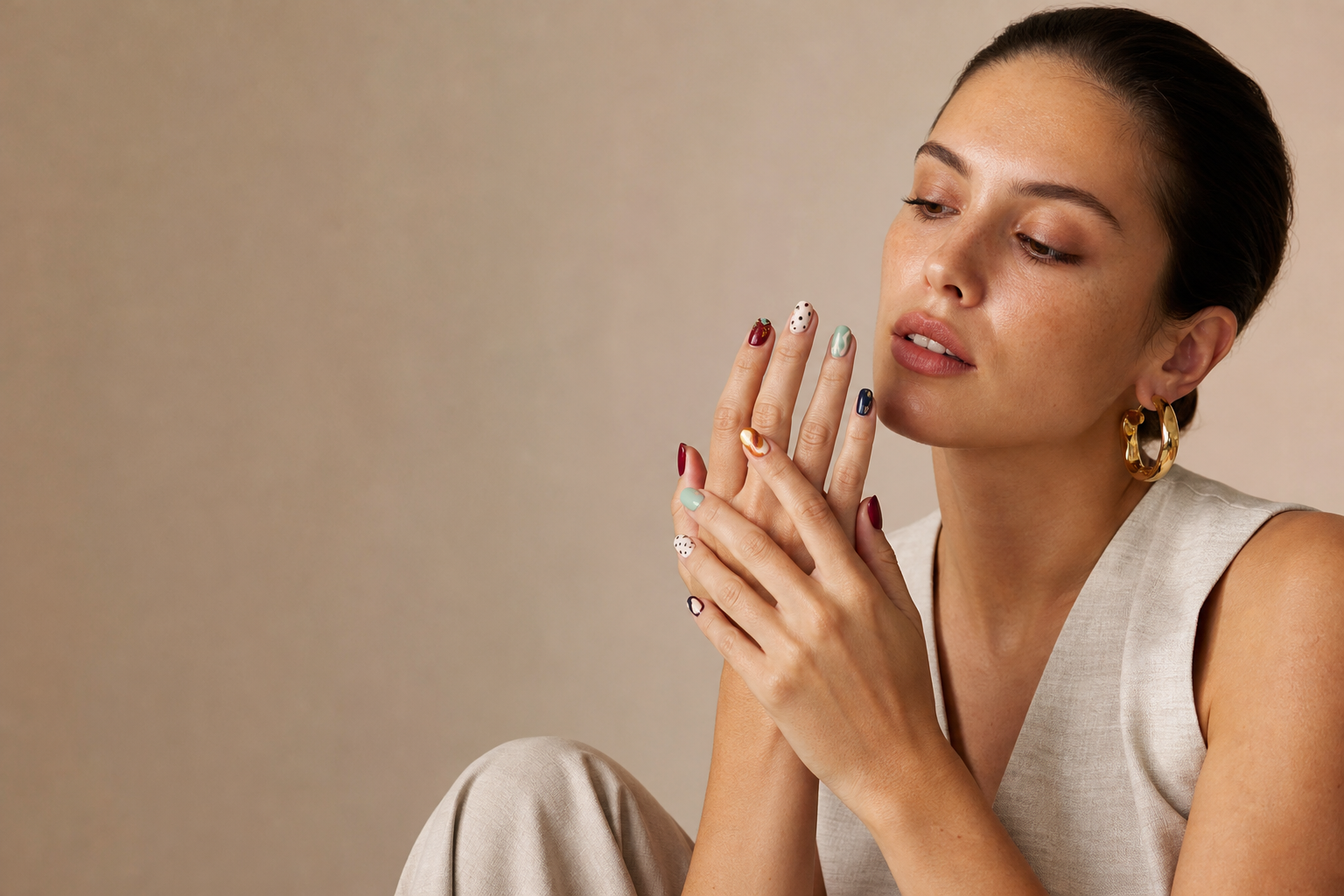
The mismatch manicure represents a bold departure from traditional nail art, inviting wearers to celebrate individuality and creativity by adorning each nail with a distinct design. This trend defies the classic approach of uniformity, welcoming instead a curated medley of colors, patterns, and textures that collectively present a harmonious yet unapologetically eclectic hand. Ideal for those seeking to express a multifaceted personality or a dynamic aesthetic, the mismatch manicure advances nail artistry into an arena where personal expression breaks free from convention.
For enthusiasts and professionals alike, understanding the principles and practicalities behind this technique is crucial to achieving both visual impact and durability. The appeal of a mismatch manicure lies not only in its playful, unconventional charm but also in the sophistication required to balance variety with visual cohesion. This article delves deep into the artistic rationale, technical considerations, and maintenance strategies that empower nail artists and clients to fully embrace this trend while safeguarding nail health.
Exploring the methods of design selection, material choices, and application techniques reveals how mismatch manicures can be tailored for diverse nail shapes, lengths, and personal styles. Furthermore, discussing safety parameters and potential limitations ensures a responsible approach to this creative expression. By framing mismatch manicures within a well-informed context, this editorial illuminates their role as both a fashion statement and a skilled craft.
Conceptual Foundations of the Mismatch Manicure
At its core, the mismatch manicure challenges preconceived norms by embracing deliberate discordance across the hand's nails. This approach transforms the conventional repetition of a single motif into a dynamic assembly of unique designs, where each nail acts as a standalone canvas. Importantly, while each nail may feature different colors, patterns, and textures, a unifying element such as a color family, design theme, or complementary finishing technique ensures the overall composition remains stylistically integrated.
This crafted plurality generates visual intrigue and eschews monotony. Skilled nail artists carefully orchestrate the interplay of motifs—ranging from geometric shapes, florals, abstract brushwork, to textual embellishments—to create a balanced, deliberate contrast rather than chaotic discord. For instance, integrating matte and glossy finishes, positive and negative space, or mixing fine lines with bold accents can amplify the depth and uniqueness of each nail without overwhelming the eye.
The beauty of the mismatch manicure is its exceptional adaptability. It can be executed subtly with variations in tone on a neutral base for minimalist sophistication, or more audaciously with vibrant hues and complex details, catering to diverse occasions and personal preferences. This flexibility encourages individuals to connect their nail designs to moods, seasons, or facets of their identity, transforming each manicure session into a personalized artistic journey.
Strategic Palette and Material Selection for Varied Designs
Color selection is paramount in mismatch manicures, demanding a strategic approach to ensure each unique nail harmonizes within the ensemble. Rather than random color combinations, curated palettes are developed to introduce complementary or intentionally contrasting tones that engage viewers with subtle unity or expressive vibrancy. Monochromatic schemes may rely on gradation or texture changes, while polychromatic sets might balance primary hues with muted or metallic accents.
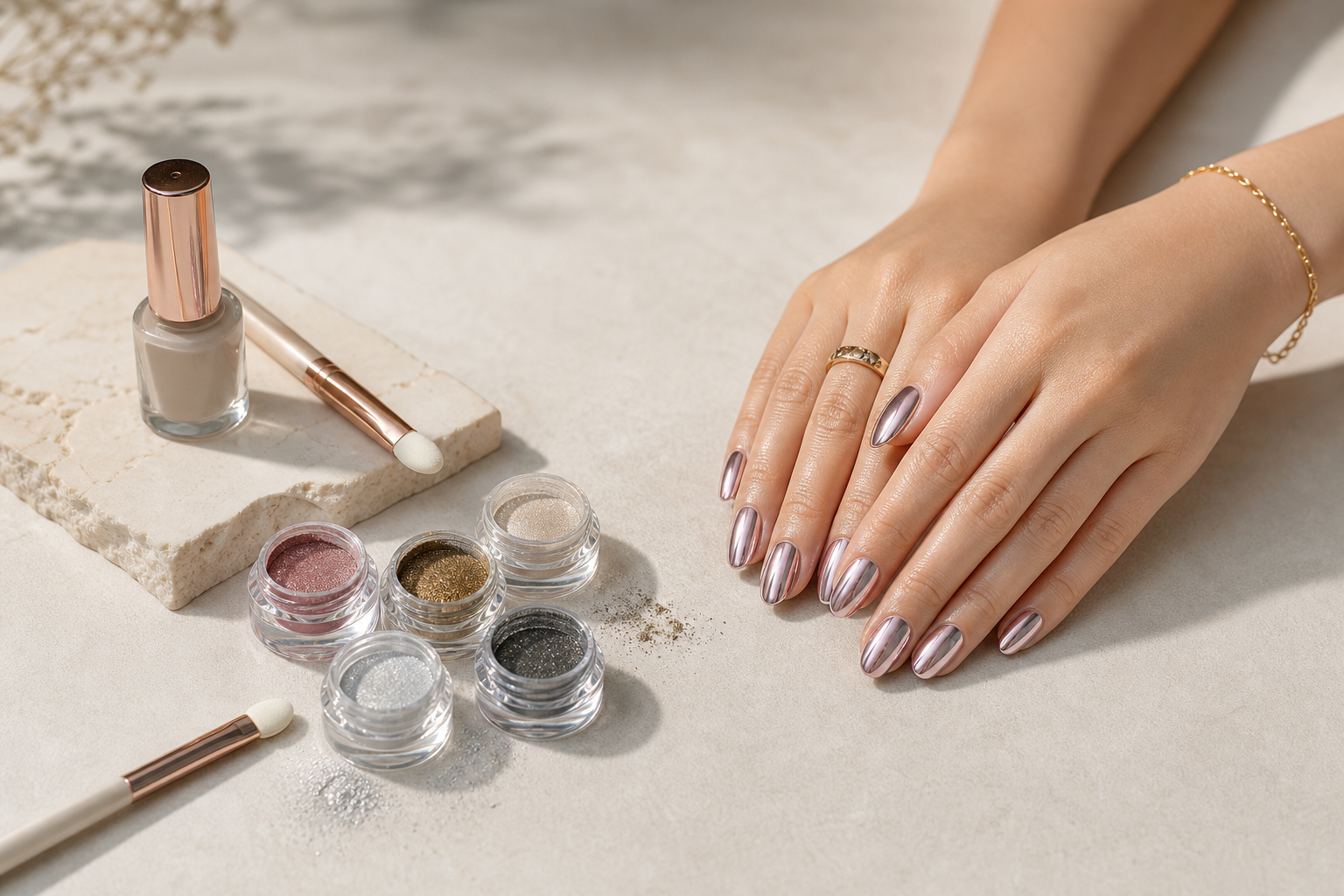
The materials employed span traditional nail lacquers, advanced gel formulas, and specialty topcoats, each contributing distinct aesthetic qualities and functional benefits. Incorporating combinations of matte and high-gloss finishes, metallic sheens, micro-glitters, or textured gels adds dimensionality and tactile intrigue to the design variety. Additionally, contemporary effects like chrome powders, multi-chrome pigments, and layered flake inclusions facilitate intricate illusions and depth without compromising nail integrity.
Professional application of resilient materials such as BIAB (Builder In A Bottle) or builder gels not only supports complex multi-dimensional artwork but extends manicure longevity. This is particularly critical for mismatch styles that feature raised textures, 3D elements, or mixed media components, which require a stable foundation to prevent premature chipping and maintain the intricate detailing over weeks of wear.
Technical Mastery and Tools Behind Mismatch Nail Artistry
Creating a mismatch manicure necessitates a diverse toolkit and advanced technical skills to execute the highly individualized designs on each nail. Nail technicians utilize specialized fine brushes for hand-painting detailed illustrations, stamping plates delivering precise repetitive patterns, and airbrush equipment for smooth gradients and layered coloration. These tools collectively expand the possibilities of texture, shading, and spatial composition.
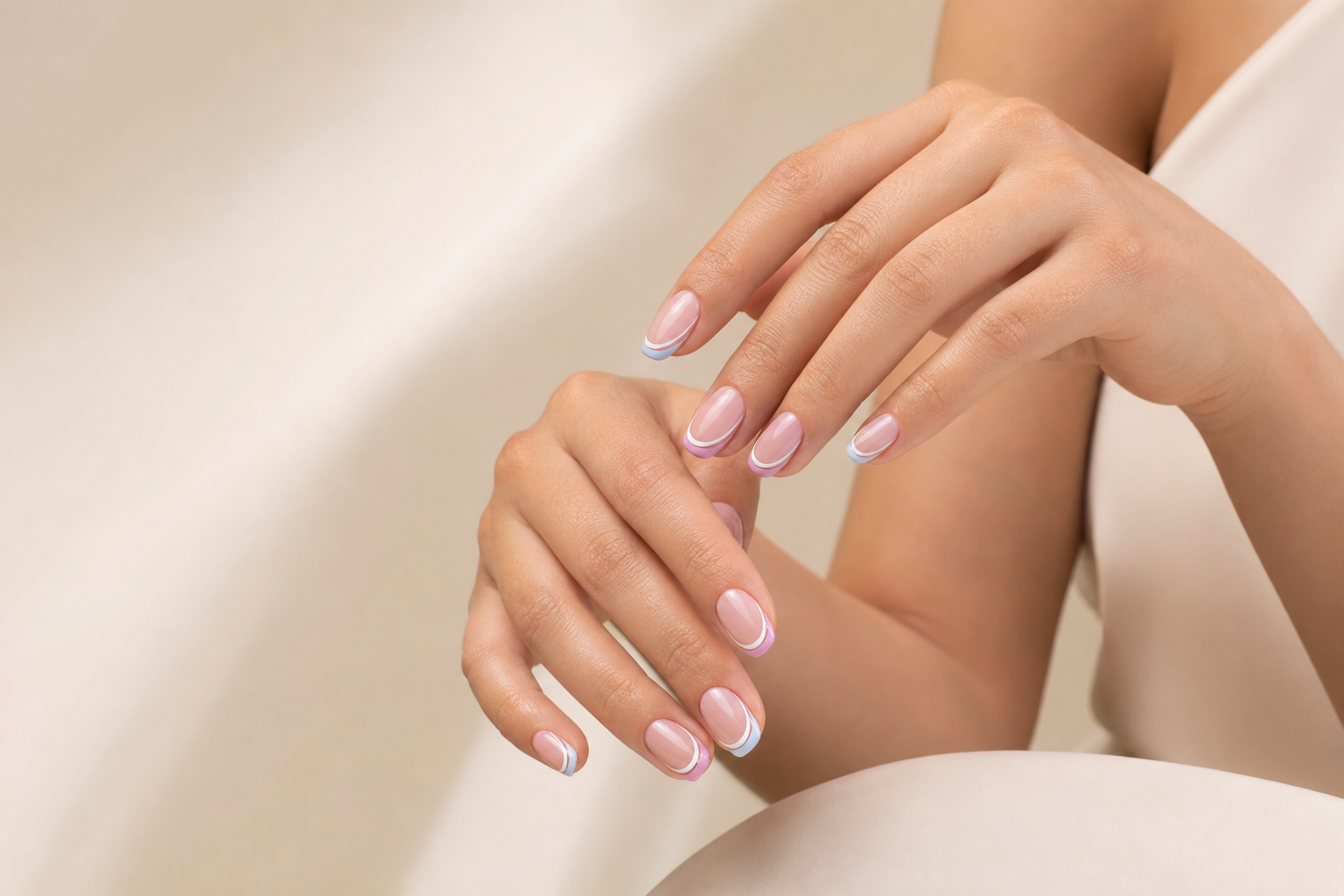
The application process demands heightened dexterity and patience since each nail requires separate conceptualization, color layering, and potential embellishments. Techniques such as negative space accentuation, feathering edges, or creating asymmetric French tips enliven the uniqueness of each nail without sacrificing unity. Furthermore, embedding decorative items like rhinestones, metallic studs, pearls, or custom 3D forms elevates the collection to multi-dimensional art.
Attention to nail shape and length influences the complexity of designs permitted on each nail, as does the coordination between shapes on adjacent fingers to avoid visual overcrowding. Successful mismatch manicures blend spontaneous creativity with a disciplined eye for balance and cohesiveness, ensuring that individuality translates into a polished aesthetic, not randomness.
Health Considerations and Professional Guidance Imperatives
While mismatch manicures expand creative horizons, factors affecting nail health must guide their application. Natural nail conditions such as brittleness, peeling, or fungal infections influence the appropriateness of certain gel or acrylic-based techniques. Undertaking intricate nail art on compromised nails risks exacerbating damage or prolonging recovery.
Consultations with dermatologists or licensed nail care professionals are advisable before committing to high-layered or gel-intensive procedures, particularly for clients prone to allergic reactions or with sensitive periungual skin. Evaluating individual nail health enables customized recommendations, including necessary pre-treatment regimens or deferral of enhancement until sufficient healing occurs.
Moreover, using certified safe products and sterilized tools mitigates infection risks. Special care must be taken with embellishments and pigment components to confirm biocompatibility. In cases where novel materials or complex 3D artworks are introduced, a trial patch or informed consent regarding potential sensitivities enhances client safety and satisfaction.
The Cultural and Aesthetic Impact of Mismatch Manicures Within Contemporary Nail Art
The rise of mismatch manicures mirrors broader cultural shifts toward embracing plurality, self-expression, and the breakdown of rigid aesthetic codes. In the nail industry, this approach liberates artistry from the constraints of replication, affirming nails as a visible, wearable gallery of personal stories and stylistic innovation.
This trend integrates elements from a multitude of established nail art styles—including sophisticated negative-space compositions, organic floral accents, animal-inspired prints, and textural contrasts—culminating in a style that embodies diversity and experimentation. Its popularity aligns with a growing consumer desire for bespoke beauty, challenging the notion that elegance requires uniformity.
Importantly, mismatch manicures foster creativity not only for professional nail artists but also for individuals experimenting with self-decoration, reinforcing nail art as an accessible, evolving form of fashion and personal branding. As mismatch techniques gain prominence in global fashion hubs, they promote an inclusive aesthetic language that celebrates unexpected harmony and artistic courage.