The French manicure has long stood as an iconic symbol of nail elegance and understated beauty. Characterized by its clean lines, natural hues, and subtle contrast, it has gracefully transcended decades and trends, appealing to diverse individuals who seek a polished and versatile nail look. From professionals aiming for sophistication in corporate environments to creative souls experimenting with modern twists, the French manicure offers an adaptable canvas that balances tradition with innovation.
This style is ideal for those who desire nails that project refinement without overwhelming complexity. While simple at a glance, mastering both the classic and contemporary versions requires an understanding of the technique’s nuances, nail anatomy, and aesthetic principles. By exploring its foundations and evolving expressions, one gains insight into how this manicure not only enhances appearances but also reflects a commitment to meticulous nail care.
In the following sections, we delve into the key components that define the French manicure's enduring appeal, examine the technical and artistic variables involved, and uncover practical advice for achieving impeccable results. We consider realistic expectations, safety protocols, and advanced approaches that bridge heritage with modern creativity.
Essentials of the Classic French Manicure Technique and Aesthetic
The hallmark of the traditional French manicure lies in its distinctive use of color and shape. Its signature look features a pale pink or nude base seamlessly paired with a crisp, white crescent at the nail’s free edge. This visual interplay creates an illusion of elongated, brightened nails that appear naturally healthy and well-groomed.
Executing the classic style demands precision to form a smooth, even smile line that complements the nail's curvature. Preparation begins with properly shaped and buffed nails—often adopting soft square, oval, or squoval shapes to maximize elegance and durability. A high-quality base coat strengthens the nail plate and promotes adhesion for subsequent polish layers.
The white tip is typically painted using a fine brush or French manicure guides (stickers or stencils), ensuring the thickness is delicate yet vividly defined. The natural base color, usually a translucent pink or beige, enhances the nail bed's appearance while maintaining a natural aesthetic. A final topcoat seals the design, adding shine and safeguarding against chipping.
One of the classic manicure’s vital facets is hygiene and health-conscious application. The nail surface must be free from oils, debris, and damage to prevent premature peeling or infections. This version suits a wide range of lifestyles, especially those requiring understated nail care for work or formal occasions.
Exploring Modern Interpretations: Color Innovation and Design Variations
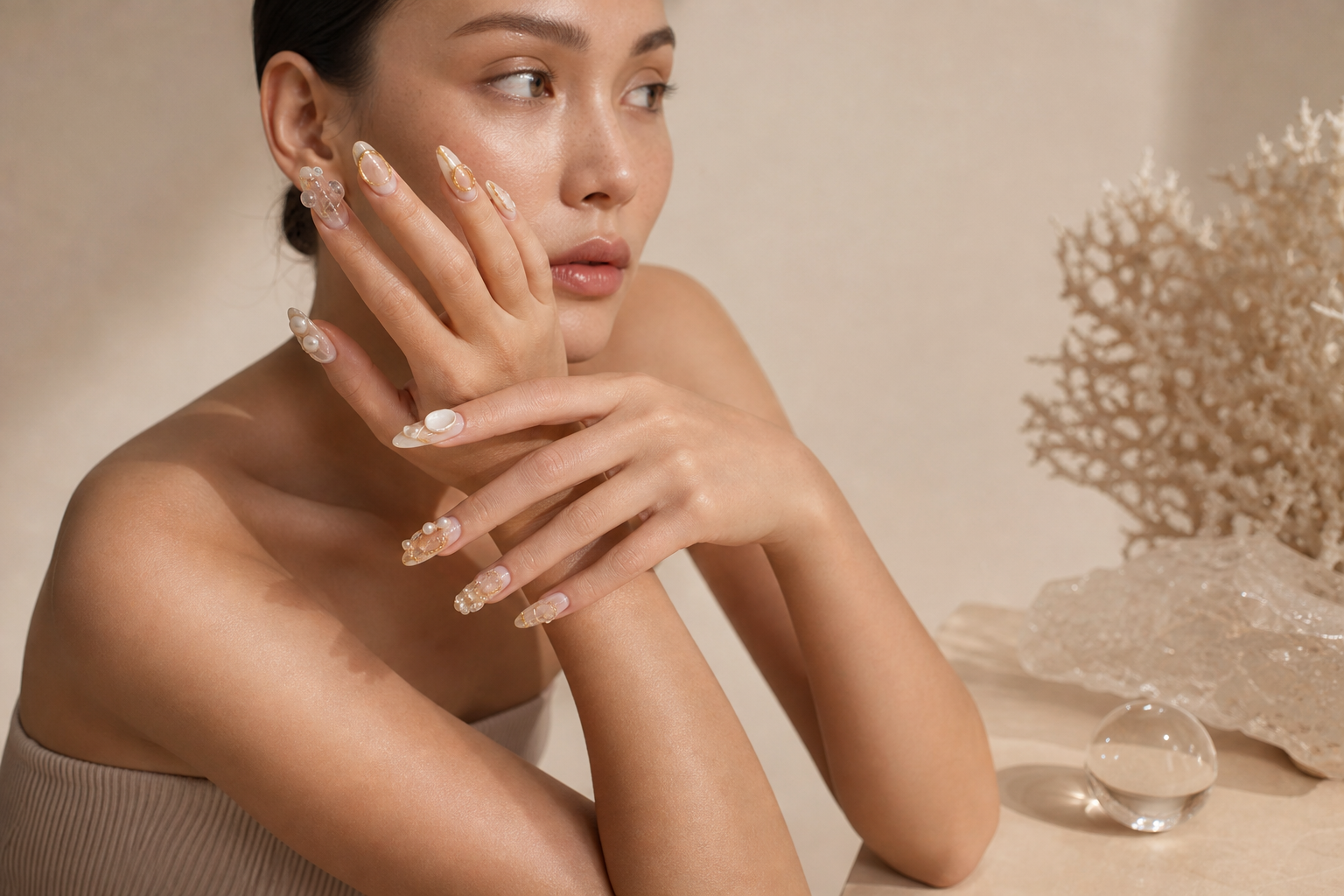
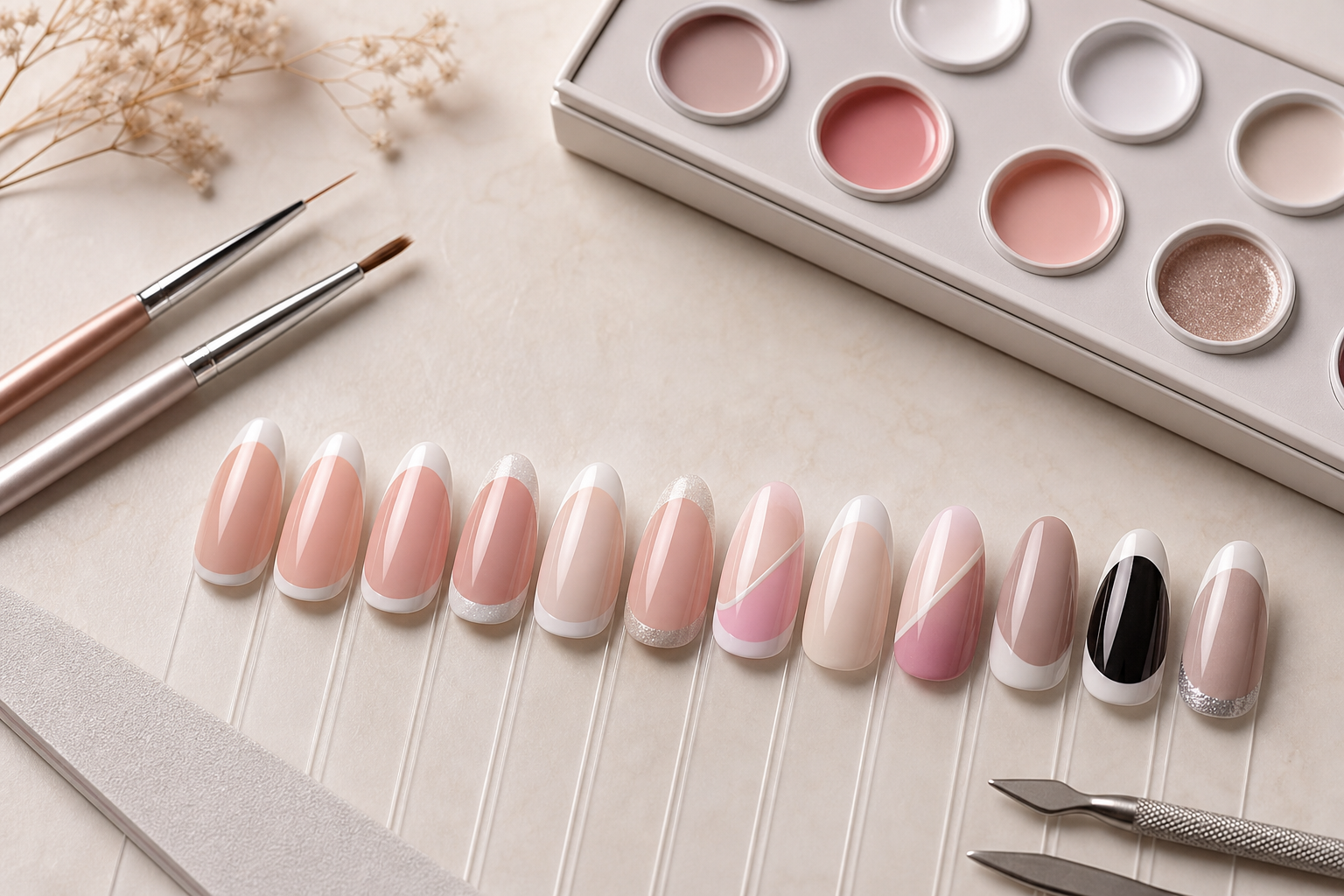
Contemporary renditions of the French manicure embrace creative liberties while respecting the original’s visual principles. Instead of limiting the free edge to pure white, nail artists introduce pastel shades, iridescent hues, metallic finishes, or even bold colors to impart individuality and freshness. These innovations broaden the manicure's appeal across age groups and style preferences.
Shapes of the white edge have also expanded beyond the conventional smooth crescent. Artists employ angular lines, asymmetrical curves, glitter gradients, or graphic motifs that lend personality without compromising the manicure’s recognizable format. Sometimes, the nail bed color shifts towards nude or translucent shades with embellishments like slender stripes or minimalistic accents enhancing the design.
These advancements often incorporate gel or shellac technology to prolong wear and intensify color vibrancy. Nail art tools such as stamping, striping tapes, and rhinestones enable precision and elevate the manicure's sophistication. While the classic style speaks to timeless grace, modern versions provide playful and customizable options.
Choosing Nail Shapes and Lengths that Maximize French Manicure Elegance
Matching the French manicure with appropriate nail shapes and lengths significantly impacts the overall appearance and longevity of the style. The most common shapes include oval, almond, squoval, and softly rounded squares, each complementing specific finger and hand anatomies.
Oval and almond shapes generally elongate the fingers, lending a delicate and feminine silhouette. They tend to showcase the white tip subtly, ideal for those favoring muted elegance. Square or squoval nails offer a structured look with crisp edges that enhance the manicure’s graphic qualities but require maintenance to avoid chipping.
Length considerations balance practicality and aesthetics. Moderate lengths allow sufficient area for the hallmark white edge while minimizing breakage risk. Very short nails can feature a French manicure, but require meticulous application to define the tip clearly. Conversely, extended nails may demand more frequent upkeep as the juxtaposition between natural growth and polish becomes pronounced.
Personal anatomical factors such as nail plate curvature, finger proportions, and skin tone influence these choices. Nail technicians often assess clients to recommend tailored shapes and dimensions that harmonize with their natural features for optimal visual appeal.
Preparation Practices and Safety Protocols for a Healthy French Manicure
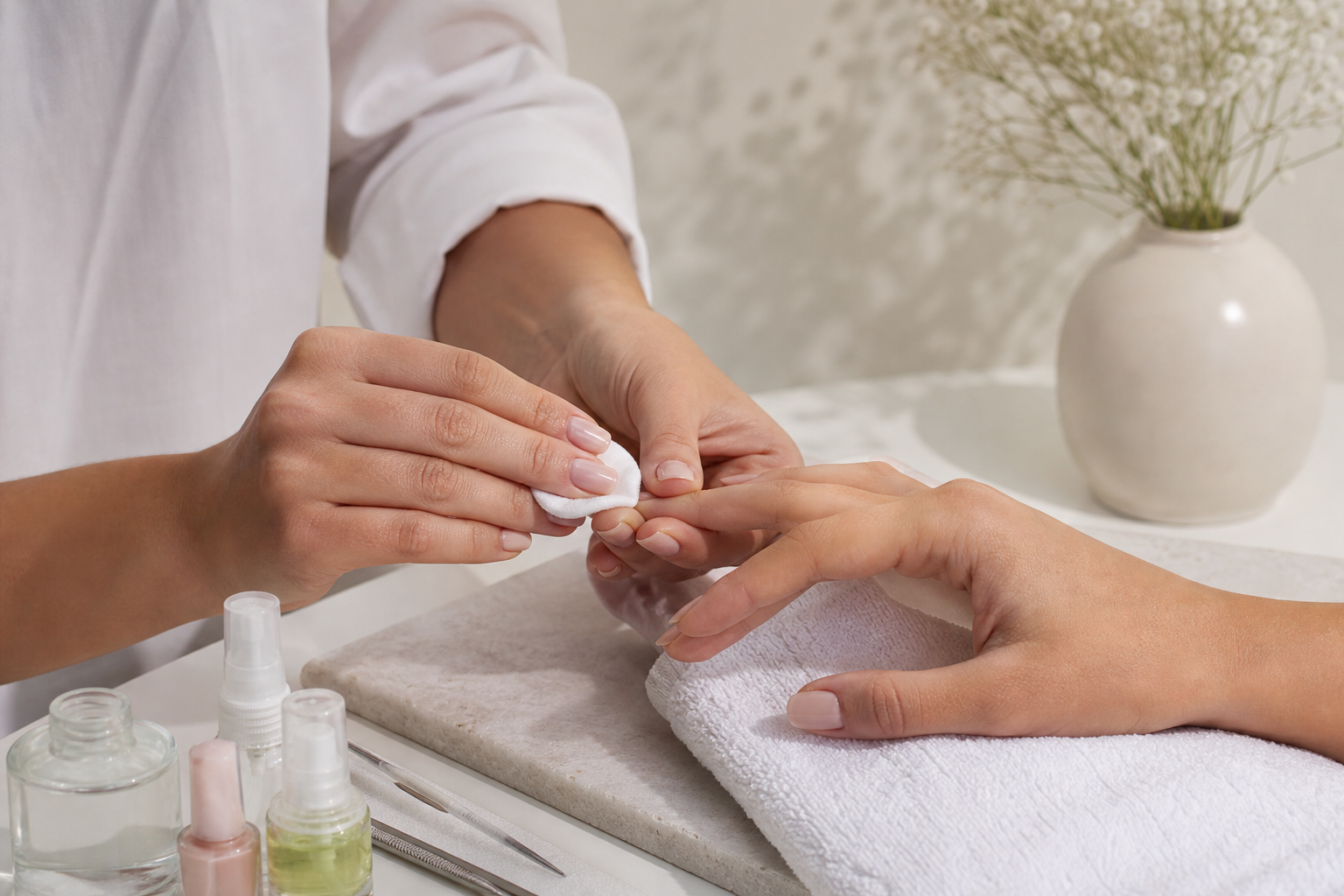
Preparation forms the backbone of a durable and attractive French manicure. Prior to any color application, complete removal of old polish, gentle shaping of nails, and careful cuticle care is performed using sterile instruments. The nail surface is then cleansed of oils and residues to guarantee optimal polish adherence.
Strict sanitation standards prevent transmission of infections. Professionals typically sterilize reusable tools, or alternatively, use single-use implements to maintain hygiene. The workspace and technicians follow established disinfection protocols, including hand hygiene and surface sanitization, reducing microbial risks.
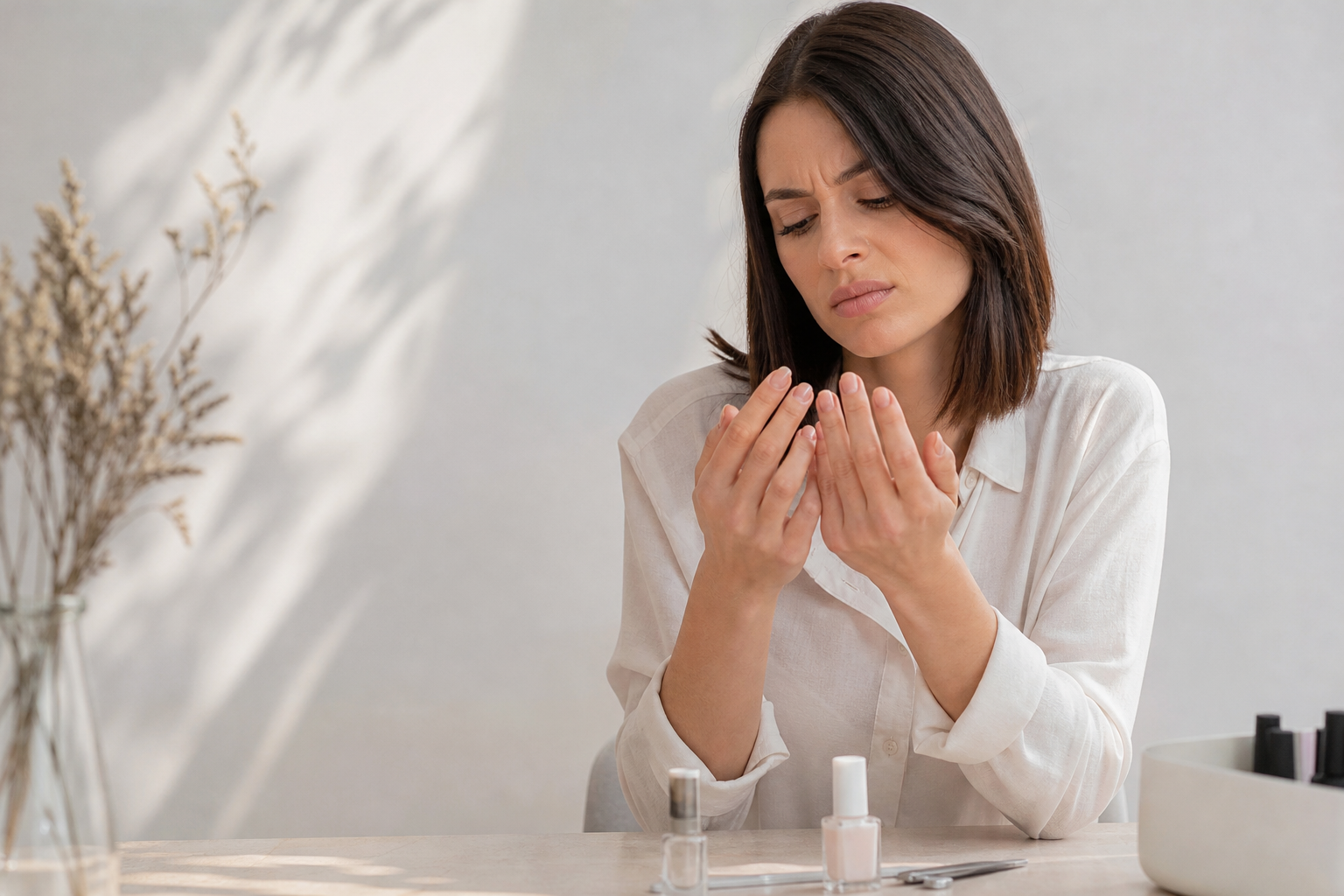
Assessing the client's nail condition before treatment is critical. Any signs of fungal infections, hangnails, inflammation, or nail plate deformities warrant postponing cosmetic procedures and recommending medical consultation. Some individuals may display allergic reactions to components in nail products, necessitating patch tests or selection of hypoallergenic formulas.
For DIY enthusiasts, understanding product ingredients and practicing safe application techniques also supports nail integrity. By prioritizing preparation and safety, clients experience both aesthetic satisfaction and the preservation of nail health.
Maintenance Strategies and Touch-Up Techniques to Extend Manicure Life
Maintaining a French manicure involves regular care that balances beauty preservation with nail health. Gentle cleansing routines prevent dirt accumulation along the white edge, while applying nourishing cuticle oils supports surrounding skin flexibility and hydration. Using hand creams with vitamins strengthens nails and aids longevity.
Touch-ups can address tip wear without full removal. This process includes light filing of rough edges, repainting the white tip, and refreshing the base and top coats for uniform gloss. Such corrections, ideally done professionally, delay the need for complete manicures and preserve polish integrity.
Clients are advised to shield nails from harsh chemicals like detergents by wearing gloves and avoiding aggressive manipulations. Avoidance of nail-biting and peeling lacquer by hand safeguards manicure appearance and reduces structural damage.
Scheduled salon visits every two to three weeks align with nail growth cycles and polish durability. Expert technicians can evaluate nail health, remove lifting or chipped polish carefully, and provide suitable treatments enhancing the manicure’s state.
The French Manicure’s Enduring Role in Professional and Fashion Contexts
In professional settings, the French manicure remains a benchmark of cleanliness and understated elegance. It conveys meticulous grooming without distracting from business attire or workplace decorum, fostering a polished and approachable image. Many corporate dress codes explicitly encourage or require such neutral nail appearances, underscoring its status as a trusted standard.
Within fashion and creative industries, the style's adaptability makes it a favorite among stylists and influencers pushing the boundaries of nail art. The chic foundation of a French manicure serves as a backdrop for inventive modifications, harmonizing classic beauty with avant-garde flair. This duality enables diverse expressions fitting a range of brand aesthetics and personal identities.
The manicure’s versatility allows it to blend seamlessly with seasonal trends, from minimalist nude looks to ornate embellished versions, thus confirming its perpetual relevance. Continuous innovations in nail care technology and pigments only strengthen its robustness in the evolving design landscape.
The ability of the French manicure to embody both refinement and creativity secures its position at the heart of nail care and fashion dialogues worldwide.