The art and science of manicure extend far beyond the simple application of polish or nail enhancements. Understanding the shape of nails—specifically almond, oval, square, and squoval forms—is essential to achieving both aesthetic appeal and functional longevity. These four popular shapes each offer distinct visual qualities and practical implications, influencing not only the look of your hands but also the durability and maintenance requirements of your manicure. For anyone invested in careful, expert nail care, from seasoned professionals to enthusiasts seeking better results, a precise grasp of these nail shapes is invaluable.
This article offers a detailed examination of almond, oval, square, and squoval nails within the broader context of manicure and nail care. It is designed for readers who wish to make informed decisions about nail shaping by considering finger anatomy, nail plate characteristics, lifestyle factors, and safety concerns. Here, you will find clear descriptions of each shape, explanations of their formation techniques, realistic expectations about their performance, potential limitations, and expert advice on care and when professional consultation is warranted. By exploring these elements, this guide aims to support a sophisticated, practical approach to choosing and maintaining nail shapes that harmonize beauty with health.
As part of the comprehensive cluster focusing on manicure techniques, safety, and treatment choices, this article hones in on the pivotal aspect of shape, length, colors, and nail art, elucidating how shape affects the overall nail care experience. Unlike generic overviews, this guide delves deeply into the mechanics and implications of each form, underscoring the nuance required for successful nail shaping and maintenance.
Almond Nails: Elegance and Practical Refinement
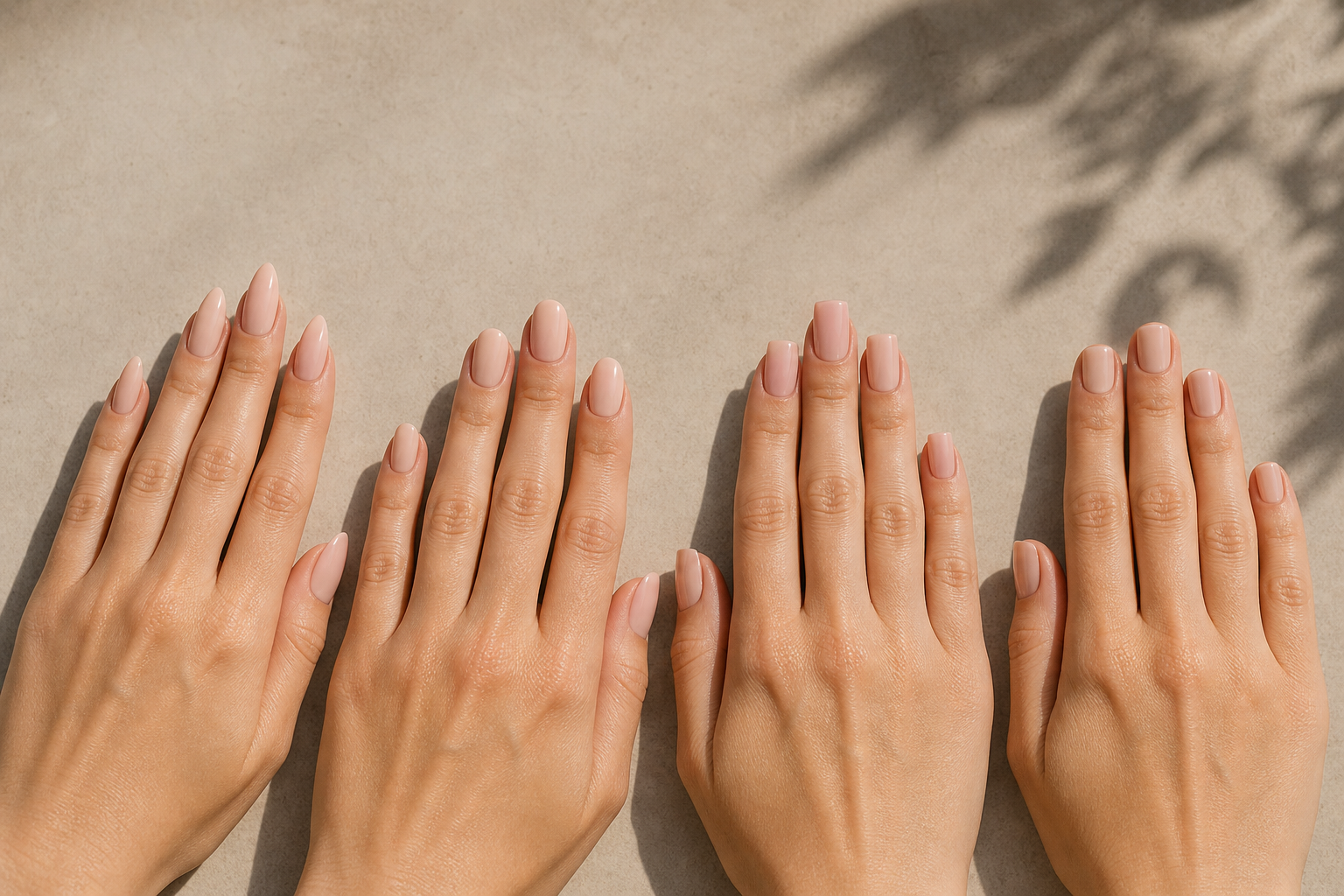
Almond-shaped nails are celebrated for their subtle refinement, characterized by gently tapered sides culminating in a softly rounded peak reminiscent of an almond. This shape combines a feminine sophistication with practicality that suits many hand shapes, particularly those with shorter or wider fingers, as it elongates the look of the digits and adds a delicate linear aesthetic.
The shaping process demands a precise balance: tapering the sides significantly yet maintaining enough strength to prevent breakage. Excessive narrowing can leave the nail vulnerable, especially if natural nails are thin or brittle. Skilled filing with a moderate to fine grit, employing an even, one-directional technique, helps maintain the integrity of the nail edge while sculpting the desired contour.
From a wear and care perspective, almond nails require thoughtful maintenance. Their tapered tips, though elegant, are more prone to chipping or snagging, especially if the wearer leads an active lifestyle involving manual tasks. Regular touch-ups and the use of reinforcing base coats can prolong wearability. For clients with fragile nails or physically demanding routines, professionals suggest moderate length choices and recommend protective measures such as silicone gloves during activity-intensive tasks.
In terms of aesthetics, the almond shape offers a premium canvas for nail art and polish, enhancing the visual length and sophistication of the hand. Versatile in pairing with both subtle and striking colors, almond nails suit creative designs that emphasize grace and structure.
Oval Nails: Classic Versatility with Everyday Comfort
Oval nails epitomize the perfect blend of classic beauty and functional design. Defined by fully rounded edges and a smooth, convex tip following the natural curve of the fingertip, oval nails provide a natural, understated finish that complements virtually all finger types. Their gentle shape minimizes stress points that commonly lead to cracking or splitting, making them comparatively resilient under daily wear.
The oval form is particularly practical for individuals new to maintaining shaped nails or those who prefer a low-maintenance yet polished appearance. Adaptations in length must be conscientious; overly short oval nails may lose their characteristic elegance, while excessively long ones risk discomfort or increased breakage probability. Achieving the right balance is crucial and may necessitate professional assessment to tailor the form effectively to one’s nail plate shape and finger anatomy.
Care strategies for oval nails focus on consistent gentle filing, preferably with fine grit tools, to preserve the shape without roughening the edges. Hydration of the cuticle and surrounding skin via oils or creams supports overall nail health, enhancing the durability and appearance of the manicure. Oval nails also serve as a versatile foundation for nail art, from subtle French tips to intricate floral designs.
Square Nails: Bold Structure and Crisp Geometry
Square nails captivate with their sharp, clean lines and a flat, squared-off tip bounded by perpendicular sidewalls. This shape conveys a modern, assertive aesthetic, highlighting the breadth and structure of the nail plate. It often suits longer, slender fingers well, drawing attention through graphic precision.
However, the angular corners can act as focal points for stress, increasing the risk of snagging and breakage, especially for nails lacking density or flexibility. Maintaining square nails demands frequent professional or careful DIY upkeep to ensure perfectly symmetrical edges and sharp corners, which contribute to the signature look but also elevate fragility if neglected.
From a care perspective, users should be mindful to gently file the edges and corners to a smooth finish to minimize catch points. Protective nail treatments and avoiding repetitive pressure on the corners can reduce damage risk. Square nails may not be the optimal choice for those with naturally weak nails or highly active lifestyles characterized by manual labor.
The visual impact of square nails is enhanced by bold polish colors or minimalist nail art emphasizing geometric motifs, perfectly complementing the nail's own defining shapes.
Squoval Nails: The Harmonious Intersection of Strength and Softness
Squoval nails marry the strengths of square and oval shapes, featuring straight sides with gently rounded edges at the corners. This hybrid approach addresses many functional and aesthetic drawbacks presented by pure square or oval forms, offering a practical, stable, and flattering silhouette that suits a wide variety of fingers and nail plates.
Crafting squoval nails involves skillful filing to produce straight sides transitioning smoothly into softened corners that lessen breakage points. This balance affords greater endurance compared to square nails, while still maintaining more structure than purely rounded nails. Consequently, squoval shapes have become a top recommendation for clients seeking versatility without sacrificing nail health or ease of maintenance.
The care regimen for squoval nails entails routine refinement of the rounded corners with medium to fine grit files and attentive monitoring for any signs of edge lifting or breakage. Their resilience enables longer wear under variable conditions, making them suitable for users with moderately active routines.
Aesthetically, squoval nails provide an adaptable foundation amenable to a broad spectrum of polish types and nail art designs, bridging contemporary and classic styles effortlessly.
Determining the Appropriate Nail Shape by Analyzing Finger and Nail Characteristics
Selecting an optimal nail shape transcends visual preference; it involves a thorough appreciation of the wearer’s finger morphology, nail plate size and strength, daily activities, and personal style. Matching the nail shape to the individual's physical attributes enhances both appearance and nail durability, producing a more satisfying manicure experience.
For example, fingers that are shorter or more rounded benefit from shapes like almond or oval nails, which visually elongate and balance the hand’s proportions. Conversely, longer fingers and wider nail beds align naturally with square or squoval shapes that emphasize structured geometry and robustness.
Clients with fragile or thin nails should generally avoid sharply pointed or square-edged shapes, as these elevate the likelihood of tip fractures. Rounded shapes provide gentler pressure distribution, favoring nail retention. Professionals tailor recommendations based on careful assessment of nail resilience, cuticle condition, and lifestyle demands, guiding clients toward solutions that minimize damage while serving aesthetic goals.
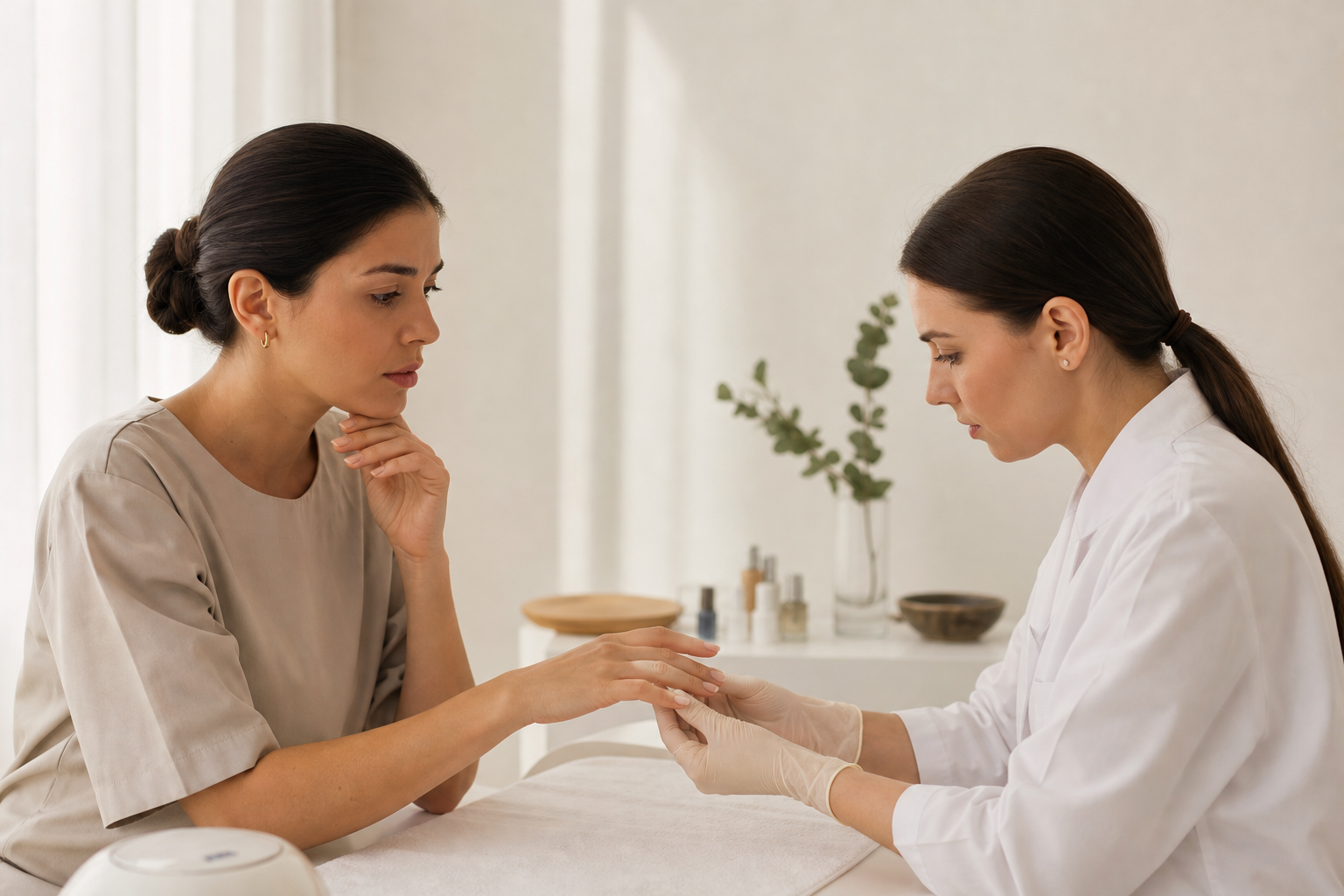
Professional consultation is particularly advised when changes in nail condition accompany discomfort or visible abnormalities. A nail technician or dermatologist can evaluate potential underlying issues such as infections, dermatologic conditions, or trauma, recommending safe shaping options or medical interventions as needed.
Best Practices for Safe Shaping and Ongoing Maintenance of Each Nail Form
Ensuring safety and longevity of manicures starts with proper shaping techniques customized to each nail form. Using appropriate filing tools—preferably glass or fine-grit emery boards—and performing filing in a single direction preserve the structural integrity of the nail edge, preventing splitting and peeling.
Almond and oval nails require careful tapering and consistent edge rounding to avoid weak points, while square and squoval shapes benefit from precise corner refinements to reduce snagging. Avoiding excessive filing, keeping nails at manageable lengths, and regular moisturizing of the cuticle and surrounding skin help maintain the protective sheath around the nail plate.
For those employing enhancements such as gels or acrylics, professional application and removal are essential to prevent damage. Overly aggressive buffing or incorrect product use can thin the natural nail, compromising all shapes similarly.
Monitoring nail health entails vigilance for signs of fungal infections, discolorations, or pain, which necessitate pausing any cosmetological treatment and seeking professional advice. Choosing nail shapes that match personal health and activities is itself a preventive measure supporting long-term nail wellness.