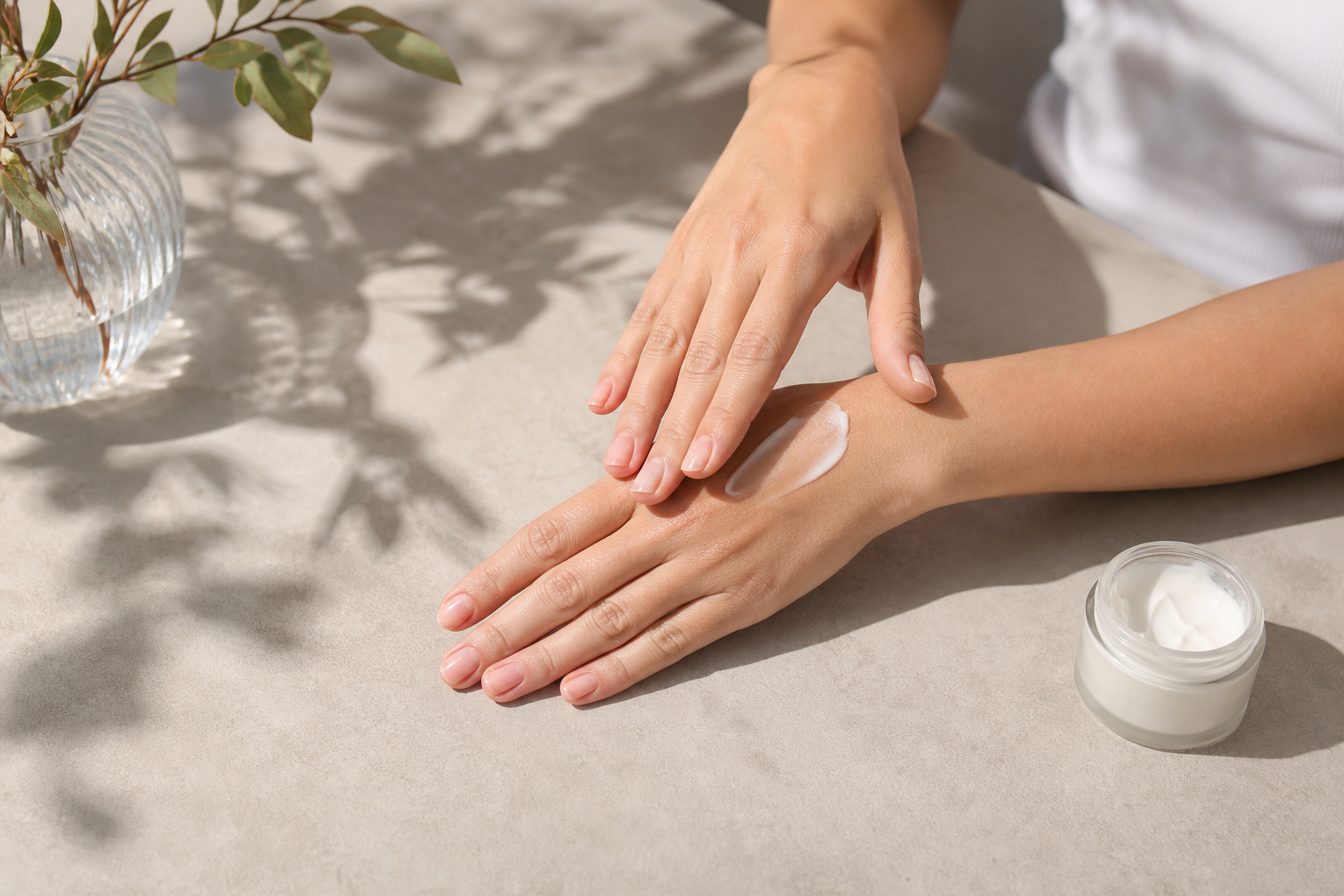
Natural nails are a reflection of both health and the attention we dedicate to hand care. For many individuals, well-maintained natural nails transcend aesthetics to symbolize personal hygiene and wholesome lifestyle habits. This subject holds particular significance for those who desire to preserve the optimal condition of their nails without resorting frequently to more aggressive interventions such as artificial extensions or gel enhancements.
Dedication to natural nail care involves several facets — from maintaining proper hygiene and protecting the nail plate, to carefully shaping the nails, addressing the cuticles, and caring for the skin of the hands. Nail and hand care is not solely about appearance; it also plays a critical role in preventing damage like breakage and peeling that can escalate into more serious issues requiring medical attention.
This editorial aims to explore practical and realistic approaches to daily natural nail and hand care, offering evidence-based advice without unfounded promises. It will delve into common challenges such as nail weakness and fragility, along with strategies to alleviate such concerns effectively. In addition, the often-overlooked area of cuticle care will be addressed, emphasizing its importance for visibly improved, healthier hands.
The Biology of Natural Nails and Their Common Vulnerabilities
Comprised primarily of keratin, natural nails present a delicate balance between strength and susceptibility. This tough protein structure imparts resilience; however, nails remain prone to becoming thin, brittle, or prone to splitting under certain conditions. Nutritional deficiencies, prolonged exposure to moisture, and contact with harsh chemicals commonly contribute to this fragility. Furthermore, improper maintenance techniques can exacerbate these weaknesses.
Proper understanding of nail biology helps inform effective care routines. The nail plate’s layered composition means that any aggressive handling — including improper filing or clipping — can cause the layers to separate, leading to chipping or peeling. Recognizing these key vulnerabilities guides users in adopting gentler, more protective practices.
Natural nails also respond to environmental stresses and lifestyle factors. Frequent water immersion softens nails temporarily but repeated or extended exposure without restorative care can diminish their integrity over time. Chemical irritants, as found in many household cleaners, erode both the nail plate and surrounding skin, making protective measures essential.
Fundamentals of Shaping and Filing Natural Nails to Preserve Integrity
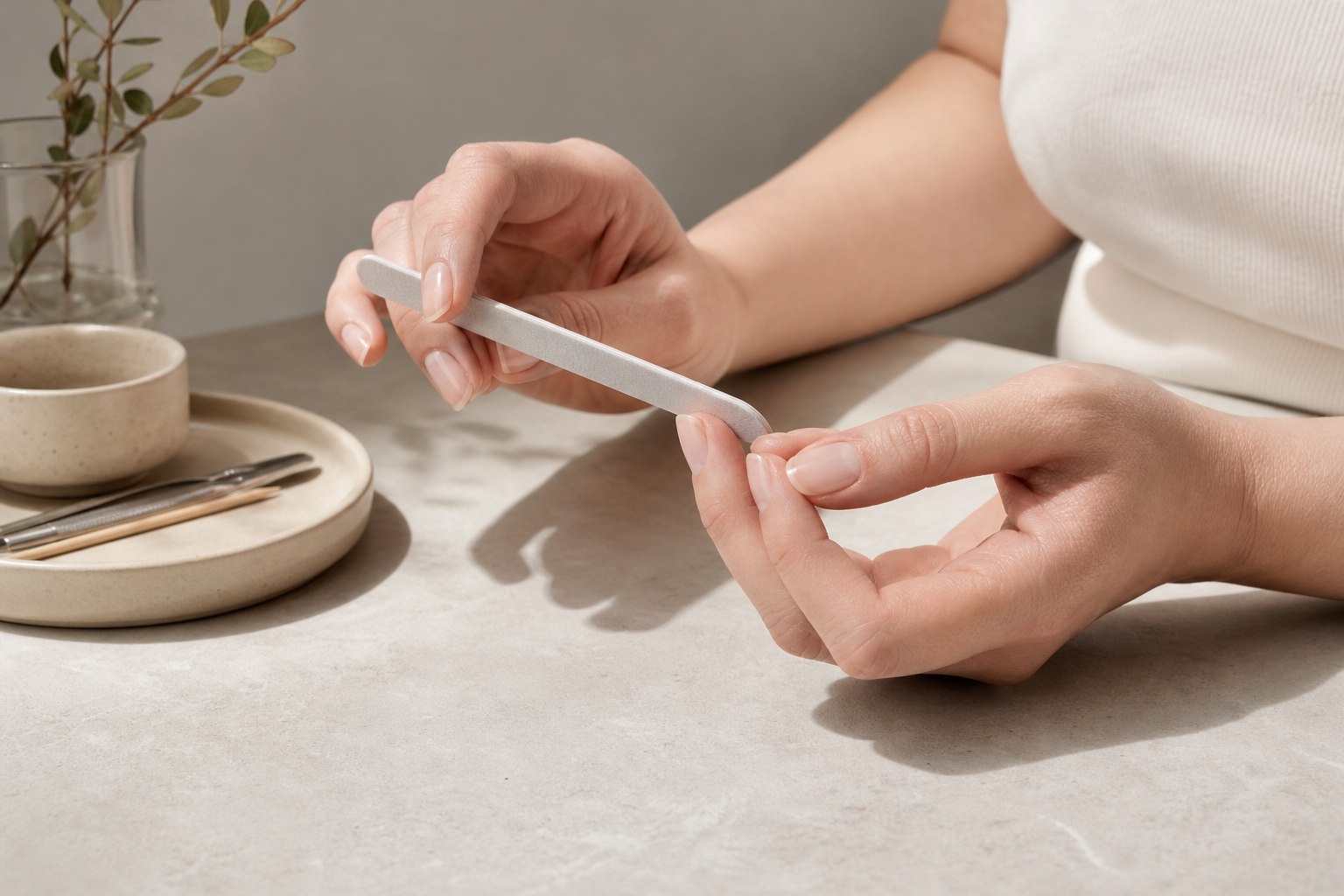
The act of shaping natural nails, while seemingly straightforward, requires deliberate technique to safeguard the nail structure. Using a fine-grit nail file (ideally 240 grit or finer) is key to minimizing micro-tears and delamination. Coarser files or metal variants can cause rough edges and compromise the nail’s cohesion.
Technique is equally important: filing should proceed in a single directional stroke rather than the damaging back-and-forth motion that weakens nail edges. Gentle pressure and patience ensure smoother nail tips and a reduced risk of breakage. Maintaining a moderate nail length prevents undue stress at the tips, where nails are most prone to cracking.
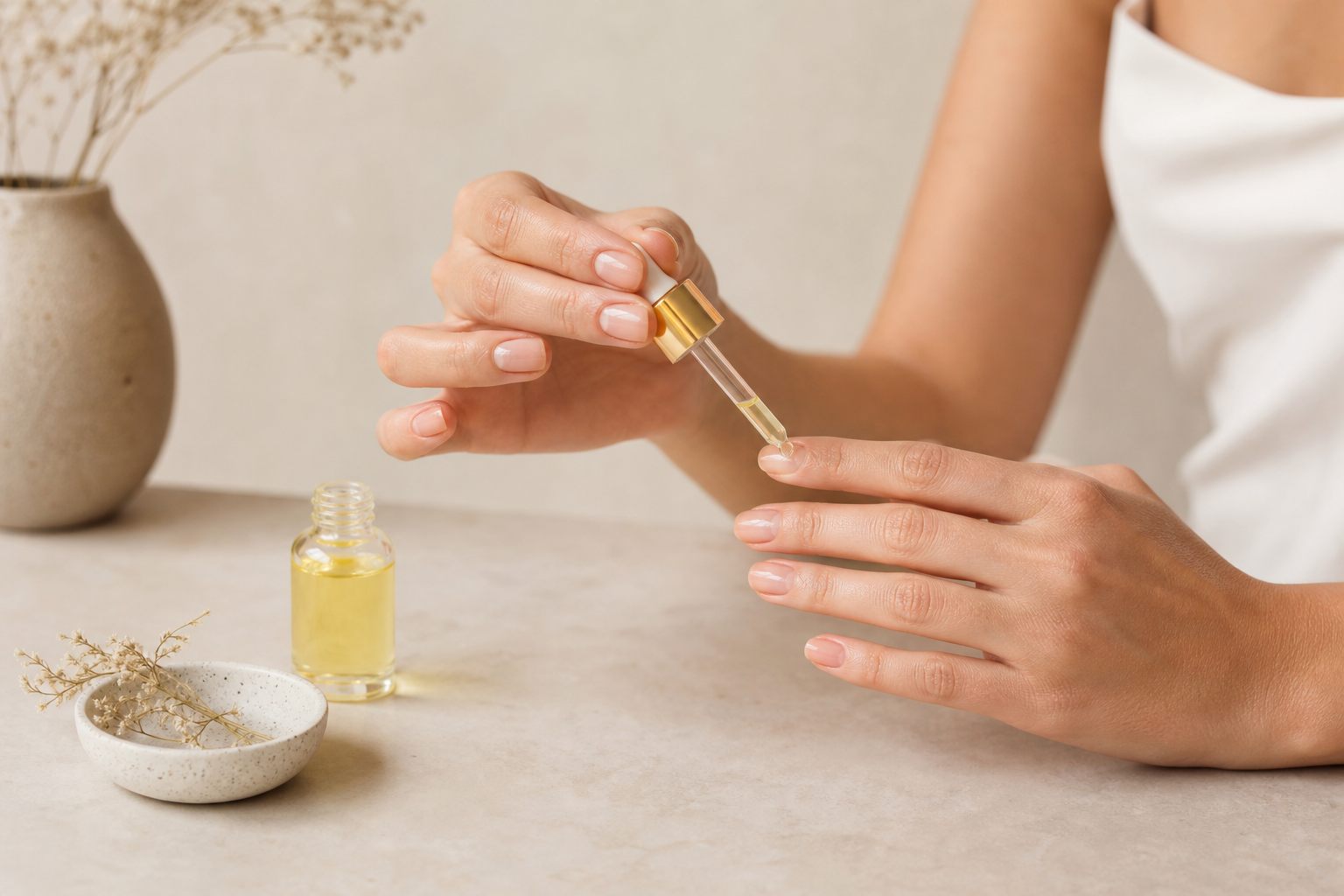
After filing, treating the nails with nourishing oils not only conditions the cuticle area but also aids in sealing moisture into the nail plate to promote flexibility and strength. This step complements the mechanical care with biochemical support.
Effective Cuticle Care as a Cornerstone of Hand Health and Aesthetics
Cuticles serve as essential protective barriers that prevent bacteria and fungi from entering the nail matrix, which can cause infections if compromised. Despite their critical role, cuticles are often neglected or improperly handled, sometimes trimmed or forcibly pushed back without preparation, leading to irritation, inflammation, and possible conditions such as paronychia.
Proper cuticle maintenance begins with softening procedures, typically through the application of nourishing oils or emollient balms, ideally after warm water exposure when skin pliability is increased. Following this, gentle pushing back using wooden sticks designed for manicure purposes can help maintain a neat nail appearance without harming the tissue.
Importantly, aggressive cutting or removal of cuticles at home is discouraged unless performed by trained professionals. When the cuticle is damaged, it loses its protective function, leading not only to aesthetic deterioration but genuine health risks.
Addressing Nail Fragility and Common Deficiencies with Targeted Nutrition
The systemic health of nails is closely linked to dietary intake. Deficiencies in vitamins such as A, C, and E, along with minerals like zinc and the B-complex vitamin biotin, compromise keratin production and overall nail robustness. Clinical observations frequently correlate low nutrient levels with signs of brittle or fragile nails.
A balanced diet rich in colorful fruits, vegetables, nuts, seeds, and quality protein provides the necessary substrates for nail regeneration and resilience. Hydration also plays a vital role; adequate water intake maintains the flexibility and moisture content within the nail matrix and surrounding skin.
While topical supplements like calcium-infused creams or keratin serums may complement dietary adequacy, their efficacy depends on consistent, extended use. These products are not immediate remedies but support the ongoing restoration of compromised nail tissue alongside systemic nutrition.
Protecting Nails and Skin: Practical Strategies Against Chemical and Environmental Stressors
Environmental assaults such as cold air, frequent water exposure, and household chemicals are relentless adversaries to nail and skin health. Protective barriers formed by gloves during cleaning tasks and manual labor reduce direct contact with irritants and drying agents.
Additionally, choosing gentle, pH-balanced hand soaps free from harsh detergents or fragrances minimizes epidermal disruption. Following cleaning, prompt application of hydrating hand creams or occlusive balms supports the skin’s barrier function, preventing moisture loss and epidermal cracking.
Seasonal adaptations, like richer formulations during colder months, counteract the drying effects of low humidity and cold winds. Moreover, sunscreen products for hands, often overlooked, play a preventative role in safeguarding skin from photoaging and pigmentation changes.
Integrating a Sustainable Daily Nail and Hand Care Routine
An effective long-term plan for maintaining natural nails involves simple, repeatable steps incorporated into everyday life. Initiating the morning with hydrating hand lotions combined with cuticle oils prepares the skin and nails for the day’s challenges.
Routine care also includes weekly gentle filing and moisturizing sessions, engaging in a nurturing pampering that supports nail strength and skin softness. Avoiding nail products with excessive chemical components or artificial enhancements aligns with preserving natural integrity.
Mindfulness about hand hygiene, complemented by protective behaviors and consistent nourishment, creates an environment where natural nails can thrive without undue stress or damage.
Choosing the Right Products: Ingredients That Support Nail and Hand Wellbeing
Selecting care products tailored to natural nails and skin involves prioritizing formulations enriched with natural oils such as jojoba, sweet almond, and avocado which offer deep hydration and barrier repair. Vitamins E and B5 (panthenol) fortify cellular metabolism and tissue regeneration.
For challenging cases like brittle nails, treatments incorporating keratin peptides and calcium complexes provide structural support. However, realistic expectations are essential: such products aid gradual improvement and require patience.
Avoidance of irritants like formaldehyde, toluene, and harsh solvents common in many synthetic nail polishes also preserves nail health. Opting for fragrance-free and hypoallergenic hand creams reduces risks of contact dermatitis, particularly for sensitive skin.
Promoting Healthy Hand Habits Beyond Aesthetic Care
Comprehensive attention to hand health transcends superficial appearance. Simple habits such as avoiding nail-biting, refraining from using nails as tools, and regularly moisturizing foster an environment where natural nails can maintain their strength and skin elasticity.
Recognizing signs of potential problems early, including persistent redness, swelling around cuticles, or nail discoloration, supports timely medical evaluation to rule out infections or systemic issues.
Adopting protective and nurturing habits contributes not only to the visible elegance of hands but also to underlying tissue resilience and comfort in daily function.