Cuticle oil has become an indispensable element in the daily care regimen for natural nails, forming a cornerstone of meticulous and professionally guided hand and nail maintenance. For anyone invested in enhancing the quality of their manicure routine—whether a seasoned salon professional or an individual tending nails at home—understanding the proper application and realistic benefits of cuticle oil is essential. This product serves a vital role far beyond cosmetic enhancement, offering functional support to maintain the suppleness and health of the skin around nails, preserve the integrity of the nail plate, and prevent the discomfort that comes with dry, cracked, or inflamed cuticles.
Though often overlooked, cuticles are a natural protective barrier crucial in guarding the growing nail from infections and inflammation. Neglect or improper care can lead to painful splitting, sensitivity, and difficulties during manicure procedures. Cuticle oil functions as more than a mere beauty accessory; it creates the optimal conditions for healthy nail growth while reducing the risk of complications.
This article provides a detailed exploration into how cuticle oil works, practical guidance on its proper usage, realistic expectations alongside its limitations, and advice on when to seek professional consultation. By offering concrete, expert-driven information, this discussion enables readers to select effective products that not only meet but exceed expectations, establishing cuticle oil as an invaluable ally in everyday nail care.
The Mechanism and Essential Role of Cuticle Oil in Natural Nail Care
Cuticle oils are formulated from carefully chosen botanical extracts and nourishing oils abundant in essential fatty acids, vitamins, and antioxidants. Their action centers on deeply hydrating and restoring damaged skin, directly addressing problems such as dryness and cracking around the nail plate. Regular use also enhances microcirculation in the fingertip area, promoting stronger and healthier nail growth.
Effective oils commonly contain ingredients like vitamin E, avocado oil, jojoba oil, almond oil, and argan oil. Each component plays complementary roles: vitamin E fortifies cellular membranes, while plant-based oils nourish the skin, soothe irritation, and replenish the natural lipid barrier. The primary function of cuticle oil is to prevent moisture loss from the cuticle skin and restore the natural lipid layer that protects both the nail and surrounding tissue.
It is important to clarify that cuticle oil is primarily a preventive and maintenance product, not a treatment for acute infections or severe inflammation. Optimal placement within a nail care routine occurs post-hand washing and around manicure sessions. Application involves dispensing a small amount and massaging gently to ensure full absorption, substantially supporting long-term skin and nail health.
Practical Techniques and Frequency of Cuticle Oil Application for Optimal Outcomes
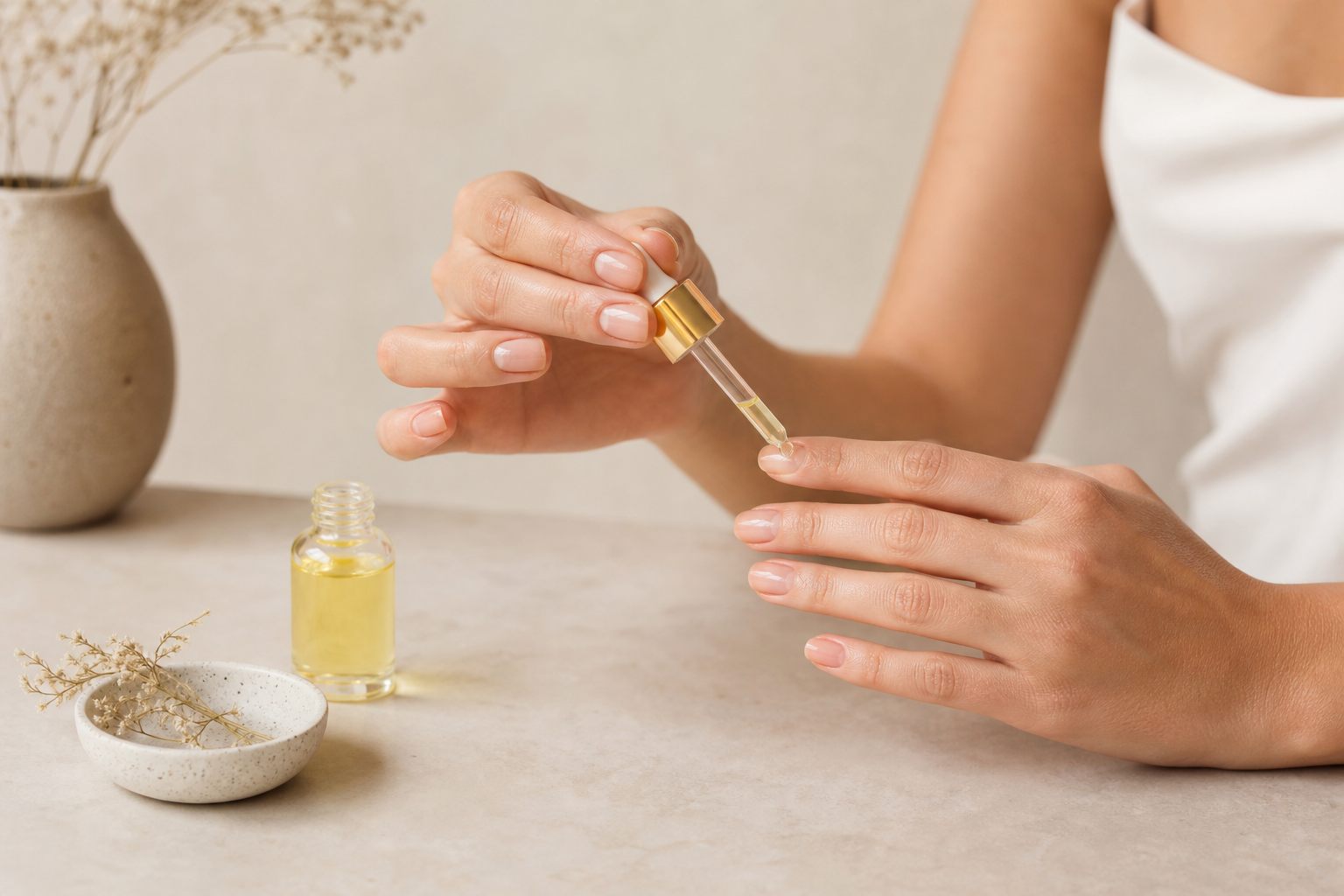
Maximizing the benefits of cuticle oil depends largely on consistency and correct technique. Application should take place on clean, dry cuticles—ideally immediately after thorough hand hygiene. A drop per nail suffices; this should be softly rubbed using circular motions to cover the edges and surrounding skin without excess residue. This process not only ensures nutrient delivery but also offers a relaxing stimulation that improves local circulation.
Frequency recommendations fluctuate depending on individual skin condition and environmental exposure. For those experiencing severely dry or cracked cuticles, twice daily application—morning and evening—is advised. Others may find once daily or use as needed sufficient. Over-application can impair absorption of other hand care products and create unwanted greasiness, so moderation is key.
Applying a hand cream after the oil has absorbed enhances protection, especially in colder seasons when external dryness escalates. Cuticle oil acts as a foundational product, amplifying the efficacy of subsequent moisturizers and treatments.
Understanding Realistic Effects: What Cuticle Oil Can and Cannot Achieve
While marketing often suggests near-instantaneous repair from cuticle oils, discerning users should understand the distinction between ongoing care and medical treatment. Cuticle oil excels at softening skin, promoting hydration, and protecting against daily wear but does not cure infections, eradicate established inflammation, or remedy conditions like ingrown nails or bacterial colonization.
Chronic cuticle damage or persistent inflammation may require integrated care involving professional nail shaping, shielded hand exposure from harsh chemicals or wetness, and possible medical intervention. Genetic predisposition, allergies, or autoimmune issues can further complicate cuticle health beyond the scope of topical oils alone.
True results from cuticle oil emerge through regular, targeted use, reflected in improved softness, minimized tightness, and comfort at the nail periphery. Sporadic or incorrect application undermines these benefits, limiting perception of the product’s potential.
Limitations and Safety Concerns When Using Cuticle Oil Products
Cuticle oil safety hinges on product composition and individual skin sensitivities. Selecting oils with pure, natural ingredients free from synthetic fragrances and parabens minimizes risk of irritation or allergic reactions—particularly for the delicate skin adjacent to nails.
Individuals with known dermatological conditions or allergies should patch-test oils on a small skin area before widespread use. Any emergence of redness, itching, burning, or discomfort necessitates immediate cessation and consultation with a dermatologist.
Application on damaged skin—such as open sores, deep cracks, or wounds—should be avoided, as it may aggravate problems or spread infections. Professional manicurists emphasize diligent hygiene prior to oil application and strongly discourage habits like cuticle biting or picking, which counteract skincare benefits.
When used appropriately, cuticle oil constitutes a safe and effective component of the nail care arsenal.
Tailoring Cuticle Oil Choices to Specific Skin Types and Cuticle Conditions
No single cuticle oil formula suits all skin types or conditions. Thin, dry skin benefits from richer oils like avocado and argan for sustained hydration and regeneration. Those with oily skin or allergy sensitivity may respond better to jojoba or almond oils known for rapid absorption and low irritation potential.
Essential oils such as lavender or tea tree are often included for antibacterial and calming properties but carry a risk of sensitization in susceptible individuals. Caution should guide their use.
In cases of severely damaged or cracked cuticles, formulations fortified with vitamins A or D may be recommended but only under professional supervision, ensuring tailored treatment that avoids adverse dermatological responses.
For maintaining balanced, healthy cuticles, oils with transparent, non-occlusive textures that allow skin breathing and natural moisture regulation are preferable.
Enhancing Cuticle Oil Effectiveness Through Complementary Nail Care Practices
Cuticle oil application yields superior results when integrated with simple complementary habits. Massaging the oil while gently pushing back cuticles using an appropriate tool stimulates blood flow and facilitates deeper ingredient penetration.
Wearing cotton gloves post-application can prevent product loss through friction on clothing or objects, thereby conserving the oil’s efficacy. Additionally, minimizing hand exposure to extreme temperatures and harsh waters helps maintain skin hydration and oil benefit longevity.
Adjusting oil quantity and frequency seasonally and responding to individual skin changes ensures sustained cuticle nourishment. Periodic consultations with nail care professionals or dermatologists provide personalized guidance, enabling preemptive resolution of issues and proper product selection.
Allocating time for regular cuticle oil treatment fosters durable nail and skin beauty, supporting a professional and neat manicure appearance without damage or discomfort.