Manicure photography is a specialized art form that goes beyond simply snapping pictures of colorful nails. It requires a blend of technical photography skills and a refined aesthetic sense to truly capture the natural beauty and elegance of hands adorned with freshly polished nails. This discipline is particularly important for nail artists, salon professionals, photographers, and enthusiasts who want to showcase their manicures authentically and attractively on social media, portfolios, or promotional materials.
Successfully photographing manicures involves more than highlighting the varnish color or nail art patterns; it demands creating a harmonious image where the health and texture of the skin, the grace of hand poses, and the quality of lighting collectively contribute to a believable and pleasing portrayal. Achieving such images not only enhances the perceived value of the manicure itself but also builds trust with prospective clients or followers by remaining true to natural appearances.
This editorial will present comprehensive, practical guidelines centered around capturing high-quality, natural photographs of hands and nails. It takes a holistic approach addressing preparation, lighting, posing, composition, camera settings, gentle photo editing, and consistency in style—each step crafted to maintain authenticity without skewing proportions or colors. Readers can expect expert insights tailored to elevate their manicure photography to professional standards without losing the innate charm of natural hands.
Meticulous Preparation of Hands and Nails as the Foundation for Authentic Photography
Before even reaching for the camera, the groundwork for compelling manicure photographs lies in the careful preparation of the hands themselves. The condition of the skin and nails plays an outsized role in how natural and appealing the final images will appear. Cleanliness, hydration, and grooming are non-negotiable starting points.
Hydrating the hands and cuticles before shooting minimizes the visual distraction of dryness, fine lines, and uneven texture. Lightweight, fast-absorbing oils or balms work best to impart a healthy sheen without unwanted glossiness or greasiness on the skin's surface, ensuring the hands look fresh but not oily under the lens.
Regarding the nails, the manicure must be flawless from every angle. This includes smoothing out any uneven polish application, eliminating smudges, chips, or bubbles, and ensuring the edges and cuticles are neat without raggedness. Overly thick layers of nail polish or heavy top coats can reflect light excessively, leading to glare spots that diminish the natural appeal in photographs.
Preparing nails under natural light conditions helps verify that colors and textures are rendered realistically. This means examining the polish in daylight before shooting so that the final image represents the manicure's true aesthetic.
The Role of Natural Lighting in Enhancing Subtle Details and Skin Tones
Lighting is arguably the most critical technical factor in photographing manicured hands. Natural light stands out as the preferred source because it faithfully renders the delicate hues of nail polish and the gentle gradations of skin tone without color distortions common with artificial lighting.
The optimal times for using natural light are during early morning or late afternoon, when sunlight has a soft, warm quality that complements skin surfaces and enriches the manicure's vibrancy. Shooting near large windows with indirect sunlight allows for even illumination that avoids harsh shadows or overexposed highlights.
To further moderate contrast and diffuse brightness, reflective surfaces such as white foam boards, curtains, or dedicated photographic reflectors can redirect light subtly onto the hands. This technique balances shadows and highlights by filling them in where needed, producing a smooth, flattering effect that accentuates the nails' features and preserves natural textures.
Conversely, avoiding direct midday sunlight or artificial cool-toned bulbs is crucial. These lighting conditions can cause excessive glare, cast distracting shadows, and wash out colors, reducing the authenticity and warmth critical to natural manicure images.
Hand Posing Strategies for Conveying Elegance and Effortless Femininity
The way hands are posed during photography profoundly shapes the perception of the manicure and the emotional tone of the image. Natural, relaxed positions evoke softness and elegance, while rigid or overly staged poses may appear awkward or artificial.
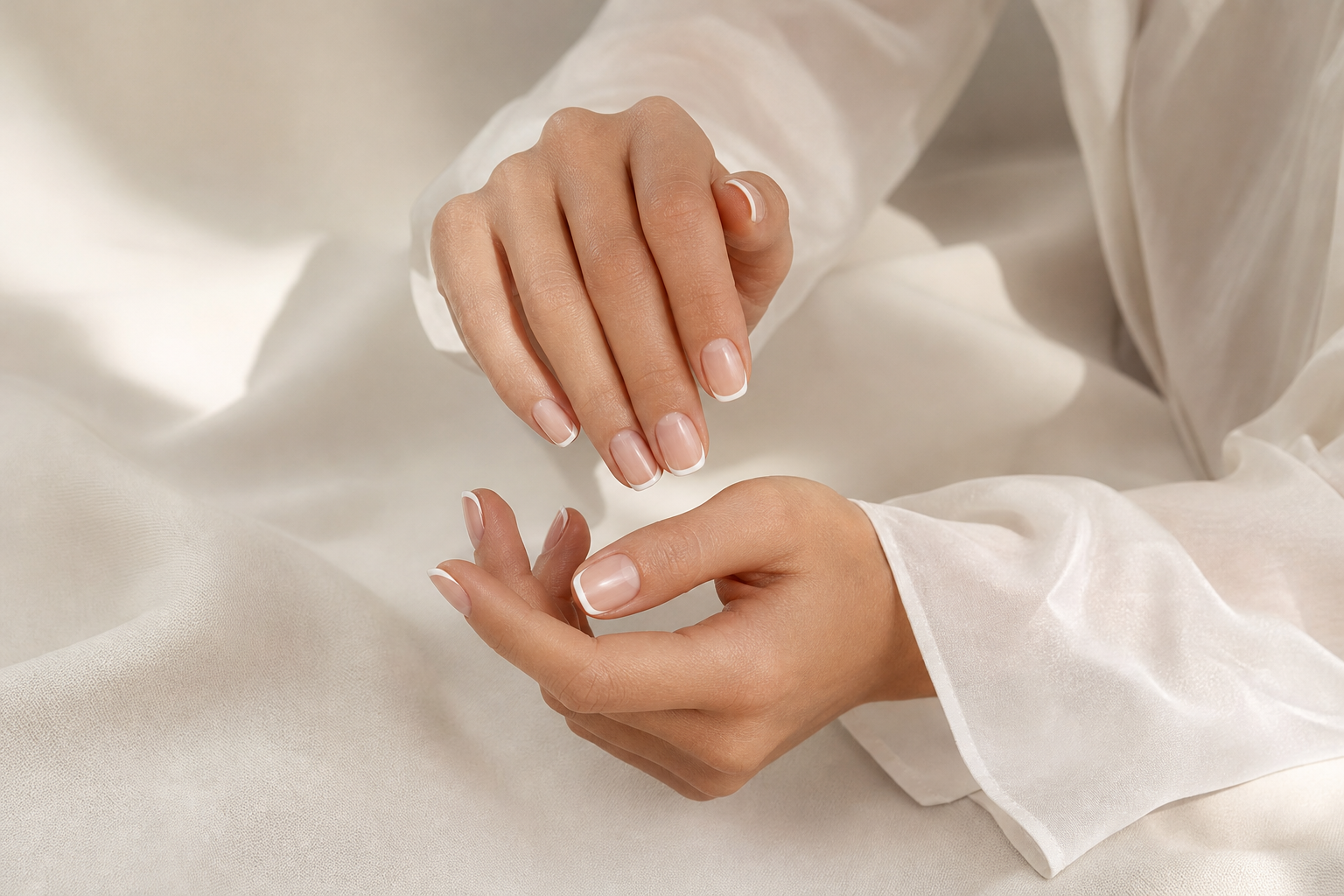
Avoid tension in fingers and hands. A slight separation between fingers, with gentle bends rather than stiff straight lines, maintains a fluidity that enhances visual appeal. Placing the hand on a neutral or softly textured surface can add stability and comfort to the pose while allowing subtle finger curves to show off nail length and shape.
Incorporating gentle rotation of the wrist or subtle overlap of fingers can bring dimensionality to the composition. Props like delicate flowers, fine fabrics, or minimalist jewelry often complement the natural theme by adding context and texture without dominating the frame.
Careful positioning also helps control shadows, preventing them from obscuring important nail details. This thoughtful approach to posing ensures the manicure remains the focal point presented in its best possible light.
Precise Framing and Composition to Emphasize Manicure Details
Effective framing directs the viewer’s attention exactly where it is most deserved—the nails themselves. Centering the nails, or placing them according to the rule of thirds, creates a balanced and visually appealing image with a sense of professional polish.
Selective use of negative space around the hands enhances the manicure’s prominence, drawing the eye toward the polished fingertips. Simplifying backgrounds to single, unobtrusive tones avoids visual clutter that might compete with the manicure for focus.
Capturing close-up shots with sharp focus on the nails heightens the detail of polish texture, nail shape, and design intricacies. At the same time, including portions of the hand and wrist provides essential context and scale, making the image relatable while honoring the natural appearance of the hand.
Dynamic compositions may involve slight angling of the hand or creative cropping to add depth and visual interest without sacrificing clarity of the manicure.
Camera Settings and Techniques for Crisp, Color-Accurate Nail Images
While modern smartphones boast impressive capabilities for manicure photography, understanding and controlling basic camera settings enhances quality and professionalism. Maintaining stable focus is critical to capture the intricate details of nail polish and nail art with clarity.
A low ISO setting minimizes digital noise, preserving crispness and tone fidelity, especially in well-lit environments. Setting exposure to balance brightness without overexposing highlights or darkening shadows maintains natural color rendition.
To prevent motion blur, using a tripod or resting the camera on a steady surface stabilizes shots. Employing the device’s timer or remote shutter release further reduces unintended camera shake—an advantage when precision is paramount.
Manual white balance adjustments or utilizing camera apps with advanced controls ensures that colors in the photo match what is seen by the naked eye, preventing blue or yellow tinting that artificial automatic settings sometimes introduce.
Subtle Photo Editing to Refine without Compromising Authenticity
Post-processing is an important phase but should be used sparingly to keep the natural look intact. Adjustments to brightness, contrast, and sharpness can subtly enhance detail visibility and visual impact without artificial overstatement.
Color correction tools help affirm the true shade of nail polish and the skin’s natural complexion, particularly across a series of images meant for professional presentation. Removing minor blemishes, such as dust particles or tiny specks, is acceptable, but altering the shape or proportions of fingers and nails risks misrepresenting the genuine results of the manicure.
Retouching tools focused on smoothing skin must be applied carefully to avoid a plastic or unnatural façade. The goal is to celebrate natural texture and healthy skin tone rather than creating an unrealistic ideal.
Maintaining Visual Consistency for a Professional Manicure Portfolio
For nail artists and salons, presenting manicures consistently elevates brand identity and instills confidence in viewers. Consistent use of lighting style, background, hand poses, and editing style across images fosters a cohesive and polished portfolio.
This uniformity facilitates clearer communication of skill level and aesthetic preferences while making it easier for potential clients to appreciate and trust the quality of work shown. Variations in style or image quality across photographs can create confusion or suggest a lack of professionalism, even if the manicures themselves are excellent.
Planning photo sessions with standardized setups and shooting protocols helps streamline this process, resulting in a reliable visual language that supports effective promotion and client engagement.
The Impact of Choosing a Skilled Technician and Hygienic Salon on Photographic Outcomes
Behind every exceptional manicure photo lies a well-executed manicure by a competent professional in a clean, safe environment. Selecting a qualified nail technician ensures that nail and skin health is preserved, rough cuticles are minimized, and polish application is precise and durable.
Proper hygiene practices, including sanitization of instruments and client care, contribute to a healthy appearance in the final images. Neglected cuticles, uneven nail shape, or polish mistakes are difficult to conceal photographically and can diminish the image's impact.
Regular maintenance appointments and proper at-home nail care between manicures prolong the manicure’s lifespan and visual appeal, supporting ongoing high-quality photographic documentation.