Natural nails serve as a resilient shield and an aesthetic frame for our fingertips, enduring daily exposure to environmental elements, household chemicals, and the physical abrasion of everyday tasks. Among the essential routines that contribute to healthy nail maintenance, proper filing stands out as a critical practice that, when done correctly, prevents the common and frustrating issue of peeling nails. Peeling, or onychoschizia, not only weakens the nail structure but also undermines its appearance, often resulting from mechanical damage such as improper filing techniques.
This comprehensive guide aims to equip both novices taking up at-home nail care and those experienced in manicures with a precise understanding of how to file natural nails effectively to minimize peeling. Whether you struggle with fragile nails prone to layer separation or simply desire a more refined technique, learning the nuances of nail filing is indispensable for preserving nail health and achieving an elegant finish. Additionally, this discussion highlights realistic expectations about what filing can achieve, outlines safe practices, and advises when professional consultation is warranted.
Nail filing may appear straightforward, yet the details—ranging from the selection of the right tool to the direction and pressure of filing strokes—significantly influence outcomes. By mastering these subtleties, individuals can maintain strong, smooth nails without resorting to invasive treatments or encountering setbacks such as split or uneven nails.
The Anatomy of Natural Nails and the Causes of Peeling
A clear grasp of nail anatomy lays the foundation for understanding why peeling occurs and how filing impacts nail health. The natural nail primarily comprises keratin, a fibrous protein that forms densely packed layers creating a protective plate. Healthy nails present as solid, uniform, and resilient, lending themselves well to shaping and maintenance procedures.
Peeling typically results from the separation of these keratin layers, manifested as thin, flaking sections that easily chip or split. Contributing factors include excessive moisture exposure, frequent contact with detergents and solvents, nutritional deficiencies, and, crucially, mechanical stress caused by unsuitable filing methods. When a nail is improperly filed—particularly with abrasive materials or incorrect motions—the keratin layers may weaken or separate, exacerbating peeling tendencies.
Choosing an appropriate filing technique and tool is therefore integral to disrupting this cycle. Effective filing removes only the necessary material to shape and smooth the nail edge, avoiding aggressive abrasion or tugging that could damage the nail plate’s integrity. Correct filing preserves the nail’s natural defenses and supports a smoother, longer-lasting appearance.
Selecting Suitable Nail Files to Protect Natural Keratin Layers
The market offers a broad spectrum of nail files, differing in material, grit, shape, and coarseness. For natural nails, selecting a delicate yet efficient file enhances care while reducing the risk of peeling and splitting. The ideal file balances sufficient abrasiveness to shape nails promptly with gentleness to protect structural layers.
Files with a grit rating between 180 and 240 are widely recognized as optimal for natural nails. These medium to fine grits allow gradual shaping without excessive keratin removal. In contrast, coarse files designed for acrylic or gel nails possess abrasive surfaces too harsh for natural nails and may cause microtears or undermine the nail plate’s cohesion.
Additionally, the file’s material influences filing quality and tactile feedback. Glass or crystal files, for instance, offer a refined, smooth filing experience with micro-fine abrasiveness, minimizing trauma to nails. Paper-based emery boards with fine grit also serve well for everyday filing. Metal files, due to their durability and sharpness, often lead to unintentional over-filing and increased peeling risk, making them unsuitable for routine natural nail care.
Using a dedicated file exclusively for natural nails further safeguards against cross-contamination and bacterial transmission, which can deteriorate nail health and hinder recovery.
Executing Filing Techniques That Minimize Mechanical Stress and Damage
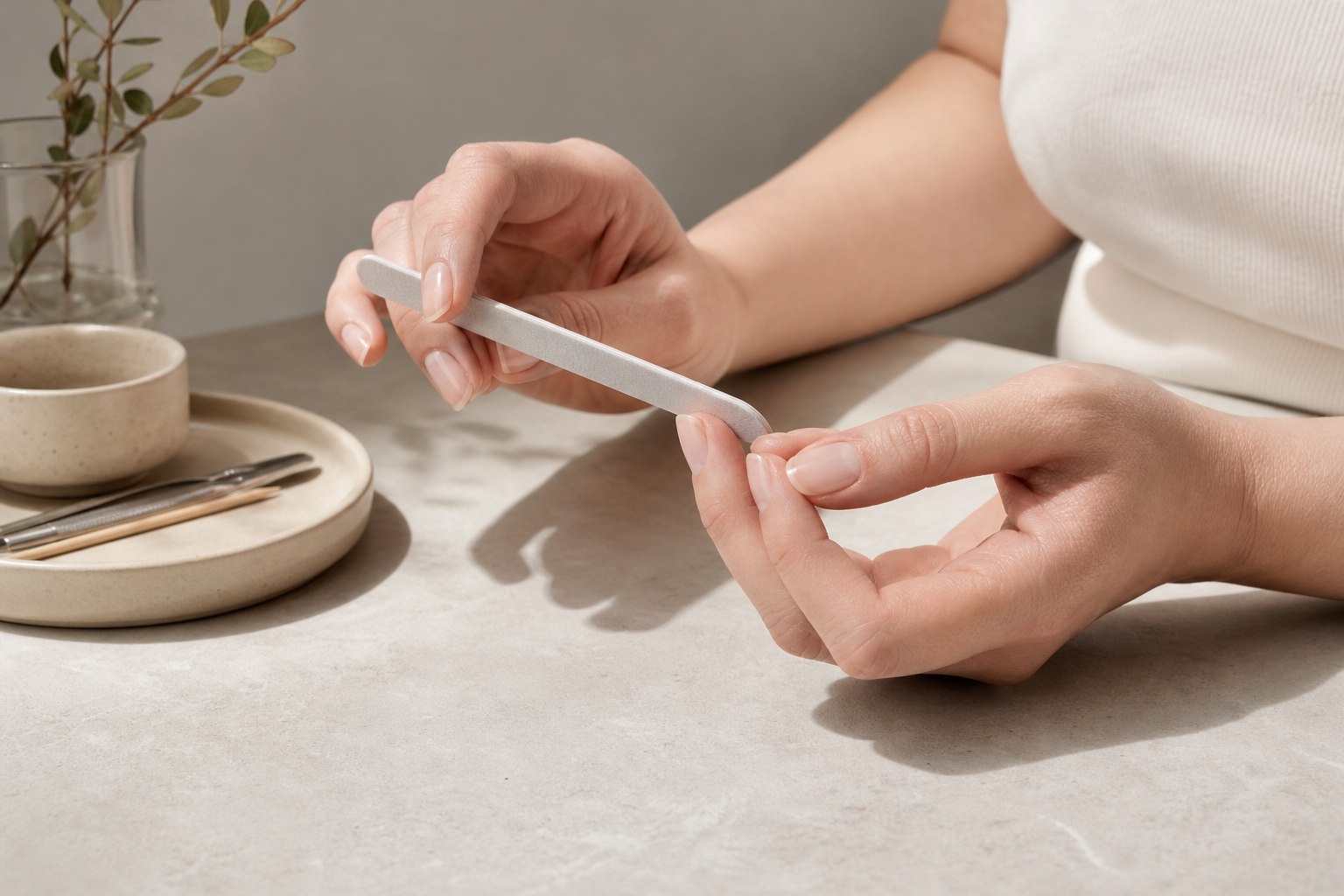
Technique governs whether filing helps or harms natural nails. The cardinal rule is to file nails in one consistent direction rather than employing a back-and-forth sawing motion. Repeated forward and backward strokes can cause keratin layers to lift and peel, creating rough edges prone to further splitting.
Start filing at the nail tip’s lateral edge, gently moving toward the center, maintaining light pressure. This controlled approach shapes the nail evenly and seals the edges, preventing delicate layers from catching or jagging. The goal is to create a smooth outline that conforms comfortably with finger movements and daily activities.
Concerning nail shape, oval or softly rounded edges tend to reduce the likelihood of snagging and peeling compared to sharp squares or points, which place stress on corner areas. The filing duration should be moderate—an overly prolonged session can thin the nail plate excessively, impairing its strength.
Post-filing, carefully remove filing debris from nail surfaces and cuticles with a soft brush or warm water rinse to eliminate remnants that may irritate skin or invite infection. Proper cleanliness aids in sustaining a healthy nail bed supportive of strong nail growth.
Hydration and Protective Aftercare as Integral Components of Filing Regimens
Effective filing slightly dehydrates the nail plate, as the mechanical action disrupts natural oils and moisture balance. Hence, replenishing hydration is vital to maintain suppleness and reduce brittleness, key factors influencing peeling prevention.
Application of nourishing cuticle oils enriched with vitamins A, E, and fatty acids immediately after filing softens the nail fold and infuses moisture into nail keratin. Massaging the oil in stimulates blood circulation, promoting nutrient delivery to the nail matrix responsible for growth.
Complementing oils with hydrating hand creams containing ingredients like hyaluronic acid and ceramides supports both skin and nail moisture retention. Consistent use forms a protective barrier against environmental aggressors such as cold weather and detergents, which otherwise exacerbate dryness and fragility.
Integrating this hydration-focused aftercare enhances filing benefits, creating a cycle of repair and protection that fortifies nails over time.
Recognizing Limitations and When to Seek Professional Nail or Medical Advice
Although routine filing underpins good nail hygiene, it has inherent limitations when nails are afflicted by disorders beyond mechanical wear. Nails that are exceedingly thin, brittle, or exhibit discoloration warrant evaluation by dermatologists or nail care specialists to diagnose underlying conditions such as infections, dermatological diseases, or systemic deficiencies.
Signs like redness, swelling, or persistent pain around nails also indicate the need for professional intervention before resuming home filing practices. Moreover, individuals with health issues including diabetes or circulatory problems should exercise caution and consult healthcare providers to tailor nail care suited to their circumstances, reducing risk of complications.
In professional nail salons, trained manicurists assess nail health and recommend custom filing strategies aligned with individual nail characteristics. They may also advise supplemental treatments or products that support recovery and reduce the risk of peeling when home care is insufficient.
Long-Term Advantages of Consistent, Gentle Filing on Natural Nail Resilience
Adopting a gentle but consistent filing routine fosters not only immediate cosmetic upkeep but also promotes progressive nail strength and integrity. Regular removal of frayed or splitting edges allows nails to extend healthily without snagging or further splitting. This proactive maintenance supports a sturdier nail plate that endures daily wear with diminished risk of damage.
Through successive care sessions, nails develop enhanced flexibility and a natural sheen attributed to balanced moisture and intact keratin layers. The interplay between shaping and hydration creates an environment conducive to continuous regeneration, keeping nails functional and attractive.
It is vital to align filing frequency with natural nail growth rates, typically around 2 to 3 millimeters monthly, to avoid over-filing or neglect. Establishing an individualized schedule based on personal nail condition ensures sustainable benefits and nurtures confidence in self-care practices.
Advancements in Filing Tools and Techniques for Enhanced Natural Nail Care
Technological innovations have introduced sophisticated filing options, such as electric nail drills with adjustable speed and specialized attachments designed explicitly for natural nail preservation. These devices streamline the filing process, enabling precise material removal with minimal risk of over-filing when operated by knowledgeable users.
While electric tools offer efficiency in salons, they require professional training to avoid inadvertent damage, underscoring their unsuitability for inexperienced home users. Conversely, traditional manual files remain the cornerstone of natural nail care for most individuals, delivering control and delicacy to the filing process.
Combining manual and electric techniques in clinical or spa environments can optimize outcomes, tailoring intervention depth and smoothing effects per nail status. However, the priority remains the preservation of nail health through conservative, attentive filing tailored to individual needs rather than rapid cosmetic alteration.