Understanding what normal healing of the treated area looks like is crucial for anyone undergoing cosmetic or medical procedures such as laser tattoo removal, permanent makeup correction, or pigmentation treatment. These advanced treatments, although effective and generally safe, involve controlled skin injury that initiates a complex, natural healing process. Patients and practitioners alike benefit from a clear, precise knowledge of the healing stages, expected skin responses, and indicators that signify proper progress versus warning signs.
This article is intended for individuals preparing for or recovering from such treatments, alongside professionals who guide their care. It aims to clarify the typical visual and sensory cues during skin recovery, highlight the importance of individualized healing timelines, and explain potential variations based on treatment methods and individual skin characteristics. By unpacking the normal healing trajectory of treated skin, readers can approach recovery with informed confidence, reduce anxiety about transient changes, and recognize when to seek expert advice.
In the realm of laser procedures aimed at pigment alteration or removal, appreciating these healing nuances becomes even more important due to the possibility of pigment shifts, scabbing, or transient inflammation. This awareness supports realistic expectations and optimizes post-treatment care to promote optimal skin restoration.
What Constitutes Normal Healing After Pigment or Tattoo Removal Treatments?
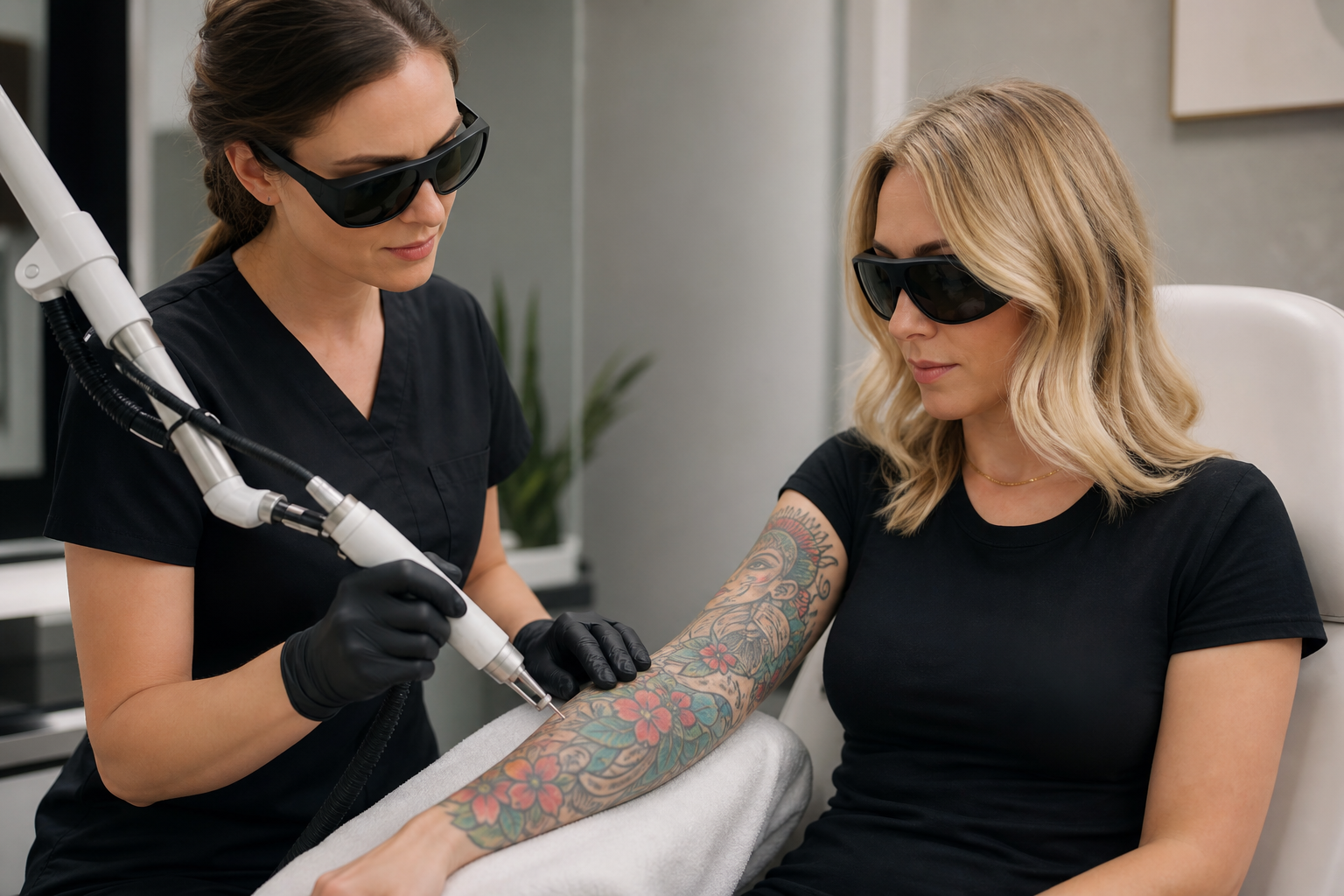
Normal healing of the treated area following procedures like laser tattoo removal or permanent makeup correction is fundamentally a biologic response to controlled skin damage. The laser or other modality targets pigments residing within the dermal layers, fragmenting ink or pigment particles. This disrupts the epidermis and upper dermis, prompting the body’s innate wound repair mechanism.
The initial phase involves an inflammatory response characterized by redness, swelling, warmth, and sometimes mild tenderness. This is the body’s way of isolating and removing damaged cells and fragmented pigments. Subsequent phases include keratinocyte proliferation, tissue remodeling, and gradual restoration of skin integrity and appearance.
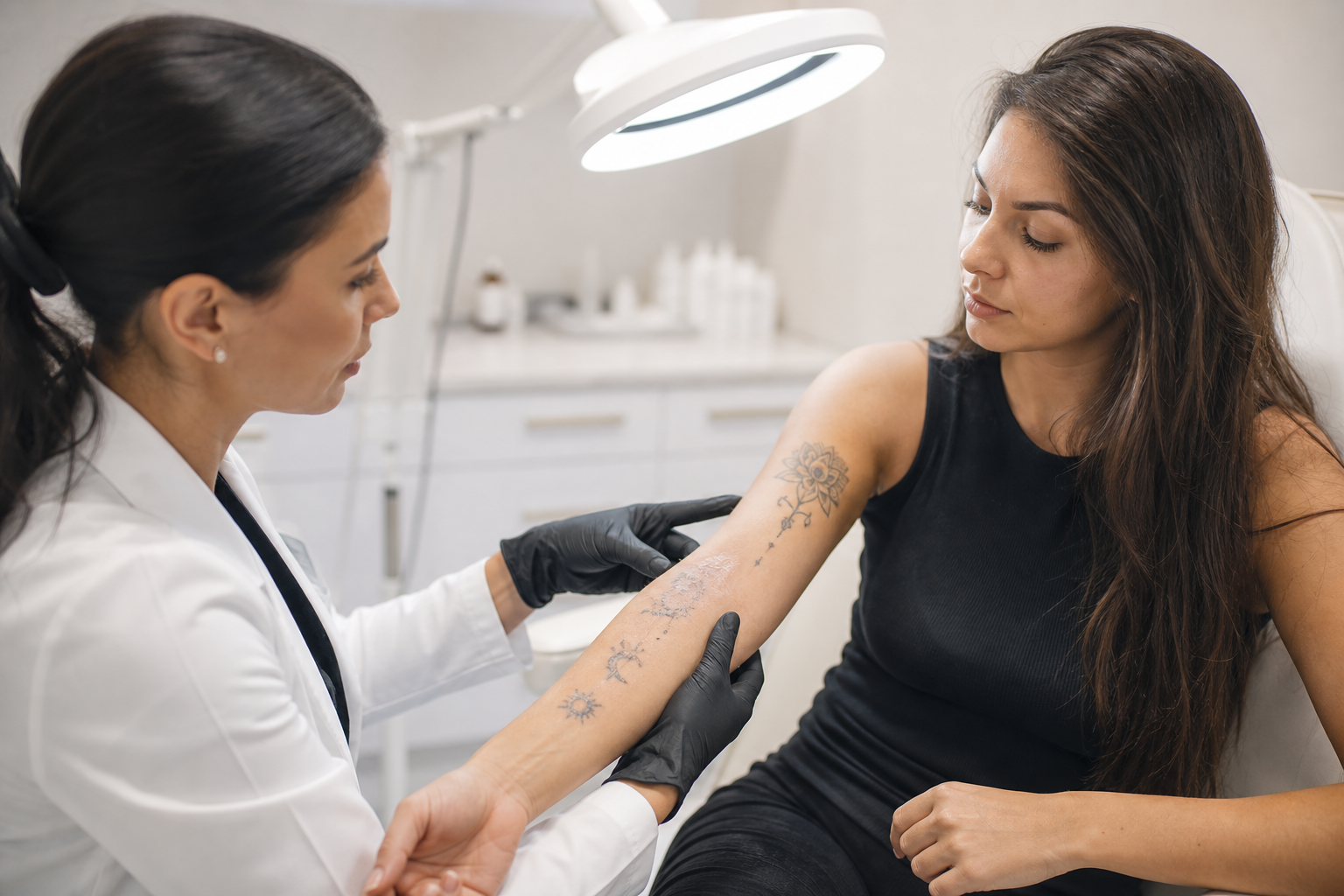
Expected visual manifestations in the treated area during healing range from erythema and edema to superficial crusting, peeling, and, occasionally, transient hyperpigmentation or hypopigmentation. These changes typically fluctuate over days to weeks and signify the skin’s regenerative efforts, not complications.
How Do Individual Skin Characteristics and Treatment Protocols Influence Healing?
One of the critical aspects of normal healing is recognizing that individual skin types, underlying conditions, and treatment parameters profoundly influence the recovery process. Skin sensitivity, melanin concentration, age, and previous skin damage all modulate the speed and quality of healing.
Furthermore, tailored treatment protocols — including test spots, pulse energies, wavelength selection, and session frequency — ensure that the therapeutic dose adequately disrupts pigment while minimizing trauma. Such individualized approaches reduce the risk of unwanted color changes and support smoother healing trajectories.
For example, patients with darker skin tones may be more prone to post-inflammatory hyperpigmentation, warranting more conservative settings and prolonged intervals between sessions. Similarly, an experienced practitioner will often conduct a preliminary test spot to gauge the skin’s reaction prior to full treatment.
What Are the Defining Signs of the Inflammatory Phase of Healing?
The inflammatory phase starts immediately post-treatment and usually lasts for two to three days. During this period, the treated area may appear reddened and swollen due to increased local blood flow and immune cell activity. This can also be accompanied by sensations of heat, slight pain, itching, or tightness.
These symptoms reflect the cleansing and protective functions of inflammation, facilitating removal of debris and preparing the ground for tissue regeneration. It is important to avoid disturbing the area, refrain from applying irritants, and follow cleansing and moisturizing instructions provided by the practitioner.
Notably, in laser pigment removal cases, tiny crusts or scales may form as damaged skin cells are shed. This is a normal part of the turnover process, and premature removal or picking can disrupt healing and increase scarring risk.
Why Does Skin Peeling Occur, and What Color Changes Might Appear?
Peeling of the treated skin is a natural sequela as the epidermis renews itself post-intervention. It often manifests several days after treatment, reflecting the shedding of damaged superficial cells that contain fragmented pigment or laser-induced debris.
The color changes observed during healing vary widely, from mild redness and transient whitening immediately after treatment, to later phases featuring rare darker pigmentation or hypopigmentation spots. These shifts are typically temporary and represent the skin’s complex reparative processes involving melanocyte activity.
Careful photoprotection using broad-spectrum sunscreen and gentle moisturizing helps mitigate pigmentary alterations. However, persistent or worsening discoloration should prompt consultation with the treating expert to reassess the approach or consider adjunctive treatments.
What Risks Exist During Healing, and How Can They Be Minimized?
While normal healing is generally uneventful, potential risks include secondary infection, prolonged inflammation, hypertrophic scarring, and adverse pigment changes. These complications can arise from improper post-care, individual susceptibilities, or inadequate procedural technique.
Minimizing such risks hinges on strict adherence to professional aftercare guidance. This includes maintaining cleanliness with gentle products, avoiding trauma to the area, staying out of direct sunlight or applying appropriate sun protection, and recognizing signs of infection such as excessive pain, pus, or rapid swelling.
Moreover, performing a test spot before extensive treatment and customizing protocols according to patient health history further safeguards healing integrity and outcome stability.
When Can Patients Generally Expect Complete Healing and Resume Normal Activities?
The timeline for complete healing varies but generally spans two to four weeks after the final treatment session. Initial inflammatory symptoms subside within days, with re-epithelialization and pigment fading progressing gradually over subsequent weeks.
Most patients can resume their daily activities shortly after treatment, often within 24 to 48 hours, provided they observe recommended precautions. Activities that expose the skin to excessive heat, friction, or contaminants should be temporarily avoided to prevent irritation or infection.
If any unexpected symptoms arise or healing appears stalled, prompt consultation ensures timely management and avoids long-term sequelae.
How Do Individualized Treatment Protocols Optimize Healing Quality?
Individualized protocols are the cornerstone of successful pigment removal and skin restoration. By incorporating patient-specific factors such as skin type, pigment depth, treatment history, and overall health, practitioners design pacing and intensity to maximize efficacy while preserving skin integrity.
Such personalization minimizes trauma, reduces the risk of pigmentary disruptions, and smooths the healing process. The application of preliminary test areas before comprehensive treatment provides valuable data on expected skin reactions, enabling refinements that tailor therapy alignment.
Ultimately, this thoughtful approach supports a balance between effective pigment removal and controlled wound healing, facilitating natural, aesthetically pleasing regeneration.
What Essential Skincare Measures Support Healthy Healing Post-Treatment?
Optimal skin care during healing involves a gentle regimen designed to protect and nourish the vulnerable treated area. Patients should use mild, fragrance-free cleansers and non-comedogenic moisturizers to maintain hydration without provoking irritation.
Sun protection using broad-spectrum SPF is paramount to prevent ultraviolet-induced pigment changes and inflammatory flares. Avoidance of makeup or harsh topical agents on the treated skin until fully healed is also advised.
Patients are encouraged to follow all post-treatment care instructions precisely, including any medicated creams or recommended rest intervals. Avoiding mechanical disruption of the skin—no picking at flakes or crusts—and maintaining overall healthy lifestyle habits assist in smooth recovery.