Spray tanning has become an increasingly popular alternative to traditional sunbathing, offering a bronzed complexion without the associated risks of UV exposure. This beauty treatment is particularly appealing to individuals seeking a controlled, even tan throughout the year, without premature skin aging or possible damage caused by sunlight. Despite its widespread use, a frequent question arises among both first-time users and seasoned clients: "When does spray tan colour begin to develop?"
Understanding the timing of colour development after a spray tan is essential for anyone planning to achieve their desired look at the right moment, whether for a special event, vacation, or simply maintaining a year-round glow. It informs how one should prepare beforehand, care for their skin afterward, and manage expectations about the appearance and longevity of the tan. Spray tanning is a chemical process distinct from sun tanning, meaning the colour does not manifest immediately upon treatment but evolves over several hours. This timeline varies depending on factors like skin type, environmental conditions, and post-care practices, making it important to grasp these nuances for optimal results.
This editorial will explore in depth the process of colour development post-spray tan, provide practical and safe guidance for maximizing the tan's quality and durability, and clarify common misconceptions associated with the treatment. Additionally, it incorporates relevant insights linking to comprehensive resources such as What Is a Spray Tan and How Does It Work? and Spray Tan: The Complete Guide to a Sun-Kissed Look Without UV Exposure, ensuring a well-rounded understanding tailored to the needs of those considering spray tanning or seeking to enhance their knowledge.
What Happens During and Immediately After a Spray Tan?
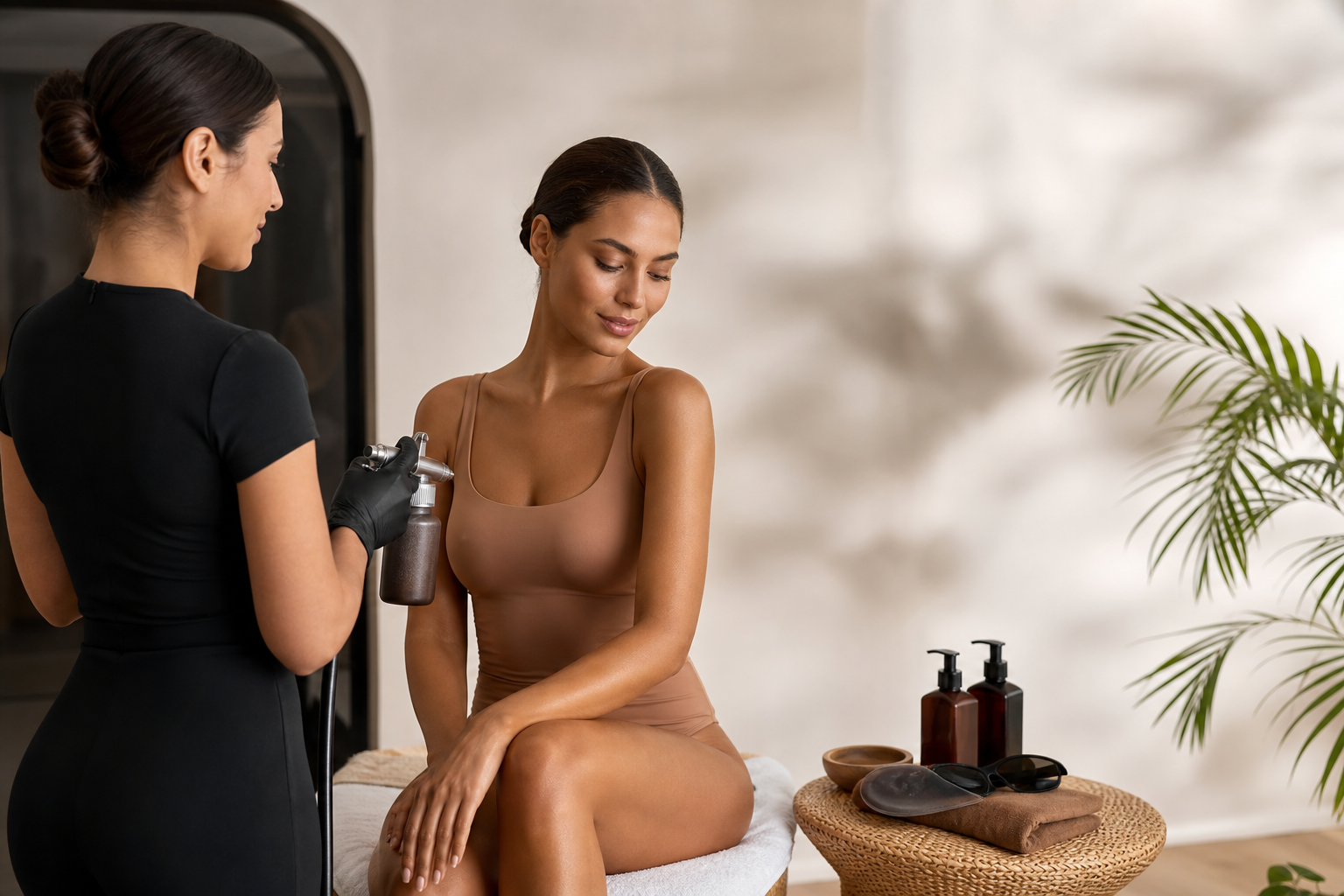
To appreciate when the spray tan colour begins to develop, it’s important to understand the underlying mechanism. Spray tanning involves applying a mist containing dihydroxyacetone (DHA) — a colourless sugar derived from plant sources — onto the skin. Upon contact, DHA reacts chemically with the amino acids present in the dead cells of the uppermost skin layer through a Maillard reaction, producing brown pigments that impart the appearance of a sun-kissed glow.
Unlike natural sun tanning, which stimulates melanin production via UV exposure, spray tanning merely colours the skin’s surface temporarily. Since the reaction targets dead cells rather than living tissue, the colour is entirely external and fades naturally as skin cells exfoliate. This distinction means the visible tan won’t appear instantly but gradually forms as the DHA-skin interaction progresses.
Immediately after a spray tanning session, the skin may appear damp or slightly streaked because of residual product moisture and the application method. However, the characteristic bronze hue is not yet fully developed. This initial phase is crucial, as premature washing or sweating can interrupt the DHA reaction, leading to uneven colouration or diminished results. Therefore, understanding the timing for colour development helps in planning subsequent care routines and activity.
When Does Spray Tan Colour Typically Begin to Develop?
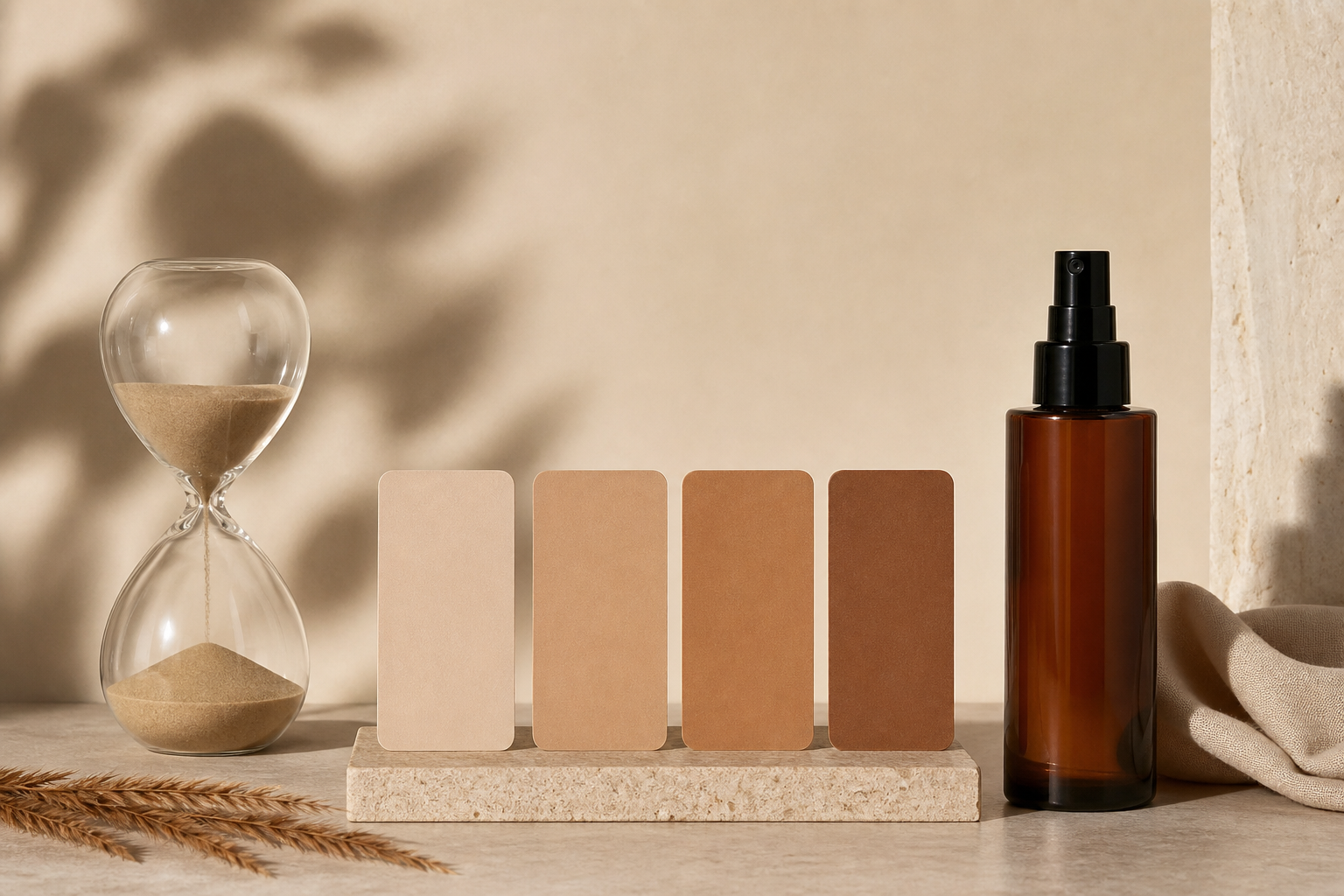
The development of colour following a spray tan typically starts within about 4 to 8 hours after application. During this period, the DHA molecules gradually bind with skin peptides, deepening the pigment until the full bronzed effect emerges. The range of 4 to 8 hours accounts for individual differences, including the person’s skin characteristics and environmental factors affecting the reaction speed.
For optimal results, spray tanning professionals often recommend scheduling treatments in the evening, allowing the tan to develop overnight while minimizing contact with water, sweat, or friction. By the time of waking, usually around 6 to 8 hours post-application, the colour is more pronounced and better settled into the skin's surface.
Attempting to shower, swim, exercise, or engage in water activities before this development window closes can dilute or remove excess DHA, resulting in inconsistent colouring or patchiness. After the initial development phase, the tan colour stabilizes and appears more natural, though slight adjustments can be made in follow-up sessions or by applying gradual tanning products.
What Factors Influence the Speed and Intensity of Spray Tan Colour Development?
Several elements can impact the timing and depth of the spray tan colour resulting from a DHA session. These influences help explain why some individuals observe quicker or darker bronzing than others and how conditions may dictate the patience required to see the full effect.
Skin Type and Tone: Individuals with lighter skin tones often see a clearer and faster initial colour since the contrast between the DHA-developed pigment and natural skin is more apparent. Conversely, those with naturally darker or oilier skin may experience a slower evolution or subtler difference in colour, influenced by skin surface chemistry and hydration.
Skin Preparation: Proper pre-treatment preparation, including exfoliation to remove dead skin cells, ensures DHA adheres evenly and increases the uniformity of colour development. Skipping exfoliation can result in blotchy or uneven patches as the underlying skin texture affects how the product interacts.
Environmental Conditions: Temperature and humidity levels during and after application can accelerate or slow the chemical reaction. Warmer, more humid environments tend to promote quicker colour formation by increasing skin surface activity, while colder or dry conditions may retard development.
Skin Hydration: Well-hydrated skin generally sustains DHA pigment more effectively, fostering a richer tone with longer-lasting wear. Dry or flaky skin can lead to uneven colour and premature fading since the compromised skin barrier sheds more rapidly.
How Should You Care for Your Skin During the Spray Tan Colour Development Phase?
After receiving a spray tan, adhering to specific post-application care guidelines maximizes the quality and longevity of the resulting colour. These measures focus on protecting the delicate early stages of pigment formation from disruption.
Avoid Washing or Wetting the Skin: It is essential to refrain from showering, swimming, or sweating excessively for at least 6 to 8 hours after the spray tan. Water exposure too soon can interrupt the DHA reaction, leading to uneven colours or lighter results. Evening appointments make it easier to sleep through this crucial period.
Minimize Friction and Tight Clothing: Excess rubbing from tight fabrics or vigorous activity during the development window can cause patchiness by removing freshly applied DHA particles. Wearing loose, dark clothing protects the skin and prevents staining of garments.
Use Gentle, Oil-Free Moisturizers: Once the initial development period concludes, applying a light, non-oily moisturizer helps maintain skin hydration without stripping the tan. Avoid products containing oils or exfoliating ingredients until after the tan naturally fades.
Steer Clear of Chlorinated and Saltwater Pools: Swimming in pools or the ocean shortly after a spray tan can degrade or wash away the bronzing effect and should be postponed for 24 hours or more.
What Are Realistic Expectations for Spray Tan Duration and Colour Effect?
The colour achieved from a spray tan is temporary, typically lasting between 5 to 10 days, depending on individual factors and skincare routines. The tan fades gradually as the outer layer of skin naturally exfoliates, which is a normal and expected progression.
Clients should understand that spray tans do not provide any protection against UV radiation from the sun. Therefore, even with a fresh tan, the application of broad-spectrum sunscreen with SPF 30 or higher remains indispensable to prevent skin damage and premature ageing.
The degree of bronzing varies from subtle warmth to a deeper bronze, depending on the concentration of DHA used and the number of applications. Follow-ups or layering can adjust the intensity—as explained further in guides like Spray Tan vs Tanning Bed: The Key Differences and Can Spray Tan Be Applied to Both the Face and Body?
Common Concerns Regarding Spray Tan Colour Aftercare and Consistency
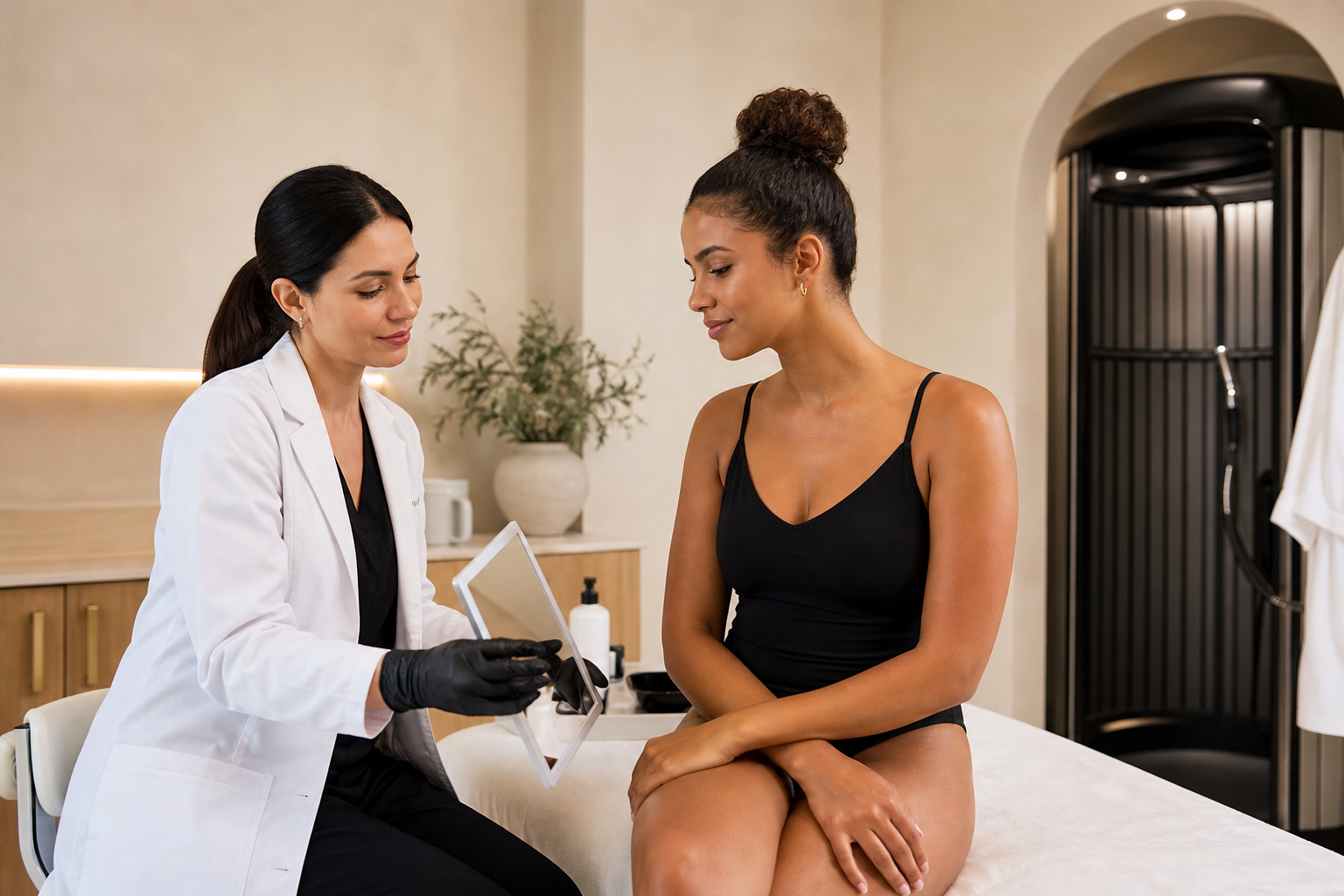
Is uneven colour common and how can it be avoided? Uneven tan development often stems from inadequate preparation or violating post-tan care instructions. Proper exfoliation beforehand and avoiding washing or heavy sweating during the initial hours significantly reduces inconsistencies. Consulting professional technicians ensures personalized advice tailored to specific skin types.
What if the colour appears orange or unnatural initially? Early post-application hues can appear yellowish or orange due to the DHA formulation. These initial tones mellow within the first 8 to 12 hours to a more natural bronze, especially after rinsing off residual product. Patience through the development period is key.
Can the tan development be sped up? Attempting to accelerate pigment formation via artificial heat or other methods is not advisable, as it may compromise evenness and longevity. Allowing the process to unfold naturally within 6 to 8 hours yields the best and most reliable results.
Integrating Spray Tanning Knowledge Within Broader Skincare Practices
For those interested in expanding their understanding of spray tanning as part of a holistic skin and beauty regimen, numerous comprehensive resources provide deeper insights. The article What Is a Spray Tan and How Is It Different from Sunbathing? elucidates key distinctions and safety advantages, while How Does DHA Temporarily Change the Appearance of the Skin's Surface? explores the scientific basis underpinning the colour changes.
Additional guides such as How Long Does a Professional Spray Tan Treatment Take? offer practical timing details for planning appointments, and Is a Spray Tan the Same as Self-Tanning? explains differences and appropriate use-cases between the options. These resources collectively empower consumers and professionals alike to make informed decisions aligned with personal health and aesthetic goals.