In the realm of skin care and aesthetic beauty, acquiring a sun-kissed, bronzed glow has long been an emblem of health and vitality. Yet, with expanding awareness of the harmful effects of ultraviolet (UV) radiation exposure, more individuals seek safer, effective alternatives to natural sun tanning or tanning beds. Two prominent options in this space are spray tanning and self-tanning (also spelled as self-tanning or sunless tanning). A common question arises: Is a spray tan the same as self-tanning? While these methods share some chemical principles, substantive differences in application, result consistency, and user experience distinguish them markedly.
This extensive article is crafted for anyone interested in understanding these cosmetic solutions comprehensively—whether you’re new to sunless tanning or considering which approach suits your lifestyle and skin goals best. We delve into the science behind each method, weigh their advantages and potential pitfalls, and clarify what you can realistically expect. Crucially, even as both methods offer a tan-like appearance without UV exposure, neither substitutes for sunscreen protection, which remains essential to skin health.
Discerning the nuances between spray tanning and self-tanning assists consumers in making informed choices, avoiding common mistakes, and embracing a bronzed glow that complements their needs safely and effectively. Let us explore each facet thoroughly and illuminate how these sunless tanning methods compare.
What is Spray Tanning and How Does It Differ from Self-Tanning?
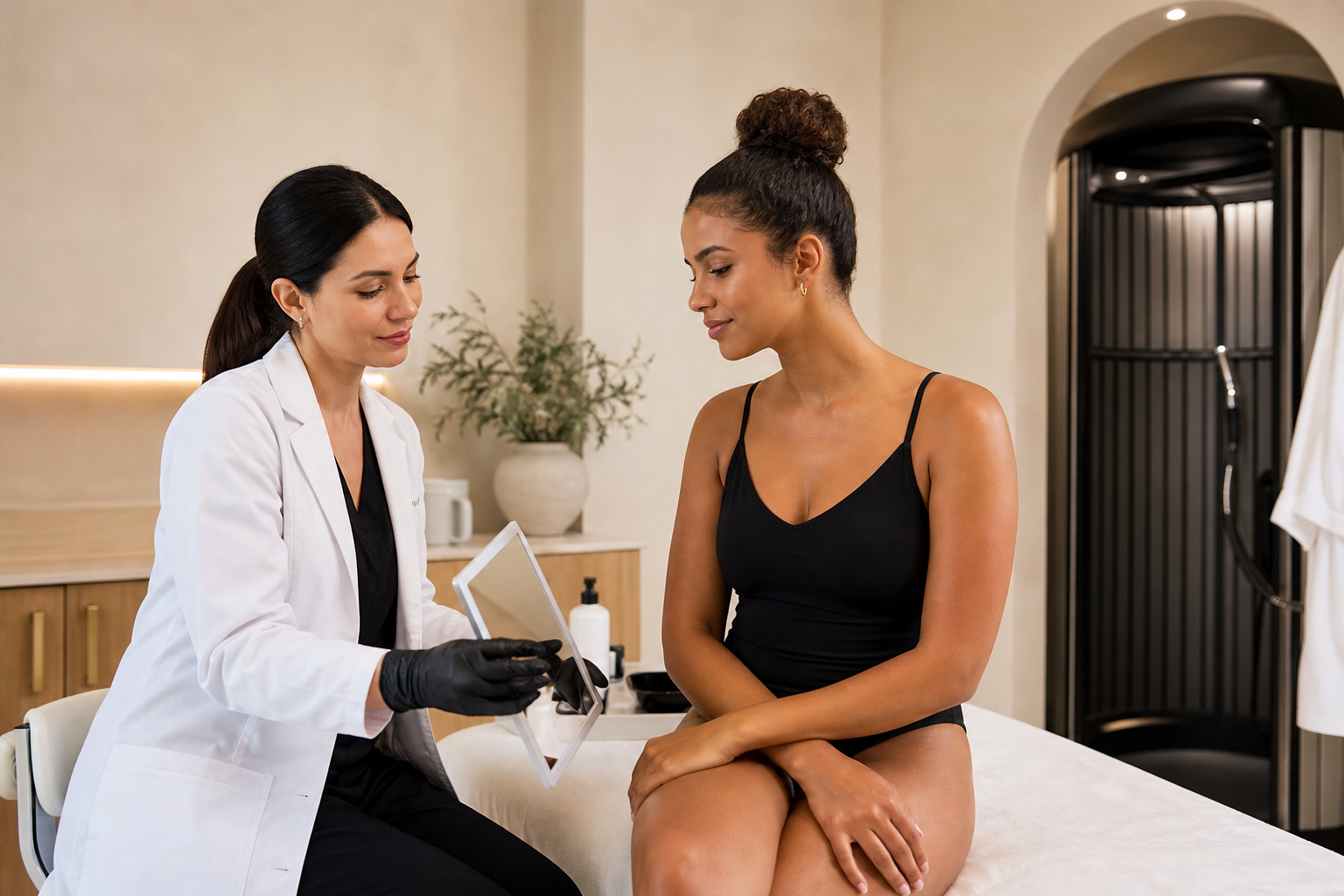
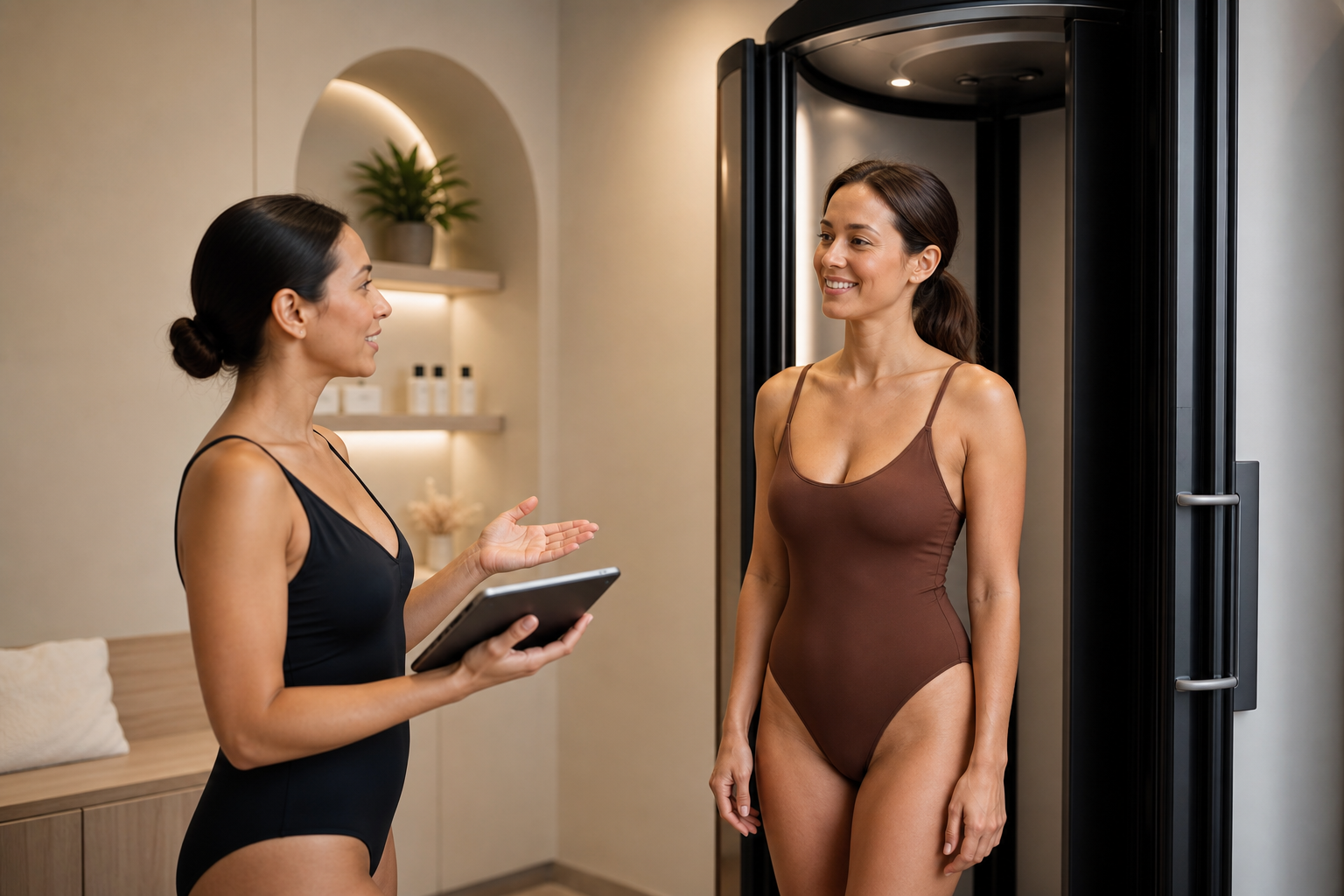
Spray tanning is typically a professional salon treatment whereby a mist containing a colored solution, primarily based on dihydroxyacetone (DHA), is applied to the entire body using specialized spray equipment. Professionals control the spray application to ensure even coverage, avoiding streaks or blotches, and aiming for a natural-looking tan that flatters the client’s complexion. The process often results in a quick, uniform, and aesthetically appealing bronze tone that can be customized for depth and shade.
In contrast, self-tanning refers to applying sunless tanning products independently at home. These are available in various formulations—lotions, creams, gels, mousses, and wipes—and similarly use DHA as the active ingredient to produce the pigment change. However, because self-tanning lacks the precision of professional application, achieving a flawless and homogeneous finish often demands practice, proper skin preparation, and adherence to technique. Without such care, users may confront patchiness, uneven spots, or unnatural hues.
At their core, spray tanning and self-tanning share the same underlying chemical mechanism: DHA reacts with amino acids on the skin’s outermost layers (the stratum corneum), generating melanoidins that impart a brownish tint. Yet, professional spray tan solutions may incorporate added moisturizing agents, bronzers for instant color, and technologies that prolong the tan’s longevity and improve skin feel. These enhancements can make the spray tan results superior in depth, nuance, and durability compared to many over-the-counter self-tanners.
Who Typically Opts for Spray Tanning versus Self-Tanning?
Spray tanning is favored by individuals who prioritize professional application quality, seek a reliable and swift transformation, or need a precise shade for events such as weddings, photoshoots, or performances. It appeals especially to those unwilling or unable to dedicate time to the intricacies of self-tanning, or to people whose skin is prone to uneven color development. Models, actors, and public personalities frequently utilize spray tan treatments due to the demand for impeccable appearance.
On the other hand, self-tanning suits people who enjoy a hands-on approach and convenience, preferring to manage the tanning schedule flexibly at home. Budget-conscious consumers might also lean toward self-tanners for their affordability relative to salon visits. Additionally, those who tan frequently and wish to maintain a consistent glow may find self-tanners more practical between professional spray sessions.
Both methods attract individuals who consciously avoid harmful UV sun exposure or tanning beds in pursuit of healthier skin routines yet desire the aesthetic enhancement of tanned skin. Selecting between them depends heavily on personal preferences, lifestyle, willingness to learn application technique, and expectations for the final look.
What Advantages Does Spray Tanning Offer Over Self-Tanning?
One of the primary benefits of professional spray tanning is the vastly improved control over evenness and color development. Experienced technicians use carefully calibrated equipment and expert techniques to apply the DHA solution uniformly, minimizing the risk of streaks or uneven patches often encountered in self-application. They can tailor the session based on skin tone, desired depth, and accompanying bronzers.
Spray tan formulations commonly include moisturizing and skin-conditioning ingredients that enhance color adherence and natural feel. This can extend the life of the tan and create a more radiant and authentic bronze glow than many at-home options.
Additionally, the pace and convenience of spray tanning are notable. A session takes approximately 15 to 30 minutes, after which the color begins to develop rapidly over several hours, delivering consistent results with minimal guesswork. Meanwhile, self-tanning requires meticulous preparation, careful application, and often trial and error to master the look, which can be time-consuming and sometimes disappointing.
How Does DHA Work and Why Is This Different from Sun Tanning?
Dihydroxyacetone, or DHA, is the foundational active ingredient in both spray tan and self-tanning products. When applied to the skin’s surface, DHA interacts with amino acids in the dead skin cells of the stratum corneum through a non-enzymatic Maillard reaction. This biochemical process leads to the formation of melanoidins—brown pigments that visually mimic a suntan.
It is crucial to emphasize that DHA acts only on the outermost layer of the skin and does not penetrate deeper to affect living skin cells or melanin production, which is the body’s natural tanning pigment induced by UV exposure. Therefore, unlike sun tanning, DHA application does not stimulate protective mechanisms against UV rays nor confer any natural sun protection.
This difference means that while DHA imparts an appealing bronze color, it does not increase skin resilience or reduce vulnerability to sun damage. Users must recognize this distinction and never forgo sunscreen based on the presence of a spray tan or self-tan.
Why Is Consistent Sun Protection Essential After a Spray Tan?
A common misconception is that a spray tan or self-tan offers protective benefits against UV radiation. In truth, the coloration derived from DHA does not block or absorb harmful UVA or UVB rays. Hence, skin treated with these tan methods remains fully susceptible to sunburn, premature aging, and potentially increased skin cancer risks if unprotected.
Adopting a skin care regimen inclusive of broad-spectrum sun protection is imperative. Dermatologists recommend daily application of sunscreen with at least SPF 30, covering both face and body, regardless of tanning method or visible skin tone. Reapplication every two hours when outdoors, especially during peak sun intensity hours, enhances this defense.
Additional sun safety measures—such as wearing protective clothing, seeking shade, and avoiding tanning beds—complement sunscreen use and support long-term skin health. Spray tan or self-tan colors should never replace these precautions.
How to Achieve Optimal Results and Avoid Common Mistakes with Self-Tanning?
When opting for self-tanning, preparation and technique are paramount to obtaining a smooth, natural look. Begin by exfoliating the skin gently to remove dead cells, ensuring an even surface for product application. Avoid harsh scrubs that can irritate or damage delicate skin areas.
Moisturize dry patches well before tanning to prevent these zones from absorbing excess product, which can cause darker spots. Use protective gloves or applicator mitts to evenly spread lotions or mousses, working systematically downward and blending carefully around joints, knees, elbows, and ankles.
Be mindful to avoid palms, fingernails, and cuticles, which tend to develop a pronounced orange tint if exposed to DHA. Dress in loose, dark clothing post-application to prevent friction and transfer of the tanning product.
Avoid showering or sweating excessively for at least 6–8 hours to allow full color development. Start with light-to-medium shades for beginners to minimize dramatic contrasts in case of application errors. With patience and practice, self-tanning can provide rewarding results, though persistence and attention to detail remain critical.
What Is the Typical Duration of a Spray Tan and What Should One Expect?
A professional spray tan session typically requires 15 to 30 minutes depending on the provider and coverage area. Immediately after application, the skin may feel slightly damp or tacky, with the final tan color becoming apparent within 4 to 8 hours as the DHA reaction matures.
The full depth of the tan generally reveals itself within 24 to 48 hours post-treatment. Spray tans commonly last between five and ten days, influenced by individual skin type, exfoliation rate, hygiene routines, and environmental exposure.
Proper post-care—including using gentle, hydrating cleansers, avoiding harsh scrubs, and limiting exposure to chlorinated pools or saltwater—helps extend the tan’s life. As the outer skin layer naturally sloughs off, the artificial tan fades evenly without patchiness when correctly applied.