In recent years, spray tanning has surged in popularity as a convenient and sun-safe alternative to traditional tanning methods. Many seek this quick cosmetic procedure to achieve a radiant, bronzed complexion without the risks associated with UV exposure. Among the questions frequently asked by both first-timers and seasoned users is a crucial one: Does spray tan colour penetrate deep into the skin? Understanding how these tanning solutions interact with your skin is essential not only for setting realistic expectations but also for ensuring safety and optimal results.
This article aims to demystify the science behind spray tan colour penetration, clarifying common misconceptions and explaining the limits of this cosmetic treatment. It caters to individuals curious about spray tan mechanics, health professionals seeking evidence-based insights, and anyone wanting to make informed choices about their tanning regimen. Addressing this topic helps users appreciate that spray tans are temporary surface treatments, not deep skin color alterations or medical solutions, and underscores the importance of accompanying sun protection with any tanning effort.
By exploring the nature of spray tan ingredients, skin anatomy, and application methods, we'll provide a comprehensive picture of how spray tans work and what users can genuinely expect. Moreover, this discussion highlights why spray tan products should never be confused with sun protection and why reputable application matters for a natural look and safety. Let us embark on this exploration to equip you with factual clarity on spray tan colour penetration.
What Is Spray Tan and How Does Its Colour Interact with the Skin?
Spray tanning is a cosmetic procedure involving the application of a fine mist containing an active ingredient—usually dihydroxyacetone (DHA)—onto the skin's surface. DHA reacts chemically with amino acids present within the outermost skin layer, creating a temporary browning effect that mimics the appearance of a sun-induced tan. This reaction primarily occurs in the stratum corneum, the top layer of the epidermis composed of dead skin cells.
Importantly, DHA does not penetrate beyond this superficial layer. Instead, the colour manifests in this non-living segment and fades naturally as these cells shed during the skin's renewal cycle. Consequently, spray tan coloration is inherently transient and does not involve deep skin pigmentation changes. This mechanism negates permanent alteration or treatment of underlying pigmentation irregularities.
The colour produced from spray tans results from melanoidins formed by Maillard-type reactions between DHA and skin proteins. Because this chemical reaction confines itself to the skin's surface, the pigmentation effect remains cosmetic and temporary. This difference distinguishes spray tans from natural melanin production within deeper epidermal layers that occurs following UV exposure.
Why Does Spray Tan Colour Not Penetrate Deeply Into the Skin?
The skin's structure acts as a formidable barrier against the intrusion of external substances. The epidermis is stratified, with the stratum corneum constituting its outermost shield. This layer comprises dead keratinized cells and intercellular lipids, forming a complex matrix that limits permeability. Essential to protecting internal tissues and systemic circulation, it restricts larger molecules and water-soluble compounds from penetrating further.
DHA molecules in spray tan solutions are relatively large and water-soluble, preventing them from crossing this barrier effectively. Moreover, DHA chemically interacts with proteins available only within this surface layer, not with living cells beneath. The skin's design naturally prevents cosmetic ingredients from accessing deeper layers, preserving cellular health and bodily integrity.
This inherent limitation is a safety feature preventing chemical irritation or systemic exposure. It ensures that spray tan products achieve their intended aesthetic outcome without affecting active skin processes or cellular functions. Therefore, claims suggesting spray tans alter deep pigmentation or provide long-term skin benefits do not align with dermatological science.
What Does Limited Penetration Mean for Spray Tan Users?
Understanding that spray tan coloration is confined to the skin's exterior is pivotal for managing user expectations. This awareness highlights the temporary nature of the effect typically lasting from five to ten days, depending on individual skin turnover rates and care practices. Since the color lives within exfoliating cells, it gradually diminishes as these cells shed.
Users should recognize that spray tans do not modify the skin's natural melanin or provide corrective effects for pigmentation issues such as hyperpigmentation or scarring. Therefore, the spray tan cannot serve as a treatment for skin conditions, nor can it offer permanent concealment. This distinction avoids misconceptions that might lead to disappointment or misuse.
Additionally, since the colouration stays superficial, it requires regular maintenance to retain the desired look. Proper skin preparation, hydration, and gentle exfoliation at appropriate intervals help achieve more even, longer-lasting results. Professional expertise in application further enhances uniformity and appearance.
Does Spray Tan Provide Any Sun Protection?
A common misconception is that spray tans offer some level of protection against ultraviolet radiation (UV). This belief is unfounded, as spray tan coloration results strictly from chemical reactions on dead skin cells without altering melanin levels. Melanin is natural pigment responsible for some degree of UV protection, but spray tans do not increase melanin production.
Extensive research and dermatological guidance affirm that spray tans do not contain effective UV filters and thus do not provide any sun protection factor (SPF). Users must apply a broad-spectrum sunscreen of SPF 30 or higher to shield the skin against harmful UVA and UVB rays, regardless of having a spray tan. Neglecting this crucial step exposes the skin to damage, photoaging, and increased cancer risk.
Therefore, spray tans should be viewed solely as aesthetic enhancements, not replacements for sun protection. This distinction underscores the importance of a comprehensive skin care routine that includes sun safety measures alongside any cosmetic tanning.
Can Spray Tan Colour Clog Pores or Harm Skin Health?
Some individuals worry whether spray tans might clog pores or negatively impact skin health. Since DHA-based sprays coat only surface dead cells, they by nature do not enter or clog pores deeply. However, improper removal or overapplication of products combined with inadequate cleansing can lead to pore congestion or irritation.
Maintaining proper skin hygiene, including regular gentle exfoliation and moisturizing, can mitigate potential pore-related issues. Individuals prone to acne or sensitive skin should consult dermatology professionals and consider patch testing before spray tanning. High-quality products free from irritants and fragrances contribute to minimizing risks.
Overall, spray tan formulations, when applied in controlled professional settings, are generally safe for healthy skin. Responsible usage combined with proper aftercare preserves skin barrier integrity and aesthetics.
How Should Spray Tan Products Be Applied to Achieve Best Results?
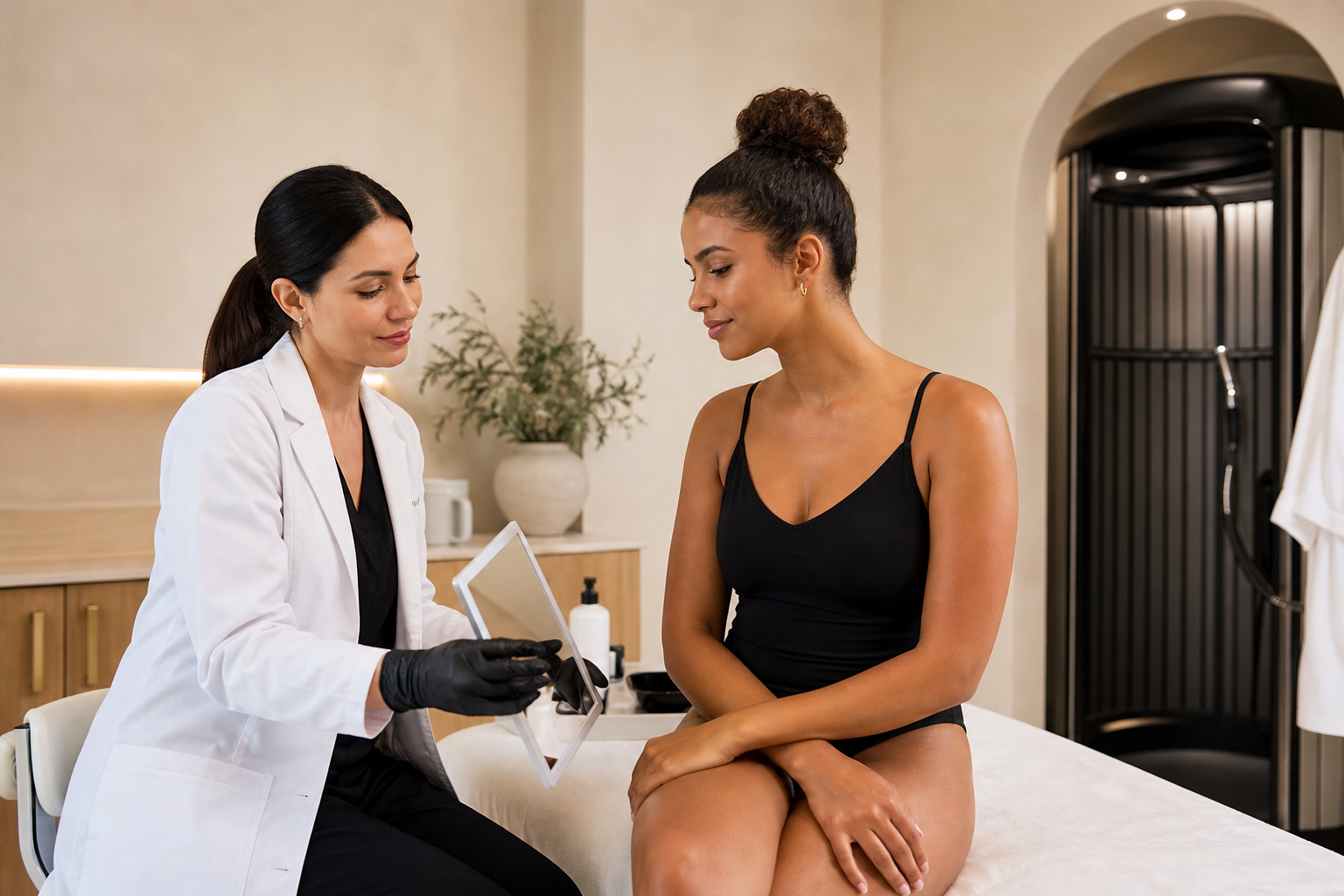
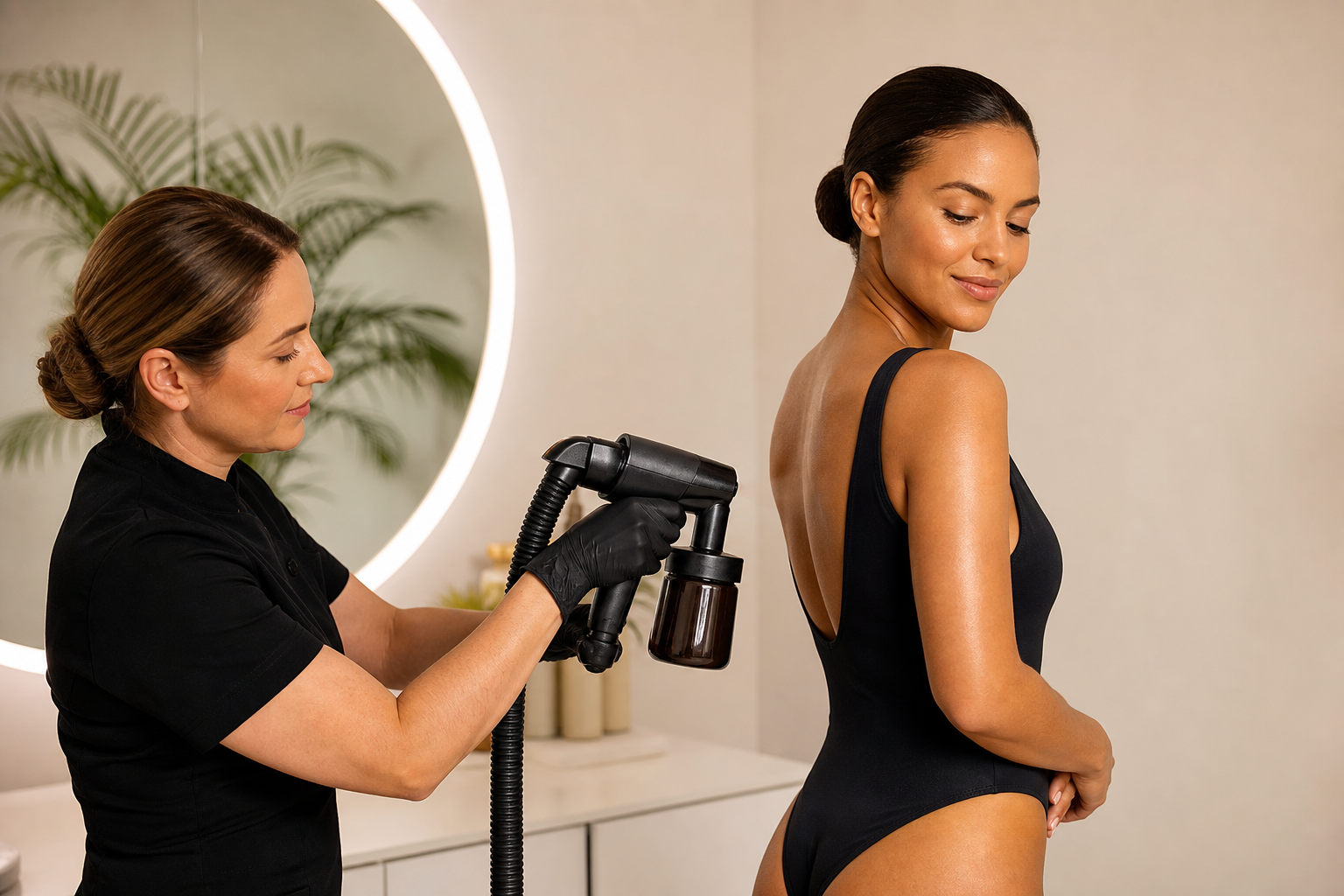
The success of a spray tan largely depends on proper application technique and product quality. Ideally, spray tans should be performed by trained professionals in hygienic conditions to ensure even coverage and prevent streaking or blotchy results. Preparation including skin exfoliation and avoiding lotions or oils enhances absorption within the stratum corneum.
Advanced spray systems atomize the tanning solution uniformly, allowing fine distribution across the body. Aftercare guidelines typically recommend avoiding water contact for several hours post-application to allow the color to develop fully. Also, users should wear loose, dark clothing to prevent color transfer onto garments during this development phase.
Assessing ingredient composition is equally important; formulations free from harsh chemicals, parabens, or irritants promote skin compatibility. Consumers are advised to research brand reputations and avoid products with unverified claims or unclear ingredient disclosures. Separation of commercial interests and factual product information aids informed decision-making.
Is It Possible for Spray Tan Colour to Transfer to Clothing or Bedding?
Immediately following a spray tan session, the deposited color remains wet and susceptible to transfer onto fabrics like clothing or bedding. This transfer occurs because the DHA-containing solution is still setting on the skin's surface. Users are encouraged to avoid tight or light-colored garments for several hours post-application and to sleep on dark or old sheets to minimize staining.
Worst cases of transfer can cause frustrating staining of fabrics, but this is temporary and diminishes once the tan fully develops and dries. Thorough showers and gentle cleansing after the recommended setting period significantly reduce further risks. Awareness and adherence to post-tanning precautions contribute to a positive overall experience.
Can You Sunbathe or Expose Skin to UV After a Spray Tan?
Following a spray tan treatment, it is advisable to avoid direct sun exposure or tanning beds for a short window—usually 24 to 48 hours—to allow even tan development and to prevent premature fading. Moreover, tan appearance might be compromised by excessive sweating or water contact during this time.
Long term, spray tan users must remain vigilant about UV protection because the spray tan offers no defense against sun damage. When exposing skin to sunlight, a broad-spectrum SPF sunscreen is imperative. Balanced, safe sun exposure practices prevent accelerated skin aging and carcinogenesis.
Thus, spray tans are complementary to, but not substitutes for, sun-safe behaviors.