Hydration is often overlooked or misunderstood when it comes to managing acne-prone skin. Many people associate oily or acne-affected skin with an excess of moisture, assuming additional hydration might exacerbate their condition. However, the reality is more nuanced. Hydrating acne-prone skin is a critical component in preserving its protective barrier function and mitigating the cycle of inflammation that can lead to breakouts. This article is intended for individuals grappling with acne at various life stages—whether in adolescence or adulthood—as well as those wanting a clear understanding of why and how hydration fits into effective acne care.
The challenge lies in balancing the skin’s moisture levels without triggering increased sebum production or pore blockage. The right hydration strategy for acne-prone skin can reduce redness, calm irritation, and support the skin’s natural renewal processes. This topic matters not only because it enhances appearance but also because maintaining hydration contributes to healthier skin function and a decreased risk of long-term scarring and inflammation.
In the sections that follow, we will explore the complexities of hydrating acne-affected skin, explain why proper hydration matters despite excess oiliness, describe the best ingredients and routines, and emphasize the essential roles of home care, professional treatments, and dermatological guidance. Our goal is to provide informed, practical advice to empower anyone looking to improve their acne outcomes through targeted hydration strategies.
What Does Hydrating Acne-Prone Skin Really Mean and Why Is It Necessary?
Hydration in the context of skincare refers to supporting the skin’s ability to retain water within its layers, especially in the epidermis. This water retention is crucial for maintaining the skin’s barrier function, which is responsible for defense against irritants, bacteria, and environmental stressors. For acne-prone skin, hydration is vital because these skin types often suffer from disrupted barriers due to excessive sebum production, inflammation, and the effects of acne treatments themselves.
Interestingly, acne-prone skin can be both oily and dehydrated at the same time. The presence of sebum—the oily secretion—does not equate to adequate moisture content. Instead, the skin’s surface can appear shiny while the underlying layers are dry and compromised. This imbalance may cause tightness, flaking, and heightened sensitivity, all of which exacerbate acne by triggering the skin to produce even more sebum as a protective response.
Proper hydration restores equilibrium, helping reduce inflammation and support epidermal repair mechanisms. It not only soothes existing irritation but also discourages the formation of new breakouts by reinforcing the skin’s resilience. For these reasons, understanding and implementing appropriate hydration is a foundational step in acne care, counteracting the misconception that oily skin does not need moisturization.
What Challenges Make Hydrating Acne-Prone Skin Particularly Complex?
Unlike other skin types, acne-prone skin presents unique obstacles to simple hydration routines. Chief among these is the overproduction of sebum, which predisposes the skin to clogged pores and comedones—blackheads and whiteheads that mark the start of acne lesions. Acne treatments often include potent cleansers and topical agents like benzoyl peroxide or salicylic acid, which while effective at reducing bacteria and clogged follicles, frequently contribute to dryness and barrier disruption.
This dry, compromised barrier makes the skin more reactive and vulnerable, leading many to avoid moisturizers out of fear of worsening oiliness and breakouts. However, skipping hydration can further degrade the skin, prompting increased sebum output to compensate for the lack of moisture. This vicious circle leads to flaky, irritated skin and persistent acne flare-ups.
Furthermore, many common hydrating products contain ingredients or formulations that are comedogenic, meaning they can block pores and exacerbate acne. Heavy oils, waxes, and occlusive agents should be avoided in acne-prone skin care. Therefore, the challenge lies not only in hydrating but doing so with carefully selected, non-comedogenic ingredients that add moisture without fueling oiliness or clogging pores.
Which Hydrating Ingredients Are Ideally Suited for Acne-Prone Skin?
The key to hydrating acne-prone skin successfully is selecting ingredients that maintain moisture without adding excess oil or causing irritation. Among the most effective and widely recommended are:
Hyaluronic Acid: Renowned for its remarkable ability to retain water — up to 1,000 times its weight — hyaluronic acid provides lightweight, non-greasy hydration. Its small molecules penetrate effectively to replenish moisture in the epidermis, improving plumpness and elasticity without clogging pores.
Glycerin: A natural humectant, glycerin attracts and holds water in the skin, helping to maintain hydration while smoothing texture. It is compatible with sensitive and acne-prone skin types due to its mildness.
Niacinamide (Vitamin B3): This multi-functional ingredient reduces inflammation, regulates sebum production, enhances barrier repair, and can improve hyperpigmentation and uneven tone. Its addition to hydrating formulations makes it especially beneficial for acneic skin.
Allantoin: Known for its soothing and healing properties, allantoin calms irritated skin and encourages surface cell renewal, making it a helpful component in hydration products designed for skin recovering from acne treatments.
Conversely, ingredients such as heavy oils (e.g., mineral oil, coconut oil) and dense waxes, as well as alcohol-based formulas that strip moisture and irritate, should be avoided. The focus should be on lightweight, gel- or fluid-based moisturizers, serums, or lotions with clearly labeled non-comedogenic status.
How Should One Incorporate Hydration into the Daily Skincare Routine for Acne-Prone Skin?
An effective home care regimen for acne-prone skin begins with gentle, pH-balanced cleansing that removes excess oil and debris without stripping natural moisture. Avoid abrasive scrubs and harsh soaps that disrupt the skin’s delicate balance.
Immediately after cleansing, while the skin is still slightly damp, apply a hydrating product formulated for acne-prone skin. Applying on damp skin optimizes the skin’s water-binding capacity, enhancing hydration effects.
Choose lightweight, non-comedogenic moisturizers with beneficial ingredients such as hyaluronic acid and niacinamide. These products should be comfortable to wear throughout the day and not leave an oily residue, which could contribute to pore obstruction.
Hydration needs may vary between morning and night routines; for example, a gel-based moisturizer in the morning followed by a slightly richer, but still lightweight, cream at night can balance moisture supply without overburdening the skin. Sunscreens with hydrating properties should be included in daytime routines to protect and maintain moisture levels.
Be mindful not to over-apply moisturizers, as excessive layering can clog pores. Monitoring skin response and adjusting the amount accordingly is important.
When Should Professional Hydration Treatments and Dermatological Consultations Be Considered?
While a consistent home hydration routine is fundamental, certain cases require professional intervention. Dermatologists and licensed skincare professionals can provide tailored treatments that deeply hydrate and calm acne-prone skin, complementing daily care.
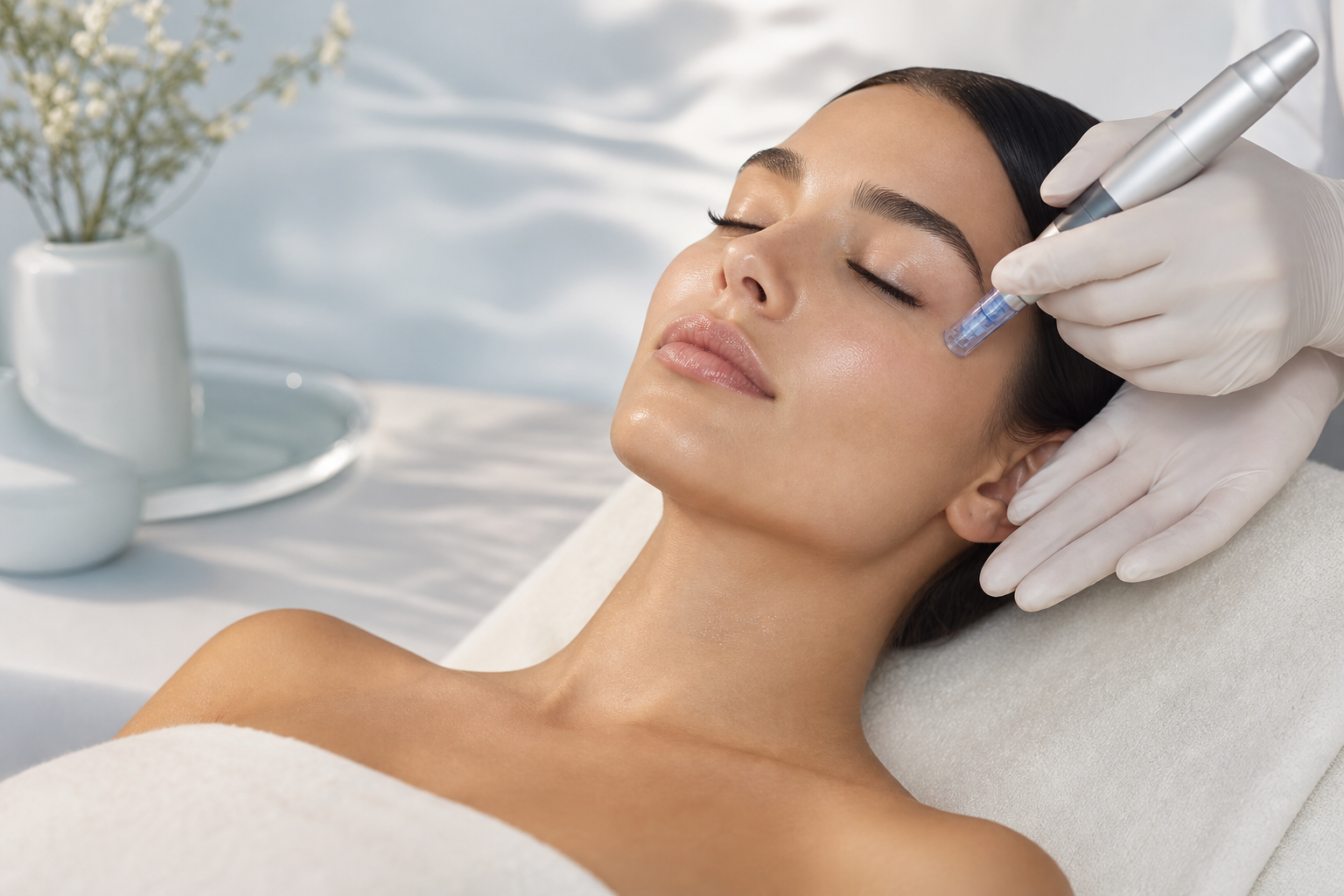
Treatments such as hydrating facials, mesotherapy with moisturizing agents, and gentle chemical peels designed to boost moisture and reduce inflammation may be advised. These procedures enhance hyaluronic acid infusion and stimulate skin renewal beyond what topical products alone can achieve.
A professional evaluation is crucial for those experiencing persistent or severe acne, chronic inflammation, or scarring. Customized treatment plans combining topical therapies with hydration strategies can be formulated safely under expert supervision.
Additionally, dermatologists can help identify suitable products free from ingredients that may aggravate acne or irritation. This avoids trial-and-error and accelerates effective management.
What Realistic Outcomes and Limitations Should One Expect from Hydrating Acne-Prone Skin?
Hydration supports the skin’s overall health by improving barrier function, reducing redness, and minimizing dryness-related discomfort. With regular care, skin texture can become smoother and more balanced, and inflammation eased. These benefits contribute positively to the appearance of acne and may lower the frequency and severity of breakouts by interrupting cycles of irritation.
However, hydration alone is not a cure for acne. Acne is a multifactorial condition involving hormones, bacteria, genetics, and immune responses. Adequate hydration is one important facet alongside treatments specifically targeting these underlying factors.
It is essential to set realistic expectations and understand that hydration works best as part of an integrated skincare regimen. Inappropriate use of products or neglecting other aspects of acne management can limit results. Patience and consistency are key, as visible improvements in skin health typically develop over several weeks.
Common Questions About Hydration in Acne-Prone Skin Care
Can oily, acne-prone skin really be dehydrated?
Absolutely. Excess oil production does not guarantee adequate moisture in the skin. Dehydration refers to insufficient water content, which can coexist with oily conditions, leading to dryness underneath the surface and exacerbation of acne.
What type of moisturizer is best for acne-prone and oily skin?
Lightweight, non-comedogenic gel or fluid formulations rich in hyaluronic acid and niacinamide are typically well-suited. Avoid heavy oils and creams that can block pores.
Is hydration a replacement for acne treatment products?
No. Hydration supports skin health and complements treatments but does not treat the root causes of acne. Proper medication and therapy should be used as advised by professionals.
How can I tell if my hydration routine is working?
Improvement signs include reduced dryness and flaking, less redness and irritation, more comfortable skin texture, and possibly fewer acne flare-ups. If irritation or acne worsens, consulting a dermatologist is recommended.