Skin hydration is a cornerstone of maintaining a healthy, resilient complexion. Essential to this is understanding the roles of humectants, emollients, and occlusives—three categories of skincare ingredients often mentioned but not always clearly differentiated. Each plays a distinct role in the complex process of skin hydration, contributing to moisture retention, barrier restoration, and protection from environmental stressors. For those invested in enhancing their skincare regimen, whether novices or experienced enthusiasts, gaining clarity on these ingredients helps in selecting and combining products that truly support skin health.
This article delves into the core differences between humectants, emollients, and occlusives, illuminating how each operates within the skin’s ecosystem. We explore their individual mechanisms, when and why to use them, and how they work synergistically to maintain optimal hydration levels. Whether your skin is dry, sensitive, prone to irritation, or simply in need of a hydration boost, understanding these ingredients empowers you to make informed skincare decisions that foster lasting skin vitality.
What Are Humectants, and How Do They Function in Skincare?
Humectants are ingredients that attract and bind water molecules, either from the environment or from deeper layers within the skin, to the outermost layer of the epidermis. This ability to retain moisture fundamentally supports hydration, promoting skin softness and suppleness. Among the most familiar humectants is glycerin, lauded for its efficacy and gentle compatibility with various skin types.
Glycerin can attract water molecules, effectively helping to sustain hydration in the skin's upper layer. However, the surrounding environment’s humidity significantly influences its performance; when the atmosphere is dry, some humectants may paradoxically draw moisture away from the skin’s deeper layers, potentially resulting in increased dryness unless balanced by other moisturizing components.
Beyond glycerin, ingredients such as urea and panthenol are also esteemed humectants. They not only secure moisture but also offer additional benefits—urea mildly exfoliates and softens the skin, while panthenol soothes irritation and aids in skin renewal. These dual-action properties make them valuable for sensitive or compromised skin conditions, enhancing hydration while promoting healthier skin function.
How Do Emollients Support Skin Health and Comfort?
Emollients focus on softening and smoothing the skin by replenishing lipids, which are key to the skin’s barrier function. Unlike humectants, emollients do not draw water into the skin but instead fill in the tiny gaps and cracks on the skin surface. This action softens rough textures and alleviates sensations of tightness or discomfort associated with dryness.
Natural oils, fatty acids, waxes, and specific lipids like ceramides, squalane, and shea butter serve as common emollients in skincare formulations. By restoring and reinforcing the skin’s lipid layer, they enhance barrier effectiveness and improve moisture retention indirectly. Emollients are particularly beneficial for skin prone to flaking, irritation, or chronic dryness, helping to create a more supple, resilient skin surface.
While emollients provide a comforting, smoothing effect, they do not replace the lost moisture directly. Instead, they optimize the skin’s ability to hold onto moisture attracted by humectants, contributing to a balanced hydration strategy.
In What Ways Do Occlusives Protect and Seal Moisture in the Skin?
Occlusives act primarily by forming a protective film on the skin surface that blocks transepidermal water loss (TEWL), effectively sealing in hydration achieved by humectants and emollients. This barrier not only retains moisture but also shields the skin from external aggressors, including pollution, harsh weather, and irritants.
Common occlusive ingredients include petrolatum, lanolin, mineral oil, silicones like dimethicone, and certain waxes. They are often utilized as the final step in a moisturizing regimen to lock in the benefits provided by the preceding layers. Occlusives are especially critical for very dry or damaged skin conditions, such as eczema or psoriasis, where the natural barrier function is compromised.
Nevertheless, occlusives’ dense nature may not suit oily or acne-prone skin types due to a potential for pore clogging and exacerbation of breakouts. Careful product selection and application—often in discrete, targeted areas—can balance efficacy and compatibility.
Which Common Ingredients Exemplify Humectants, Emollients, and Occlusives in Modern Skincare Products?
Modern skincare products often integrate ingredients from all three categories to deliver comprehensive hydration and skin barrier support. For humectants, glycerin remains the gold standard, appreciated for its effectiveness and compatibility. Hyaluronic acid, another potent humectant, has gained prominence for its remarkable ability to hold up to 1,000 times its weight in water, thereby significantly enhancing skin hydration.
Emollients such as ceramides help restore the skin's lipid barrier, jojoba and olive oils provide nourishing fatty acids, and shea butter offers rich moisturizing benefits. These ingredients contribute to soft, flexible skin and aid in reducing surface roughness and irritation.
Occlusive agents commonly found include petrolatum, renowned for its exceptional barrier properties, mineral oil providing a lightweight occlusive film, and silicones like dimethicone that create a smooth, protective layer without heaviness.
Selecting products with the right balance of these ingredients depends on your skin type and concerns. For example, those with atopic dermatitis may benefit from richer formulations abundant in emollients and occlusives, while individuals with dehydrated yet oily skin may prefer lighter serums rich in humectants combined with mild emollients.
How Can You Effectively Combine Humectants, Emollients, and Occlusives in Your Skincare Routine?
Integrating humectants, emollients, and occlusives thoughtfully can elevate skin hydration to optimal levels. Generally, the sequence begins with humectant-rich products, such as serums or tonics, which draw moisture into the skin. Following this, emollient-containing creams or oils smooth and restore the skin’s lipid matrix, providing softness and barrier support.
Finally, occlusives are applied to lock in the moisture and nutrients secured by the prior steps. This layered approach ensures that moisture is not only introduced but also retained and protected against environmental moisture loss.
Adjusting this routine based on seasonal shifts and skin behavior further fine-tunes efficacy. During warm, humid months, lighter formulations rich in humectants and gentle emollients may suffice, while dry, colder periods often call for added occlusive layers to combat moisture loss.
When Should You Seek Dermatological Advice for Hydration and Barrier Concerns?
If your skin exhibits persistent dryness, redness, scaling, or irritation despite diligent use of hydrating products, consulting a dermatologist is prudent. Such signs may indicate underlying conditions like eczema, psoriasis, or allergic reactions that require specialized intervention.
Dermatologists can guide you toward professional treatments such as medical hydration therapies, non-invasive hydration procedures, or prescription formulations tailored to your skin’s precise needs. Their expertise ensures that hydration strategies are safe, effective, and appropriate for complex or chronic skin concerns.
Moreover, before introducing potent or new skincare ingredients—particularly if your skin is sensitive or reactive—a professional evaluation helps prevent adverse reactions and optimizes outcomes.
What Are the Realistic Benefits and Limitations of Products Based on Humectants, Emollients, and Occlusives?
Products containing humectants, emollients, and occlusives form a foundational element of effective skin hydration, offering tangible improvements in softness, elasticity, and surface appearance. With regular and appropriate use, they enhance the skin’s protective barrier and contribute to a radiant, healthy complexion.
However, these ingredients are not cure-alls. Achieving and maintaining vibrant skin relies on a holistic approach, including nutrition, lifestyle, adequate sun protection, and managing environmental exposures. Chronic skin disorders usually necessitate comprehensive care beyond topical hydration.
Additionally, certain ingredients may trigger sensitivities or exacerbate specific skin issues; therefore, selecting formulations suited specifically to your skin type and condition is essential for optimal results.
How Do These Ingredient Categories Work Together to Support Comprehensive Skin Hydration and Recovery?
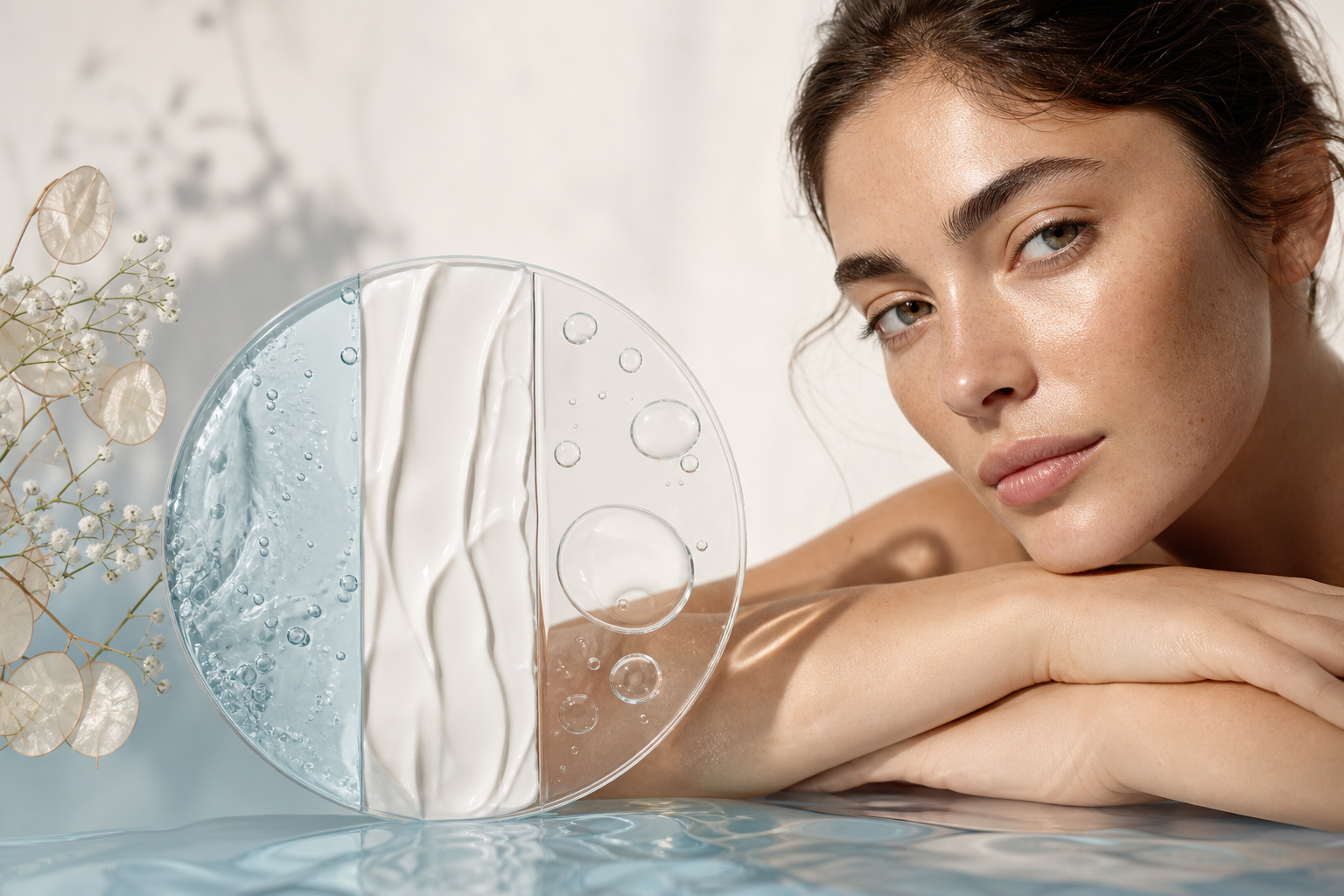
The synergy between humectants, emollients, and occlusives is fundamental for effective hydration. Humectants attract and hold water within the skin, emollients rebuild and soften the lipid matrix, and occlusives seal the moisture to prevent evaporation. This multi-tiered strategy supports not just hydration but also the skin’s structural integrity and resilience against external stresses.
By consistently employing products that marry these ingredients, skin gradually becomes more supple, less prone to irritation, and better equipped to recover from environmental or physiological challenges. Such balanced hydration practices contribute noticeably to overall skin quality and comfort.