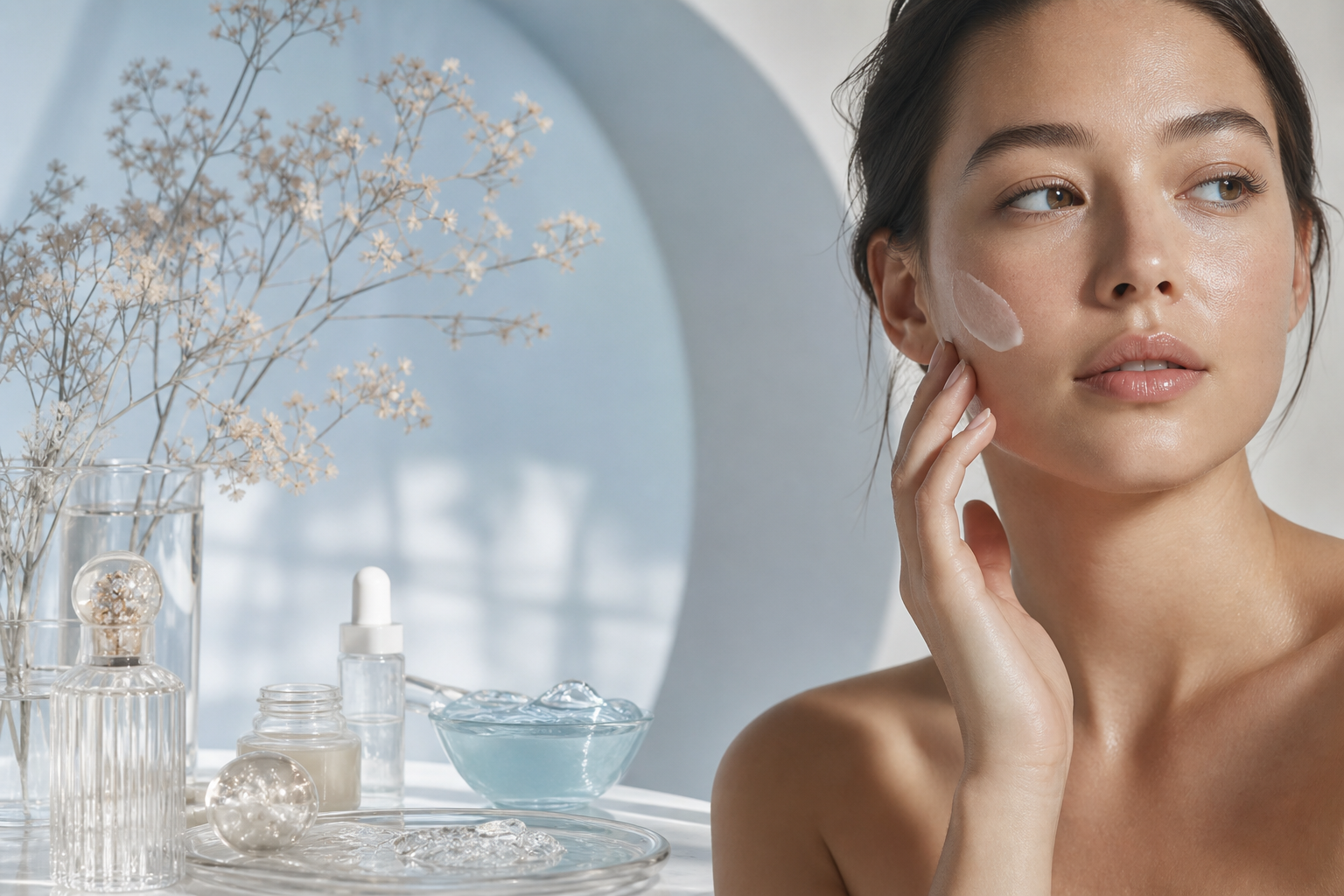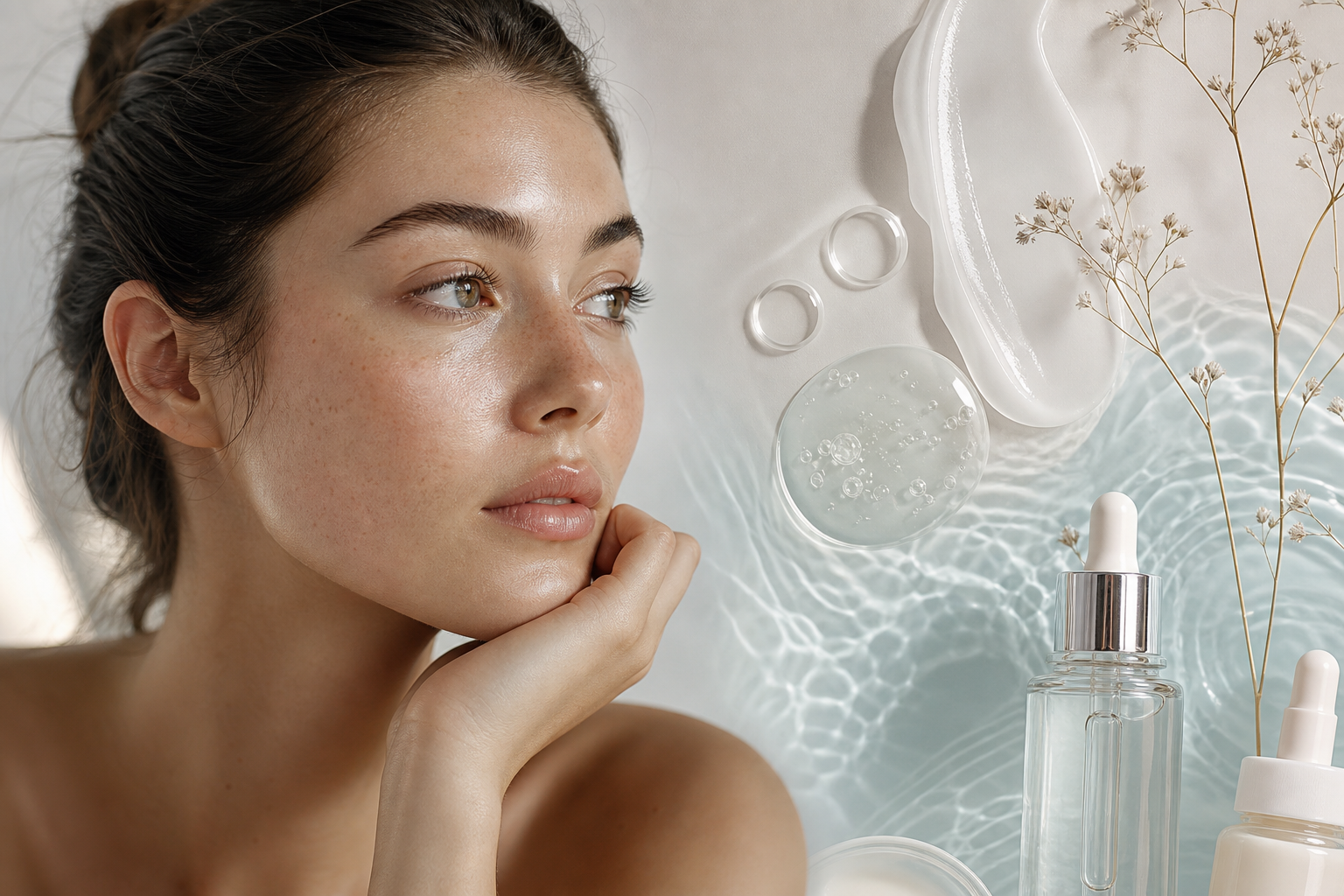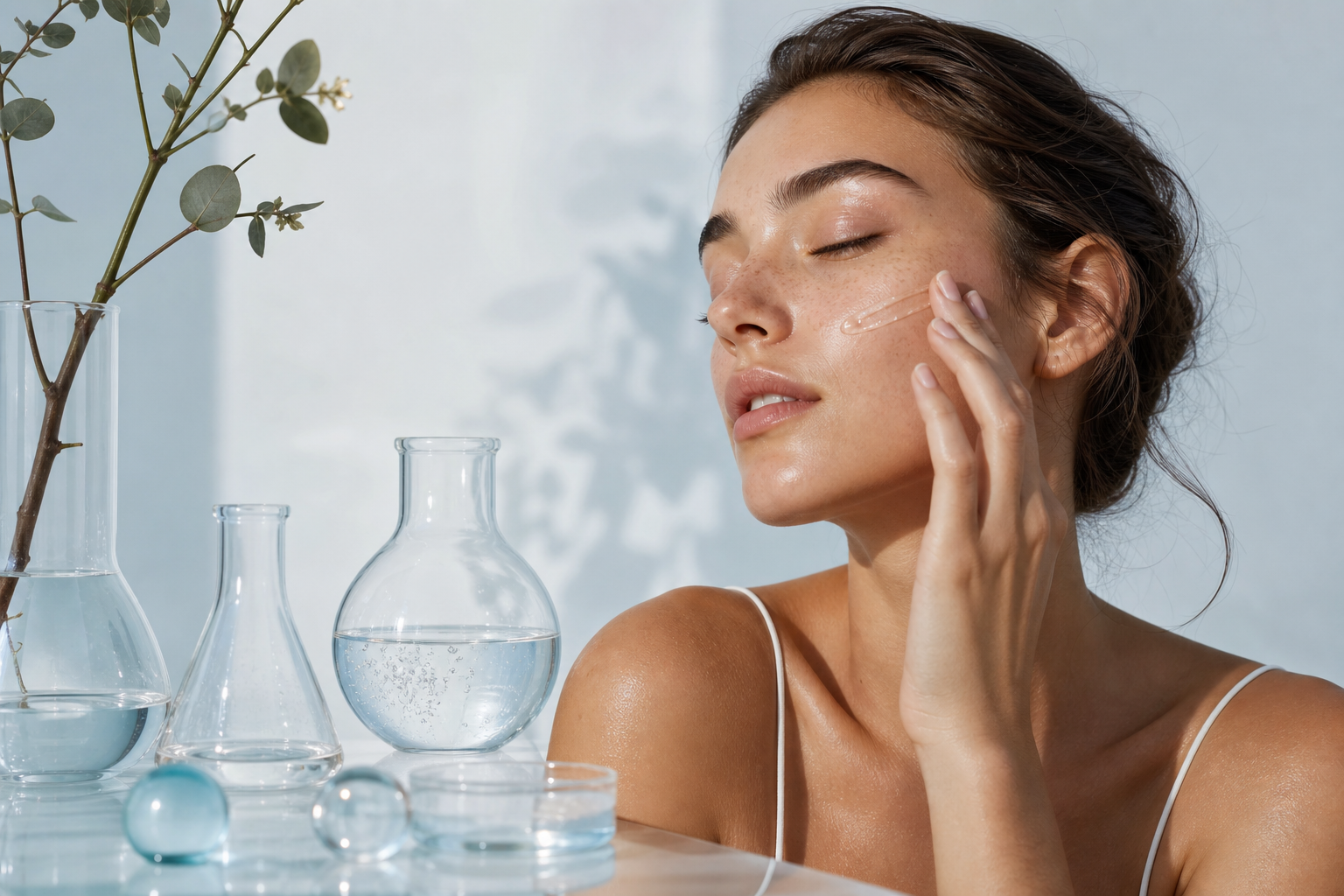
Proper hydration of the skin is a foundational element in maintaining a radiant, healthy complexion. However, achieving effective hydration without clogging pores is a nuanced challenge—particularly for individuals with oily, combination, or acne-prone skin types. While moisture is essential for skin elasticity, barrier function, and overall vitality, many struggle with the adverse effects of heavy creams and oils that exacerbate pores blockage, leading to blackheads and breakouts.
This detailed exploration is tailored for those seeking expert guidance on hydrating their skin optimally while minimizing the risk of pore obstruction. Whether you are battling persistent acne, striving to rebalance your combination skin, or simply interested in a refined skincare routine that respects your skin’s delicate ecosystem, understanding how to hydrate without compromise is crucial. The goal is to empower you with knowledge about effective ingredients, skincare practices, and professional interventions that support sustained skin health.
In the following sections, you will discover the science behind pore-friendly hydration, learn to identify suitable products for your skin type, and uncover strategies for integrating hydration into your daily ritual—without sacrificing clarity or comfort. The insights provided here align seamlessly with recommendations found in authoritative resources like "How to Tailor Hydration to Your Skin Type" and "Hydration and Skin Renewal: The Complete Guide." By the end, you will be equipped to nurture your skin’s moisture reserves confidently and elegantly.
What Does Hydrating Your Skin Without Clogging Pores Really Mean?
Hydrating the skin involves supplementing and maintaining its water content to support essential functions such as elasticity, smooth texture, and resilience against environmental aggressors. However, hydration is not an all-or-nothing concept; it requires selecting methods and products that preserve pore integrity and prevent blockage, especially for sensitive or oil-prone skin.
When pores become clogged, usually due to comedogenic substances or excessive sebum-retentive product application, the skin’s natural barrier is compromised. This fosters an environment conducive to inflammation, acne, and dullness rather than radiance. Consequently, hydrating without clogging pores means choosing formulations that replenish moisture yet remain lightweight and breathable.
Recognizing this distinction is crucial for customizing skincare routines that benefit rather than burden your complexion. This approach ensures that hydration contributes to both immediate skin comfort and long-term dermal health.
Which Ingredients Hydrate Effectively Without Blocking Your Pores?
The foundation of non-comedogenic hydration lies in smart ingredient selection. Key to this are humectants—substances that attract and retain water molecules within the skin layers—without leaving occlusive residues that clog pores.
Some of the most reliable humectants include:
Hyaluronic Acid: Renowned for its remarkable water-binding capacity, hyaluronic acid can hold up to 1000 times its weight in water. It hydrates deeply while maintaining a lightweight feel, suitable for most skin types.
Glycerin: A naturally derived humectant, glycerin efficiently draws moisture from the environment and delivers it to the skin surface, supporting a supple and plump appearance.
Pantenol (Vitamin B5): Beyond hydration, pantenol offers soothing properties and promotes skin barrier repair, ideal for sensitive or reactive skin.
Sodium PCA and Urea: Both contribute to maintaining the skin’s natural moisture factors; they provide hydration without heaviness or pore obstruction.
Conversely, ingredients to approach with caution, particularly if your skin is prone to breakouts, include mineral oils, certain silicones, and heavy waxes or butters. While these can be beneficial for dry skin types, their occlusive nature may trap sebum and debris in the pores, leading to comedones.
How To Integrate Hydrating Products Into Your Routine Without Pore Blockage?
The proper use of hydrating products is as important as ingredient choice. Cleansing the skin thoroughly yet gently sets the stage for effective hydration, removing impurities that might otherwise accumulate. Avoid harsh, stripping cleansers that disrupt the skin’s lipid layer and provoke excessive oil production.
After cleansing, the application order matters: start with light serums rich in humectants to penetrate deeply, followed by moisturizers that lock in hydration—preferably non-comedogenic formulas. Using only the amount your skin can absorb prevents residue buildup that might clog pores.
Consistency in your skincare regimen ensures your skin maintains balanced moisture levels without fluctuation, which can trigger irritation or excess sebum production. Hydration should be layered carefully within your morning and evening rituals to bolster your skin’s natural defenses and hydration reserves.
When Should You Consult a Professional About Hydrating Your Skin?
While many skincare adjustments can be effectively managed at home, persistent issues such as recurrent clogged pores, severe acne, or inflammation merit professional guidance. Dermatologists and licensed aestheticians can conduct thorough assessments and recommend personalized interventions that respect your skin’s needs.
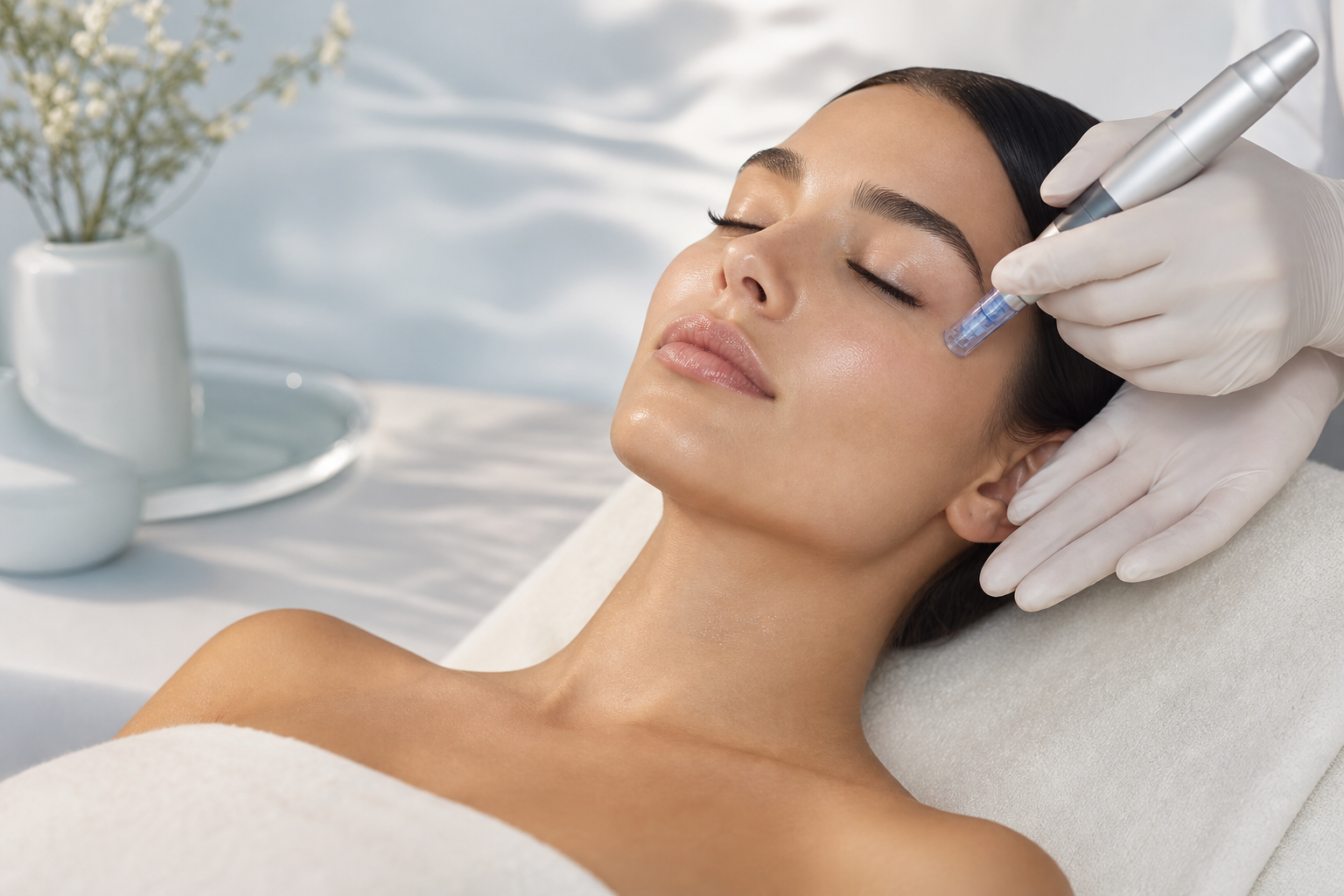
Professional treatments like mild chemical peels with alpha or beta hydroxy acids can exfoliate dead skin cells gently, reducing pore congestion without disrupting hydration. Techniques such as mesotherapy or non-invasive hydration therapies can enhance skin moisture content at a deeper level and support tissue regeneration.
Choosing treatments tailored to your skin type and condition ensures that therapeutic benefits do not come at the cost of barrier damage or excessive dryness. Working with professionals also helps uncover underlying skin concerns that contribute to hydration difficulties, enabling more targeted and effective care.
How To Customize Hydration According to Your Specific Skin Type?
Skin types vary widely in their hydration requirements and tolerance. Understanding your skin type is fundamental to selecting suitable hydrating solutions that avoid pore blockage.
Dry Skin: Typically benefits from richer, emollient products containing lipids that replenish the skin’s natural oils alongside humectants. However, it's important to avoid overly heavy formulations if prone to sensitivity.
Oily and Dehydrated Skin: This paradoxical combination calls for light, water-based hydrating products that restore moisture without adding excess oils. Formulations marked non-comedogenic and oil-free are preferable.
Combination Skin: Often requires a dual approach—lighter hydration in oily zones and richer creams in drier patches. Balancing these needs helps maintain overall skin harmony without triggering breakouts.
Sensitive or Reactive Skin: Needs gentle, fragrance-free hydration enriched with soothing agents like panthenol and aloe vera to mitigate irritation while supplying moisture.
Acne-Prone Skin: Prefers lightweight, non-comedogenic moisturizers with anti-inflammatory properties to hydrate damaged skin without worsening pores or acne lesions.
For a deeper dive into strategies tailored to individual skin types, consider exploring detailed discussions in articles such as "Hydrating Dry Skin," "Hydrating Oily and Dehydrated Skin," and "Hydration Strategies for Acne-Prone Skin."
What Visual and Sensory Changes Indicate Successful Pore-Friendly Hydration?
Well-hydrated skin that maintains clear pores typically exhibits a vibrant, luminous complexion with an even tone and smooth texture. It appears supple and resistant to flaking or tightness, indicating a robust moisture barrier.
Additionally, such skin often demonstrates reduced incidences of clogged pores, blackheads, and inflammatory lesions. The pores themselves appear less pronounced, with no visible congestion.
Achieving this state requires consistent care with appropriate products and thoughtful application, alongside lifestyle factors like balanced nutrition, adequate hydration, and environmental protection.
Frequently Asked Questions About Hydrating the Skin Without Clogging Pores
Do all moisturizers clog pores?
Not all moisturizers clog pores. Many products are specifically designed to be non-comedogenic, especially those formulated for oily or acne-prone skin. Checking product labels and ingredient lists helps choose pore-friendly options.
How can I tell if my skin needs hydration or nourishment?
Hydration refers to water content in the skin, whereas nourishment involves adding oils and lipids. Signs of dehydration include tightness and flakiness, while dry skin feels rough and lacks lipid content. Adjusting your skincare accordingly ensures your skin’s needs are met.
Are natural oils good for hydrating my skin without clogging pores?
Some natural oils like grapeseed oil or aloe vera gel can hydrate and soothe without heavy pore-clogging risks. However, natural does not always mean safe for every skin type. It's advisable to patch test and consult with a skincare professional.
Can professional treatments replace daily hydration routines?
Professional treatments complement but do not replace daily skincare. Home routines provide continual hydration and maintenance, while professional services address deeper concerns and enhance skin health.