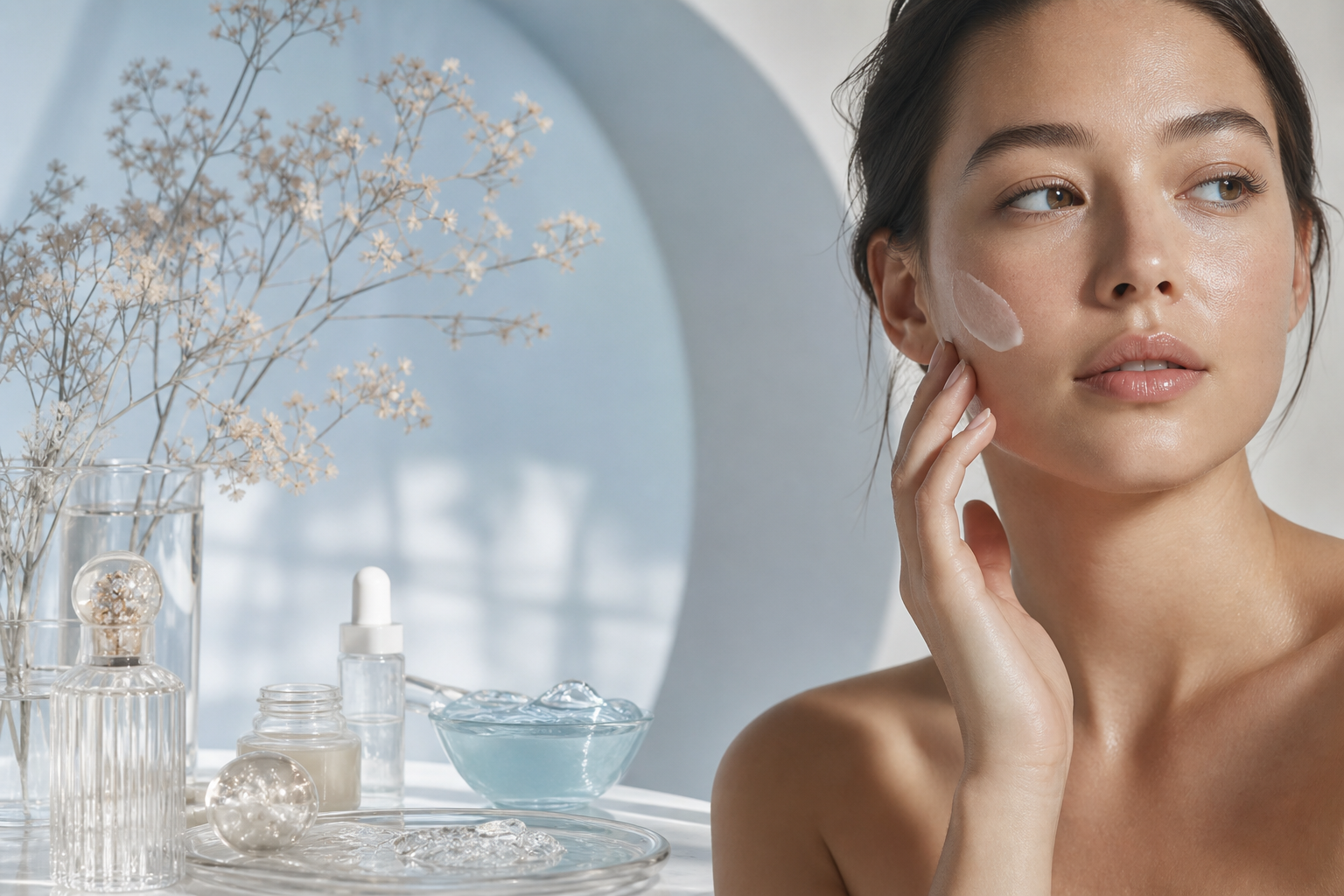
Overnight hydrating masks have surged in popularity as a specialized skincare solution designed to combat dryness and dehydration by working intensively through the night. These masks provide an opportunity for skin to recover, replenish moisture, and enhance suppleness during a period when external aggressors like UV rays and pollution are absent. Understanding how these products operate, who benefits most from them, and what realistic results can be expected is essential for individuals looking to incorporate effective hydration strategies into their skincare regimens.
This article offers a comprehensive exploration of overnight hydrating masks, detailing their mechanisms, target users, advantages, potential drawbacks, and practical guidelines for use. It aims to demystify these products, helping readers make informed decisions and optimize their nightly routines for healthier, radiant skin.
Whether you struggle with persistently dry or dehydrated skin, seek a boost in skin elasticity, or want to prepare your complexion for seasonal changes or environmental stressors, gaining insight into the efficacy of overnight hydrating masks is invaluable for elevating your skincare approach.
What Are Overnight Hydrating Masks and How Do They Work?
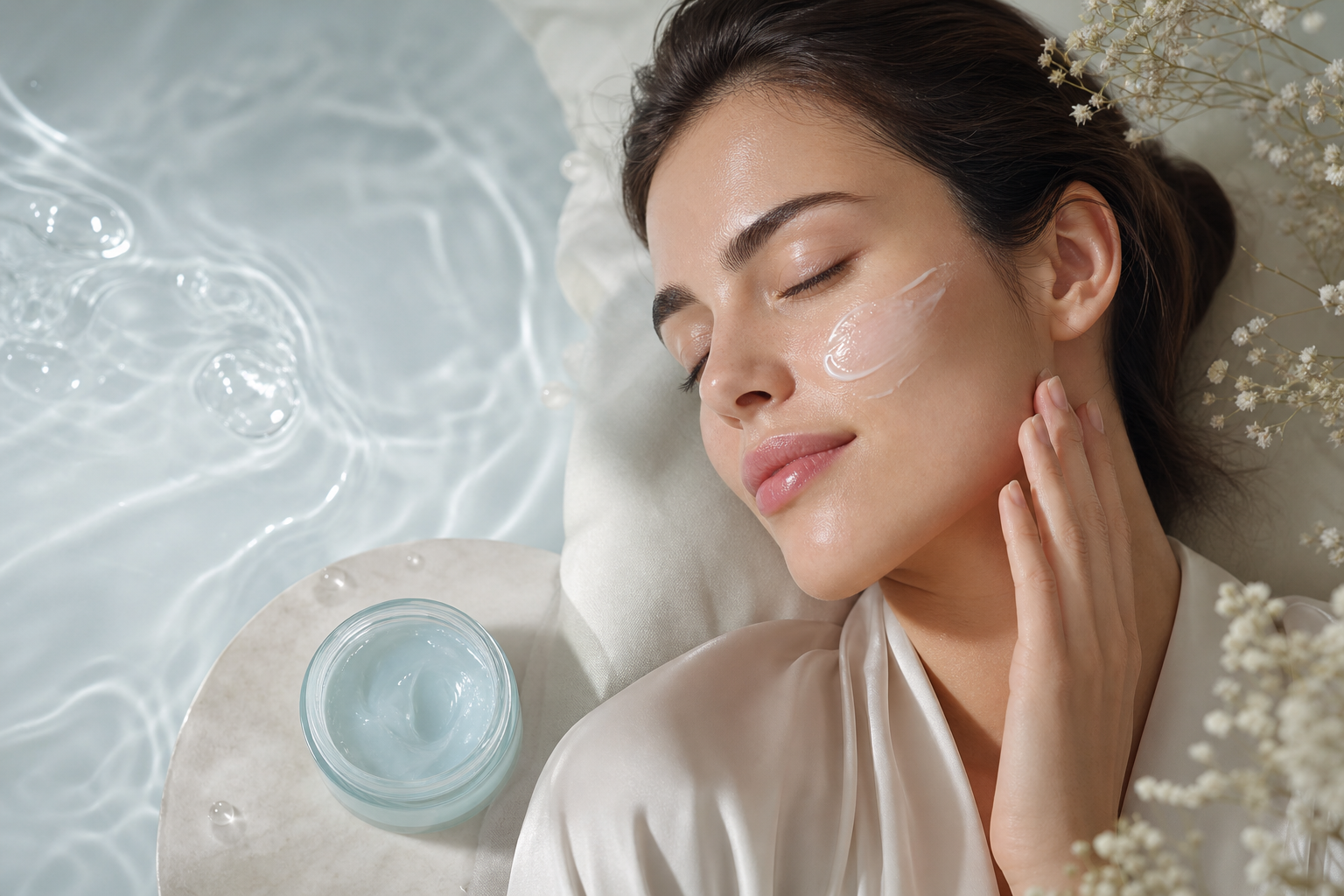
Overnight hydrating masks are concentrated skincare treatments applied before bedtime to deliver a sustained release of moisture and nutrients to the skin. Unlike typical day creams focused on protection against external elements, these masks prioritize deep nourishment, targeting the skin's natural repair processes that peak during sleep.
Functionally, they combine several moisturizing principles into a holistic treatment. They facilitate moisture retention by forming an occlusive layer that limits water loss, incorporate humectants such as hyaluronic acid and glycerin that attract and bind water within the epidermis, and include emollients like ceramides and oils to restore the lipid barrier essential for skin flexibility and defense.
The formulation of overnight masks tends to be richer and thicker than regular moisturizers, enabling prolonged adherence and penetration without rapid evaporation. The absence of environmental stress at night allows the active ingredients to interact uninterruptedly with the skin, making this an ideal window for intensive hydration.
Who Benefits the Most From Using Overnight Hydrating Masks?
These masks are primarily suited for individuals with dry or dehydrated skin, conditions characterized by insufficient water content within the skin layers resulting in tightness, flakiness, and dull appearance. Importantly, dehydration differs from dryness; even oily skin types can experience dehydrated skin, making overnight hydrating masks relevant across diverse skin profiles.
Beyond those with dryness issues, people with normal or combination skin seeking to enhance skin texture or counteract seasonal dryness—such as during winter months or after sun exposure—may find benefit in periodic use. Those incorporating potent active ingredients like retinoids or acids in their regimen often use hydrating masks to soothe and replenish moisture, mitigating potential irritation.
However, very oily or acne-prone skin types should approach these masks cautiously, opting for formulations that do not clog pores or exacerbate oiliness. Products labeled as non-comedogenic and lightweight gels may be preferable in such cases.
What Are the Key Advantages of Using Overnight Hydrating Masks?
Introducing overnight hydrating masks into a skincare routine offers multiple benefits that support skin health and appearance. Foremost, they provide an intensive supply of moisture that can significantly improve skin softness and plumpness. By optimizing hydration, wrinkles and fine lines associated with dryness may appear less noticeable.
The enhancement of the skin barrier function is another vital advantage. A robust barrier helps the skin defend against irritants and reduces trans-epidermal water loss, a fundamental factor in maintaining long-term hydration. As the masks aid in lipid restoration, they contribute to a more resilient and elastic skin surface.
Moreover, the experience of applying a soothing, fragrant overnight mask can elevate the nightly skincare ritual, promoting relaxation and potentially contributing to improved sleep quality. Good rest additionally supports the skin’s natural regeneration processes.
While not anti-aging treatments per se, these masks complement anti-aging efforts by maintaining the skin’s hydration status, an essential backdrop for keeping the complexion youthful and vibrant.
What Limitations Should Consumers Be Aware Of When Using These Masks?
Despite their benefits, overnight hydrating masks are not cure-alls. Their effectiveness depends on product formulation, consistency of use, skin type, and the presence of underlying dermatological conditions. They cannot replace targeted treatments needed for specific disorders such as eczema, psoriasis, or severe acne.
Some formulations may contain fragrances, preservatives, or active compounds that could irritate sensitive skin. Patch-testing a small area prior to full-face application is advisable to detect adverse reactions early.
Overuse can disrupt skin homeostasis; applying these rich masks too frequently may overwhelm the skin’s natural balance, potentially leading to breakouts or dependency. Manufacturers generally recommend usage 2-3 times per week, aligning with the skin’s renewal cycle.
How Should Overnight Hydrating Masks Be Integrated Into a Skincare Routine?
Optimal integration involves applying the mask as the final step of an evening routine: first cleansing to remove dirt and makeup, then toning to balance pH, followed by serums or lightweight treatments addressing specific concerns, and finally, a thin layer of the hydrating mask. The mask stays on overnight to maximize interaction with the skin.
Users should avoid layering heavy treatments with the mask, which may lead to congestion or irritation. Emphasizing hygiene by using clean hands or applicators ensures product purity and reduces the risk of contamination.
Consistency and attentiveness to how the skin responds will guide adjustments to frequency and product choice, fostering gradual, sustainable improvements in hydration and texture.
How Do Overnight Hydrating Masks Compare With Professional Hydration Treatments?
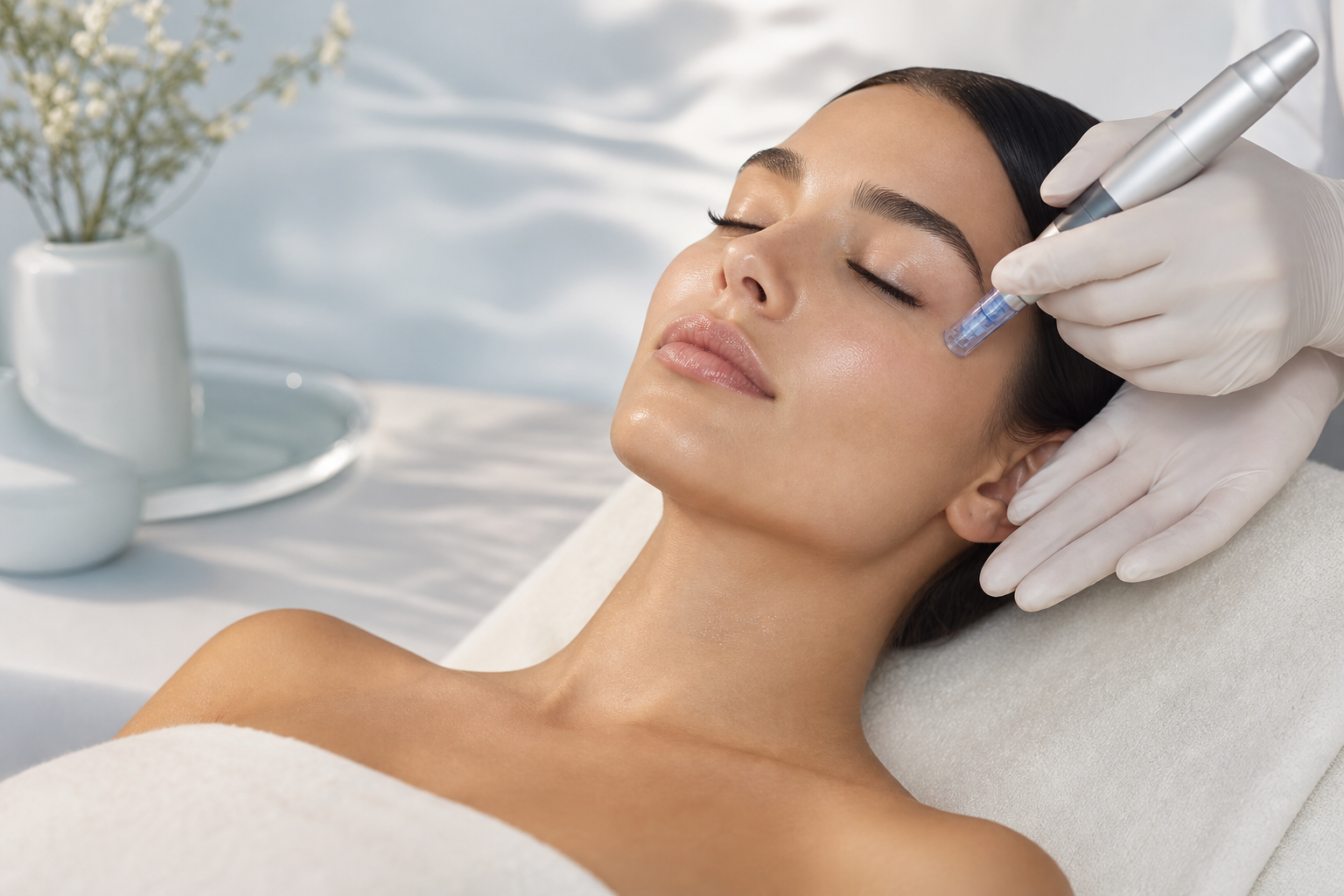
While overnight masks contribute significantly to home skincare, they complement but do not replace professional treatments administered in clinical or spa settings. Procedures such as mesotherapy, chemical peels, or device-assisted hydration deliver concentrated active ingredients deeper into the skin layers under controlled conditions.
For those with mild to moderate concerns, hydrating masks act as maintenance and support, enhancing and prolonging the effects of clinical treatments. However, more severe or persistent skin issues necessitate expert evaluation and targeted interventions beyond topical masks.
What Should One Look for When Choosing a Quality Overnight Hydrating Mask?
Selecting a suitable mask involves careful evaluation of ingredient lists and product claims aligned with individual skin needs. Key ingredients to seek include humectants like hyaluronic acid and glycerin, emollients such as ceramides and squalane, and soothing botanical extracts. Products free of heavy silicones, mineral oils, irritating fragrances, and unnecessary additives may be preferable.
Certifications indicating dermatological testing and hypoallergenic formulations offer added assurance for those with sensitive skin. Selecting from reputable brands with transparent labeling and user reviews can further guide sound choices.
Frequently Asked Questions About Overnight Hydrating Masks
How often should overnight hydrating masks be used? Typically, 2-3 times per week suffices for most skin types, with frequency adjusted based on dryness severity and product recommendations.
Can overnight masks cause breakouts? Potentially yes, especially if the formula is too heavy or comedogenic for one’s skin. Choosing non-pore-clogging formulations is critical for acne-prone individuals.
What is the difference between an overnight mask and a regular moisturizer? Overnight masks usually have richer, more concentrated formulas designed to remain on the skin longer, providing sustained hydration and active ingredient delivery throughout the night.