Textures, patterns, and statement nail art represent a compelling evolution in the world of manicure, where nails transcend their traditional role of simple grooming to become canvases of personal expression and sophisticated design. For enthusiasts and professionals alike, these nail art elements offer a vibrant spectrum of creative possibilities that fuse art, style, and individual identity into one accessible form of wearable art.
This realm caters to a diverse audience: from those who seek subtle but unique enhancements to their everyday look, to daring individuals eager to showcase bold concepts through their fingertips, and professionals committed to mastering these intricate techniques. Understanding the nuances of texture and pattern application, as well as how to balance statement pieces with practicality and nail health, is essential for anyone wishing to explore or elevate this artistic facet of manicure.
In this exploration, we uncover what distinguishes textures and patterns in nail art, how these effects are created and adapted to various nail lengths and shapes, and the ways in which these styles can be maintained and personalized for lasting, wearable beauty. Far from mere decoration, this approach to nail art merges contemporary trends with timeless craftsmanship.
Adding Dimension and Sensory Experience Through Nail Textures
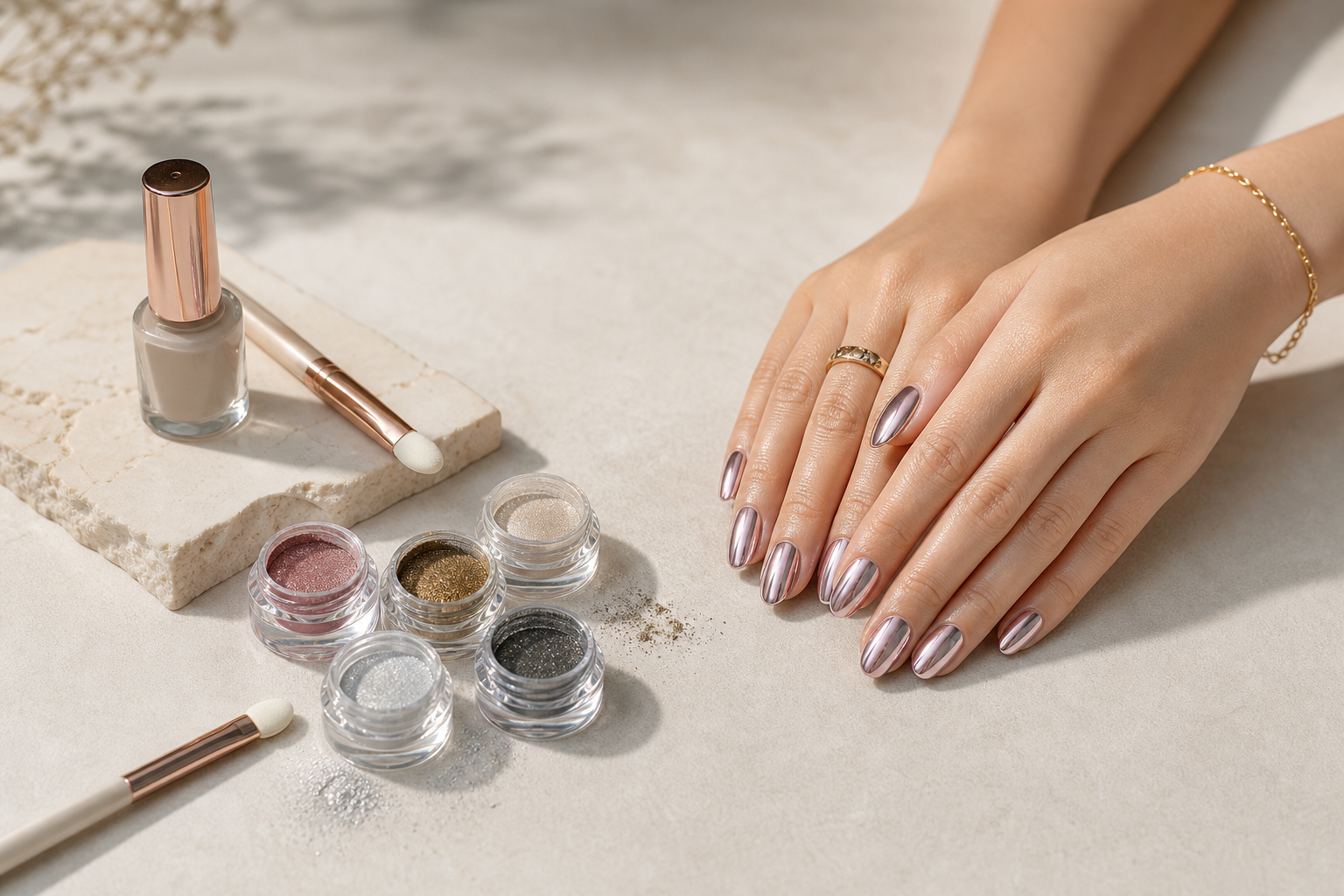
Texture in nail art introduces a tactile and visual depth that breaks the monotony of traditional smooth, glossy nails, inviting touch and closer inspection. These effects range from subtle matte finishes to luxurious velvet feels, from intricate 3D sculptural details to dazzling, textured glitters that catch the light differently with each movement.
Creating these textures involves the strategic use of specialized materials and techniques. For instance, matte topcoats transform shiny surfaces into soft, reflective finishes without gloss, giving nails an understated elegance suitable for every occasion. Velvet-like textures are achieved using fine flocking powders or gel systems designed to retain a plush, soft appearance, adding a unique sensory layer to the manicure.
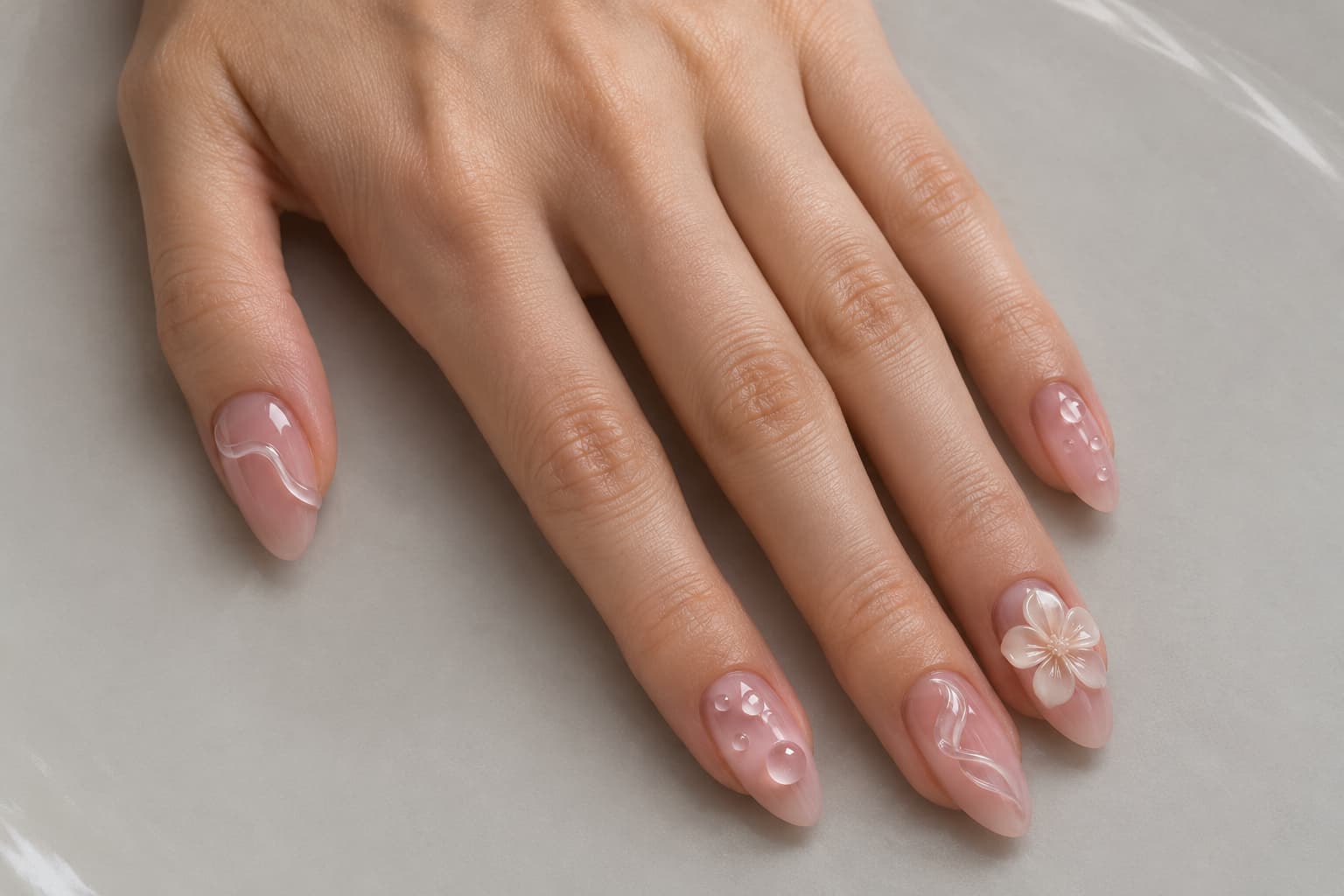
Three-dimensional nail art, particularly, captivates by elevating design from flat imagery to sculptural forms. Employing builder gel, acrylics, or gel pastes allows for the crafting of raised floral motifs, geometric shapes, or abstract swirls. This sculptural dimension is most effectively executed on nails that provide adequate length and strength, such as medium to long enhancements, though subtle miniaturized forms can be adapted for shorter nails with expert technique.
Importantly, not all nails are suited equally to textured designs. Short, naturally delicate nails might favor soft textures or accent nails with minimal raised detail, preserving nail integrity and flexibility. Conversely, longer nails afford a broader canvas for bolder, complex textural art that commands attention and expresses distinct personality traits.
The Language of Patterns: From Classic Motifs to Contemporary Complexity
Patterns on nails have transcended the conventional dots, stripes, and floral prints, expanding into a rich visual lexicon that incorporates everything from animal prints to sophisticated marble effects and fine line abstract illustrations. Each pattern style carries its own demands in terms of technique and aesthetic harmony with nail length and shape.
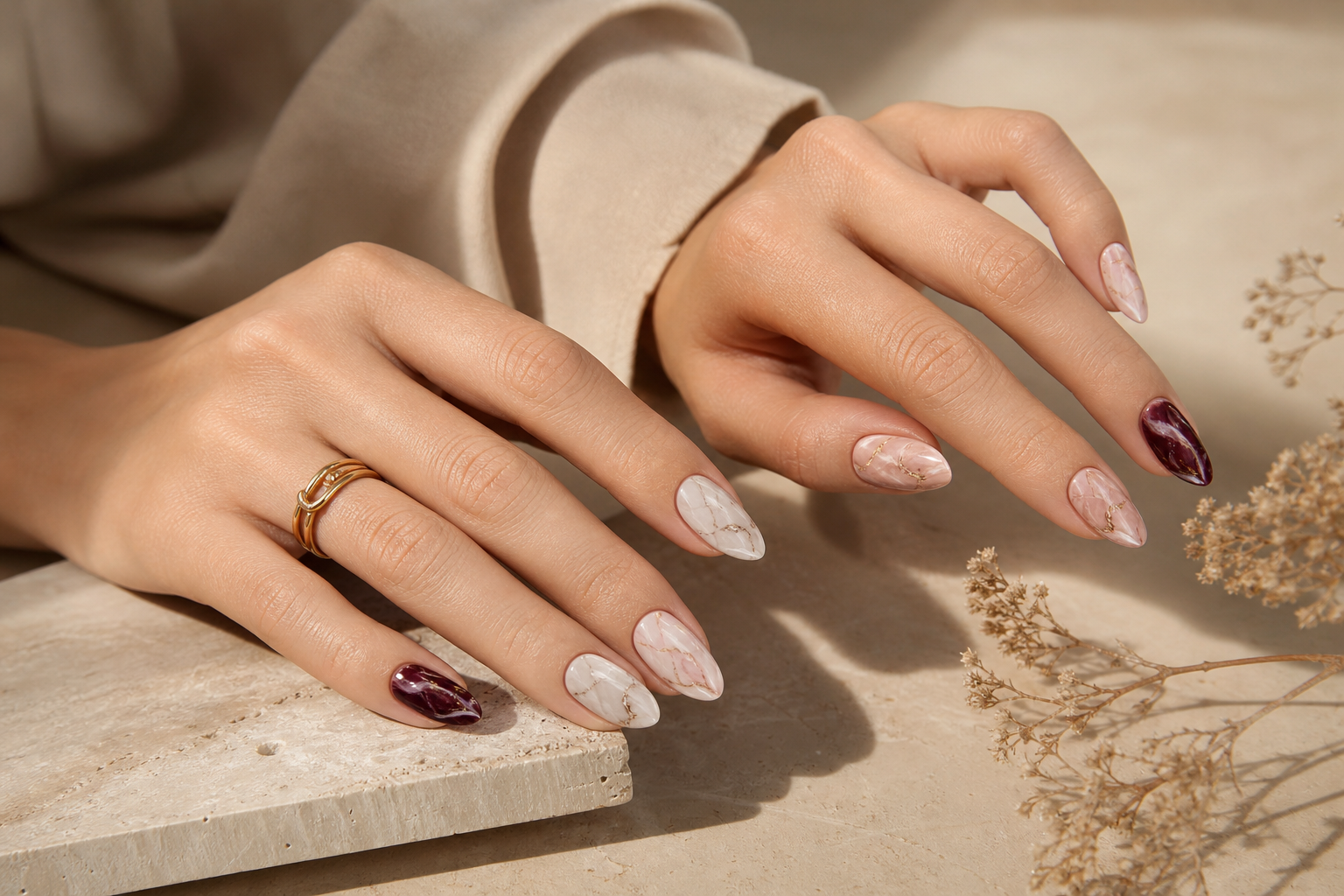
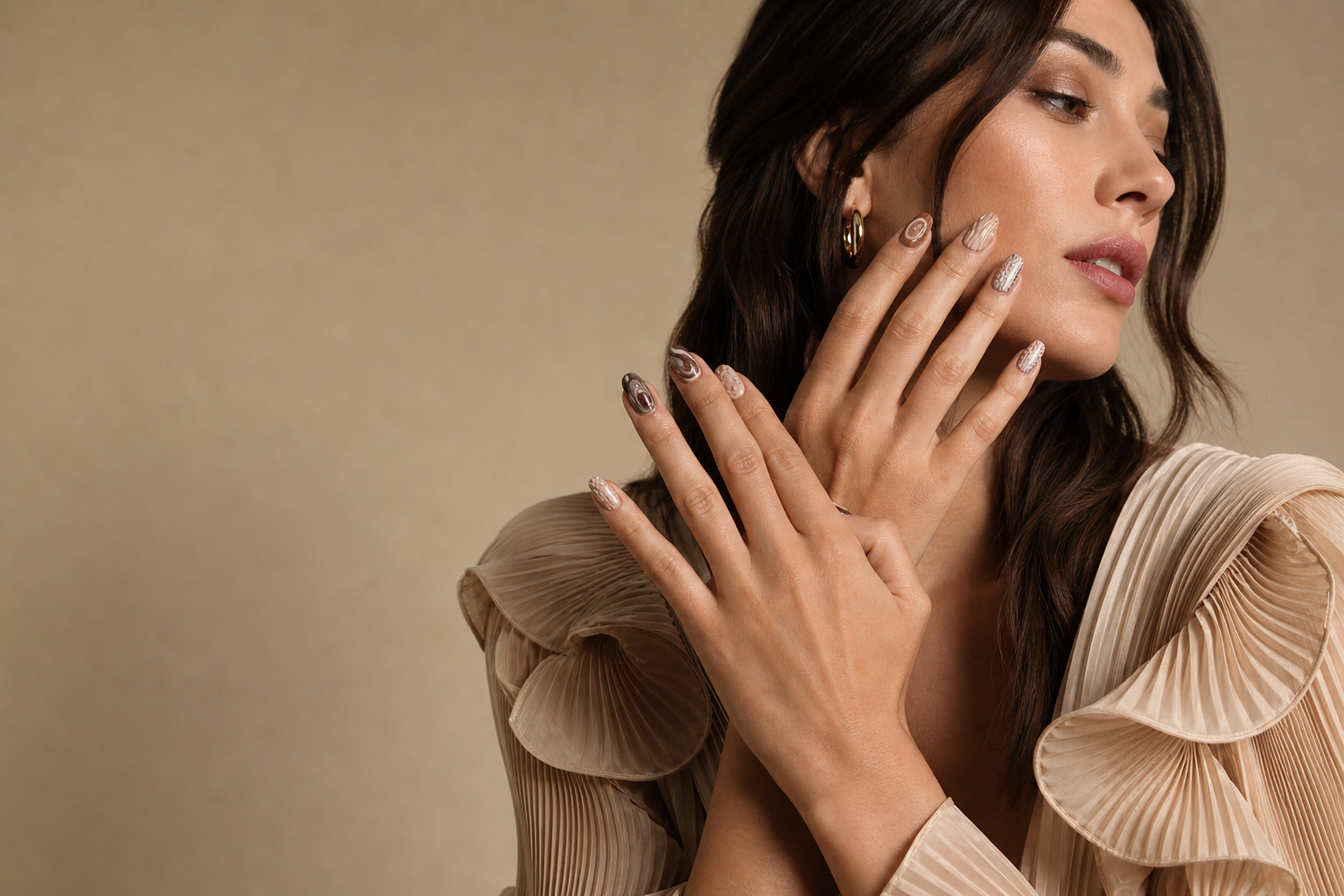
For example, marble and tortoiseshell patterns require a foundation of blended hues and deliberate smudging techniques, best executed on medium to long nails to allow the complexity of color transitions and veins to shine without becoming visually congested. The use of gradient gels and meticulous blending tools helps achieve these elegant, organic designs that mimic natural stone textures.
Animal print patterns — such as leopard, zebra, and cow prints — enjoy perennial popularity, combining a wild edge with fashion-forward versatility. Precision in applying these motifs is crucial to balance detail and readability, especially as nail length shortens. For shorter nails, simplified interpretations or accent nails featuring the print prove more practical while maintaining the trend's vitality.
Abstract and asymmetric patterns bring a modern art sensibility to manicure, often pairing unexpected color palettes and shapes that reflect urban aesthetics and personal expression. Such designs can range from minimal negative space effects that emphasise the natural nail to bold clashing patterns that provide visual impact, often incorporating fine brushwork, stamping, or airbrush techniques.
Statement Nail Art: An Empowering Medium of Personal Expression
Statement nail art denotes a genre of manicure where design transcends subtlety, embodying boldness, creativity, and unapologetic personality. This form of nail art often features unusual color combinations, oversized and asymmetrical patterns, and pioneering techniques such as metallic linework, negative space interplays, or mixed-media incorporations like rhinestones and foils.
Each statement nail functions like a miniature canvas that communicates style and attitude. Yet executing such impactful designs requires not only artistic vision but meticulous preparation, as the complexity and layering involved can increase application time and necessitate advanced technical skills, especially to ensure durability and comfort.
The physical characteristics of the nails influence the final statement effect profoundly. Longer nails provide a more expansive stage for detailed illustrations and layered designs, enhancing the narrative potential of the nail art. On shorter nails, creating statement effects implies a balance between complexity and legibility — often involving inventive placement of motifs or focusing the maximal detail on a few accent nails.
A professional collaboration between client and nail technician often yields the best result, ensuring that the statement nail art aligns with lifestyle needs, desired fashion statements, and nail health considerations. The dialogue between creative ambition and practical execution elevates the manicure from mere decoration to an authentic self-expression tool.
Integrating Technique, Nail Health, and Wearability for Lasting Results
Successful integration of textures, patterns, and statement designs hinges on expert technique and respect for nail health. Preparation plays a critical role: properly cleansing and softly buffing the natural nail surface provides an optimal base for adhesion and polish performance, while protecting the cuticles and surrounding skin ensures comfort and prolongs wear.
Top-tier gel systems, both for base and top coats, facilitate multi-layered designs and create sturdy, resilient surfaces that withstand everyday activities. For 3D elements, builder gels or specialized gel pastes add strength and flexibility, critical to maintain sculptural detail without compromising nail integrity.
Post-application care is equally vital. Regular hydration with cuticle oils and hand creams preserves skin health and helps prevent brittleness in enhancements. Protective measures such as wearing gloves during household tasks limit exposure to chemicals that could damage intricate nail artwork. In addition, timely touch-ups or refreshes maintain the manicure's pristine appearance over prolonged periods.
Recognizing limitations — for example, avoiding overloading short or weak nails with heavy 3D decorations — preserves nail health and prevents premature lifting or breakage. Consulting with trained nail professionals assures that techniques and products chosen best suit individual nail conditions and lifestyle factors to harmonize aesthetics with durability.
Adapting Textures, Patterns, and Statements to Nail Length and Shape
Choosing appropriate textures and patterns inherently depends on the nail’s natural characteristics and the potential for safe enhancements. Short, natural nails often benefit from milder textures like soft matte finishes or finely textured powders that add nuance without bulk. Patterns on such nails should lean towards minimalism, favouring negative space or subtle accents to avoid visual overcrowding.
Medium-length nails open broader creative options — intricate marbling, small-scale animal prints, or layered gradients work well here, balancing visual appeal and practicality. The moderate surface area allows patterns to be detailed without overwhelming the nail architecture.
Long nails, whether natural or extended, present the most versatile canvas. Length supports elaborate 3D sculpting, vibrant statement elements, and complex pattern layering, offering a platform where artistic ambitions can unfold fully. The curvature and shape, such as almond, coffin, or stiletto, impact how light interacts with textures and patterns, inviting thoughtful design placement to maximize aesthetic effect.
Professionals carefully assess these factors during consultation to recommend textures and patterns that enhance natural nail features and align with personal style while considering how each choice influences ease of wear and nail maintenance.
Examples from Contemporary Collections and Inspirations
The contemporary nail art scene offers abundant inspiration that seamlessly fuses texture and pattern with statement impact. Designs featuring the 'milky' translucent overlay combined with delicate floral blooms showcase how softness in areal texture complements intricate patterning. Similarly, ombré nails enhanced by soft-focus blooming gel techniques produce ethereal gradients that merge tactile and visual artistry eloquently.
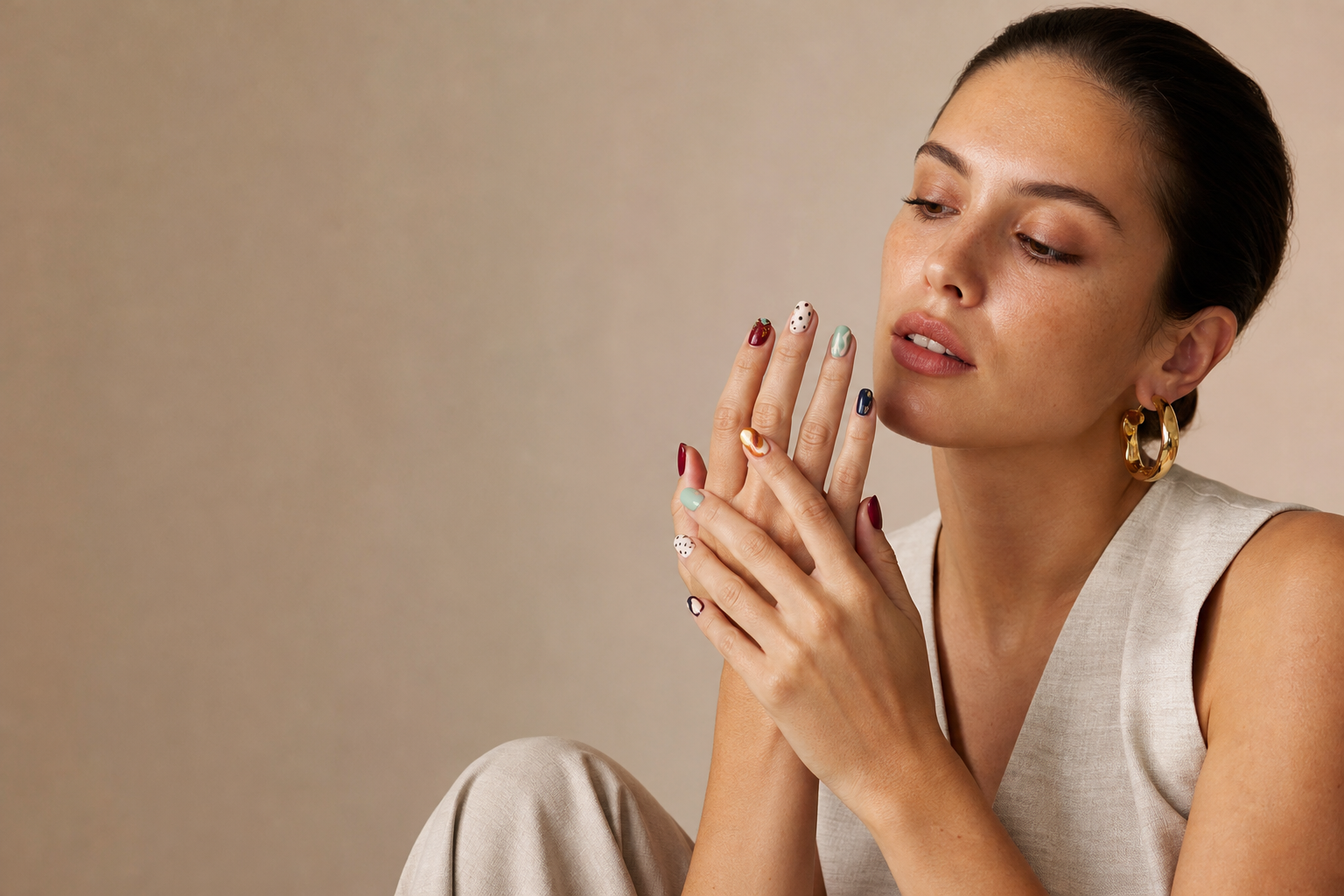
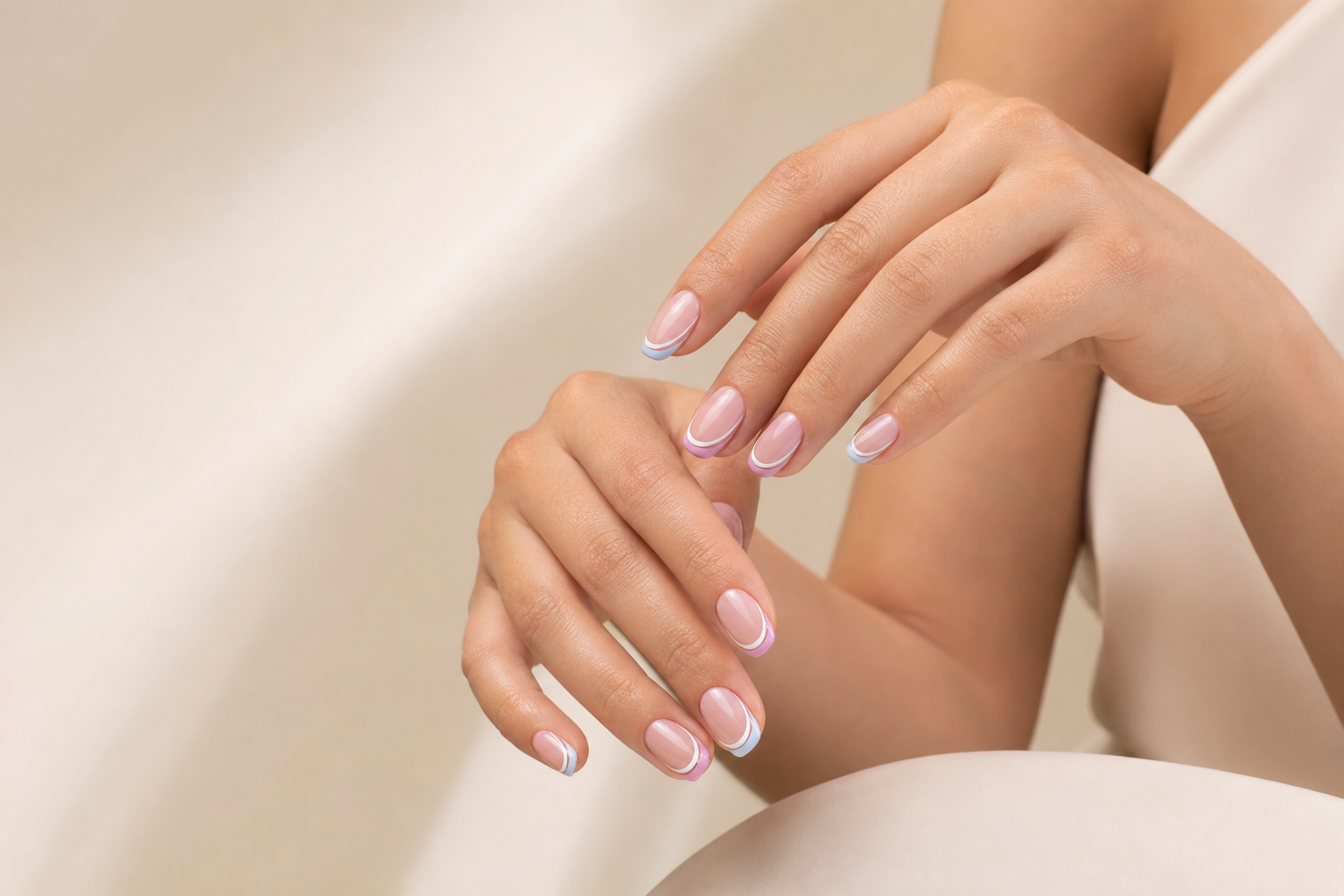
Mismatched manicures – where each nail carries a distinct pattern or texture – epitomize the spirit of modern expressiveness. They merge confident design mastery with playful unpredictability, reshaping conventional manicure uniformity. Meanwhile, negative-space designs leverage natural nail visibility alongside carefully textured embellishments, reflecting a conscious balance between design and nail health.
Seasonal colors also influence texture and pattern selection. Autumnal palettes might inspire velvety matte finishes paired with tortoiseshell patterns, while spring invites pastel gradients and delicate floral motifs. The harmony between texture, pattern, and color ensures that nail art resonates with personal identity and current trends alike.