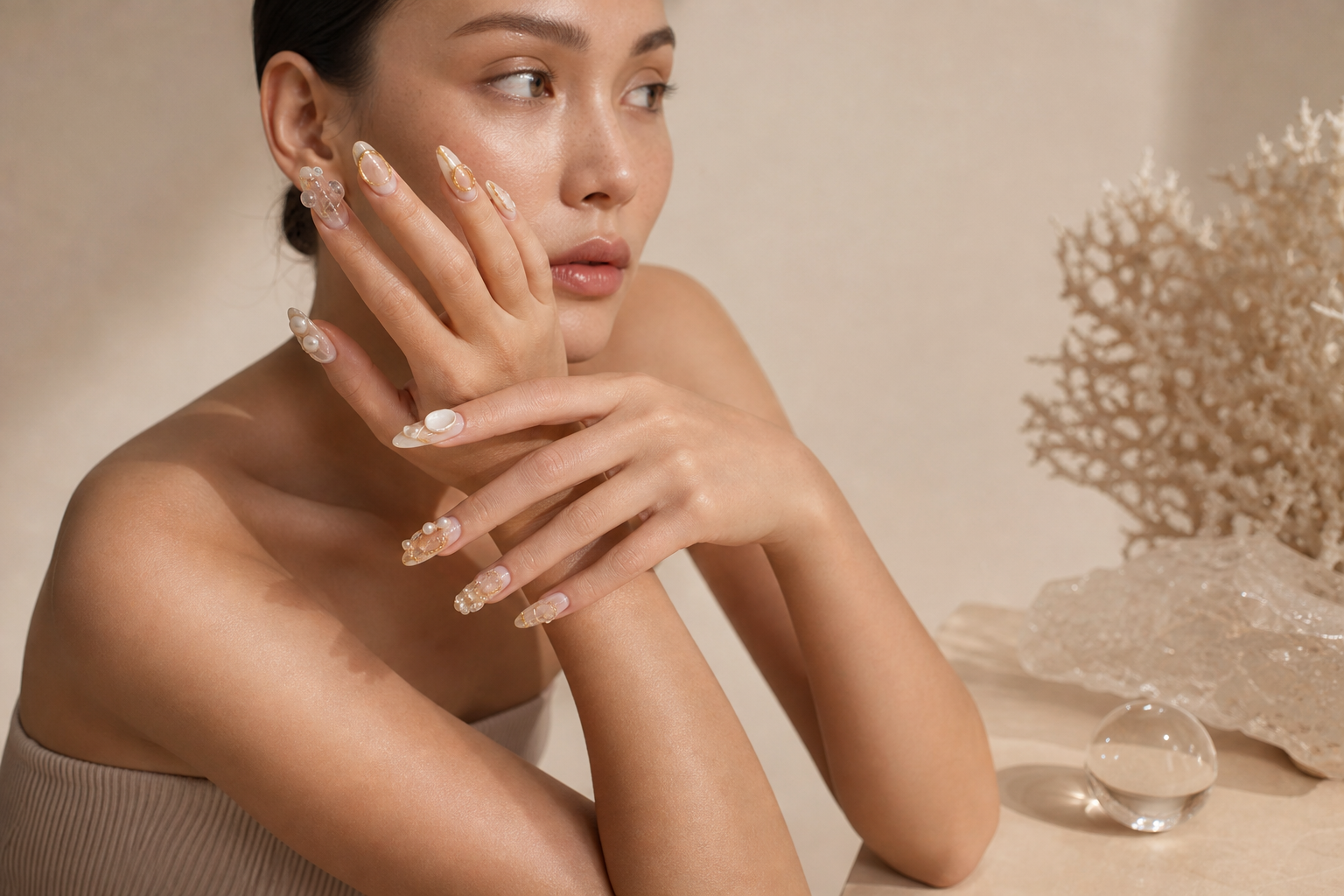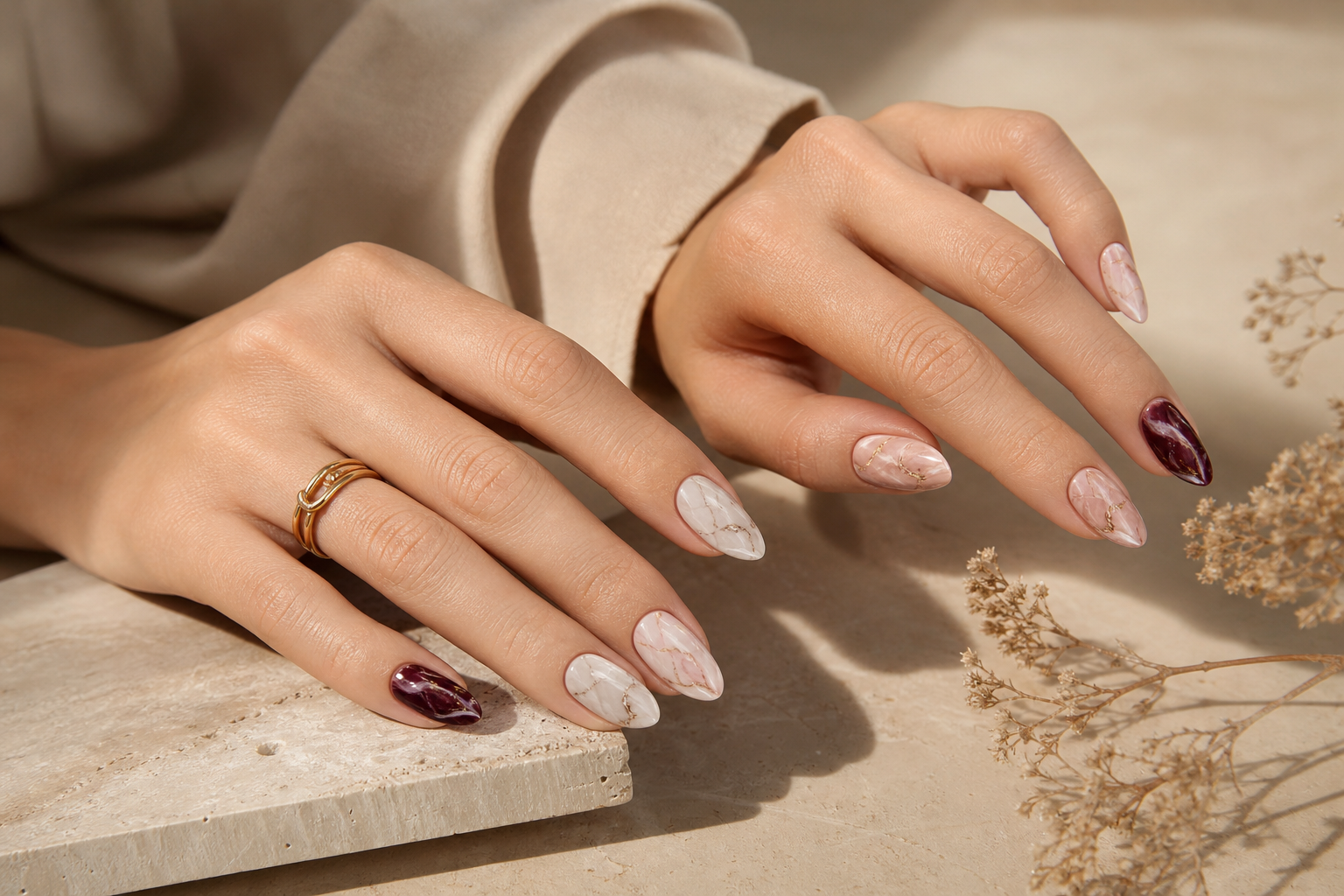
Marble nails have emerged as a sophisticated and visually captivating nail art technique, expertly imitating the intricate veining and shading of natural marble stone. This unique style marries artistic creativity with organic elegance, enabling individuals to wear a one-of-a-kind design that exudes refined complexity on their fingertips. Ideal for those seeking a subtle yet striking nail aesthetic, marble nails offer versatility, fitting seamlessly into both everyday and special occasion looks.
Far from a mere monochromatic polish or simple pattern, the marble effect demands a nuanced understanding of color interaction, texture blending, and precise application methods. This manicure trend fits neatly within the broader realm of contemporary nail fashions that emphasize textures, patterns, and statement art, delivering opportunities for expression through both neutral palettes and bold, vivid hues. For enthusiasts and professionals alike, mastering the marble effect requires attention to detail, quality materials, and a bespoke approach to suit individual nail shapes and personal styles.
In the discussion that follows, we delve deeply into the technical principles underlying marble nails, clarify realistic expectations and inherent limitations, consider safety and hygiene standards, and provide practical advice on color choices and maintenance for enduring beauty. Understanding these dimensions helps ensure that the marble manicure transcends transient trends to become a refined expression of nail artistry and personal flair.
The Technical Foundations of Marble Nail Artistry
Creating the marble effect on nails is a sophisticated technique involving various methods of layering and blending polishes or gels to replicate the natural streaks and ridges seen in marble stone. A primary method involves a wet-on-wet application, where two or more colors are applied onto still-wet layers, allowing pigments to diffuse subtly and create organic shapes and veins. This dynamic interaction of colors produces a fluid, naturalistic pattern that is difficult to achieve through simple brush strokes.
Another frequently employed approach uses fine brushes or nail art tools such as needles or toothpicks to draw thin, irregular lines that resemble marble veins. These lines can be enhanced with subtle shading or color gradients to add depth and realism. Choosing between these techniques depends on the desired complexity, nail size, and the artist’s skill level, as too much manipulation can cloud the clarity of the design.
Gels and gel polishes are particularly suited for marble nail art because they offer a longer working time before curing under UV or LED lamps, allowing for careful blending and correction. A translucent gel base often serves as a canvas for the layers of colored gels, contributing to a three-dimensional, polished finish reminiscent of marble’s reflective surface. The final step involves applying a high-quality top coat that enhances shine and durability, sealing the delicate patterns from premature wear.
Every manicure artist must evaluate nail shape, size, and natural characteristics before selecting techniques and color mixes that will maximize the marble effect’s impact. The individualized process underscores that this is an artisanal craft rather than a standardized procedure.
Neutral Tones as a Canvas for Elegant Marble Patterns
Neutral colors hold a prominent position in marble nail art due to their understated sophistication and ability to highlight fine details without overpowering the design. Shades such as cream, beige, taupe, grays, off-whites, and pastel hues create a versatile foundation that evokes both modern minimalism and classic elegance.
When applied as a base, these subtle colors amplify the naturalistic veins typical of marble, especially when rendered in complementary grays, soft browns, or faint blushes. The gentle contrast results in patterns that are visible yet restrained, perfect for formal environments like corporate settings or events where a refined look is paramount.
The muted palette also enhances compatibility with various fashion styles and accessories, providing a harmonious backdrop that rarely clashes with clothing choices. Additionally, lighter neutral designs tend to exhibit better longevity in appearance, as minor chips or nail growth do not disrupt the aesthetic as noticeably as in darker or more saturated tones.
Bold Color Palettes for a Dramatic Marble Statement
On the opposite spectrum, employing bold and vibrant colors in marble nail art introduces an energetic and avant-garde edge. Intense hues such as crimson, cobalt blue, emerald green, sunshine yellow, and vivid purples push the boundaries of traditional nail art, creating eye-catching canvases ideal for self-expression and artistic experimentation.
These bright colors demand precise craftsmanship to maintain clarity and elegance within the otherwise dynamic and busy compositions. Uneven blending or disproportionate veining may result in cluttered designs that distract rather than captivate. Therefore, attaining balance between base colors and pattern accents is crucial to sustaining sophistication.
For many, choosing such vibrant marble nails conveys boldness and creativity, serving as wearable art that stands out at social occasions and creative industries. However, they require more frequent touch-ups to preserve pristine condition due to the susceptibility of bright colors to fading and visible wear, necessitating a commitment to regular maintenance.
Safety Protocols and Professional Standards for Marble Manicure Execution
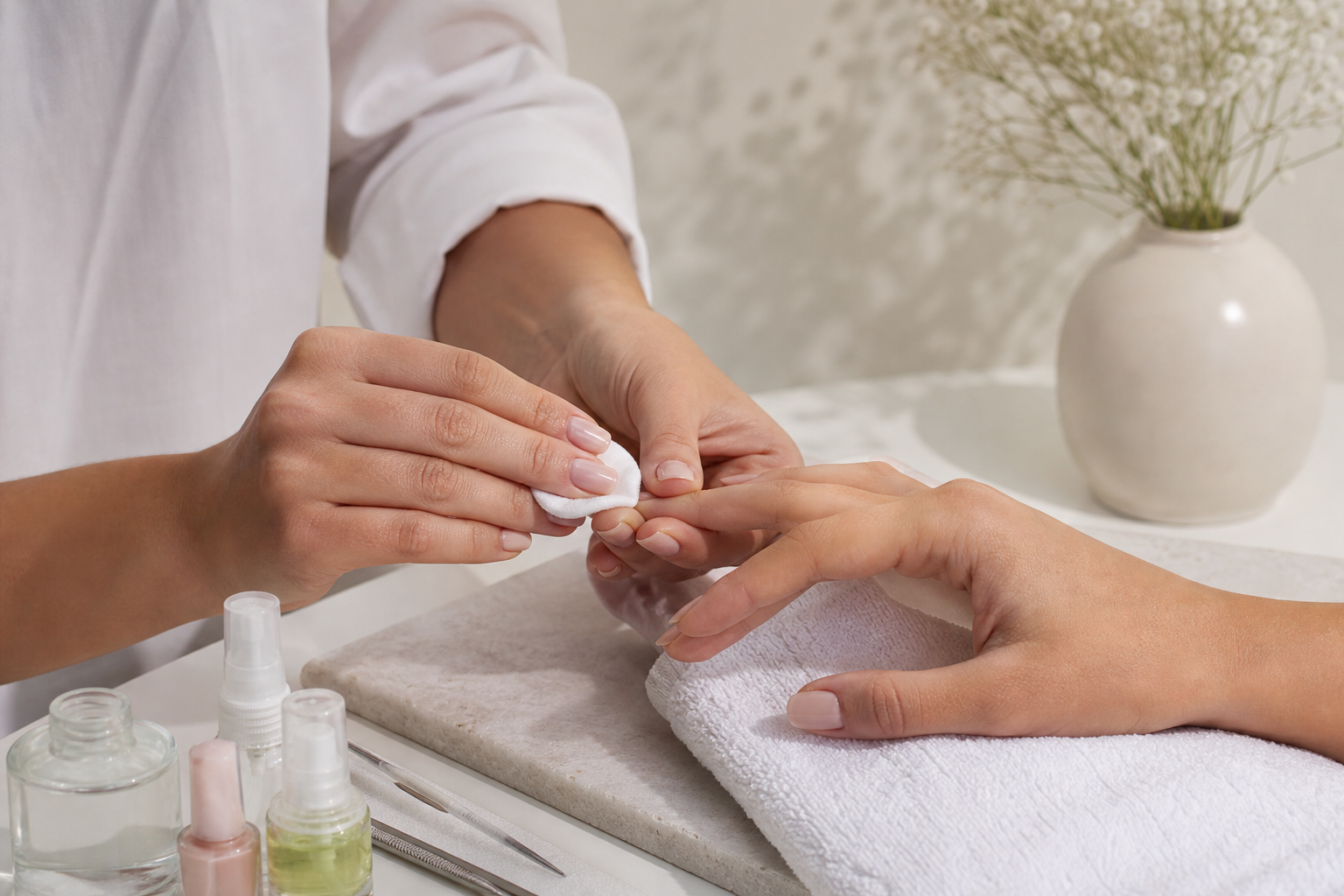
The intricate process involved in marble nail art extends beyond aesthetics; it also encompasses stringent safety and hygiene practices to protect natural nail health. Adequate preparation—disinfecting tools and nails, gentle buffing to enhance product adhesion, and preserving cuticle integrity—is foundational to preventing infections and damage.
Seeking services from licensed professionals using certified, high-grade products ensures that chemical formulations comply with safety regulations, minimizing risks of allergic reactions and irritations particularly common around sensitive skin near the nail bed. Awareness of product ingredients, such as formaldehyde, toluene, or dibutyl phthalate, is essential especially for clients with pre-existing allergies.
Consultation with dermatologists is strongly advised if there are concerns such as fungal infections, inflammation, or chronic dryness compromising nail or skin health before proceeding with nail art. Furthermore, individuals with brittle nails should discuss appropriate treatments to rebuild strength by choosing less invasive application methods or specific strengthening bases prior to the marble manicure.
Extending Longevity and Preserving the Marble Aesthetic
The endurance of a marble manicure hinges on multiple factors, chiefly material quality and application technique. Gel polishes cured properly under UV or LED lamps tend to resist chipping and maintain vivid patterns longer than traditional lacquers. Complementing this with a resilient top coat intensifies gloss and shields against daily abrasion.
Post-manicure care significantly influences durability. Regular application of cuticle oils replenishes moisture around nails, enhancing nail flexibility and reducing brittleness that can lead to cracks or peeling. Additionally, protecting hands from harsh detergents and chemicals by wearing gloves during household chores preserves polish integrity.
Avoiding direct pressure or impact on nails helps prevent mechanical damage to the delicate marble surface. Realistic expectations should account for the natural growth rate of nails and possible wear after two to four weeks, warranting professional touch-ups or removal to maintain an immaculate appearance.