3D nail art represents a pinnacle of creativity and craftsmanship in modern manicure, transforming nails from mere cosmetic canvases into miniature sculptural masterpieces. Unlike traditional flat designs, this advanced technique introduces raised details, droplets, and sculptural embellishments that bring a tactile and visual dimension to nail aesthetics, captivating attention and elevating personal expression. It is a specialized art form that appeals to clients and professionals who seek to transcend conventional nail decoration, welcoming intricate textures and dynamic forms that embody sophisticated stylistic statements.
For those invested in exploring the expansive realm of contemporary manicure styles and trends, understanding 3D nail art’s mechanisms, materials, and responsible application is essential. This comprehensive editorial aims to delve deeply into the art and science behind creating effective three-dimensional designs, highlighting how these elaborate techniques coexist with and enhance other trends like blooming gel nail art or natural pattern-inspired manicures, such as tortoiseshell and marble nails. With a focus on practical guidance, artistic insight, and safety considerations, this exploration is crafted for beauty professionals, enthusiasts, and anyone wishing to navigate the nuanced landscape of texture, pattern, and statement-making in nail care.
The significance of raised and sculptural nail embellishments lies not only in their visual impact but also in their ability to personalize and adapt to diverse lifestyles and fashion demands. To benefit fully from these techniques, one must appreciate the careful balance between aesthetic ambition and functional wearability, mastering materials and methods that bring forth flawless, durable, and safe results. As such, the discussion begins by clarifying the fundamental materials and technological principles underpinning 3D nail art creation.
The Technological Framework and Materials Behind Three-Dimensional Nail Embellishments
Central to the successful creation of intricate raised details and sculptural effects in nail art are specialized materials engineered for volume and shape retention. Builder gels, known for their thick consistency and ability to hold form before curing, serve as the primary medium for layering and molding complex raised elements. Their formulation ensures both structural integrity and flexibility, critical for intricate designs exposed to daily wear.
Acrylic systems complement gel use by offering another dimension of precision and texture. The liquid monomer and acrylic powder, when combined, allow freehand sculpting using fine brushes, enabling the artist to craft delicate flowers, beads, and other three-dimensional motifs with control over hardness and finish. Proper polymerization under UV or LED lamps fixes these forms, making them resilient yet adaptable to further enhancement.
Innovations include silicone-based molds and powders, which have expanded the repertoire of repeatable decorative shapes such as uniform droplets, petals, or sculptural flourishes ready to be affixed or integrated during application. These molds grant efficiency and consistency, essential qualities when producing complex designs on multiple nails or replicating favored motifs. Nevertheless, their use demands technical skill to ensure adhesion, finishing, and seamless integration with the nail surface.
Surface protection often involves a choice of top coats—matte, glossy, or decorative (glitter or iridescent)—that secure the integrity of these raised designs against mechanical stress and environmental challenges. The selection and application of these finishing layers influence not only the look but also the longevity and tactile qualities of 3D nail art.
Diverse Forms and Aesthetic Strategies in Raised and Droplet Nail Designs
The possibilities of form within three-dimensional nail art are vast and offer limitless avenues for artistic expression. Raised details can be geometric—such as lines, dots, or abstract shapes—providing subtle texture and rhythmic patterning across the nails. Alternatively, they may take the shape of intricate floral assemblies, seasonal motifs, or thematic figurines that communicate personal narratives or fashion allegiances.
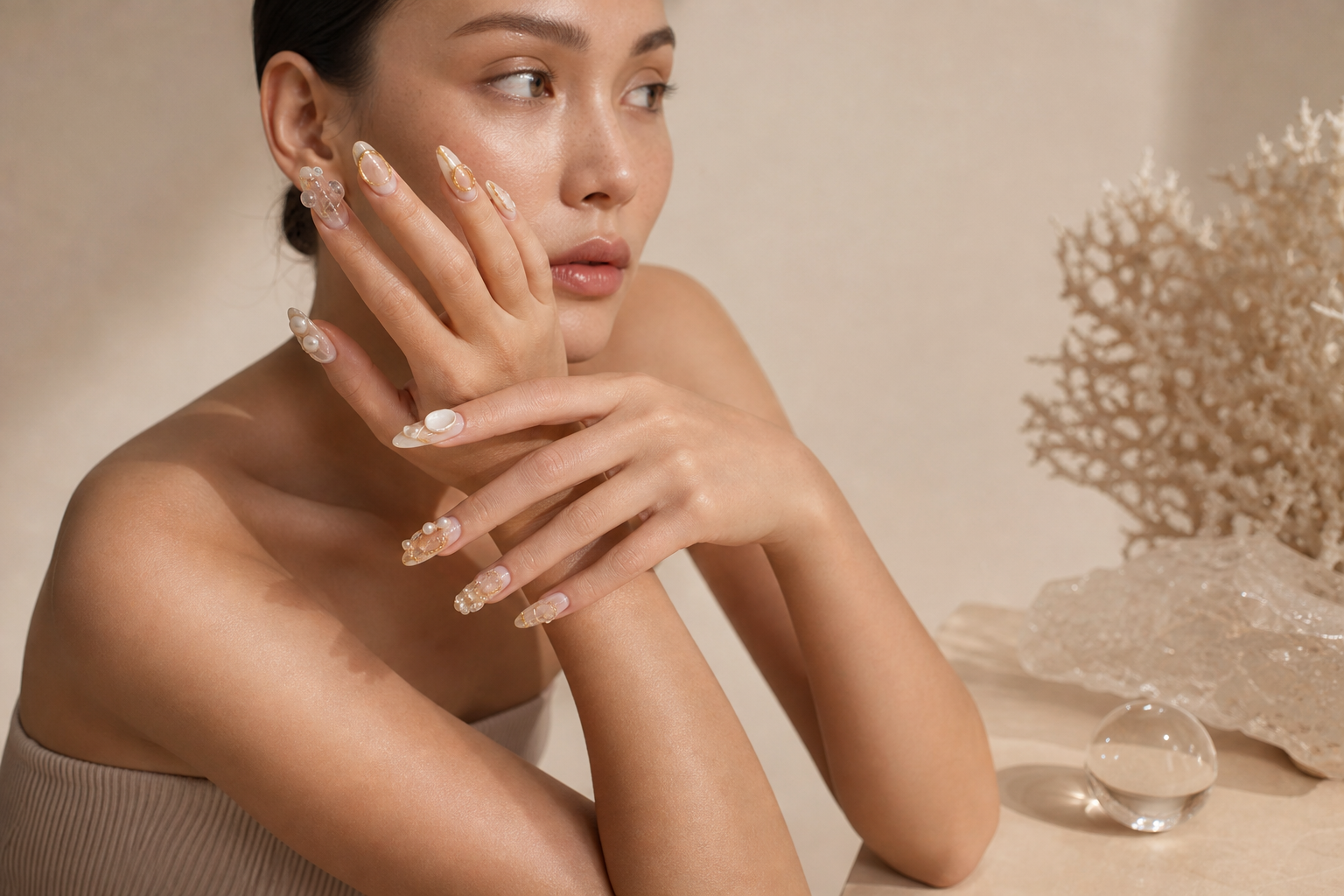
Droplet effects, a hallmark within 3D techniques, simulate the appearance of water or dew on the nail surface. Crafted by meticulously applying gel or acrylic domes in varying sizes, these droplets produce a shimmering, life-like illusion that plays with light and perspective. This effect harmonizes well with naturalistic designs like blooming gel florals or creates striking contrast with sharp, abstract elements, contributing to novel combinations in manicure composition.
More complex sculptural embellishments—including miniature roses, hearts, or other bespoke shapes—function as focal points, injecting depth and luxury into nail art. These embellishments demand judicious placement to maintain balance and comfort, especially given their added bulk. For instance, on extended nails, a limited number of these voluminous accents maximizes aesthetic impact while preserving usability.
Professional Approaches to Applying and Sculpting 3D Nail Art in Salon Settings
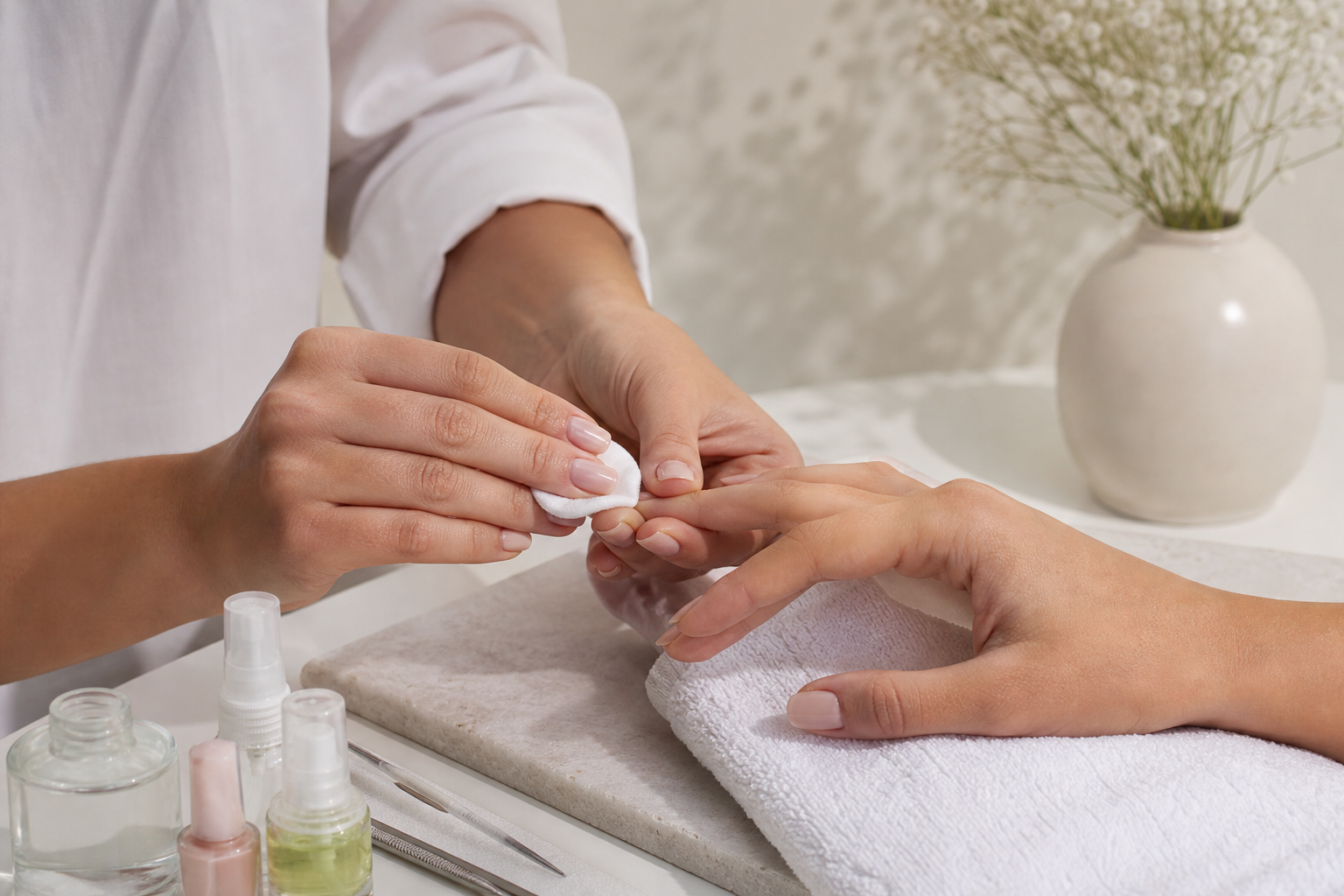
The nuanced crafting of 3D nail art begins with meticulous nail preparation. This foundational step encompasses cleansing, buffing, shaping, and sometimes augmenting the natural nail with supportive base layers like BIAB (Builder In A Bottle) or conventional builder gels to ensure a uniform platform capable of supporting dimensional work.
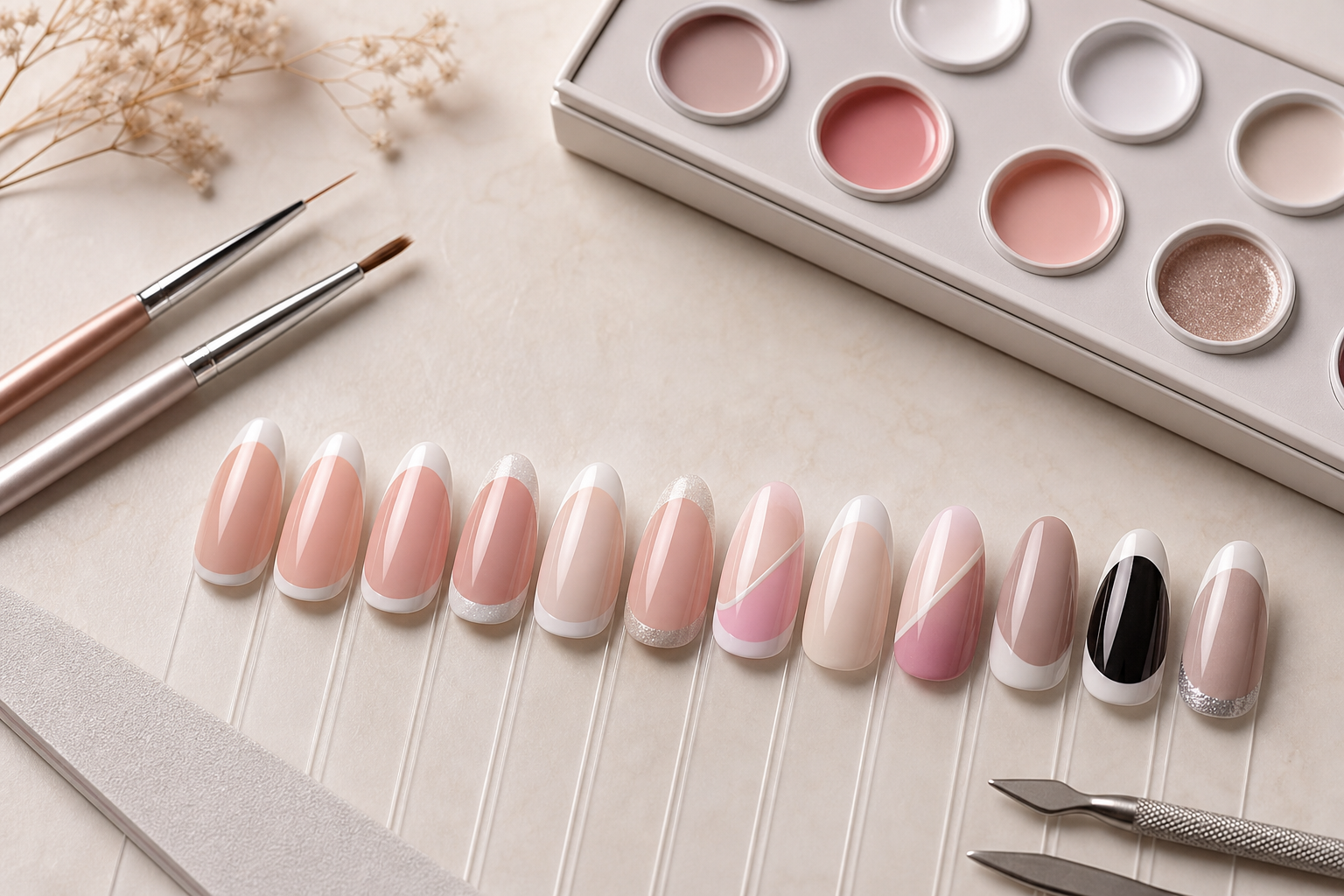
Once the base is ready, the nail artist transitions to applying raised elements or droplets. Precision tools—including fine sculpting brushes, dotting instruments, and silicon molds—allow for the careful placement and refinement of these forms. Each application phase requires curing under LED or UV light to harden the gel or acrylic and maintain the roundness and height of designs. Curing schedules vary with material type and thickness, demanding attentiveness to avoid premature breakage or deformation.
The final step involves sealing the composition with a chosen top coat, which fortifies the surface and enhances visual appeal. This sequence is meticulously paced, requiring artistic skill and technical knowledge to harmonize durability with elegance. The complexity of this procedure underscores the importance of consultation and execution by trained professionals to prevent allergic reactions, ensure correct curing, and achieve lasting artistry.
Maintenance Practices and Safety Protocols for Long-Lasting 3D Nail Design
Given the pronounced texture and prominence of raised and sculptural nail elements, these designs necessitate careful maintenance to thrive in everyday environments. Clients must adopt preventive behaviors to minimize exposure to rough impacts, excessive water immersion, and chemical irritants that can weaken adhesion or damage the embellishments.
Routine upkeep may require visits for professional repairs to address any chipped or loosened elements. Proper hygiene is equally crucial since debris accumulation under or around raised details can foster bacterial growth or compromise skin and nail health. Salons and clients alike should promote cleanliness between sessions to sustain nail integrity.
Equally important is awareness of individual sensitivities. Preexisting allergies to acrylates or certain gel components necessitate medical advice before undertaking 3D nail art. Similarly, damaged or brittle nails require professional evaluation to determine suitability for dimensional enhancements, balancing aesthetic ambition with nail health preservation.
Contemporary Integrations: 3D Nail Art within Broader Manicure and Fashion Trends
Far from existing in isolation, 3D nail art functions as a dynamic complement to prevailing manicure styles and cultural trends. Its compatibility with blooming gel nail art permits fluid interplay between raised and ethereal elements, deepening the visual storytelling on nails. Integration with texture- and pattern-driven styles—such as the natural elegance of tortoiseshell or the marbled complexity of stone-inspired nails—further enriches the sensory language of manicure art.
Moreover, 3D enhancements often feature as accent nails that punctuate simpler designs, drawing focus while preserving overall balance. This selective use exemplifies strategic design that caters to individual tastes and lifestyles. The adaptability of three-dimensional techniques extends to pairing with ombré shading, cat-eye effects, or even reverse French manicures, underscoring a trend toward multidimensional, customizable nail expressions.