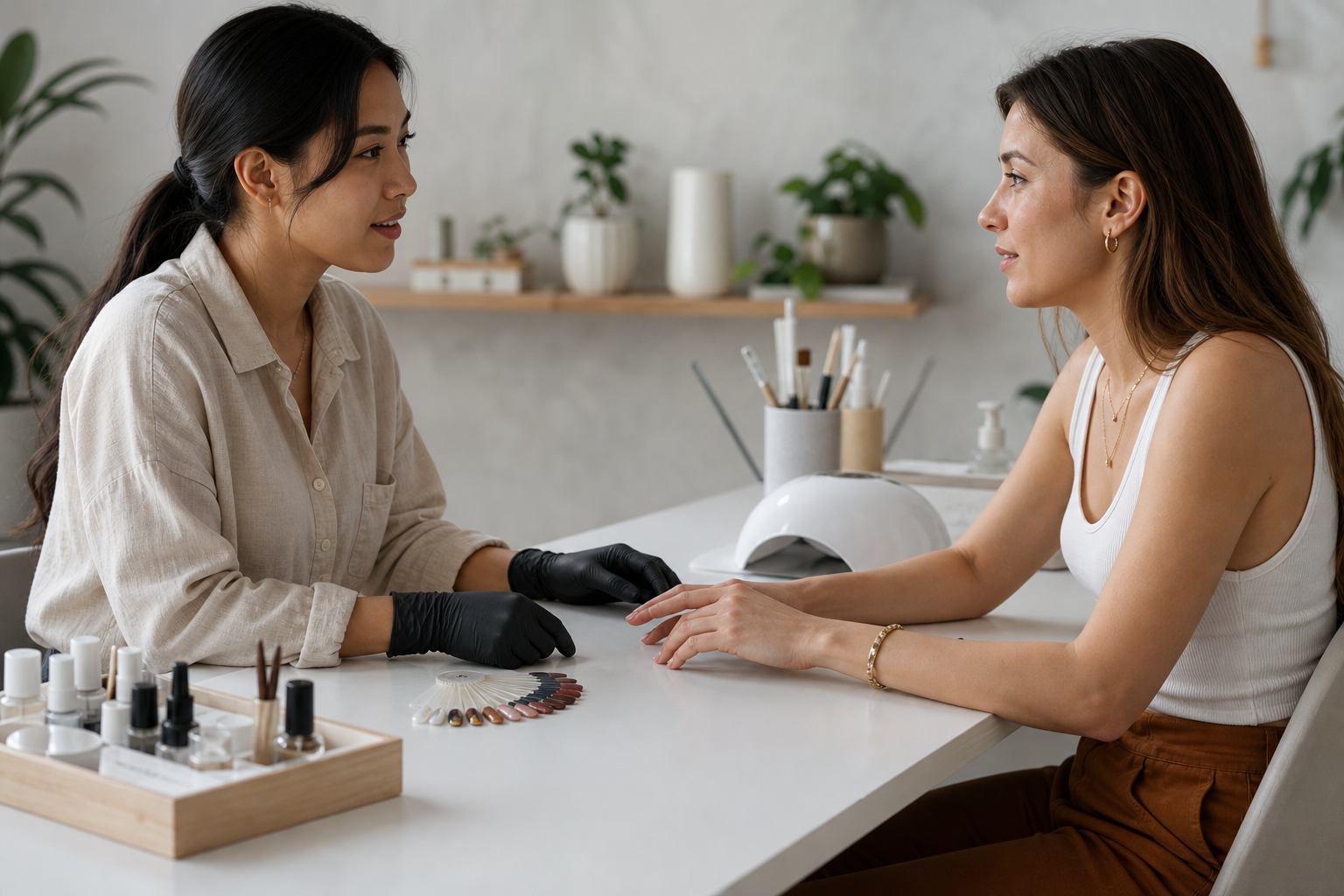
In the realm of personal grooming, the manicure stands out as both an artistic expression and a vital aspect of hand health. Yet, before the brush touches the nail and the polish colors the surface, there lies an indispensable first step: the pre-manicure consultation. This conversation between client and technician is far more than a formality or a cursory chat. It sets the stage for a safe, satisfying manicure experience tailored to individual needs and sensitivities.
Whether you're a newcomer to professional nail care or a seasoned enthusiast seeking to deepen your understanding, the pre-manicure consultation is a keystone to achieving the desired aesthetic outcome without compromising your nail or skin health. This editorial explores the nuanced considerations that every client and technician should deliberate together—namely allergies, personal habits, and realistic expectations. By unpacking these components, we can appreciate how this consultation acts as both a safeguard and a guide, establishing clear communication and preventing dissatisfaction or even harm.
Manicure services span a diverse array of techniques and products, from classic polish applications to gel enhancements and acrylic overlays. Each variation carries its own risks and requirements. Recognizing the client’s unique biological and lifestyle factors ensures the choice of compatible materials and methods, preserving the integrity of the nails and surrounding skin. This dialogue proves essential not only for personal safety but also for delivering an outcome that feels authentic and rewarding.
Assessing Allergic Reactions and Skin Sensitivities for Safe Manicure Practices
At the heart of the pre-manicure consultation lies a thorough understanding of any allergies or sensitivities that might influence treatment selection. Nail products often contain complex chemical compounds, including formaldehyde, toluene, methacrylates, and various resins or adhesives, all of which can provoke allergic contact dermatitis or irritation in susceptible individuals. Even natural ingredients in lotions or oils can trigger reactions.
A proficient nail technician seeks detailed insight into the client’s prior experiences with nail care. Specific queries focus on any episodes of redness, itching, swelling, or abnormal scaling following a manicure or exposure to latex gloves and cleansing agents. These indicators guide the avoidance of particular substances, steering the treatment toward hypoallergenic or fragrance-free alternatives.
One crucial yet sometimes overlooked step is the patch or allergy test. By applying a minimal amount of a proposed product to an inconspicuous area—such as the inner wrist or beneath the forearm—and observing the reaction over 24 hours, potential allergies can be identified before a full treatment. Although time-consuming, this precaution significantly minimizes the risk of adverse effects during the manicure itself.
In instances where clients have a history of severe reactions, such as difficulty breathing or swelling beyond localized contact, referral to a dermatologist is prudent. Medical assessment may include patch testing to pinpoint the offending allergen and recommendations on safe product usage. Some salons employ specialists trained in medical nail care who can deliver treatments tailored for sensitive skin and compromised nails.
Analyzing Client Habits to Personalize Nail Care Strategies
Beyond allergies, understanding a client’s daily habits forms the cornerstone of a customized manicure plan. Exposure to water, detergents, solvents, and even the frequency of hand washing affects the condition of both nails and cuticles, influencing the type and aggressiveness of manicure techniques that can be safely employed.
For those engaged in occupations or routines that involve heavy manual work or constant moisture, nails often become brittle, prone to splitting, and surrounded by dry, damaged skin. A manicure protocol emphasizing hydration, gentle cuticle care, and protective sealants may be recommended instead of procedures that involve extensive filing or chemical enhancement, which could exacerbate damage.
Personal behavioral factors also play a role; nail biting, a common challenge, alters nail shape and exposes delicate nail beds, requiring specialized approaches focused on nurturing recovery and preventing infection. Clients with artificial nail history should disclose how long previous applications lasted and their removal methods, as repeated or improper applications can thin natural nails, guiding the technician’s choice in enhancing or restoring nail health.
Furthermore, day-to-day care, including use of hand creams, nail strengtheners, or treatments prescribed by dermatologists, contributes to the baseline condition. The manicurist may advise on compatible products or minor modifications to optimize nail resilience and appearance between salon visits.
Setting Realistic Expectations Through Informed Client Education
Clear and honest communication about what a manicure treatment can and cannot achieve is fundamental. Many clients harbor misconceptions about durability, maintenance, and the impact of their lifestyle on manicure longevity. The pre-treatment consultation empowers clients with knowledge to align their goals with achievable outcomes, reducing dissatisfaction.
For example, natural manicures, while gentle and enhancing a nail’s health over time, typically last only a few days to a week before maintenance is required. Contrastingly, gel or acrylic manicures offer extended wear, often two to three weeks, but necessitate regular infills and careful removal to avoid damage. Explaining these distinctions prepares clients for the commitment involved and potential risks linked with various materials.
Additionally, clients should understand the removal processes, possible temporary discolorations, or subtle thinning effects posed by certain products. The technician should discuss how daily activities—such as typing, manual labor, or contact with chemicals—can influence wear, and when retreatment or breaks are advisable, particularly if signs of infection, inflammation, or nail weakening emerge.
This stage of education also extends to alerting clients on when to suspend certain treatments, for instance, if new dermatological conditions arise, or if medications altering nail growth patterns are introduced.
Preparing Clients and Technicians for a Collaborative Consultation Experience
Maximizing the benefits of the pre-manicure consultation requires preparation on both sides. Clients are encouraged to reflect on any previous side effects, allergic symptoms, and particular design preferences, perhaps providing photographic references to communicate desired outcomes effectively. Coming to the appointment with a clear understanding of one’s habits and concerns facilitates a productive exchange.
Manicurists, in turn, should develop a structured set of questions covering medical history, skin and nail conditions, allergy experiences, prior procedures, and lifestyle factors influencing nail health. This inquiry extends to identifying systemic medical conditions such as diabetes or psoriasis, for which careful selection of treatments is critical.
Importantly, consultation time should allow for ample dialogue, fostering trust and openness. Articulating the salon’s protocols, the range of products used, and the technician’s expertise helps clients feel secure in their choices.
By establishing clear objectives—be it durability, aesthetic impact, or therapeutic care—the technician can tailor the manicure approach, offer supplemental treatments like nail strengthening formulas, and set a maintenance schedule aligned with client expectations and needs.
Prioritizing Safety in Treatment Selection Based on Consultation Insights
Safety considerations extend beyond hygiene protocols to encompass product compatibility and treatment appropriateness. The insights gained from the consultation enable the technician to exclude ingredients or methods that pose health risks for the client, such as avoiding formaldehyde-based products for those with sensitivities.
For clients with fragile nails or concomitant skin issues, prioritizing restorative treatments and softening techniques over aggressive shaping or chemical resurfacing is prudent. Salons committed to client well-being may stock hypoallergenic lines and utilize non-abrasive practices in response to identified needs.
This customized approach not only protects the client’s health but upholds the salon’s professional standards. It also facilitates consistent client-trainee communication, allowing adjustments in future appointments in response to the client’s evolving nail condition or preferences.