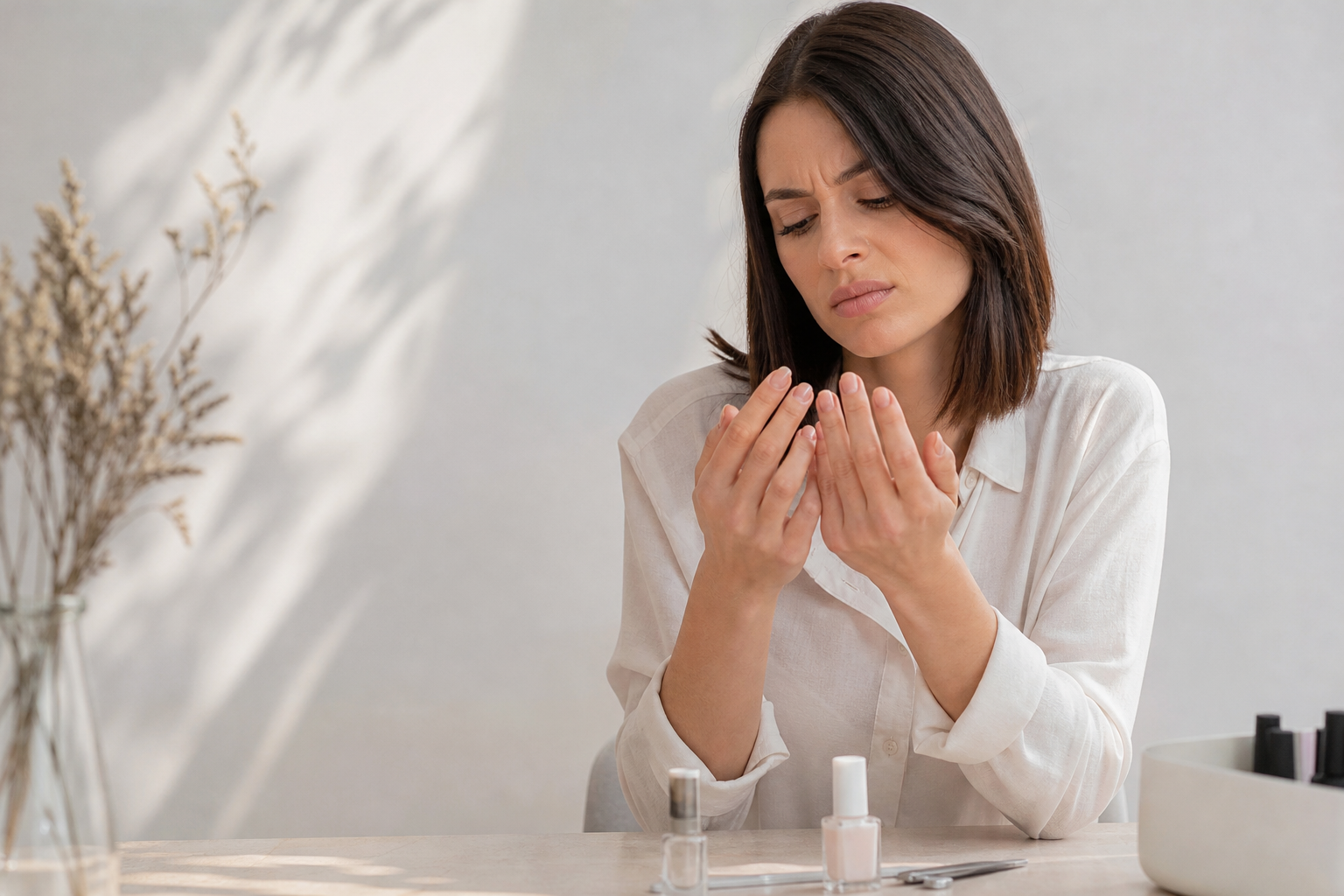
Few experiences can be as disheartening as leaving a salon after a manicure, only to find the result falls short of your expectations. Whether it’s a misaligned nail shape, premature chipping, a color that doesn’t suit you, or an enhancement that feels uncomfortable or unnatural, dissatisfaction with a manicure is more than just a cosmetic disappointment. It can impact your confidence, daily comfort, and even nail health. This article is crafted specifically for individuals who have encountered such situations and are seeking professional, practical guidance to address their concerns effectively and safely.
Understanding what to do when you’re not satisfied with your manicure results is essential not only to safeguard the appearance of your hands but also to protect the delicate structure of your natural nails and the skin around them. Unlike routine beauty treatments, manicure outcomes hinge on a complex interplay of factors: communication between client and technician, technical skill, product quality, and the individual’s nail biology. This editorial presents a comprehensive approach to navigating dissatisfaction, from identifying the root causes to seeking corrections responsibly and making more informed future choices.
The insights shared here prioritize your safety and realistic expectations while recognizing how integral a trusted partnership with your nail care specialist is. Proper knowledge empowers you to intervene swiftly and sensibly, avoid repeated disappointments, and foster long-term nail health and beauty.
Common Causes Behind Unsatisfactory Manicure Outcomes and Their Implications
Manicure dissatisfaction arises from a constellation of causes that extend beyond mere personal taste. Frequently, a breakdown in communication during the pre-treatment consultation leaves technician and client on differing pages about desired shape, length, color, or nail art design. Ambiguities or unvoiced hesitations could contribute to a final look that feels mismatched or incoherent.
Another frequent culprit lies in the workmanship and product selection. Inferior or inappropriate products may cause the polish to chip within days, colors to appear dull, or the texture to look uneven. Even with premium products, technical missteps like uneven application, insufficient curing for gel nails, or incorrect layering can degrade durability and aesthetics.
Health factors merit equal attention. Aggressive cuticle pushing or skin trimming can lead to painful irritations or infections, and improper application or removal of acrylics or gels could damage the natural nail bed. Allergic reactions triggered by ingredients in nail polishes, adhesives, or removal solutions add further complexity, potentially necessitating medical intervention.
Overall, understanding these underlying mechanisms ensures that dissatisfaction is viewed both as an aesthetic matter and a potential health concern. This dual perspective guides prudent decisions on whether to prompt immediate corrections, seek professional help, or simply wait for natural recovery.
Immediate Steps to Take for Addressing Manicure Issues Calmly and Effectively
The moment you recognize that your manicure does not meet your expectations, timely action is crucial. If you are still at the salon, promptly and politely communicate your concerns to the technician or supervisor. Many technical issues or color mismatches can be remedied on the spot, avoiding the need for extensive rework later.
Articulating your dissatisfaction clearly and respectfully often preserves a collaborative atmosphere. It invites rectification during a window when the polish or enhancements remain malleable without risk of further damage.
If you notice problems after leaving the salon, it’s advisable to reach out to them as soon as possible. Providing detailed descriptions, supplemented with photographs, allows the salon staff to understand the exact nature of the flaw. Reputable establishments value their clientele’s satisfaction and often offer corrective appointments or partial refunds for genuine grievances.
Importantly, some manicures—especially gel or acrylic enhancements—cannot be modified without removal and reapplication. Therefore, scheduling corrections involves allocating time and accepting that new treatments should be approached with deliberate preparation and care.
Expert-Recommended Techniques for Safe Correction and Removal of Manicure Products
When corrections require removal of polish, gels, or acrylics, safety must be paramount to prevent collateral harm to nails or skin. Attempting to forcibly peel or chip off gel or acrylic nails can cause splitting, thinning, or inflammation of natural nails, often exacerbating the problem rather than resolving it.
The professional standard procedure involves a gradual, gentle process using acetone-based removers combined with soaking and specialized tools to carefully dissolve and lift the product. This method preserves the natural nail’s integrity and minimizes trauma.
If you are unable to return to the original technician or salon, seek a different reputable professional with proven experience in corrective nail procedures. Avoid self-treatment at home unless instructed and supervised by a certified nail technician, as improper handling risks infections or prolonged nail damage.
Should the removal process reveal or cause redness, swelling, pain, or other signs of injury or allergic reaction to the surrounding skin, promptly consult a dermatologist. Early intervention can mitigate infections and promote recovery of both skin and nails.
Managing Expectations with Thorough Pre-Manicure Consultations to Prevent Future Disappointments
A crucial element in avoiding dissatisfaction is an in-depth pre-manicure consultation. This dialogue establishes realistic expectations by aligning the client’s aesthetic desires with what is practically achievable given nail condition, lifestyle, and health factors. It creates a formal opportunity to address allergies, sensitivities, and previous nail care experiences.
Open conversations about daily activities, work environments, and durability needs guide the technician in recommending suitable nail lengths, shapes, and products. For example, clients who use their hands extensively may benefit from sturdier alternatives to delicate nail art, while those prone to allergies may require hypoallergenic products.
Consultations also clarify pricing structures and procedural details, which reduces ambiguity around costs and post-treatment maintenance. When clients know what to expect both visually and functionally, they make informed decisions that support satisfaction.
Selecting a Salon and Nail Technician Through an Informed, Quality-Driven Process
Experiencing a subpar manicure often triggers reevaluation of salon selection. Making an informed choice involves researching salons’ hygiene standards, certifications, and technician expertise. Viewing portfolios allows assessment of technical proficiency beyond staged photographs, paying particular attention to uniformity, clean edges, and consistency in designs.
Reviews from other clients provide insight into service quality and responsiveness to issues, helping to identify establishments committed to customer satisfaction and safety. Asking detailed questions on consultation policies, product brands used, and aftercare recommendations can further gauge professionalism.
It’s important to avoid salons offering unusually low prices without transparent explanations, as these may compromise on materials or sanitary practices, introducing health risks. Investing in a reputable, moderately priced salon is generally a safer and more rewarding approach.