Manicure pricing can often appear as a simple figure on a salon’s price list, but behind that number lies a complex blend of services, materials, craftsmanship, and safety protocols. Understanding what services are included in the cost of a manicure helps clients make informed decisions, set realistic expectations, and ensure they are investing in both beauty and nail health. This knowledge is especially valuable for those who are choosing their first professional manicure or seeking to enhance their regular nail care routine with quality salon treatments.
At its core, a manicure is much more than a cosmetic application of nail polish; it is a multifaceted treatment involving skin and nail preparation, contouring, care for cuticles, and the application of finishing layers designed to protect and beautify the nails. Each of these elements contributes to the final price and the overall experience, making it worthwhile to explore how manicure pricing is structured and what clients can expect for their investment.
This article delves into the components that shape manicure pricing, with insights from professional nail care practices. It addresses everything from the initial sanitation and nail preparation to the choice of polish or enhancement material, highlighting how expertise and salon hygiene standards impact cost. It provides a reliable framework for understanding prices beyond the surface, supporting clients in making safe, satisfying choices in their nail care journey.
Core Services That Define Manicure Pricing
Every professionally executed manicure includes foundational steps designed to ensure nail health and a polished look. The process begins with thorough hygiene measures—washing, sanitizing, and preparing the hands and nails to minimize bacterial or fungal risk. This sanitation step is critical not only for client safety but also for the longevity of the manicure.
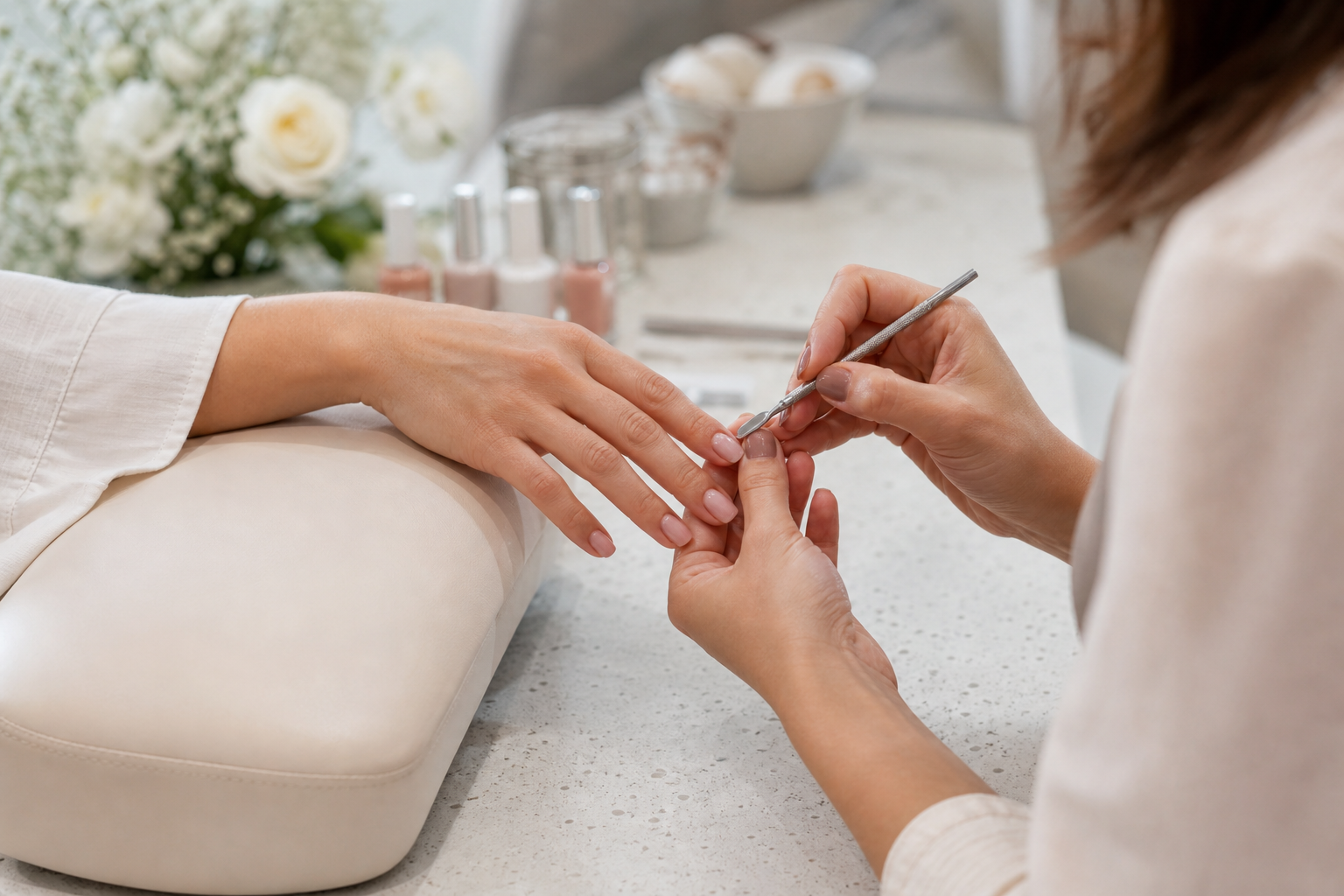
Following hygiene, nail technicians manage the cuticles or nail’s surrounding skin with delicate precision. This involves mechanical or sometimes chemical removal of excess cuticle material to create a clean nail bed. The care taken in this step greatly influences client comfort and the potential for later complications.
Nail shaping is next, where the nail edges are filed and trimmed to the desired silhouette. The choice of shape—round, almond, square—reflects personal style and ergonomic considerations. Precision here affects how well nails resist breakage, and the skill level of the technician working on this step can influence the investment required.
The final core phase before polish application involves smoothing the nail surface and ensuring dryness and cleanliness. Application of base coats, polish, and top coats follows, and the selection among classic polish, gel systems, or other enhancements significantly impacts price due to material cost and technological demands.
The Influence of Materials and Products on Pricing Structure
The choice of materials and nail care products directly affects the cost of a manicure. Salons committed to quality use only professionally tested, dermatologically approved products that minimize allergic reactions and maintain nail integrity. These premium materials come at a higher expense but offer benefits in durability and safety.
Standard nail polish, often the most affordable finish, typically lasts up to a week, requiring fewer preparatory products and simpler application, justifying its status as the most economical option. However, clients opting for longer-lasting results commonly select gel or semi-permanent polish, which necessitates specialized base and top coats as well as curing under UV or LED lamps.
This technology and the accompanying higher-quality resins elevate the cost, but the benefits include greater chip resistance and a glossy finish that can endure for up to three weeks. The intricate chemistry and equipment involved make gel manicures a premium service pricing category.
Additional treatments such as hand masks, cuticle oils, or exfoliating scrubs may be offered as optional upgrades. Though these increase the total price, they significantly enhance the manicure’s nourishing qualities, benefiting clients with dry skin or brittle nails.
Professional Expertise and Sanitation Standards Affecting Value
The skill and knowledge of the nail technician are essential components in manicure pricing. Licensed professionals bring a thorough understanding of nail anatomy, hygiene best practices, and aesthetic techniques to the table, which is reflected in their service fees and the quality of the final result.
Maintaining a sterile environment requires substantial investment in sterilization equipment, disposable tools, and regular hygiene audits—factors that responsible salons incorporate into pricing. While less transparent venues may offer lower rates, they might also cut corners on these vital health measures, escalating risks of infections or complications.
Experienced technicians who maintain certifications or specialize in treatments such as anti-aging hand care or sensitive skin manicures often factor the added time and expertise into their fees, underscoring the link between comprehensive safety measures, professional skill, and price.
Variations in Pricing Among Different Manicure Types
Manicure pricing widely varies according to the type of treatment performed. A basic manicure focuses on natural nail care—trimming, shaping, and application of a classic polish—and represents the most affordable tier. This service is ideal for maintaining nail health and offers a fresh, neat appearance lasting about a week.
Gel or semi-permanent manicures command a higher price point because of their advanced materials and curing techniques. These manicures provide enhanced longevity and appearance, reducing the need for frequent touch-ups and appealing to clients seeking low-maintenance nail fashion.
Specialized services, such as nail strengthening treatments, gel or acrylic extensions, or elaborate nail art, add further to the price point based on complexity and duration of the work. These services cater especially to clients with specific nail conditions or stylistic demands.
Additional fees may apply for custom designs or embellishments, reflecting the time and skill required to create individualized patterns or textures that personalize the manicure experience.
Importance of Consultation and Preparation in Pricing and Treatment Choice
A consultation prior to the manicure session is a vital service detail that can influence final pricing and customer satisfaction. It allows the technician to assess nail health, surface conditions, allergies, and other client-specific factors critical to selecting the most appropriate treatment.
This preparatory discussion ensures that the technique and materials chosen optimize safety and outcome durability. For instance, clients with sensitive skin or damaged nails may require more careful product selection or additional conditioning treatments, which can affect cost but enhance long-term nail health.
Preparation time—such as removing old polish, treating cuticle conditions, or initial nail conditioning—adds to the session length and associated fees. Personalized care plans might include recommendations for at-home maintenance, emphasizing an ongoing partnership between client and technician that justifies a fair remuneration for expertise delivered.
Peripheral Factors Significantly Impacting Manicure Pricing and Experience
Beyond the visible steps and products, less obvious influences shape both the price and client satisfaction from a manicure. Ambiance and comfort of the salon environment, including seating, lighting, and space cleanliness, contribute intangible value to the customer experience.
Moreover, strict adherence to hygiene protocols—such as sterilizing tools, using disposable implements, and staff protective equipment—ensures not only client safety but also instills confidence in the professionalism of the service provider. These precautions entail continual operational costs that factor into pricing.
Responsive client interaction, clear communication about service scope, and transparency regarding pricing details strengthen client trust and can differentiate between generic and premium manicure offerings.
Transparency in Pricing and Making Well-Informed Manicure Choices
A hallmark of a reputable nail salon is a clear, detailed, and accessible pricing list that specifies what each manicure tier includes as well as any additional charges that might apply. Clients should expect to receive precise information about the services covered under the stated price before consenting to treatment.
Comparing prices across salons can be helpful but must be done with understanding of the service quality and safety standards behind those numbers. A very low price without adequate details often signals shortcuts in safety or quality, which may cost more in health and satisfaction over time.
Evaluating portfolios showing previous manicure work and seeking user reviews offer objective insights into the value rendered by the technician and the salon. Ultimately, investing in manicure services is supporting both nail health and aesthetic upkeep, necessitating careful consideration beyond mere cost.