Thinning nails after gel manicures is a concern commonly faced by individuals who enjoy enhancing their nails with long-lasting polish solutions. Gel manicures offer an appealing and durable finish, but they can also lead to weakening and thinning of the natural nail plate if not applied or removed properly. This issue is not merely cosmetic; it potentially indicates underlying damage to the nail’s keratin structure, necessitating attentive care and recovery strategies. Understanding the causes of nail thinning post-gel treatments, the best regimens to support nail health, and what practices to avoid is essential for anyone seeking to maintain strong, vibrant nails while enjoying the aesthetic benefits of gel polish.
Individuals who regularly use gel manicures, as well as those considering them for the first time, benefit from insights into the balance between beauty and nail health. Awareness of the mechanisms behind nail damage linked to gel application, realistic expectations on recovery, and the importance of professional removal can prevent prolonged harm and support natural nail resilience. This editorial explores these facets in depth, offering expert advice on nurturing thinning nails after gel removal and strategies to avoid further degradation, emphasizing safe and effective care routines.
Mechanisms Behind Nail Thinning Following Gel Manicure Procedures
The natural nail is composed predominantly of keratin—a fibrous protein that provides strength, flexibility, and protection. The thickness and condition of the nail depend largely on the health and hydration of these keratin layers. When gel polish is applied, the nail surface must be delicately prepared to ensure adhesion by removing oils and lightly buffing the nail plate. However, if this preparation is too aggressive, especially through excessive buffing or filing that penetrates beyond the superficial layer, it compromises the nail’s outer protective shield.
During the removal of gel polish, the most common cause for nail thinning is mechanical trauma from forcible peeling, scraping, or over-buffing the natural nail plate. Chemical soak-offs must be executed with patience and precision, allowing the gel to soften without damaging the underlying nail. Failure to do so often strips away layers of the nail plate, decreasing thickness, weakening the structure, and increasing susceptibility to breakage. Additionally, repeated cures under UV or LED lamps, while generally safe, may contribute to intrinsic changes in nail plate quality when combined with improper manual handling.
As a result, thinning nails after gel applications are often stiff, brittle, and prone to splitting or ridging. The key to prevention lies in understanding the delicate balance between necessary surface preparation, gentle removal techniques, and respecting the nail’s natural regeneration cycle.
Common Errors That Aggravate Damage to Natural Nails in the Gel Manicure Process
One of the leading reasons for nail thinning is improper technique, often stemming from inadequate training, rushed applications, or using unsuitable tools. Aggressive use of coarse abrasive files during preparation or removal can inadvertently sand down the nail excessively. Such errors remove protective keratin layers and disrupt the microstructure of the nail plate.
Moreover, skipping recommended breaks between gel manicure sessions denies nails time to recover and rebuild their natural thickness and strength. Continuous layering of gels on a compromised nail increases dryness and brittleness. At-home removals present significant risks, especially when acetone soak-offs are done improperly or when clients attempt to peel off gels without soaking, resulting in mechanical stripping of the nail surface.
Neglecting hydration and cuticle care further weakens nails. The cuticle acts as a barrier preventing infections and water loss; damage or neglect leads to dryness and cracking. Environmental factors such as excessive exposure to water, harsh detergents, or chemicals without protection compound the problem, making nails more fragile under and after gel treatments.
Initiating Nail Recovery: Essential First Steps Post-Gel Removal
Recovery begins immediately after the gel has been safely removed. A crucial first measure is to abstain from applying any further polish or enhancements until the nail fully regenerates. This pause allows the new nail cells forming from the matrix to mature without interruption, a process that may take several weeks to months depending on individual nail growth rates and damage extent.
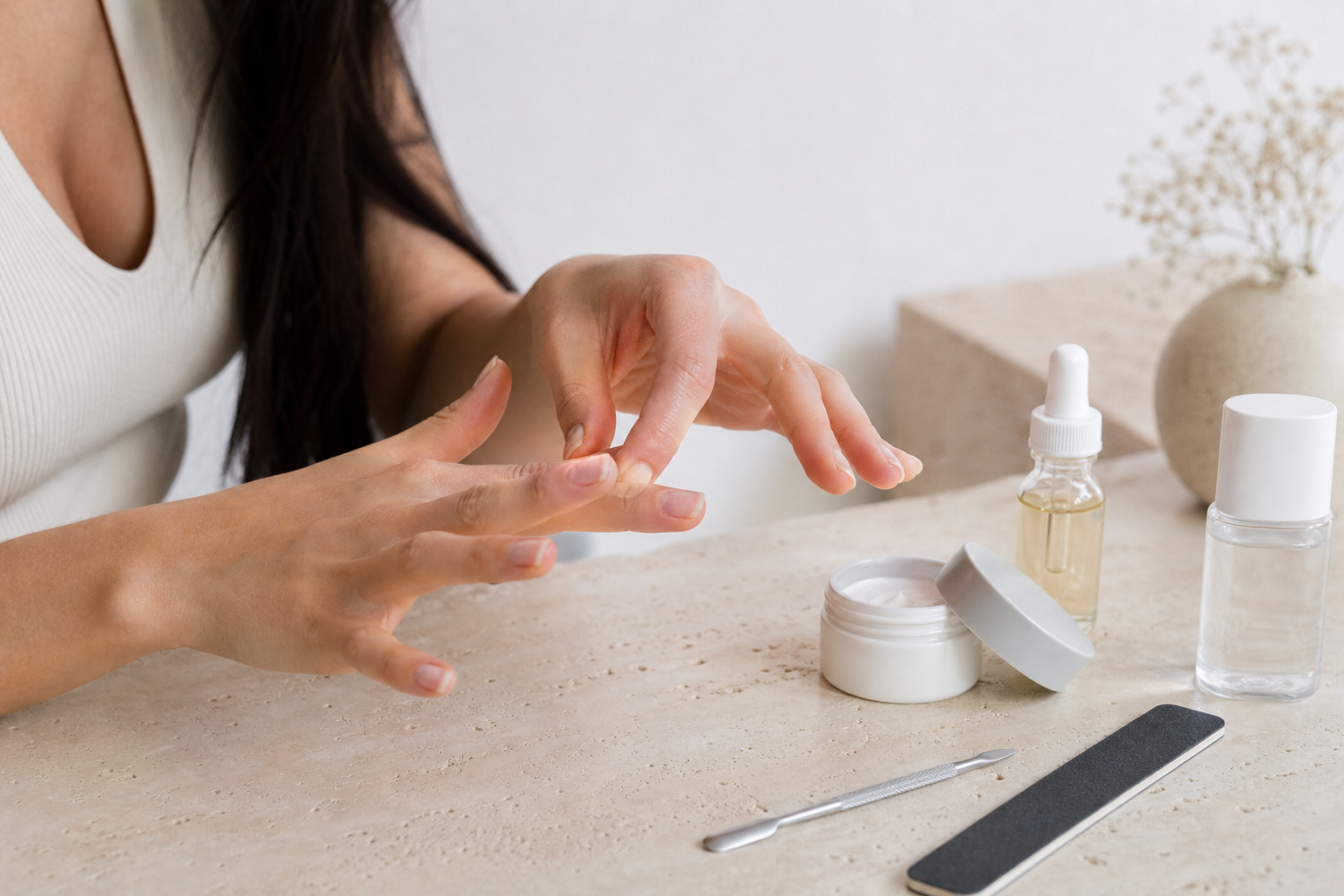
Hydration is paramount in this phase. Product choice matters: oils containing omega fatty acids, vitamins E and B5, and keratin-enriched creams deliver necessary nutrients to the nail bed and surrounding skin. These elements repair micro-tears and restore the structural elasticity of nails. Incorporating paraffin wax treatments into the care routine can also promote blood circulation, stimulating healthy nail growth.
Gentle massage of fingers helps improve nutrient delivery to the nail matrix. Handling nails with care, avoiding trauma from knocks or biting, paired with regular moisturizing, sets a foundation for stronger, healthier nails going forward.
The Critical Importance of Professional Gel Removal Techniques
Proper gel removal significantly influences nail health. The safest method involves soaking nails in acetone-based removers for a controlled period to soften the gel, followed by a gentle push-off with a soft wooden or silicone stick. Filing should be minimal and careful, removing only residual gel layers without abrading the natural nail itself.
Industry professionals understand the sensitivity of this step and employ appropriate tools and timing to reduce damage risk. They also evaluate the condition of each client’s nails before proceeding. Homesetting removal methods can rarely replicate this precision, and improper technique is a leading cause of subsequent nail thinning and sensitivity.
Using coarse grit files indiscriminately, or peeling off gel layers forcefully, disrupts the nail’s surface integrity. Maintaining discipline in technique during removal ensures natural nails remain as healthy as possible and heal promptly.
Reinforcing and Protecting Thinned Nails With Specialized Care Products
After damage, nails benefit from targeted restorative products that enhance keratin production and supply minerals essential for growth. Keratin serums, calcium-enriched treatments, and fortified nail strengtheners rebuild the nail’s structural matrix over time, improving thickness and flexibility.
Nutrition also plays a pivotal role. Micronutrients such as biotin (vitamin H), zinc, and iron are critical for nail strength. Integrating these through diet or under professional advice, through supplements, supports internal regeneration. Topically, consistent application of hydrating oils and creams seals moisture and shields nails from environmental stressors.
Protective measures, such as wearing gloves during household chores involving water or chemicals, prevent further drying and mechanical stress. Avoidance of harsh acetone-based polishes during rebuilding phases reduces additional drying and weakening effects.
Choosing the Right Salon and Nail Technician to Safeguard Natural Nails
Preventing nail thinning begins with selecting a reputable salon and skilled technician who prioritize nail health alongside aesthetics. Professional salons adhere to hygiene protocols and use high-quality, certified materials that minimize irritation and allergic reactions. They perform thorough pre-treatment evaluations to tailor applications based on individual nail condition.
Experienced nail technicians employ conservative buffing techniques and gentle gel removal practices, reducing unnecessary abrasion. Educating clients on realistic expectations and maintenance routines empowers better personal care between appointments.
A trusted professional will recommend appropriate intervals between gel applications, allowing nails periodic recovery to maintain their natural strength. Their approach balances client desires for beauty with the imperative of long-term nail vitality.
When Medical Advice is Necessary for Nail Changes Post-Gel Manicure
While most nail thinning resolves with proper care and time, some symptoms warrant professional medical consultation. Signs such as persistent discoloration (greenish hues or persistent white spots), pain, swelling, or infection around the nail folds suggest underlying issues like bacterial or fungal infections requiring targeted treatment.
Chronic thinning or deformities could indicate systemic health problems or dermatological conditions necessitating specialist evaluation. Prompt diagnosis prevents progression and supports comprehensive care.
Consulting a dermatologist or nail specialist ensures that appropriate interventions are implemented and that any subsequent nail care is medically guided, safeguarding overall digit health.
Realistic Timeframes and Expectations for Nail Regrowth and Reinforcement
The regrowth of healthy nails after gel-related thinning varies per individual but generally spans from one to three months. Nails typically grow about 3 millimeters per month, so visible improvement follows this timeline, contingent upon the severity of damage and consistent care.
Patience and ongoing adherence to restorative protocols are crucial. Nail quality gradually improves as new cells push out the weakened layers, regaining thickness and elasticity. Immediate transformation is unlikely, and premature reapplication of gel polish can disrupt recovery.
Regular progress monitoring helps detect deviations or delays, allowing adjustments in treatment or dietary support. Realistic expectations enable individuals to remain motivated through the healing process.
Daily Habits to Prevent Further Nail Thinning and Promote Long-Term Nail Strength
Maintaining nail integrity requires daily diligence. Regular application of nourishing oils enhances hydration, particularly around the cuticles and nail margins. Protective gloves during exposure to detergents and prolonged water prevent softening and erosion.
Choosing gentle, non-acetone nail polishes and removing products carefully reduces chemical stress. Balanced nutrition rich in essential vitamins and minerals fortifies nails from within. Occasional non-aggressive manicures that solely shape and refine nails prevent jagged edges that lead to breakage.
These cumulative actions establish a strong defensive environment against thinning and support sustained healthy nail appearance even with periodic cosmetic enhancements.