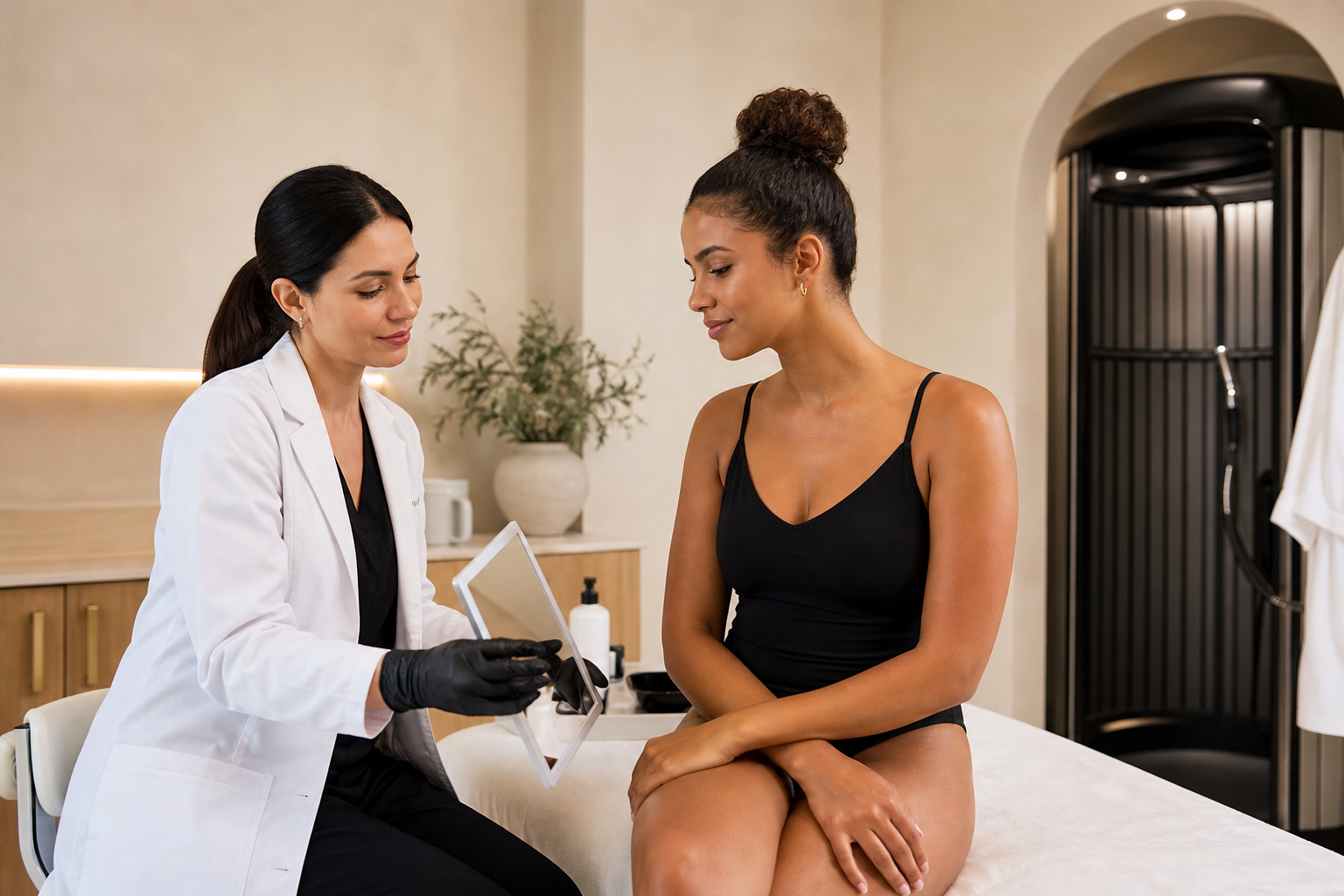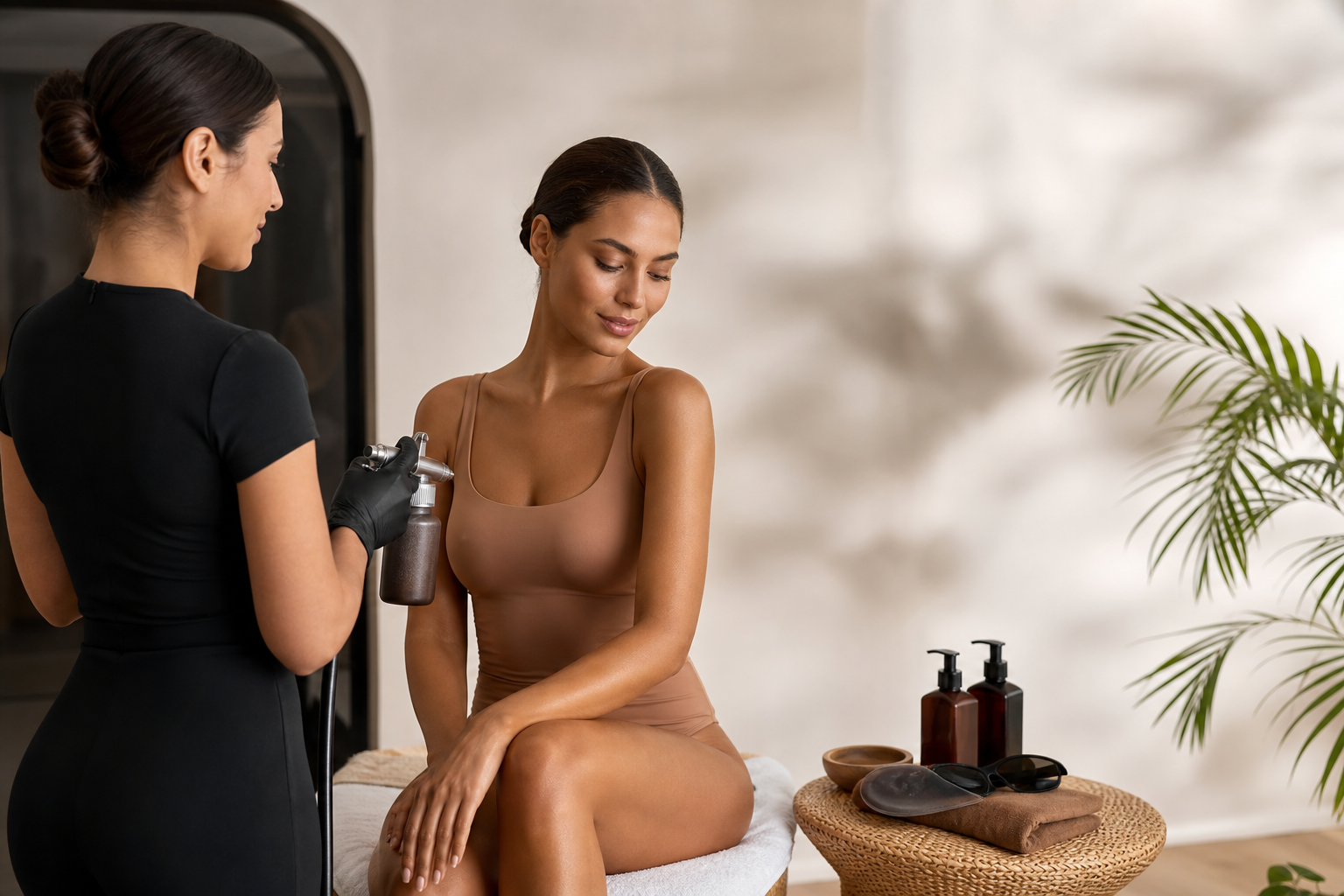
Spray tans have become a popular cosmetic choice for many seeking the warm glow of a sun-kissed complexion without exposing their skin to harmful ultraviolet (UV) rays. With concerns about the damaging effects of sun exposure, including premature aging and increased risk of skin cancer, individuals often turn to alternatives like spray tanning to achieve that idealized bronzed appearance safely. However, a common and important question arises: does a spray tan protect your skin from the sun? Understanding what spray tanning entails, whom it benefits, and its relationship to sun protection is crucial for anyone considering this cosmetic procedure.
At its core, spray tanning involves the application of solutions containing dihydroxyacetone (DHA), a colorless sugar that reacts chemically with the amino acids in the outermost layer of the skin to produce a temporary, bronzed stain. This method offers a fast and effective way to mimic the look of a natural tan without UV exposure, making it especially appealing to those cautious about the risks associated with direct sunbathing or tanning beds. However, it is vital to recognize that this method only imparts color and does not provide a shield against the sun's harmful rays.
This article is designed to clarify the capabilities and limitations of spray tanning, especially regarding sun protection. It aims to offer practical guidance and set realistic expectations for users, emphasizing the necessity of traditional sun protection measures such as broad-spectrum sunscreen application. By exploring the science behind spray tanning, the distinctions between cosmetic bronzing and UV defense, and common misconceptions, readers will gain an informed perspective needed to maintain healthy skin while enjoying the aesthetic benefits of a spray tan.
What Exactly Is Spray Tanning and How Does It Work?
Spray tanning is a form of sunless tanning achieved by applying a mist containing dihydroxyacetone (DHA) onto the skin's surface. DHA is a colorless carbohydrate that reacts with the amino acids of the stratum corneum—the outermost layer of dead skin cells—to produce melanoidin pigments that appear brown. This process is similar to the Maillard reaction that causes browning in cooked foods and takes approximately 4–8 hours to develop fully.
Unlike natural tanning, which stimulates melanin production deep within the skin as a protective response to UV radiation, spray tanning colors the skin externally without influencing melanin or triggering any biological protective mechanisms. The resulting tan is superficial and fades as the stained skin cells naturally slough off over seven to ten days. Thus, spray tanning offers a cosmetic effect without the risks of UV damage.
The convenience of achieving an even, immediate tan without prolonged sun exposure accounts for the method’s popularity. It is also favored by those with sensitive skin, individuals managing photosensitive skin conditions, or anyone seeking a temporary change in complexion independent of the sun's intensity or duration.
Does Spray Tanning Provide Any Sun Protection?
The essential question for many is whether the bronzed hue from a spray tan translates into legitimate defense against UV radiation. The straightforward answer is no: spray tans do not provide sun protection.
DHA's interaction with the skin produces color changes restricted to the skin's surface and does not confer any physical or chemical sunscreen properties. Spray tans do not absorb, reflect, or scatter UV rays meaningfully and thus do not prevent DNA damage from UVA or UVB exposure. Dermatological research confirms that no matter how dark the spray tan appears, it cannot replace or replicate the protective capacity of melanin generated by the body's natural tanning process or that of properly formulated sunscreens.
Moreover, the cosmetic darkening can impart a misleading sense of security, which is potentially hazardous. Individuals with a spray tan may feel less vulnerable to sunburn or long-term UV damage and might neglect protective behavior such as applying sunscreen, seeking shade, or wearing protective clothing. This false confidence could unknowingly increase their risk of photodamage or skin cancer.
Who Typically Chooses Spray Tanning and Why Is Understanding Its Limits Important?
Spray tanning is appealing to a diverse group of people with various motivations. This includes those who want a uniform, healthy-looking glow for social events, individuals with skin conditions that are aggravated by sun exposure, and persons concerned about premature skin aging or skin cancers due to UV radiation. It is also popular among those who have experienced sunburn or photosensitivity and wish to avoid additional UV exposure.
For these users, it is critical to know that while spray tanning enhances skin appearance without UV exposure, it does not replace sun protection strategies. Failing to recognize this can lead to skin vulnerability, especially during extended outdoor activities or in environments with intense sunlight. Comprehensive skin care involves combining safe cosmetic practices with rigorous UV defense.
Why Broad-Spectrum Sunscreens with SPF 30+ Remain Essential Even After a Spray Tan
Sunscreens designed to offer broad-spectrum protection are formulated to shield the skin from both UVA and UVB radiation. UVA rays contribute to premature skin aging and possibly skin cancer, while UVB rays are primarily responsible for sunburn and also play a significant role in skin cancer development. A sunscreen with an SPF (Sun Protection Factor) of 30 or higher is generally recommended by dermatologists because it filters out approximately 97% of UVB radiation.
Using such sunscreens regularly is the cornerstone of effective photoprotection. Spray tanning products do not contain ingredients that effectively absorb or deflect UV rays; hence, they cannot fulfill this protective function. Applying SPF 30+ sunscreen on spray-tanned skin ensures that cosmetic enhancement does not come at the expense of skin health.
It is equally important to apply sunscreen properly—generously, evenly, and repeatedly—especially before prolonged sun exposure, after swimming or sweating, and according to the product directions. Complementary protective measures like wearing hats, UV-blocking sunglasses, and protective clothing, along with seeking shade, are recommended.
How to Safely Integrate Spray Tan with Sun Protection Practices
Blending aesthetic goals with safe sun behaviors requires strategic skin care planning. After receiving a spray tan, it is advisable to allow sufficient drying time—often 6 to 8 hours—to ensure color development and longevity. During this period, avoiding water, sweat, and friction is essential to prevent premature fading.
Once the tan is set and before stepping outdoors, apply a broad-spectrum SPF 30+ sunscreen liberally over all exposed areas, including those with the spray tan. Reapplying sunscreen every two hours, or immediately after water exposure or excessive sweating, maintains protection’s effectiveness.
It may also be beneficial to avoid direct sun exposure immediately following a spray tan application since skin may be more sensitive due to the chemical interaction with DHA. Wearing protective accessories such as wide-brimmed hats and UV-blocking sunglasses can provide additional security.
Common Misconceptions About Spray Tan and Sun Protection
Several myths persist around the relationship between spray tanning and UV protection, and clarifying these can prevent harmful misunderstandings:
Myth: "Spray tans protect my skin from the sun because the skin looks darker."
Fact: Visual darkness does not equate to UV protection. The tan from DHA is superficial and does not stimulate melanin production, the skin's natural defense.
Myth: "After spray tanning, I don't need to use sunscreen anymore."
Fact: Sunscreen is necessary regardless of skin color or how the tan was achieved. Spray tan does not substitute for sunscreen.
Myth: "Spray tan can reduce my skin's sensitivity to UV rays."
Fact: There is no evidence that spray tan decreases photosensitivity or risk of sunburn.
Further Reading on Spray Tanning Safety and Skin Care
For those keen to deepen their understanding of spray tanning’s effects, ingredients, and safe practices, consulting expert resources can be invaluable. Articles such as Is Spray Tanning Safe? DHA, Protection and Precautions and Spray Tan: The Complete Guide to a Sun-Kissed Look Without UV Exposure provide comprehensive insights into the chemical components like DHA, the science behind application, and tips to avoid irritation or allergic reactions.
Exploring discussions on Does Spray Tanning Damage the Skin? and What Is DHA in Self-Tanning Products? further expands knowledge, helping users make informed decisions that prioritize both beauty and health. Additionally, considerations for sensitive skin—covered in guides like Spray Tanning and Sensitive Skin: What Should You Check?—offer tailored advice for those with particular skin care needs.