Spray tanning during pregnancy emerges as a significant topic for expectant mothers seeking to maintain a sun-kissed complexion without exposing themselves to harmful ultraviolet (UV) rays. Pregnancy is a delicate phase wherein women prioritize their health and wellness more than ever, sparking numerous questions about the safety and suitability of various cosmetic treatments, including spray tanning. This article aims to provide comprehensive, neutral information about what spray tanning entails, its potential benefits and limitations in pregnancy, and crucial considerations to discuss with healthcare professionals and tanning salons prior to undergoing the procedure.
Understanding spray tanning is especially important for pregnant individuals who want to safely achieve a glowing, tanned look while protecting their sensitive skin and avoiding risks associated with UV exposure. By exploring the chemical components involved, assessing realistic expectations, and detailing the precautions necessary, this guide supports informed decision-making tailored to each woman's unique health context.
Whether you are contemplating a spray tan for an upcoming event or simply wish to maintain a gentle, bronzed radiance throughout your pregnancy, knowing the essential facts and asking the right questions ensures that your choice aligns with your well-being goals and medical advice.
What Is Spray Tan and How Does It Work?
Spray tanning is a cosmetic technique of self-tanning that uses a fine mist containing dihydroxyacetone (DHA), a colorless sugar, to create the appearance of a natural tan without exposing skin to sunlight or tanning beds. DHA interacts chemically with amino acids in the skin's upper layer, producing a temporary browning effect that mimics a sun-induced tan.
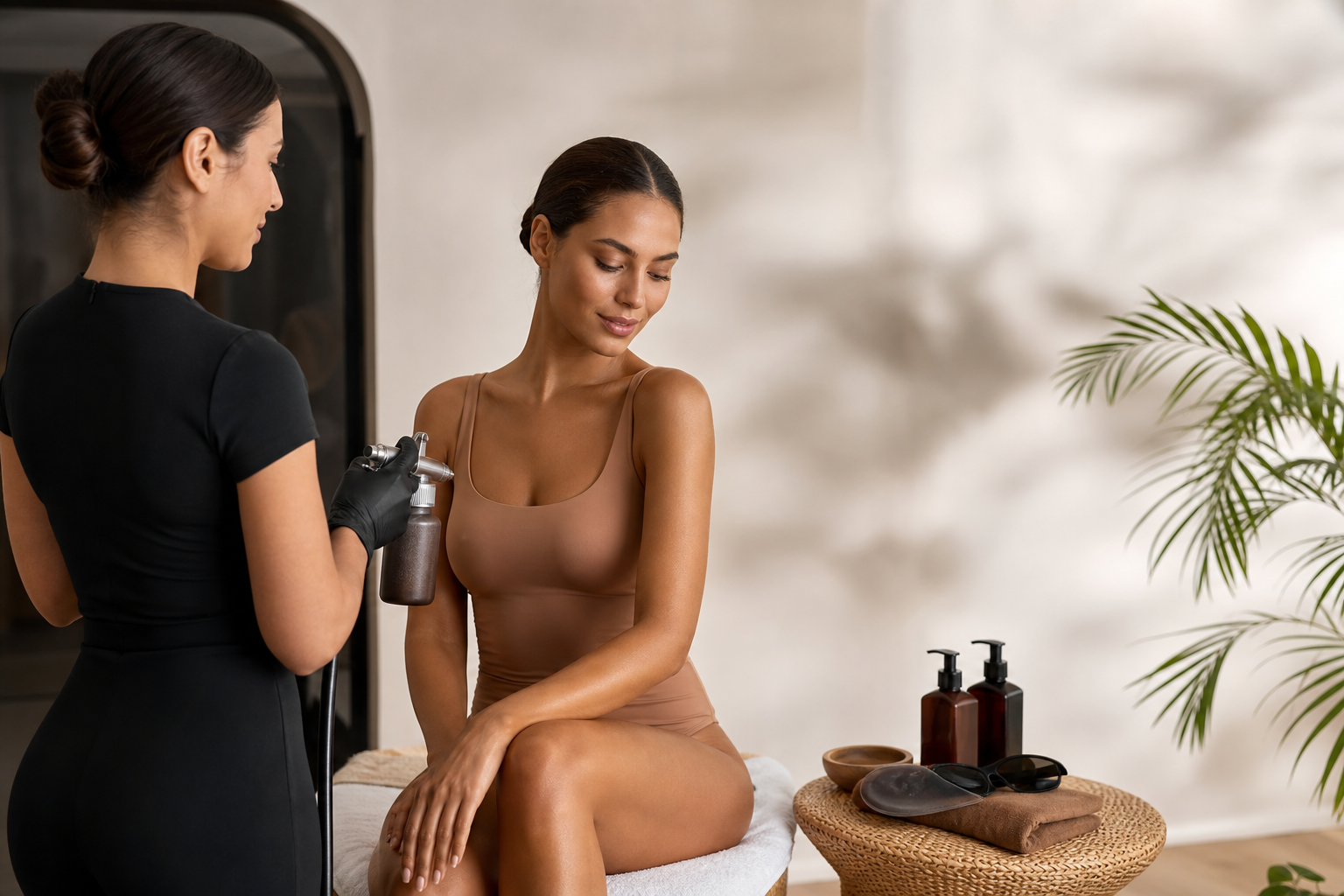
During a typical spray tan session, a trained technician sprays a uniform coating of the DHA-based solution over the body using specialized equipment. The resulting coloration usually becomes visible within a few hours, lasting anywhere from several days up to two weeks depending on skin type, post-application care, and individual physiological factors.
For pregnant women, spray tanning offers an appealing alternative to UV-based tanning methods, as it eliminates exposure to harmful radiation that might pose risks to both mother and fetus. Still, understanding the composition of spray tan products and the application process is vital to ensure safety during this sensitive period.
Which Questions Should Be Asked of Your Doctor Before Considering Spray Tanning in Pregnancy?
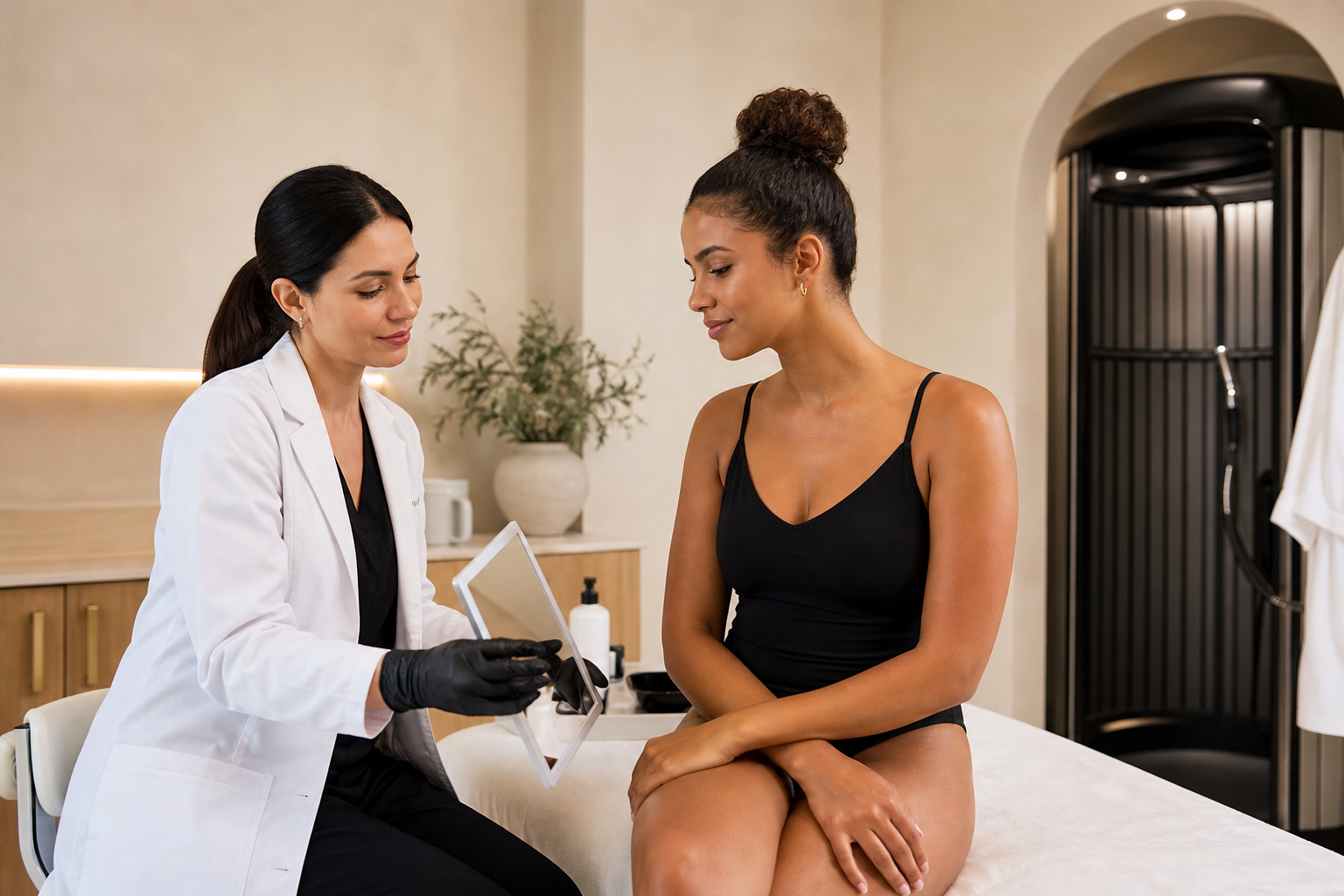
Before engaging in any cosmetic procedure while pregnant, it is imperative to consult with your obstetrician, gynecologist, or a dermatologist to evaluate your specific health situation. This personalized medical guidance can identify potential contraindications or sensitivities related to your pregnancy and skin condition.
Some focal queries to consider include:
1. Is it safe for me to use DHA-containing spray tan products during pregnancy? Although DHA is considered non-toxic when applied externally and does not deeply penetrate the skin to enter systemic circulation, each case should be reviewed individually, especially if skin sensitivity or allergies are a concern.
2. Are there pregnancy-specific skin changes that might influence my risk of irritation or allergic reactions? Hormonal fluctuations during pregnancy can modify skin sensitivity, potentially increasing susceptibility to adverse reactions.
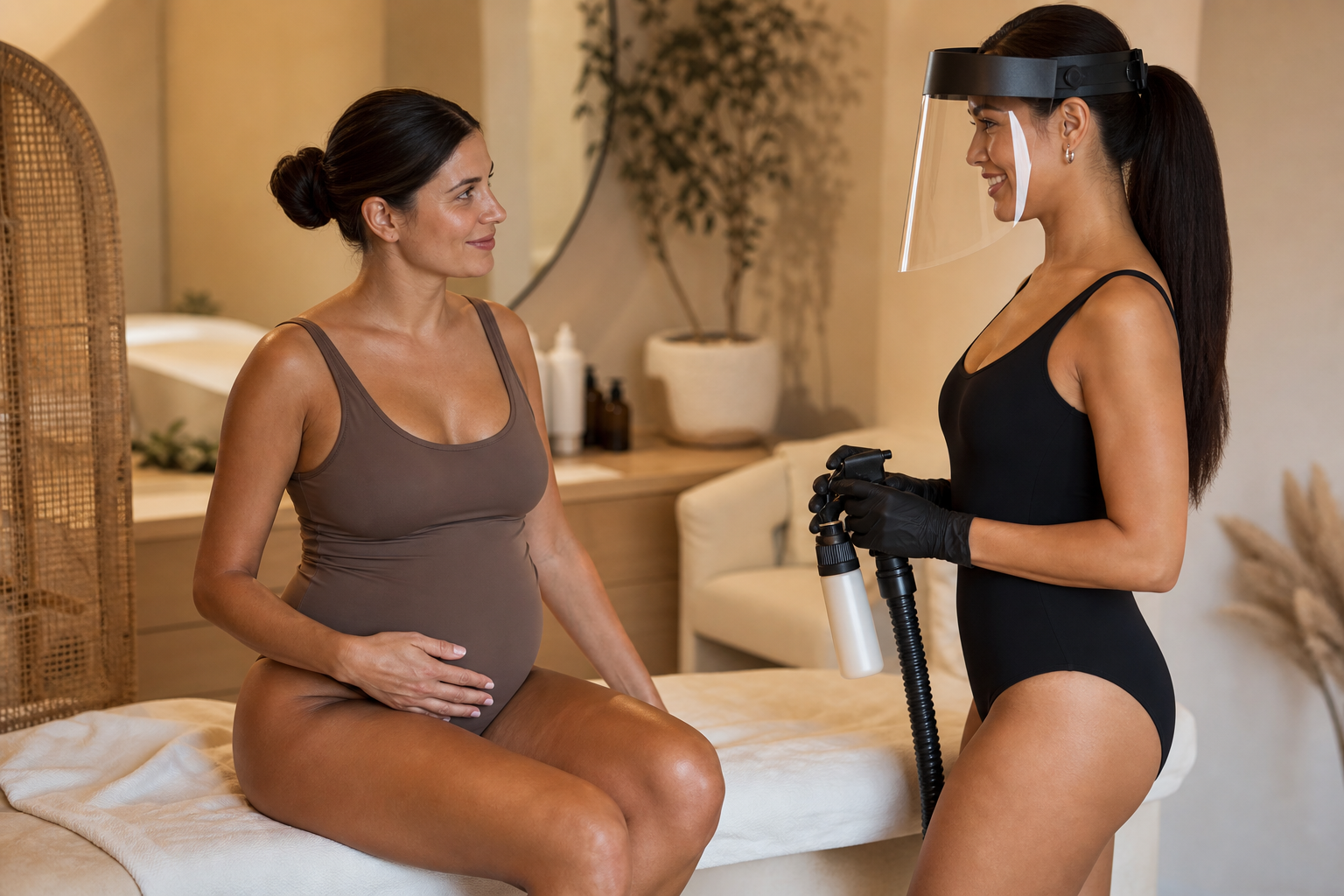
3. What precautions should I observe during the spray tan procedure to protect myself? Protective strategies such as shielding the eyes and mucous membranes and avoiding inhalation of spray particles are advisable to reduce any potential risks.
4. Would performing a patch test before the full application be beneficial? A preliminary patch test can identify unexpected sensitivities, lending greater assurance of product compatibility with your skin.
How to Engage in Effective Dialogue with Spray Tanning Salons when Pregnant
Choosing a reputable salon with experience working with pregnant clients is crucial. Open, transparent communication about the following topics can optimize treatment safety and client comfort:
1. What ingredients are contained in the spray tanning solutions, and have they been tested for safety during pregnancy? Understanding product composition and seeing certifications or test results builds trust and helps avoid unwanted exposure to problematic substances.
2. How does the salon ensure protection of sensitive areas such as the eyes, lips, and respiratory tract during spray application? Proper protective gear and application techniques reduce risk of irritation or accidental ingestion.
3. Are technicians trained to adapt the process for pregnant clients? Knowledgeable staff can customize procedures and advise on timing, skin preparation, and post-care tailored to pregnancy.
4. Is there an option to postpone or modify the treatment if new health concerns arise? Flexibility demonstrates commitment to client well-being and responsible practice.
What Are the Realistic Benefits and Limitations of Spray Tanning During Pregnancy?
Spray tanning’s primary advantage during pregnancy lies in offering a sunless bronzed look that sidesteps UV exposure, thereby reducing risks such as photodamage, pigmentation abnormalities, and potential complications related to excessive sun or tanning bed use.
However, it is essential to understand that spray tanning products do not provide protection against UV radiation. Therefore, expectant mothers using spray tans must still diligently apply broad-spectrum sun protection (SPF 30 or higher) to safeguard their skin from harmful rays and maintain overall skin health.
Additionally, despite the appeal of a gradual tan, spray tanning can sometimes cause skin irritation or allergic reactions, particularly in the hormonally sensitive skin that pregnancy often entails. Selecting gentle formulas and adhering to safety guidelines helps minimize these risks.
What Safety Measures Should Be Taken When Undergoing Spray Tan Treatments While Pregnant?
To maximize safety and maintain skin comfort, pregnant women considering spray tan should observe the following precautions:
• Obtain medical clearance from your healthcare provider, ensuring there are no individualized contraindications.
• Choose professional salons with solid reputations and experience with pregnancy clients.
• Request detailed information about the spray tan products' ingredients, ensuring they are free from potentially harmful additives.
• Consider undergoing a patch test to detect any allergic responses before a full application.
• During the session, utilize available protective equipment for the eyes, lips, and respiratory pathways to avoid unnecessary exposure to spray mist.
• Post-treatment, moisturize the skin adequately and avoid activities that may prematurely remove the tan, such as excessive sweating, swimming, or scrubbing.
• Always apply a broad-spectrum sunscreen of SPF 30 or greater when outdoors, as spray tans do not substitute proper sun protection.
Addressing Common Concerns About Spray Tanning in Pregnancy
Some common questions and concerns arise around spray tanning while expecting. One frequent inquiry is whether DHA can harm the developing fetus. Current research indicates DHA used in topical self-tanning products is not absorbed systemically in significant amounts, minimizing risk. Nevertheless, prudent consultation with a healthcare provider remains essential.
Another typical worry involves allergic reactions: pregnancy-related hormonal changes can render skin more reactive. Selecting mild formulas and patch testing can help prevent adverse responses.
A further notable question is whether spray tanning can replace sunscreen. It cannot. While spray tans dye the skin, providing a bronzed look, they provide no barrier against UV rays, making diligent sunscreen application indispensable to prevent sunburn and long-term damage.