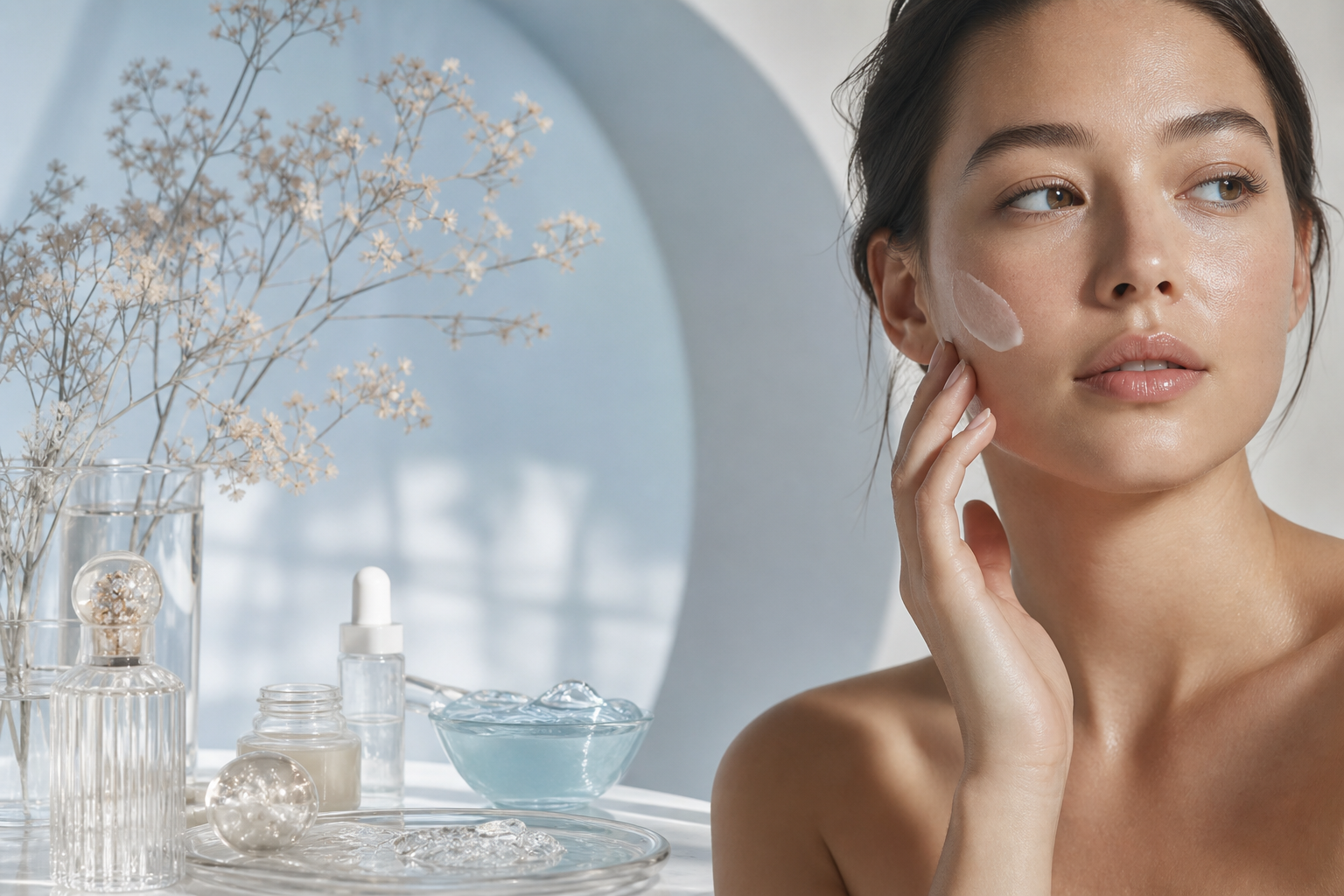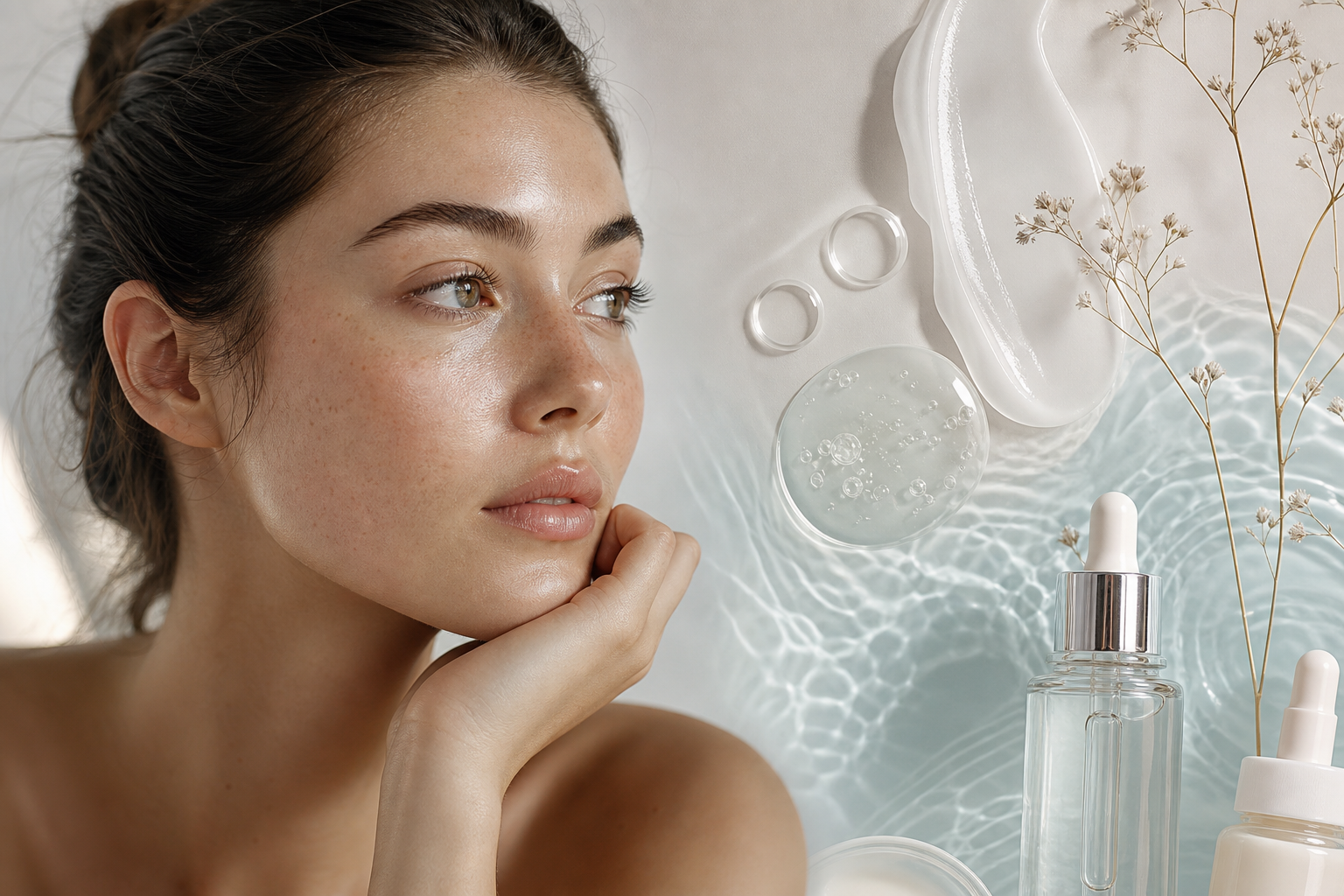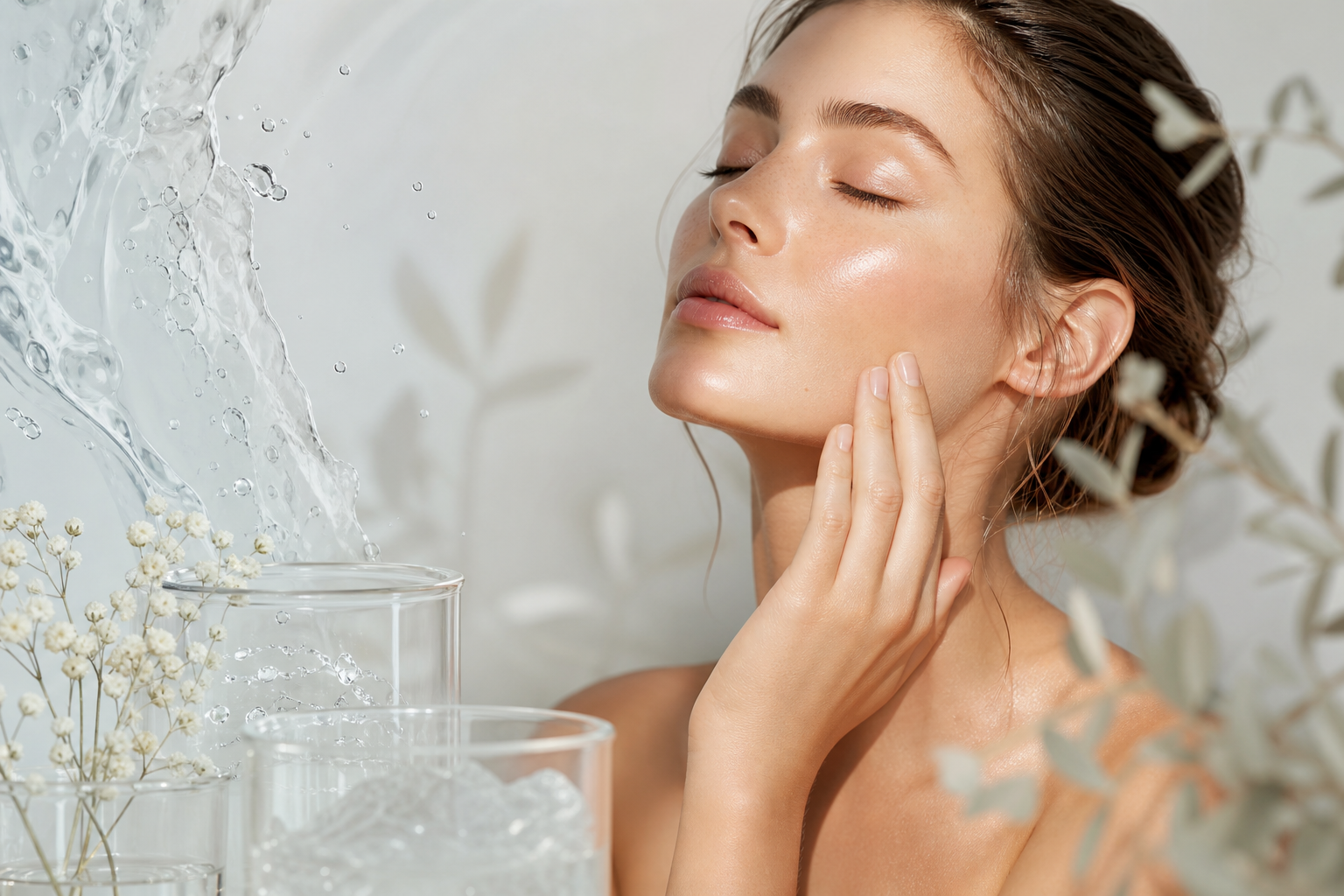
In the expansive world of skincare, hydration remains a cornerstone of skin health and appearance. Among the myriad ingredients touted for their moisturizing capabilities, trehalose has emerged as a particularly compelling component in hydrating skincare products. Trehalose is a naturally occurring disaccharide sugar comprised of two glucose molecules bound in a unique configuration that imparts remarkable stability and protective abilities. Its reputation as a potent moisturizer and skin protector has grown steadily within dermatological and cosmetic circles, making it a noteworthy ingredient for those seeking effective hydration solutions.
Understanding trehalose in the context of hydrating skincare products is essential for anyone invested in optimizing their skin wellness—whether they are consumers looking for reliable moisture retention or skincare professionals formulating advanced products. Trehalose's ability to not only attract and retain water but also protect skin cells from environmental stressors positions it as a multifunctional asset. Its role extends beyond simple hydration to include enhancing barrier function, stabilizing proteins and lipids in the skin, and contributing to long-term skin resilience.
For individuals with dry, sensitive, or mature skin types, and for those exposed to harsh climatic conditions, incorporating trehalose-enriched formulations can offer distinct benefits in mitigating dryness, irritation, and premature signs of aging. By delving into the science behind trehalose, its mechanisms, ideal use cases, and its integration with other hydration strategies, one can make informed choices that elevate the efficacy of their skincare regimen.
What Is Trehalose and What Unique Properties Does It Bring to Skincare?
Trehalose is a natural sugar found in various plants, fungi, and microorganisms, where it serves as a protective agent against extreme environmental stresses such as dehydration, heat, and oxidation. Chemically, it is a disaccharide composed of two glucose units linked by a distinctive α,α-1,1-glycosidic bond, which grants it exceptional stability compared to other sugars.
In skincare formulations, trehalose functions primarily as a humectant—an ingredient that binds water molecules from its surroundings and helps retain moisture within the skin's layers. Its water retention is notable for contributing sustained hydration, reducing the sensation of tightness or dryness often experienced in dehydrated skin. However, its value extends much further; trehalose also acts protectively by stabilizing cellular membranes and skin proteins.
By stabilizing proteins and lipids, trehalose helps maintain skin elasticity and integrity, which are essential for youthful and healthy skin appearance. Additionally, it forms a protective barrier, slowing down transepidermal water loss (TEWL), a significant factor in chronic skin dryness. This dual action—hydration and protection—is what distinguishes trehalose from many other moisturizing agents.
Who Benefits Most From Using Skincare Products Containing Trehalose?
Products formulated with trehalose are suitable for a broad spectrum of skin types and concerns but offer particular advantages to those grappling with dry, sensitive, or mature skin. Dry skin, characterized by insufficient moisture and compromised barrier function, can suffer from increased sensitivity and signs of premature aging. Trehalose's moisturizing efficacy helps alleviate these concerns by improving hydration and reinforcing the skin’s natural defenses.
Individuals with sensitive conditions like atopic dermatitis or rosacea may also find trehalose beneficial since its gentle humectant action hydrates the skin without irritation. Furthermore, people exposed to environmental extremes—such as cold, wind, pollution, or intense sun—can leverage trehalose’s membrane and protein-protecting properties to prevent dehydration-induced damage and oxidative stress.
It is important to recognize, however, that while trehalose is generally well-tolerated, individual responses can vary. Those with highly reactive skin conditions should consult with a dermatologist to ensure that a trehalose-containing product aligns with their treatment needs and skin sensitivities.
How Does Trehalose Function Mechanistically to Hydrate and Protect the Skin?
The hydration mechanism of trehalose primarily involves its humectant properties. It attracts water molecules from the atmosphere and helps maintain them within the stratum corneum, the skin’s outermost layer. This hydration effect mitigates the dryness and tightness associated with impaired barrier function.
Beyond hydration, trehalose exerts a protective influence through its antioxidant capabilities. It can scavenge free radicals generated by UV exposure and environmental pollutants, thereby limiting oxidative damage to cellular structures—a key factor in premature skin aging. This antioxidant activity supports skin health by reducing inflammation and preserving cellular homeostasis.
Another critical mechanism involves the stabilization of membrane lipids and structural proteins. Trehalose binds to these molecules to prevent denaturation and disintegration caused by environmental stress or dryness. This action helps maintain skin elasticity and barrier functionality. The protective film trehalose forms on the skin surface also acts as a shield against transepidermal water loss.
What Are the Advantages and Limitations of Trehalose in Hydrating Skincare Formulations?
Trehalose’s advantages include its multifunctional role as both a moisturizer and skin protector. It provides long-lasting hydration without forming an oily layer, making it suitable even for those with oily or combination skin. Its stabilizing effect can also enhance the shelf-life and stability of skincare products by protecting sensitive ingredients from oxidation.
Moreover, trehalose’s compatibility with other skin-benefiting molecules like hyaluronic acid, glycerin, and panthenol allows formulators to create synergistic blends that optimize skin hydration and renewal. Its gentle profile makes it a valuable addition for sensitive skin formulations.
Limitations of trehalose include its degree of hydration, which while effective, may not be as intensely hydrating as some high-molecular-weight humectants when used alone. Trehalose works best in concert with other moisturizing agents to create a balanced hydration profile. Additionally, the concentration and overall formulation significantly influence its efficacy; suboptimal concentrations may render it less effective.
It should also be noted that trehalose is not a therapeutic agent for severe skin conditions such as eczema or psoriasis, which require targeted medical management. Its role is best positioned within maintenance and preventive skincare routines rather than acute treatment.
How to Incorporate Trehalose-Infused Products Safely in Daily and Professional Skincare Routines?
For daily use, trehalose-containing moisturizers, serums, and creams can be incorporated into both morning and evening skincare rituals. Selecting products tailored to one's skin type ensures that hydration levels are optimized without overwhelming sensitive or oily complexions. Combining trehalose with ingredients like glycerin or urea can amplify moisturizing benefits, as detailed in resources such as Glycerin in Skincare: The Underrated Moisturizing Ingredient and Urea for Dry and Dehydrated Skin.
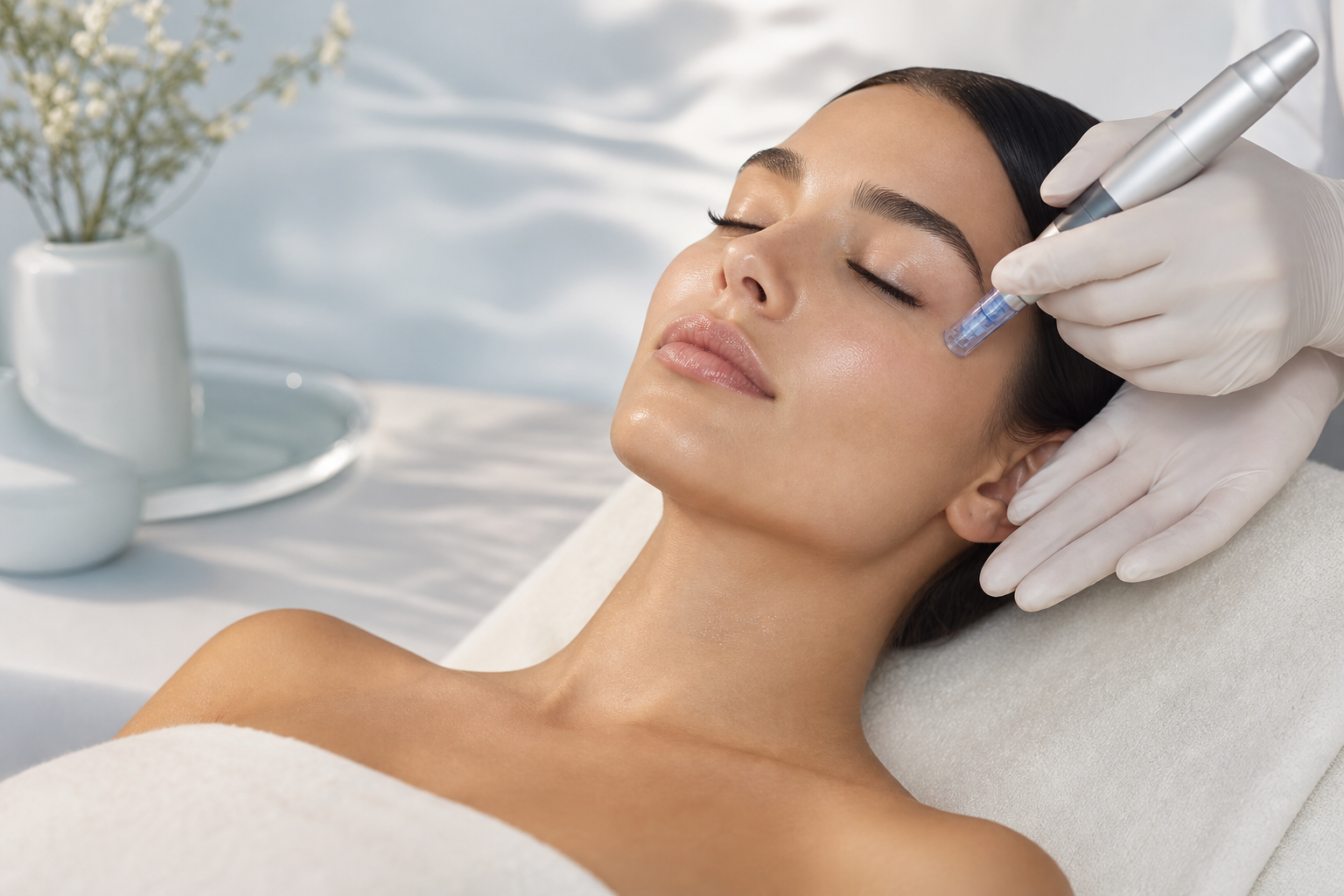
In professional settings, estheticians and dermatologists may employ trehalose-enriched serums or masks as part of treatment regimens to soothe and rehydrate skin following exfoliation, laser procedures, or microneedling. The addition of trehalose can assist in calming inflammation and restoring barrier function. Pairing trehalose with ingredients such as hyaluronic acid—as explored in Hyaluronic Acid – A Comprehensive Guide—or panthenol, referenced in Panthenol for Calming and Skin Renewal, can provide a well-rounded approach to post-treatment care.
Regardless of context, it is prudent to perform patch testing prior to widespread application, especially for individuals with sensitive or reactive skin types. Monitoring for any adverse reactions ensures safe and effective integration of trehalose-based products.
What Results Can Users Expect from Consistent Use of Trehalose-Based Hydrating Products?
Users can expect to notice improvements in the softness and suppleness of their skin, accompanied by a reduction in sensations of tightness or flaking commonly associated with dry skin. Over time, the skin's elasticity may improve subtly due to the protective actions of trehalose on skin proteins and membranes.
It's important to manage expectations since trehalose is a supportive ingredient rather than a cure-all. Visible outcomes generally develop over weeks of consistent use and may be enhanced when trehalose is combined with other hydration and skin-renewing agents, as detailed in comprehensive resources like Top Ingredients for Skin Hydration and Renewal and Hydration and Skin Renewal: The Complete Guide.
For objective assessment, professional tools such as corneometers can measure skin hydration levels to confirm improvements scientifically. Subjective evaluations through skin feel and appearance remain valuable for day-to-day monitoring.
Addressing Common Questions and Concerns About Trehalose in Skincare
Can trehalose cause allergic reactions? Allergies to trehalose are rare due to its gentle nature. However, any new skincare ingredient carries a potential risk for sensitivity. Performing a patch test before full use is a sensible precaution.
How often should products with trehalose be applied? Daily application, typically morning and night, aligns with standard moisturizing routines and promotes sustained hydration.
Is trehalose safe to use on acne-prone skin? Trehalose hydrates without clogging pores and may benefit acne-prone skin by reducing dryness that can force overproduction of oils. Nonetheless, it does not treat acne itself; active acne requires specialized treatment protocols.
How does trehalose pair with hyaluronic acid and other moisturizers? Trehalose complements other humectants such as hyaluronic acid by addressing water retention at different skin levels and protecting cellular structures. This synergy results in more comprehensive hydration and improved skin barrier support.