Skin health is fundamentally tied to the integrity of the skin barrier, the protective shield that guards against environmental aggressors while maintaining hydration. Among the myriad of skincare ingredients gaining prominence for supporting this vital function, niacinamide stands out as a scientifically-backed and versatile compound. Known as vitamin B3, niacinamide plays a crucial role in fortifying the skin barrier by aiding the production of essential lipids such as ceramides and other fatty acids. Its broad applicability makes it suitable for various skin types, especially those prone to dryness, sensitivity, and damage from external factors such as UV radiation and pollution.
Understanding how niacinamide contributes to skin health is essential for anyone seeking to enhance their skincare regimen effectively. Whether you are struggling with dehydrated, flaky skin, or looking to preempt early signs of aging and environmental damage, integrating niacinamide can offer tangible benefits. This editorial aims to elucidate the mechanisms through which niacinamide strengthens the skin barrier, detail its benefits, explore its compatibility with different skin types and other skincare ingredients, and clarify its role in both home care routines and professional treatments.
As consumers become increasingly discerning about ingredient efficacy and safety, niacinamide’s profile as a gentle yet profoundly effective agent positions it as a cornerstone in modern facial rituals focused on hydration and skin renewal. This comprehensive exploration will provide not only the scientific foundation but also practical guidance on how to leverage niacinamide for healthier, more resilient skin.
What Is Niacinamide and How Does It Strengthen the Skin Barrier?
Niacinamide, or nicotinamide, is the amide form of vitamin B3, a water-soluble vitamin involved in numerous cellular processes critical to cellular energy production and DNA repair. In the context of dermatology and cosmetology, niacinamide's significance lies in its ability to enhance the skin's structural integrity by stimulating the synthesis of ceramides, cholesterol, and free fatty acids—all of which constitute the lipid matrix within the stratum corneum, the outermost layer of the epidermis.
The skin barrier functions as a selective shield, retaining necessary moisture and preventing water loss while simultaneously protecting against microbial invasion and harmful environmental elements like pollutants and ultraviolet radiation. Damage to this barrier results in increased transepidermal water loss (TEWL), dryness, heightened sensitivity, and vulnerability to irritation.
By promoting lipid synthesis, niacinamide reinforces the 'mortar' between the 'bricks' of corneocytes, thereby improving cohesion and function of the stratum corneum. Additionally, niacinamide aids in the production of keratin and other structural proteins, which help maintain epidermal integrity. It also exhibits anti-inflammatory and antioxidant properties, contributing to reduced skin redness and defense against oxidative stress. Collectively, these effects translate to a more robust, hydrated, and less reactive skin barrier.
Who Benefits Most from Using Niacinamide in Their Skincare Routine?
Niacinamide’s versatility makes it compatible—and beneficial—for a wide array of skin types and concerns. It is particularly advantageous for individuals experiencing:
Dry and dehydrated skin: Niacinamide helps retain moisture by enhancing lipid production and reducing TEWL, addressing the underlying causes of skin dryness rather than merely masking symptoms.
Sensitive or reactive skin: Through its anti-inflammatory properties, niacinamide calms irritation and reduces redness, facilitating barrier repair in skin prone to environmental or product-induced sensitivity.
Compromised skin barrier after treatments or environmental exposure: People undergoing exfoliating procedures, retinoid use, or who face intense environmental stressors can leverage niacinamide to accelerate barrier restoration, minimizing discomfort and prolonging treatment benefits.
Skin with hyperpigmentation or uneven tone: While not primarily targeted for pigmentation, niacinamide can modulate melanin transfer, contributing to a gradual evening of skin tone in conjunction with other targeted treatments.
Aging or photo-damaged skin: The antioxidant and barrier-supportive effects of niacinamide mitigate signs of premature aging linked to oxidative stress and environmental damage, fostering a healthier skin appearance.
Moreover, niacinamide’s non-comedogenic nature and mild profile make it suitable for oily and acne-prone skin types, delivering barrier repair without aggravating pore blockage or inflammation.
What Skin Improvements Can You Expect When Using Niacinamide Regularly?
Consistent application of niacinamide-based products can yield multiple skin benefits, typically noticeable within 4 to 6 weeks of regular use:
Reinforced barrier function: Enhanced lipid production stabilizes the epidermal layer, reducing susceptibility to irritants and improving overall skin resilience.
Improved hydration levels: By minimizing transepidermal water loss, niacinamide ensures moisture retention, resulting in softer, plumper skin texture without greasiness.
Reduction in redness and inflammation: Anti-inflammatory effects help mitigate discomfort associated with sensitive or reactive skin, promoting a calmer, more uniform complexion.
Smoother and more even skin tone: While subtle, niacinamide’s influence on pigmentation pathways can lead to decreased blotchiness and a brighter skin appearance.
Support against premature aging: Indirectly, the protection from oxidative stress and structural support can lead to diminished appearance of fine lines and improved skin elasticity over time.
It is important to recognize that niacinamide functions as part of an integrated skin health strategy. Its efficacy can be enhanced when combined judiciously with complementary moisturizing, calming, and repairing ingredients.
How Should Niacinamide Be Incorporated Into Home Skincare Regimens?
Niacinamide is widely available in dermocosmetic formulations ranging from serums and creams to tonics and gels. Its water solubility and stability make it easy to include in daily skincare routines without complex layering strategies.
When integrating niacinamide into home care:
1. Apply to clean skin: Begin with a gentle cleansing step to remove impurities without disrupting the barrier, creating an optimal environment for niacinamide absorption.
2. Use niacinamide-containing products: Serums with 2-10% niacinamide concentration tend to be well tolerated and effective. Apply after cleansing and toning, but prior to heavier creams or oils.
3. Combine strategically with other ingredients: Niacinamide pairs well with humectants like hyaluronic acid, pantenol, and glycerin to further enhance hydration. Caution is advised when layering with strong acids such as vitamin C (ascorbic acid) or alpha hydroxy acids to prevent potential interaction or irritation; if used together, alternate applications or timing of use is recommended.
4. Protect skin during the day: Even with a strengthened barrier, UV protection remains critical. Use broad-spectrum sunscreens daily to preserve the gains achieved with niacinamide and prevent photo-induced barrier compromise.
Regular use of niacinamide is generally well tolerated. Some individuals with extremely sensitive skin may experience mild tingling or transient redness, particularly at high concentrations. Starting with a lower dose and patch testing is prudent.
In What Situations Should One Consider Professional Niacinamide Treatments?
While home care with niacinamide is effective for barrier reinforcement and mild to moderate dryness or sensitivity, certain scenarios benefit from professional intervention:
Severe barrier impairment or dermatological conditions: Medical-grade topical formulations with controlled niacinamide concentrations may be prescribed to aid skin recovery under supervision.
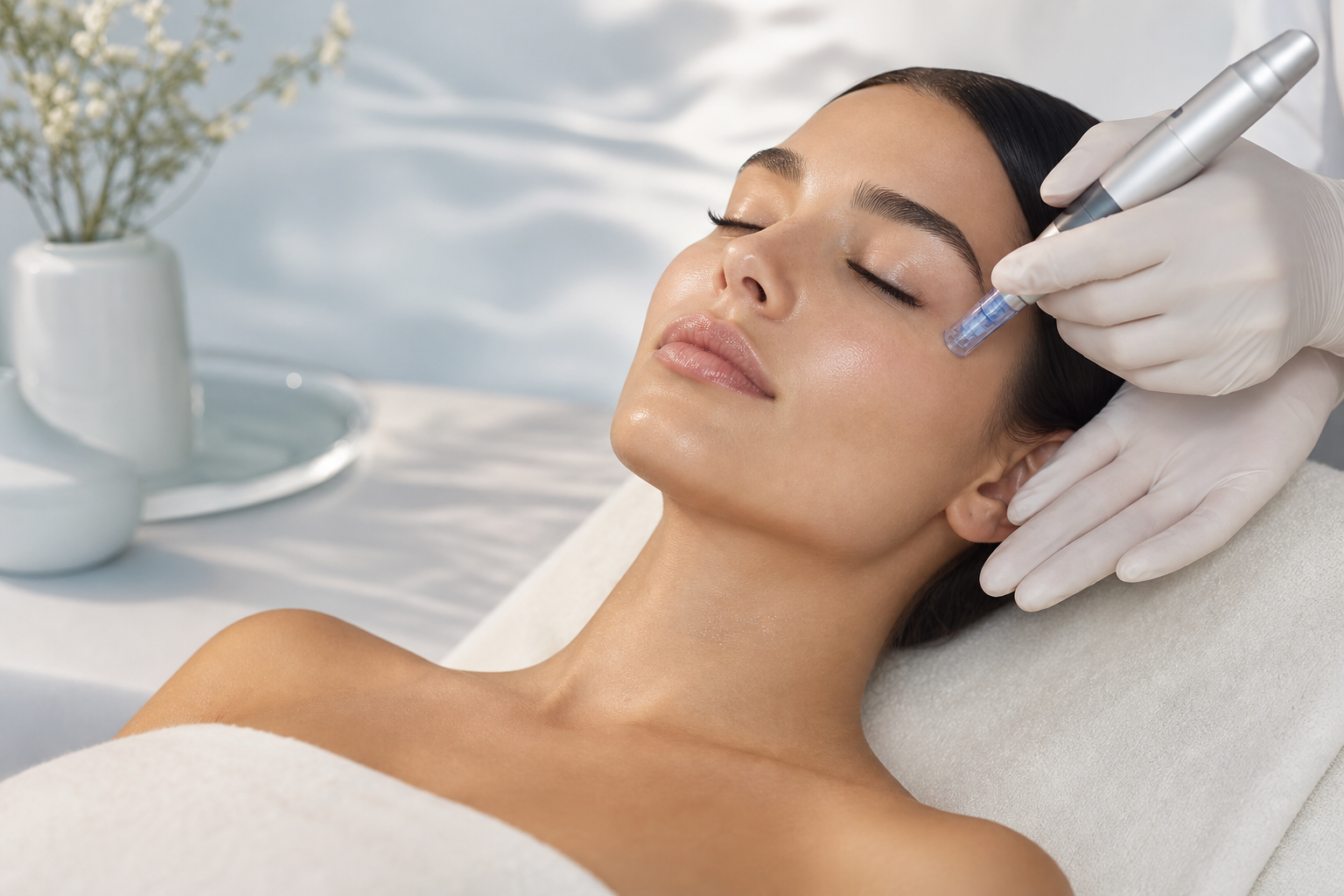
Complementary treatments: In-office procedures like no-needle mesotherapy or gentle chemical peels combined with niacinamide serums can deepen hydration levels and accelerate barrier repair, especially after resurfacing treatments.
Personalized skincare protocols: Licensed dermatologists or aestheticians can tailor niacinamide concentrations and combinations with other actives to address specific skin concerns, optimizing results while minimizing risks.
Professional guidance ensures an evidence-based approach that considers individual skin type, condition, and treatment history, often achieving results beyond the scope of over-the-counter products alone.
What Are the Safety Considerations and Limitations of Niacinamide Use?
As a skincare ingredient, niacinamide is revered for its safety profile and minimal adverse effects. Nonetheless, mindful application is necessary to maximize benefits and preclude potential issues:
Irritation potential: Predominantly rare and dose-dependent, higher concentrations exceeding 10% may provoke irritation in very sensitive skin types.
Interactions with other actives: Though generally compatible, niacinamide's efficacy can be blunted if combined improperly, especially with potent acids or certain brightening agents without appropriate timing or layering techniques.
Not a cure-all: While effective for barrier support and improving hydration, niacinamide does not substitute treatments for serious dermatological diseases or conditions requiring medical intervention.
When introducing niacinamide or altering existing skincare protocols, especially if skin issues are complex or persistent, consultation with a dermatologist or skincare professional is advisable.
What Timeline of Results Can Users Expect from Niacinamide Application?
Results from niacinamide use accrue gradually, reflecting the skin’s natural cell turnover and repair cycles. Most users observe notable improvements in hydration and barrier comfort within 4 to 6 weeks. Changes such as reduced redness and smoother texture might emerge progressively within this timeframe.
Improvements in skin tone uniformity and attenuation of fine lines usually require longer durations of consistent use, often extending to several months. Patience and ongoing adherence to complementary skincare steps, including sun protection and moisturization, amplify the longevity and impact of results.
Setting realistic expectations is critical; niacinamide supports skin health proactively over time but does not produce immediate transformations akin to some procedural treatments.
Common Questions About Niacinamide for the Skin Barrier
Can niacinamide irritate skin? While mostly well tolerated, individuals with highly sensitive skin might encounter mild irritation, especially when using high-concentration products. Starting low and observing skin response can mitigate this risk.
Is niacinamide safe to use with other active ingredients? Niacinamide generally synergizes well with moisturizing and soothing agents such as hyaluronic acid, pantenol, and glycerin. Careful layering or alternating application times is recommended when combining with potent acids or potent actives to avoid irritation.
Does niacinamide replace professional skincare treatments? No, at-home niacinamide use complements but does not replace medical or intensive aesthetic procedures, which may be necessary for severe skin damage or complex concerns.
When do effects start showing? Users can typically expect hydration and barrier improvements within a month or so, with longer-term changes in texture and tone developing over sustained use.