The spa manicure stands as an exceptional approach to hand and nail care, designed not only to beautify but also to deeply nourish, restore, and protect. Unlike traditional manicures that primarily focus on the cosmetic aspects, spa manicures offer a comprehensive treatment that transcends basic grooming to prioritize skin health, nail strength, and relaxation. This meticulous procedure is tailored for individuals who desire more than a fleeting aesthetic boost — those who seek a professional-grade regimen to revitalize dry, sensitive, or aging skin and bolster fragile or damaged nails.
Its significance lies in combining dermatological principles with cosmetic finesse, thereby meeting the needs of clients wanting both a luxurious experience and tangible health benefits. Spa manicures are especially beneficial for people facing environmental stressors, frequent hand washing, or professions that expose their hands to harsh chemicals. Understanding the intricate process behind this treatment, the safety standards involved, and how to maintain its effects extends its value well beyond the salon visit, making it an integral part of long-term hand and nail wellness.
In this editorial, we explore the detailed step-by-step care involved in spa manicures, dissect the science behind each phase, and clarify for whom this treatment is most suitable. Our goal is to provide an insightful and practical resource for both beauty professionals aiming to elevate their services and clients eager to choose the treatment optimized for their unique needs and expectations.
Structured Phases of a Spa Manicure: Precision in Practice
The spa manicure unfolds through a sequence of deliberately structured phases, each designed to nourish, protect, and rejuvenate the hands and nails systematically. From preparation to finishing touches, the process employs specialized techniques and products that collectively enhance health and appearance.
The initial stage focuses on gentle cleansing—removing any old polish and impurities using mild, non-drying removers instead of harsh acetone. This care ensures the natural oils and moisture balance of the nails and skin are preserved, avoiding the brittleness and irritation often caused by aggressive products.
Following this, the hands are immersed in carefully formulated soaking solutions containing vitamins, plant extracts, and nourishing oils. This 10 to 15-minute soak softens cuticles and skin, facilitating safer and less invasive care in subsequent steps while imparting relaxation benefits.
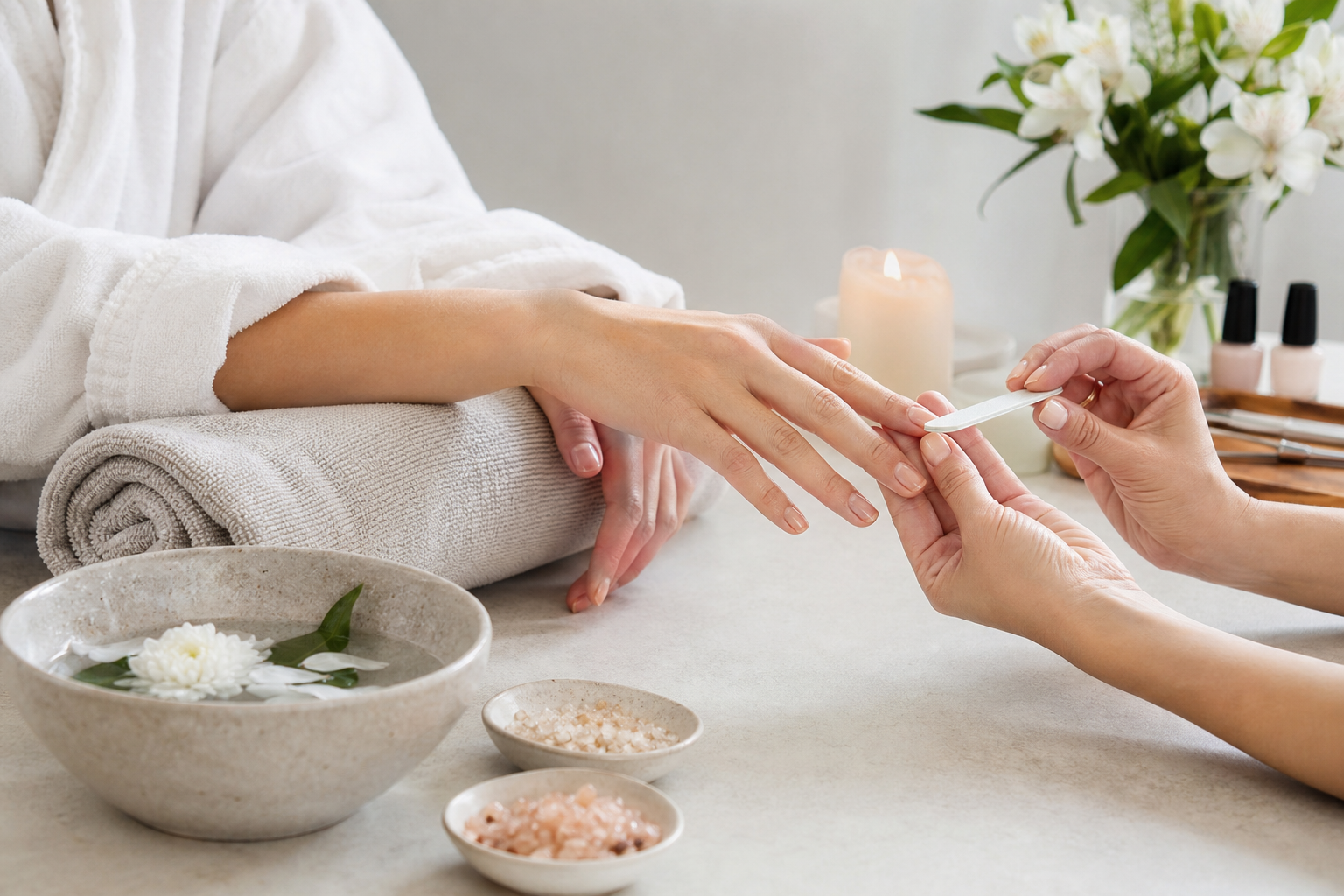
Cuticle care and nail shaping come next, with practitioners employing delicate techniques to push back rather than aggressively trim cuticles, thereby preserving skin integrity and preventing infection. Precision shaping is performed using fine-grit emery boards or glass files that prevent nail splitting and support healthy growth.
Exfoliation is then introduced to remove dead skin cells. Depending on skin type, chemical (such as glycolic acid or fruit enzymes) or mechanical scrubs are selected to enhance cellular turnover and smoothness. This is complemented by the application of rich hydrating masks that lock in moisture and deliver deep-conditioning ingredients to the skin.
The massage stage offers both therapeutic and cosmetic advantages; specialized creams or oils enriched with hyaluronic acid, collagen, or essential oils are applied to invigorate blood circulation, reduce muscle tension, and tone the skin. This relaxation component also encourages lymphatic drainage, which helps maintain skin vitality.
Finalization involves sealing the nails with protective polishes or treatments that fortify and shield from environmental damage, as well as applying nourishing hand creams that maintain hydration and softness between treatments.
Identifying Ideal Candidates for Spa Manicure Treatment
Spa manicures are not a one-size-fits-all solution, but a thoughtfully targeted treatment designed to meet the needs of specific skin and nail conditions. Individuals with dry, cracked, or mature skin find significant benefits in the deep hydration and protective layers provided. The treatment also caters to those whose nails are prone to splitting, peeling, or general fragility by incorporating strengthening agents and gentle handling techniques.
People frequently exposed to environmental stressors, such as cold weather, detergents, or occupational chemicals, will appreciate the restorative and barrier-enhancing effects of spa manicures. The inclusion of ingredients that soothe irritation and reduce signs of redness adds to the therapeutic dimension of the treatment.
It is essential to note that spa manicures do not substitute medical interventions for active dermatological issues such as fungal infections, eczema, or psoriasis. Clients harboring such concerns should seek evaluation from qualified medical professionals prior to undertaking spa manicure treatments. Moreover, allergy-prone individuals must communicate any sensitivities, as product selection is critical to avoid adverse reactions.
Role and Selection of Specialized Products and Tools in Spa Manicures
The effectiveness of a spa manicure relies heavily on the quality and suitability of the products and tools employed. Formulations rich in vitamins E and A, fatty acids from almond and avocado oils, and botanical extracts like aloe vera create a synergistic environment for skin regeneration and nail vitality.
Soaking solutions are carefully balanced for pH and enriched with proteins and minerals that support skin and nail health without compromising the natural barrier. The choice between chemical and mechanical exfoliants depends on individual tolerance and skin sensitivity, underscoring the importance of professional assessment.
Tools used during the treatment—files, cuticle pushers, nippers, and tweezers—must be sterile, made of high-quality materials, and designed for ergonomic precision to minimize trauma and prevent infections. Their maintenance and hygienic handling are non-negotiable standards in professional spa manicure practices.
Ensuring Safety and Professionalism During Spa Manicure Sessions
Safety protocols in spa manicures extend beyond mere hygiene; they encompass client consultation, medical history evaluation, and constant observation during the procedure. Hand washing, disinfection of all implements, and maintaining a clean environment protect all parties from cross-contamination.
A thorough preliminary consultation allows technicians to tailor the treatment to client-specific conditions and establish realistic goals. This exchange also facilitates the early identification of potential contraindications such as open wounds, infections, or sensitive skin zones, ensuring the procedure is adjusted or postponed accordingly.
During sessions, vigilance for unusual signs like excessive redness, swelling, or discomfort guides the practitioner's decision-making, guaranteeing interventions prioritize health over aesthetics. Adherence to professional standards elevates assurances of client safety and enhances treatment outcomes.
Maintaining and Prolonging the Benefits of Spa Manicure Treatments at Home
Post-treatment care is integral to consolidating the gains achieved during a spa manicure. Clients are encouraged to nourish their skin regularly with emollient creams rich in humectants and occlusive agents that help lock in moisture. Application of cuticle oils at least twice daily supports nail flexibility and prevents cracking.
Protection from harsh soaps, detergents, and environmental extremes is vital. Wearing gloves during household chores or exposure to chemicals prevents deterioration of skin condition and preserves the manicure's longevity. Introducing supplementary home treatments such as hydrating masks can further enhance skin softness and resilience.
Routine nail grooming, including gentle filing and avoiding harmful habits like nail biting, maintain structural integrity and appearance. Incorporating these habits creates a sustainable hand and nail care regimen complementing periodic professional sessions.
Recognizing When Specialist Consultation Is Advised Before Spa Manicure
Though largely safe, spa manicures require careful screening to avoid exacerbating underlying skin or nail pathologies. Conditions such as onychomycosis (fungal nail infections), psoriasis, eczema, or acute dermatitis merit medical treatment prior to cosmetic care. Ignoring these contraindications may lead to worsened symptoms or ineffective cosmetic results.
Individuals with autoimmune disorders, severe allergies, or compromised immunity should disclose these factors to their care provider to determine the appropriateness and timing of spa manicure interventions. Collaboration between dermatologists and cosmetic professionals ensures comprehensive care.
In addition, allergy testing for product ingredients is prudent for sensitive clients to prevent reactions. Such vigilance safeguards client well-being and fosters trust in the service provider.
Achieving Lasting Wellness Through Consistent Spa Manicure Regimens
The spa manicure is most impactful when viewed as a consistent self-care practice rather than a one-off luxury. Sustained commitment to scheduled treatments, along with mindful home care, gradually improves skin texture, enhances nail strength, and reduces common discomforts like cracking and irritation. These enhancements reflect cumulative restorative processes supported by professional expertise and high-quality products.
Beyond the physical improvements, spa manicures offer psychological benefits, including relaxation, confidence, and a tangible sense of personal attention. This holistic uplift contributes to overall wellbeing and satisfaction with one's appearance.
Understanding the realistic time frames and outcomes aids clients in setting expectations aligned with achievable progress, ensuring long-term engagement and rewarding results.