Classic manicure stands as a timeless and essential nail care treatment, celebrated for its simplicity, effectiveness, and the natural elegance it imparts to hands. Distinct from modern nail enhancements like gel or permanent manicures, this approach concentrates on the fundamental care of natural nails and the surrounding skin without altering the nail's structure through complex techniques or products. It caters especially to individuals seeking a neat, clean, and well-groomed appearance while prioritizing nail health and desiring a gentle procedure without the need for elaborate or prolonged treatments.
This manicure style holds particular significance for everyday nail maintenance or preparing hands for any occasion, as it not only enhances aesthetics but deeply nourishes cuticles, moisturizes the skin, and shapes nails harmoniously with finger contours. When performed correctly by a trained professional, classic manicure contributes to preserving nail health and helps prevent common problems such as splitting, peeling, and cuticle inflammation.
Exploring the classic manicure’s procedure, advantages over other techniques, and typical duration enables readers to set realistic expectations and better prepare for their salon visit or personal care routine at home. Understanding these details expands appreciation for why classic manicure remains a preferred foundation in nail care.
Step-by-Step Mechanism of the Classic Manicure Procedure
The classic manicure procedure, while it may vary slightly among practitioners, follows foundational steps recognized universally as the standard for natural nail care. Hygiene is paramount throughout the process, with professionals ensuring all tools are meticulously sterilized to avoid any risk of infection.
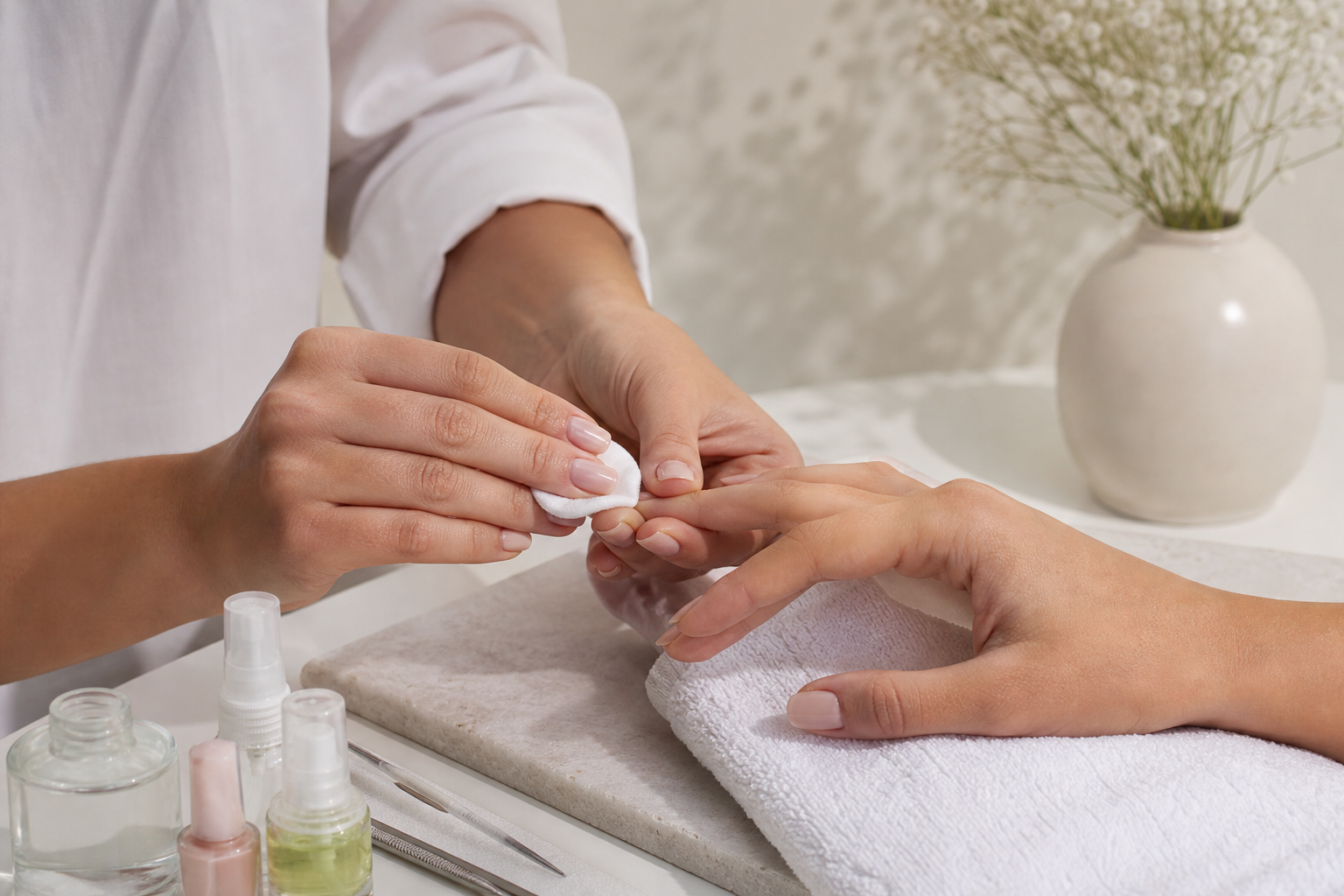
The process begins with the removal of any existing nail polish using gentle, non-drying removers. The natural nails then undergo shaping using a nail file; shapes such as soft ovals or gently rounded squares are selected based on the client's preferences and lifestyle, balancing aesthetics with functionality.
Subsequently, the hands are immersed in a warm water bath enriched with oils or botanical extracts to soften the cuticles and skin, facilitating easier and safer cuticle management. This softening process is critical to avoid damage or irritation during cuticle care.
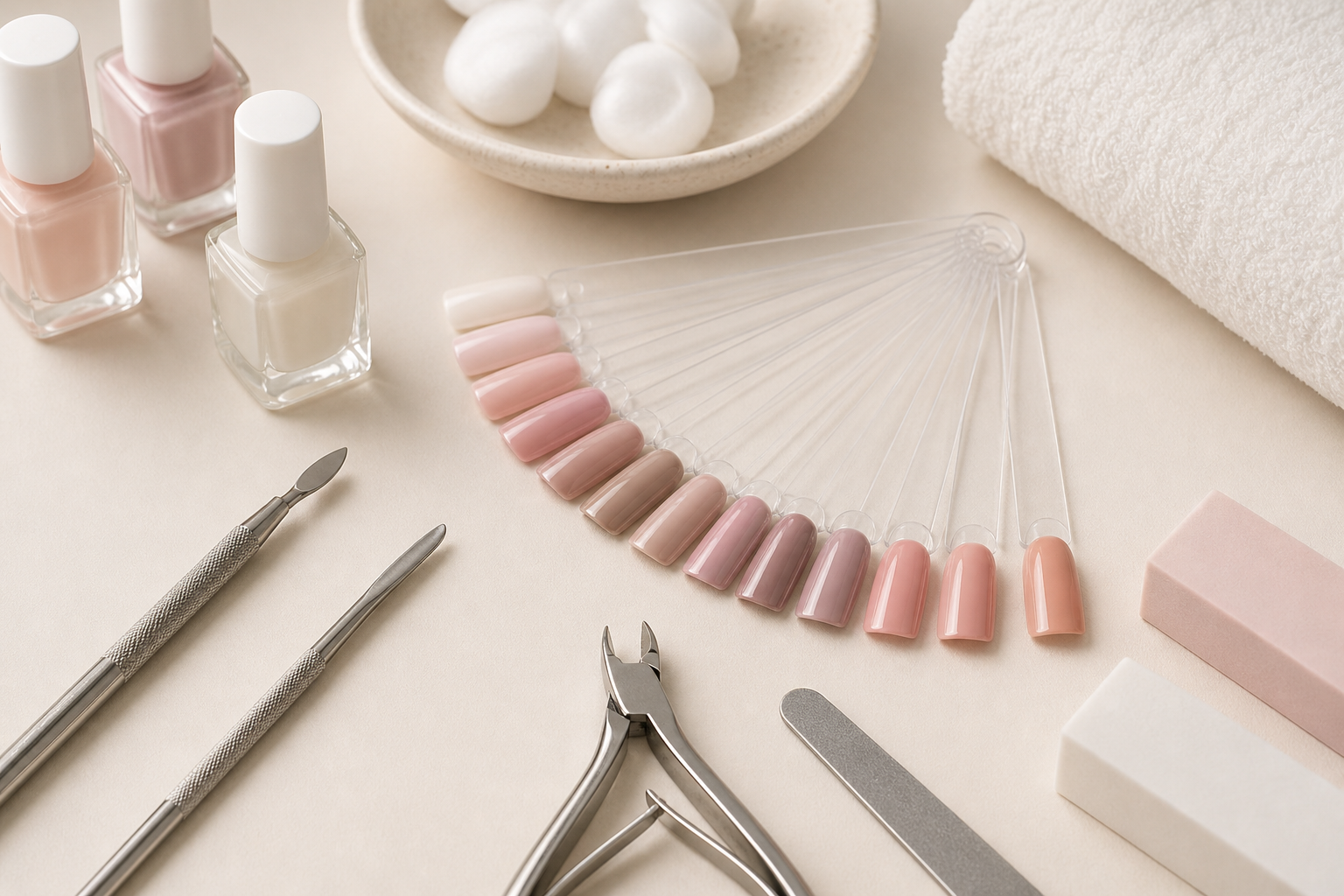
Cuticles are then carefully pushed back and any excess or dead tissue is trimmed with precision instruments like wooden sticks or specialized nippers, all performed cautiously to prevent cuts or inflammation. Following cuticle treatment, the nail surface is gently buffed using fine polishing blocks to smooth out irregularities and impart a subtle natural sheen. Beyond its cosmetic appeal, buffing also stimulates blood flow to the nail bed, fostering healthier nail growth.
The final hands-on step involves the application of nourishing or hydrating oil-based serums. These are massaged into the nails, cuticles, and hands to reinforce nail strength and restore skin moisture, thereby protecting against dryness. If desired by the client, the manicure concludes with the application of either a neutral or colored classic polish, enhancing the nails' appearance without compromising their natural condition.
Inherent Benefits of Classic Manicure Compared to Other Nail Treatments
Classic manicure offers numerous advantages, particularly for those seeking a natural approach to nail care rather than more invasive or chemical-intensive treatments like gel extensions or permanent lacquers. Its foremost benefit lies in preserving the integrity of the natural nail plate, avoiding damage that may arise from harsh removal methods associated with longer-lasting polishes.
This regimen is especially suitable for individuals who regularly engage in manual activities, as it allows for more frequent upkeep without the cumulative risk of weakening or thinning nails. Furthermore, by promoting meticulous hygiene through thorough cleaning beneath the nail and attentive cuticle care, the classic manicure helps preempt common issues such as infection or inflammation around nail tissue.
From a practical standpoint, classic manicure is more accessible both financially and time-wise, making it an excellent choice for routine maintenance or those new to professional nail treatments. It provides an effective introduction to professional nail care without requiring a significant time investment or exposure to potentially allergenic substances found in more complex procedures.
Typical Duration of Classic Manicure and Factors Influencing Timelines
The duration of a classic manicure treatment varies depending on factors such as initial nail and skin condition, specific protocol steps included, and whether polish application is involved. On average, the standard service in a professional salon ranges from 40 to 60 minutes, allowing sufficient time for thorough preparation, cuticle management, buffing, and moisturization.
Extended treatments offering added luxury elements such as hand massages, special moisturizing masks, or therapeutic ingredients may extend duration up to 90 minutes, commonly encountered in spa or high-end salon settings. Conversely, minimalist versions focusing on cleaning and shaping without polish may be completed in as little as 30 to 40 minutes, particularly when nails are already well-maintained.
Notably, the time invested directly affects the longevity and quality of results. More attentive and comprehensive sessions often yield improved nail and skin condition over successive treatments, while expedited sessions tend to provide primarily surface-level aesthetic enhancements with a shorter lifespan.
Safety Considerations and When Professional Consultation is Essential
Engaging in a classic manicure necessitates careful attention to safety and hygiene protocols. Individuals with sensitive skin, pre-existing nail disorders, fungal infections, or other dermatological issues must seek advice from a dermatologist prior to undergoing the treatment to prevent exacerbation of conditions.
It is prudent to postpone manicures if any pain, swelling, or visible signs of infection are present around the cuticles until these concerns have been medically addressed. Professional nail technicians uphold strict sterilization measures for instruments and adapt their methods to accommodate the client’s specific health status, ensuring a safe experience.
Additionally, clients should disclose allergies or sensitivities to any ingredients commonly used in manicure products to avoid adverse reactions. This open communication allows the technician to select appropriate materials and modify protocols accordingly.
Classic Manicure as a Foundational Pillar in Comprehensive Nail Care
Within the broad range of manicure services available, classic manicure remains a cornerstone, serving as both a standalone treatment and a preparatory step for more specialized or decorative nail techniques. Unlike sophisticated interventions such as dry manicure, combination, or spa treatments, the classic approach focuses on reinforcing natural nail health in a straightforward and reliable manner.
This treatment appeals to those who prioritize preserving their natural nail aesthetics and minimizing the risk of damage stemming from frequent application of intense chemical agents or artificial nail enhancements. It fits seamlessly into seasonal nail care routines, aiding in restoring nail and skin condition before or after exposure to environmental challenges.
Professionals often recommend classic manicure as an essential practice for maintaining optimal hand presentation, whether for personal confidence, workplace professionalism, or special events such as photoshoots or public appearances.