The art of manicure offers a vast spectrum of methods, each tailored to different aesthetic preferences and nail health needs. Among these, the Japanese manicure stands out not only as a cosmetic ritual but as a comprehensive treatment focused on strengthening natural nails and enhancing their health over time. Originating from Japan, a culture renowned for meticulous attention to craftsmanship and natural care, this technique deviates from conventional manicures that primarily emphasize polish and design. Instead, it concentrates on the revitalization and fortification of the nail plate through gentle, natural means.
This article delves into the Japanese manicure's mechanism, ideal candidates, and the realistic outcomes one can expect. It also outlines the limitations and safety considerations of the procedure, offering an expert perspective on why this approach is gaining traction among those seeking sustainable nail health rather than temporary beautification. By understanding the specifics of this technique, clients and professionals can better appreciate when and how it fits within a broader nail care regimen.
Unlike classic or combined manicures that often involve chemical treatments and aggressive cuticle removal, the Japanese manicure focuses on nourishing the nails with natural ingredients, coupled with carefully prescribed massage techniques. This holistic care extends beyond aesthetics, aiming to restore the nail's resilience and natural glow. It is particularly valuable for individuals dealing with fragile, brittle, or damaged nails, and for anyone desiring a natural, chemical-free enhancement of their nails' condition.
Distinctive Characteristics of the Japanese Manicure Technique
The Japanese manicure diverges from more commonly practiced types like the classic or spa manicure by integrating traditional rituals centered on holistic nail health. Instead of relying on synthetic lacquers or gels, this method employs natural powders such as rice powder, marine wax, and keratin-based formulations. These ingredients supply essential nutrients to the nail plate, promoting strength and flexibility.
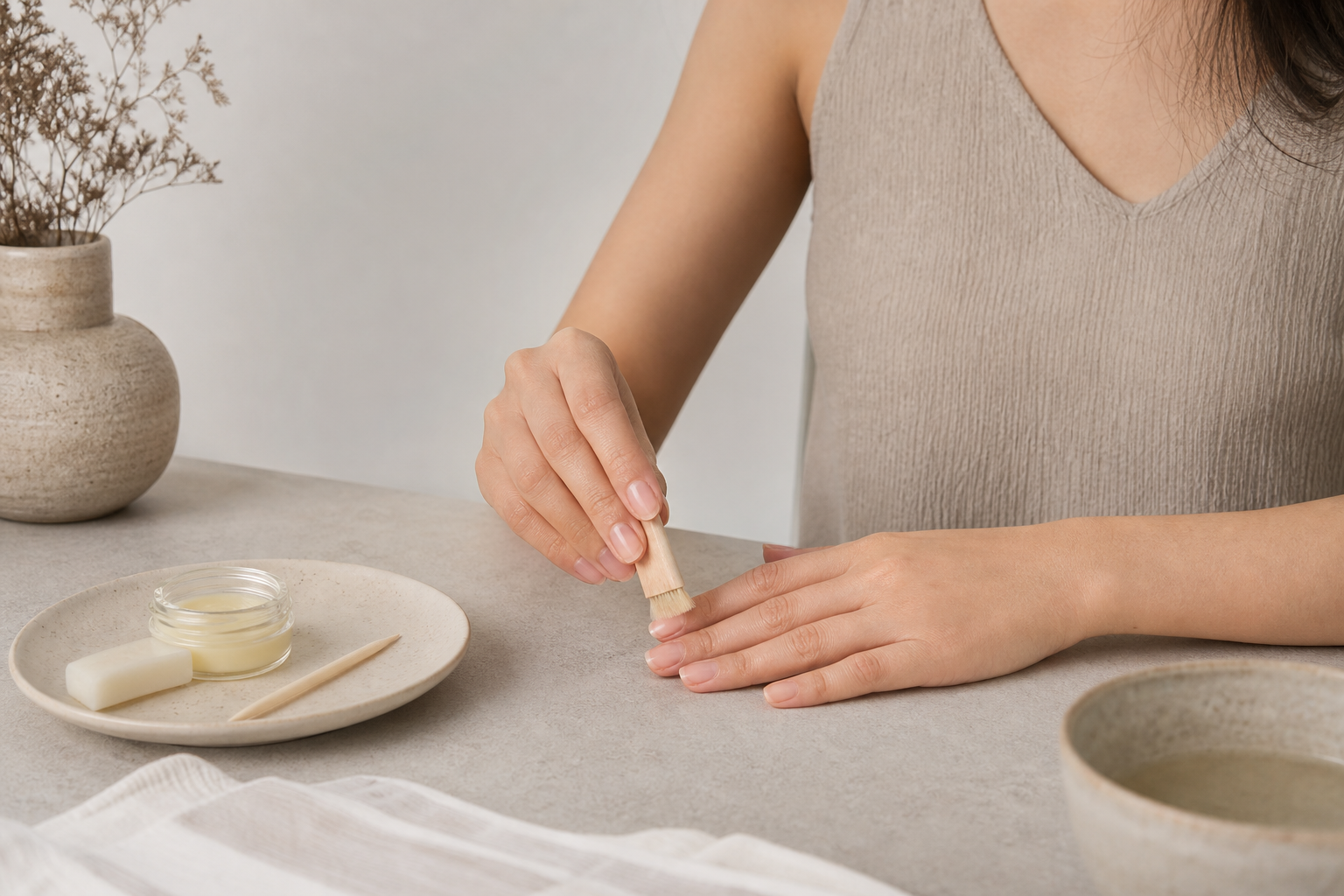
Its procedural steps underscore meticulous cleansing and gentle shaping without compromising the integrity of the nail or surrounding skin. Subsequent application of specialized powders is followed by a massage that encourages blood circulation and stimulates cellular renewal beneath the nail. These manipulations help dissolve keratinized dead cells and foster the growth of healthier nail layers.
Polishing with hand-carved stones and natural waxes replaces the need for varnishes, leaving nails with a soft, natural sheen that signifies health rather than decorativeness. This contrasts with spa manicures, which center on overall hand relaxation and hydration, often supplemented with aromatic treatments. In the Japanese approach, the nail is the primary focus, and the care routine is tailored accordingly.
Realistic Outcomes for Nail Health and Appearance
The benefits of the Japanese manicure manifest gradually with repeated sessions, as the primary aim is structural improvement rather than instant cosmetic transformation. Individuals undergoing this treatment typically observe their nails becoming substantially less prone to breakage and brittleness. Enhanced elasticity accompanies a subtle yet noticeable luster, which reflects the nail’s enriched health.
Another pivotal advantage is the reduction of flaky layers commonly associated with damaged nails, which can create an uneven or peeling surface. The nourishing compounds and physical stimulation provided during the treatment help reintegrate the nail layers for a smoother and more uniform texture.
The surrounding cuticle area also sees improvements, with diminished dryness and cracking as a result of the conditioning oils and targeted massage. This contributes to the overall aesthetic by presenting hands that appear carefully maintained and naturally elegant without relying on colored polish or artificial enhancements.
It is critical to set proper expectations: the Japanese manicure does not yield the instantaneous color impact or decorative effect of gel or acrylics. Instead, it supports the nail’s long-term vitality, which requires maintenance and patience from the client.
Preparation, Procedure, and the Professional's Role
Appropriate preparation is fundamental for successful Japanese manicure outcomes. A thorough assessment of the client’s nail condition, allergies, and possible contraindications ought to precede the treatment. This ensures that treatments are conducted safely, and clients who may have infections or dermatological conditions receive proper medical advice beforehand.
The treatment sequence begins with careful cleansing to eliminate dirt and residue, avoiding aggressive cuticle removal methods that could harm the nail matrix. Then, natural powders are gently massaged into the nail surface to provide hydration and nourishment. The massage duration varies based on individual needs and the therapist’s discernment but typically ranges from 15 to 30 minutes.
Final protection layers are formed by applying natural waxes and oils, which function as breathable barriers preserving moisture without chemical compromise. The therapist’s expertise in selecting genuine, quality products and performing precise techniques is paramount. Their understanding of nail physiology and the properties of natural substances ensures that each treatment is customized and effective.
Safety Considerations and Treatment Limitations
While the Japanese manicure is celebrated for its gentle and natural nature, it is not appropriate for everyone. Individuals with fungal infections, severe nail dystrophies, or active skin diseases affecting the hands should seek professional medical evaluation before considering this or any manicure procedure.
Quality control of the materials used is another safety concern. Only authentic products that meet rigorous standards should be applied to prevent allergic reactions or deleterious effects. Licensed practitioners will avoid improvised materials and strictly adhere to hygienic practices to minimize risks.
The frequency of treatments should also be monitored carefully. Overly frequent sessions might overwhelm the nail with excessive product exposure, potentially leading to sensitivity or diminished treatment efficacy. Typically, intervals between treatments are spaced every two to four weeks, balancing care and recovery time for optimal results.
Profiles of Individuals Best Suited for Japanese Manicure
The method resonates particularly well with those who face habitual nail fragility, susceptibility to splitting, or have experienced damage from previous chemical treatments such as gel or acrylic applications. It also appeals to persons committed to a naturally oriented lifestyle, conscious of avoiding synthetic chemicals in their personal care routines.
Long-term adopters of this manicure enjoy a cumulative improvement in nail toughness and a sustained natural shine, which gradually elevates the overall health and appearance of both nails and hands. Clients who maintain diligent home care following professional sessions significantly increase the likelihood of achieving these enduring effects.
Essentially, this approach is ideal for anyone who prioritizes nail preservation and restoration alongside an elegant, unobtrusive cosmetic effect, making it a preferred alternative to more aggressive beautification methods.
The Critical Importance of Skilled Professionals and Salon Choice
The success of the Japanese manicure hinges on the skills and knowledge of the practitioner. Unlike fast-paced or mass-market applications, this treatment requires nuanced hand techniques, an understanding of individualized nail conditions, and experience with natural ingredient formulations.
Prospective clients should seek salons with verified expertise in Japanese manicure protocols, preferably with practitioners trained specifically in this discipline. Transparent communication regarding treatment procedures, expected outcomes, and post-care recommendations indicates a commitment to high service standards.
Investing in expert care not only ensures superior immediate results but also safeguards nail health over time, mitigating potential adverse effects caused by improper treatment. Recognition of the importance of professional proficiency underscores the treatment's depth beyond a superficial beauty ritual.
The Japanese Manicure Within a Holistic Nail and Hand Care Philosophy
This treatment embodies a philosophy that extends beyond aesthetics into the realm of wellness by harmonizing the physical care of nails with therapeutic massage techniques that may alleviate stress and stimulate local circulation. It exemplifies a unification of beauty and health culture distinctive to Japanese tradition.
The combined focus on nail nutrition, skin conditioning, and mind-body relaxation transforms the manicure into a restorative experience. Users often report a heightened awareness of the importance of consistent hand and nail care, adopting more conscientious habits in their daily routines.
The Japanese manicure thus serves not only as a cosmetic procedure but also as a conduit for promoting enduring nail wellness and an informed self-care practice—a valuable perspective in contemporary nail cosmetology.