In the dynamic world of manicure artistry and nail care, the ability to visually communicate quality and style through photography has become indispensable. Instagram, as a premier platform for visual content, offers nail technicians, beauty professionals, and enthusiasts a unique avenue to showcase their manicure work and attract new clients. However, a captivating manicure photo demands more than just a trendy nail polish or intricate design; it requires mastery of framing and composition to effectively highlight the intricacies of the nails while maintaining a harmonious and natural representation of the hands.
This editorial is crafted for manicurists and nail care professionals eager to elevate their Instagram portfolios by harnessing precise framing and composition techniques tailored for manicure photography. It is also a valuable resource for nail enthusiasts who wish to present their own manicures with stylistic sophistication. Understanding how to frame hands and nails within the photographic frame, how to compose images that balance aesthetics and authenticity, and how to integrate natural hand appearance effectively influences how potential clients perceive the quality of the nail service and the professional behind it.
Nail care photography that reflects both technical skill and artistic refinement not only fosters greater trust and interest from viewers but also sets a higher standard for online presentation in the nail care community. This article delves deep into the essential elements and practical approaches to framing and composing manicure photographs that stand out on Instagram, enhancing engagement and amplifying the visual appeal of nail work.
Fundamentals of Framing in Manicure Photography
Framing refers to how the subject is positioned within the boundaries of a photograph. In manicure photography, framing involves deciding what portion of the hands and nails to include so that the viewer's focus is drawn precisely to the nail art, shape, and polish details, while retaining a natural context of the hand supporting the nails.
The primary challenge lies in achieving the perfect balance: the nails must be prominent without overwhelming the composition or appearing distorted due to excessive closeness. Too tight a frame risks cropping essential parts of the finger or hand, diminishing context and making the nails appear unnatural. Conversely, a frame that is too loose can cause the manicure to become visually lost amid the surrounding elements, reducing impact.
Professionals often recommend a medium shot that encompasses the fingertips through a portion of the fingers, or occasionally the palm contour depending on pose. This approach preserves the form of the hand while sustaining the manicure as the central focus. Such framing also encourages better interplay with the light source and creates opportunities for dynamic hand placements that feel organic.
Additionally, framing must consider the negative space around the nails. A carefully sized margin allows for breathing room in the image and prevents a cramped feeling. It also provides space to highlight complementary elements such as subtle background textures or accompanying props that emphasize the aesthetic theme, without distracting from the manicure itself.
Composition Principles Tailored to Showcasing Manicures
Composition is the artful arrangement of visual elements within the frame to create a coherent, balanced, and aesthetically pleasing image. For manicure photography, composition must simultaneously showcase the nail design and convey elegance, hygiene, and style through the positioning of the hands and interaction with the environment.
One foundational principle is the rule of thirds, which suggests placing the primary subjects—often the nails or fingertips—along imaginary lines dividing the image into three parts. This off-center positioning creates more visual interest and a dynamic flow compared to centering the subject. Applying this guideline helps avoid static or overly symmetrical images that lack emotional or visual engagement.
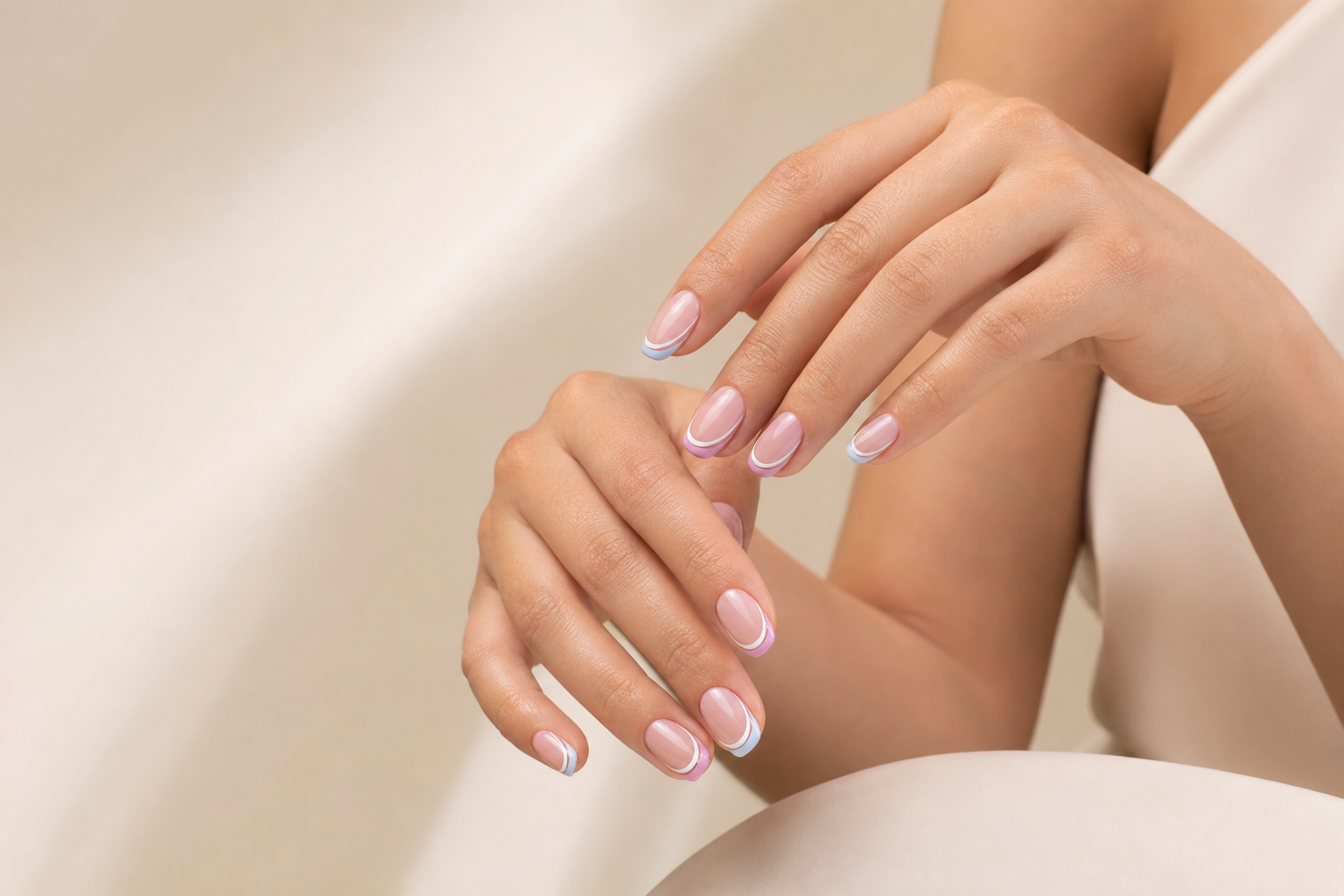
Furthermore, natural curves and lines of the fingers guide how hands should be posed within the frame. Slightly bent fingers or relaxed splayed positioning tend to look more inviting and lifelike, allowing the manicure to be viewed from complementary angles. Avoiding stiff, overly rigid poses is critical since such postures can detract from a natural presentation and make the nails appear less flattering.
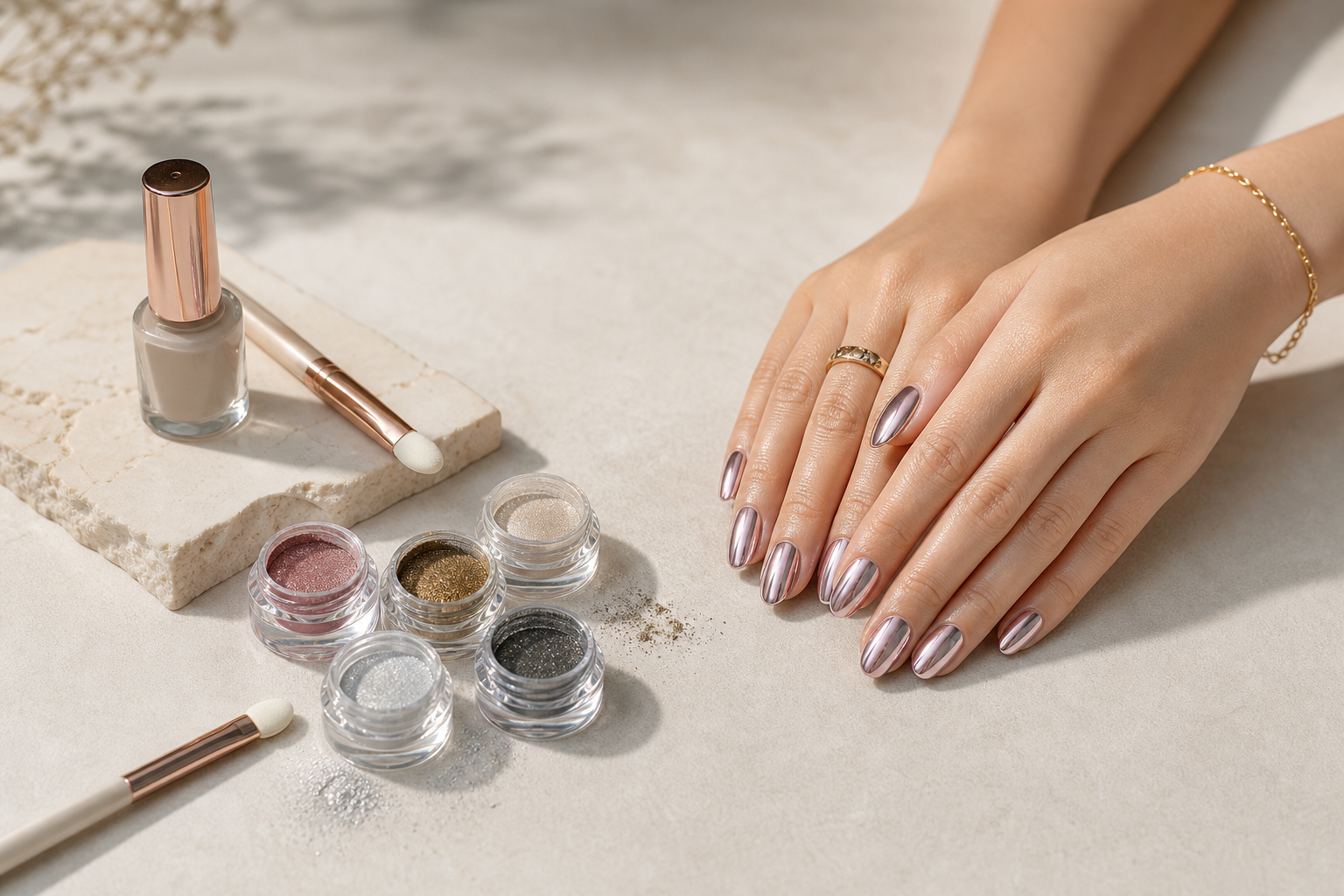
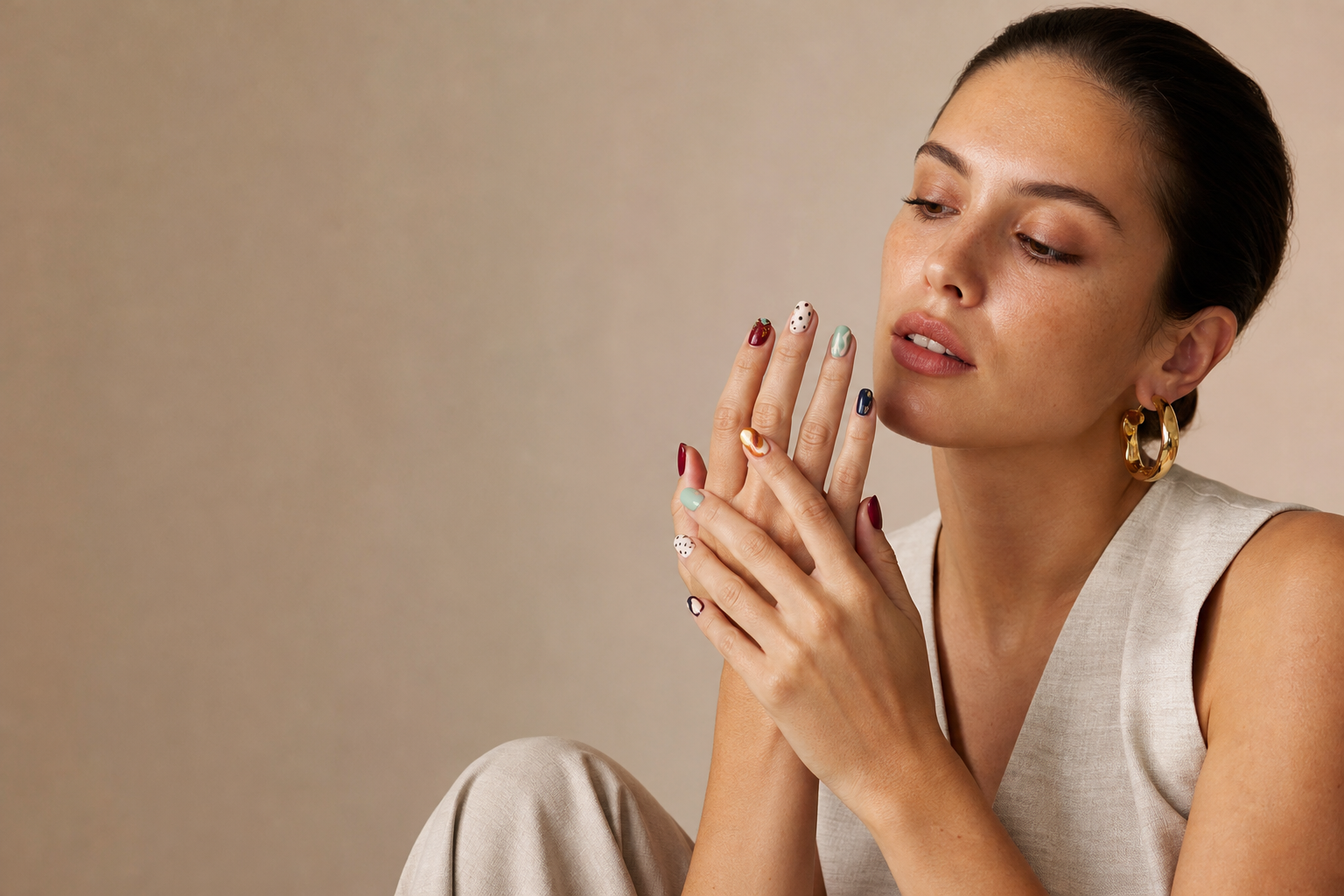
Color composition also plays an essential role. The background tones and ambient setting should harmonize with, not compete against, the nail colors. Neutral backgrounds enhance vibrancy and detail in complex or vivid polishes, while quieter nail colors can be accentuated by textured, softly colored, or artistic backgrounds. The interplay between color balance and composition elevates the photo's overall mood and professionalism.
Lastly, thoughtful inclusion of props — like minimalistic jewelry, textured cloth, or subtle accessories — must be strategically positioned to frame the manicure without stealing attention. These compositional decisions contribute to a lifestyle storytelling element often appreciated by Instagram audiences, enriching the context without diluting the core subject.
Natural Hand Appearance as a Crucial Element in Manicure Imagery
The visual appeal of manicure photography extends beyond the nails themselves to encompass the surrounding skin and hand presentation. Hands that appear naturally healthy, moisturized, and relaxed amplify the perceived quality of a manicure and resonate authenticity with viewers.
Highlighting a natural look means presenting skin tones evenly, showing supple texture, and avoiding excessive retouching that may introduce unrealistic smoothness or color alterations. Such authenticity builds trust and invites potential clients by demonstrating genuine care in nail and hand maintenance.
Preparation before the shoot is paramount. This includes moisturizing the hands to reduce dryness and flakiness, ensuring cuticles are well-groomed and subtle, and removing any visual distractions like scars or blemishes if possible. When the hands convey a fresh, natural radiance, the nails stand out as complementary art rather than isolated adornments.
Moreover, posing hands in relaxed and natural positions helps maintain this effect. Forced or uncomfortable poses can create unnatural shadows, distort the hand's anatomy, and undermine the harmonious integration of nails and skin. Techniques such as gentle finger flexing, natural resting positions, or soft interaction with props promote a more lifelike representation.
Optimizing Lighting and Environment for Authentic Manicure Photos
Lighting is the cornerstone of all successful photography projects and is especially pertinent in manicure images where subtle details, colors, and textures must be captured accurately and attractively. Natural light is generally preferred for its ability to render color true to life and accentuate shiny or textured surfaces without harsh contrasts.
Outdoor settings during overcast weather or indoor locations near large windows provide soft, even illumination that prevents unwanted shadows or glare on polished nails. Avoid direct sunlight which can cause reflections that obscure details or create overexposed spots.
When natural light is limited, artificial lighting setups using diffused light sources or ring lights can simulate natural illumination. Positioning light at angles that emphasize the gloss or three-dimensional features of the nail design enhances visual depth. However, care must be taken to prevent strong shadows or hotspots that detract from a professional look.
The surrounding environment should complement the lighting—neutral and non-reflective surfaces help maintain focus on the manicure and hand appearance. Avoid cluttered backgrounds or highly reflective materials that may introduce distractions or color casts.
Combining lighting with thoughtful environmental selection ensures that the manicure’s vibrancy and detail are optimally captured while supporting the natural look of the hand and the mood of the image.
Advanced Techniques and Device Settings to Perfect Manicure Photography
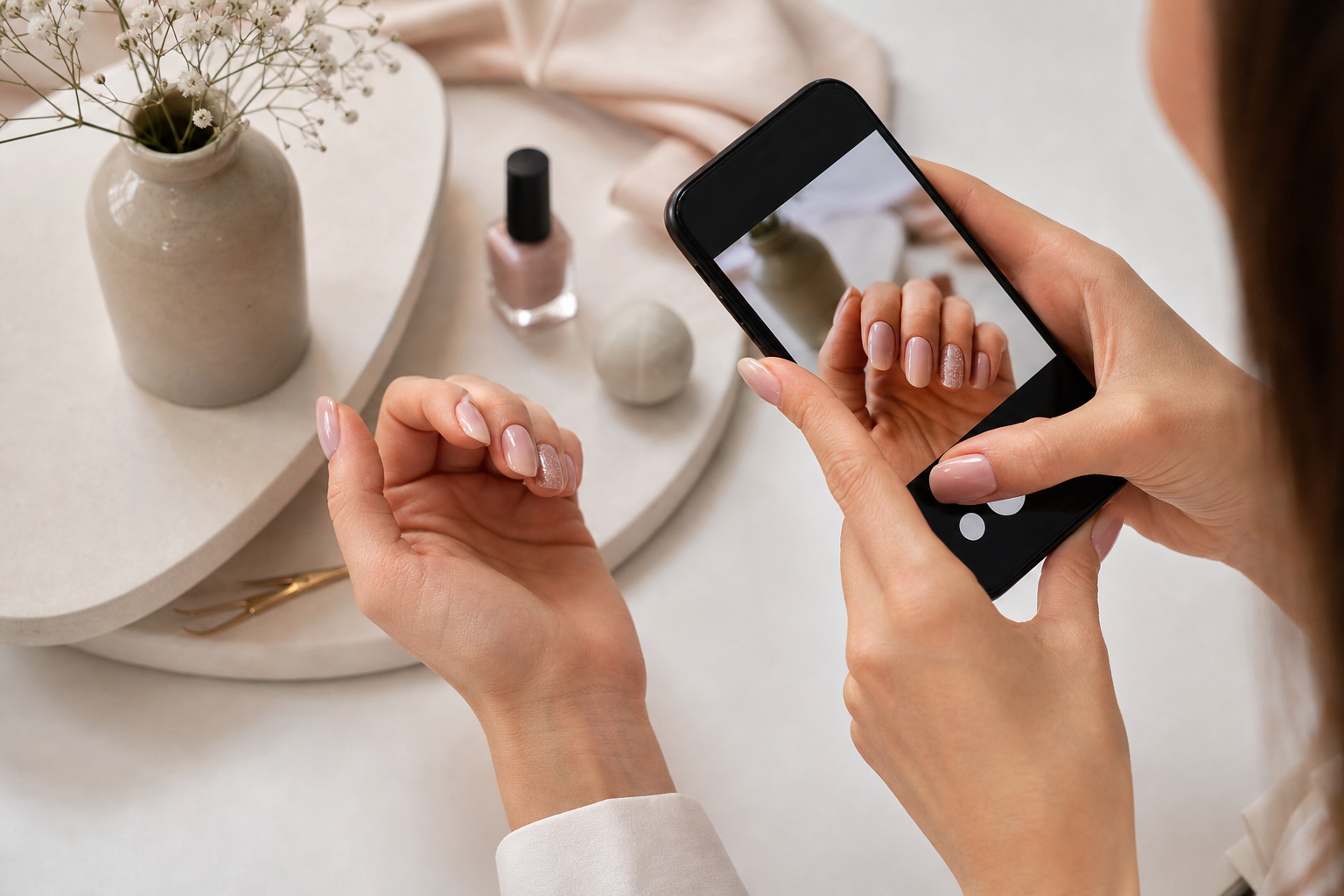
While excellent framing and composition are foundational, leveraging technological tools effectively further distinguishes professional manicure photography. Modern smartphones and digital cameras offer features like macro mode, manual focus, and exposure adjustments that allow sharp, detailed close-ups of nails.
Macro settings permit capturing intricate patterns, textures, and detailing in polish and nail art, conveying a tactile and three-dimensional impression. Manually adjusting focus to the nail surface, rather than the overall hand, secures clarity where it matters most.
Exposure compensation settings help control brightness levels, preventing washed-out colors or underexposed shadows. Additionally, using a tripod or stable surface reduces blurring from hand movements, important for crisp photographs when working with tight framing.
For color accuracy, disabling heavy filters and post-processing effects at the shooting stage is advisable to maintain authenticity, ensuring the nail colors remain true to their actual tone. Subsequent subtle edits for contrast, sharpness, or cropping should be performed carefully to enhance but not alter the image content.
Continuous practice with device capabilities and experimentation with angles, distances, and lighting conditions will empower manicurists to produce consistently high-quality imagery that effectively showcases their work on Instagram.