Professional spray tan treatments have gained widespread popularity as a modern, safer alternative to achieving a sun-kissed glow without the risks associated with ultraviolet (UV) radiation exposure. This method involves the application of specially formulated tanning solutions through a fine aerosol mist, inducing temporary skin coloration. While providing desirable aesthetic results, the success and safety of spray tanning hinge crucially on rigorous hygiene standards. Maintaining these standards protects both clients and practitioners from health risks, ensures service quality, and upholds the professional integrity of salons offering spray tan services.
This article is expressly crafted for skincare professionals, salon owners, technicians performing spray tan treatments, and those contemplating the introduction of spray tanning into their service portfolio. It delineates essential hygiene protocols, outlines potential risks and limitations, clarifies realistic outcomes, and emphasizes that spray tanning does not serve as sun protection or a remedy for skin conditions. The content aligns with authoritative dermatological perspectives and clear differentiation of scientific facts from commercial claims, thereby supporting a responsible, safe approach to spray tanning.
Understanding and implementing strict hygiene procedures is not merely a compliance requirement; it is a critical component underpinning client satisfaction and occupational safety. From preventing allergic reactions and skin irritations to averting infectious disease transmission, hygiene underpins the viability of spray tanning as a trusted cosmetic treatment. For any professional seeking excellence and client well-being through spray tanning, mastery of these standards is indispensable.
What Constitutes Hygiene Standards in Professional Spray Tan Treatments?
Hygiene standards in the context of spray tanning encompass systematic protocols designed to maintain cleanliness, prevent contamination, and safeguard health throughout the treatment process. This includes meticulous preparation of the treatment environment, use of personal protective equipment (PPE), rigorous disinfection of equipment and surfaces, and careful handling and storage of tanning solutions.
For professionals operating within the beauty and skincare industry, adherence to hygiene is both a legal and ethical mandate. The spray tan workstation, often a dedicated enclosed booth or area, must ensure adequate ventilation to expel airborne tanning agents, reducing respiratory exposure for both client and practitioner. Regular cleaning schedules and use of hospital-grade disinfectants on walls, floors, and upholstery facilitate the removal of residual tanning mist and microbial contaminants.
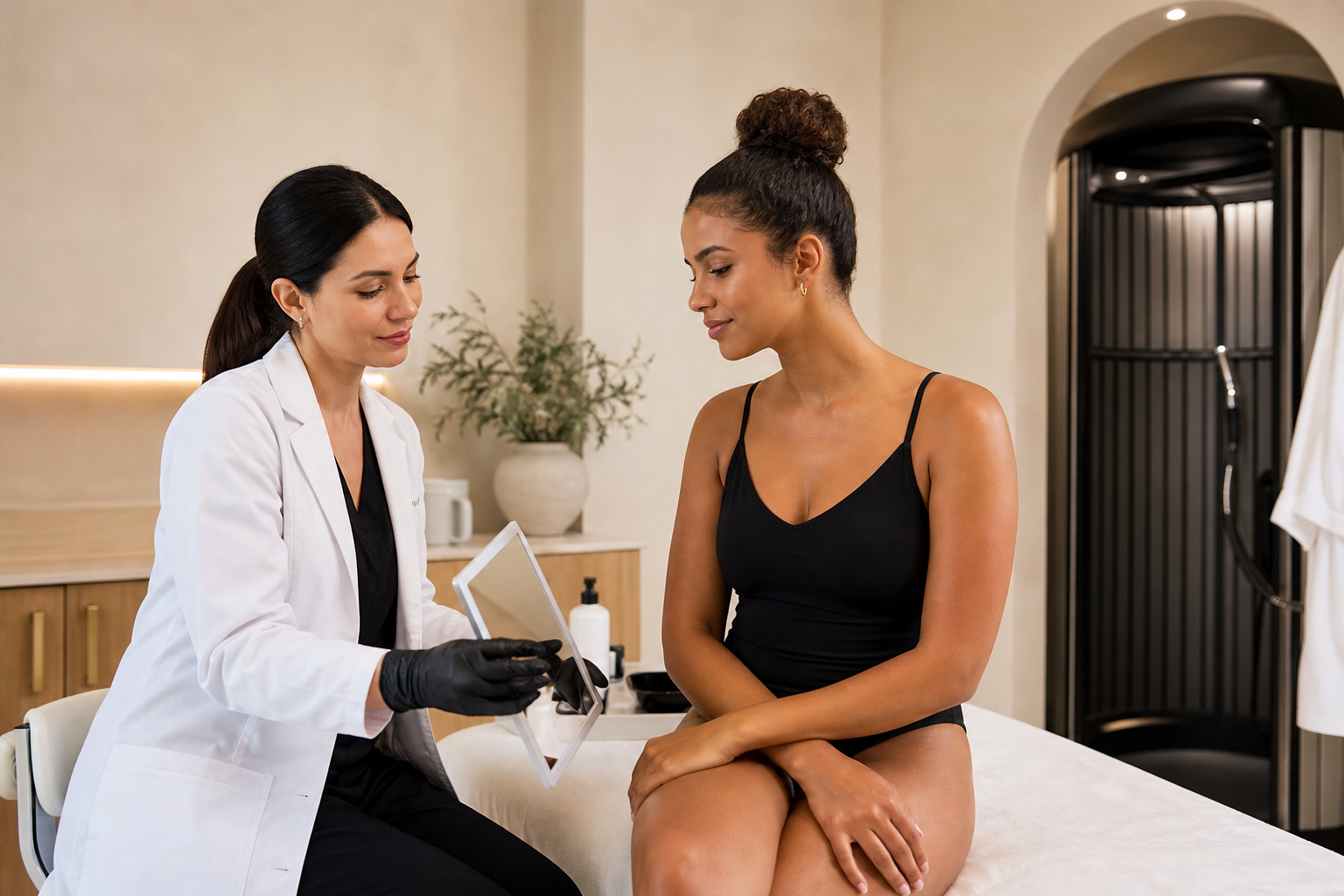
Personal protective equipment plays a significant role as well. Practitioners must use disposable gloves and masks to prevent dermal and inhalation exposure to spray tan compounds. Clients are encouraged to wear protective coverings such as disposable footwear and robes to minimize staining and maintain cleanliness. Furthermore, training in hygiene protocols ensures staff can recognize early signs of adverse reactions and has clear procedures to follow in such instances.
Which Protective Measures are Essential for Clients and Professionals During Spray Tanning?
Ensuring the safety of both clients and practitioners during spray tanning involves multi-layered protective measures. For clients, protective items like disposable shoe covers and gowns not only prevent unwanted staining of clothing but also reduce transfer of any contaminants from personal garments. Protective barriers over the eyes, nose, and mouth are crucial to avoid contact with tanning aerosols that may cause irritation or allergic reactions.
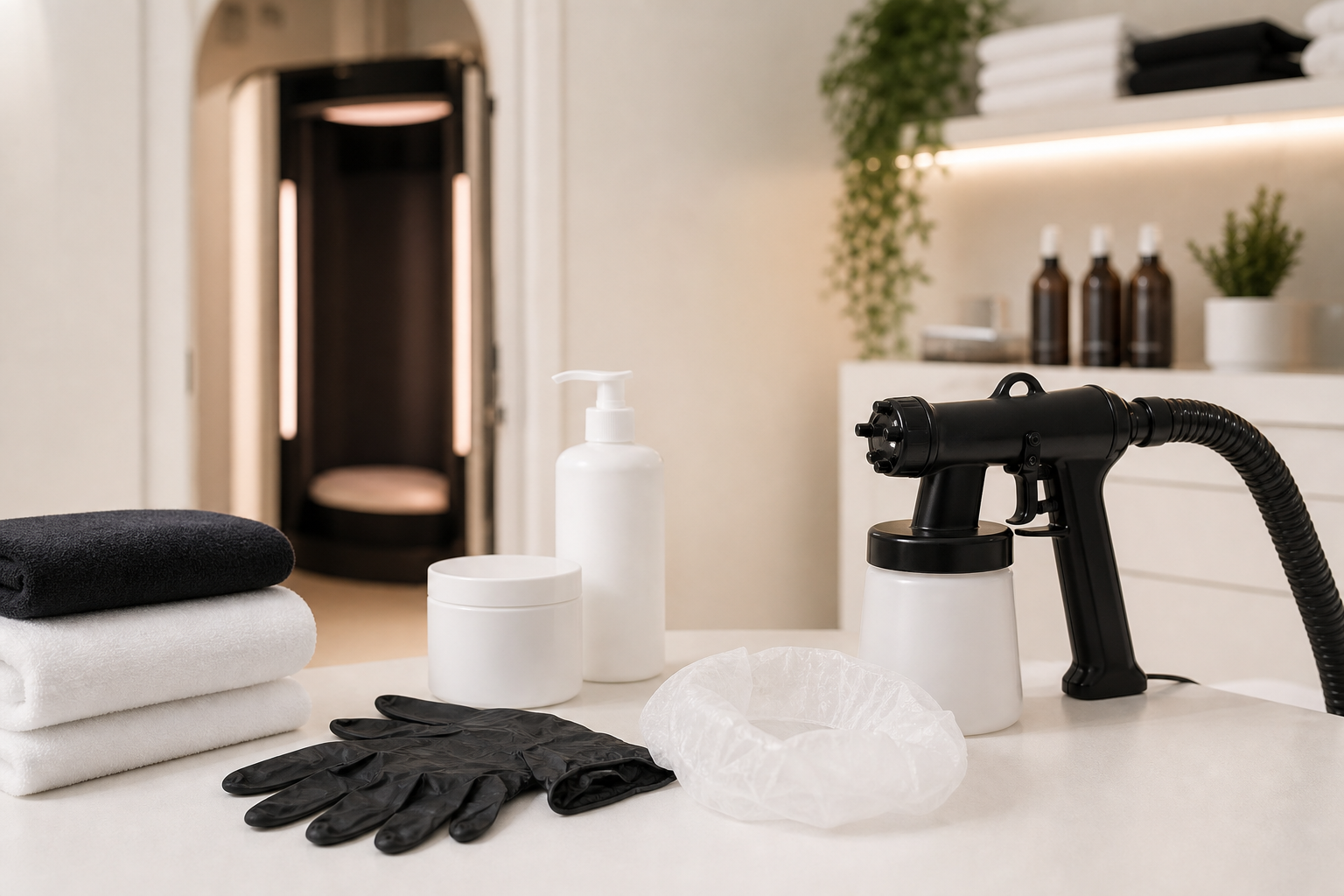
Practitioners must consistently utilize single-use gloves, disposing of them after each treatment to prevent cross-contamination. Respiratory protection, such as surgical masks or respirators, becomes particularly important in enclosed spaces or in cases of prolonged exposure, as inhalation of fine tanning mist can irritate mucous membranes or exacerbate respiratory conditions. Consistent hand hygiene before and after each client interaction is a basic yet pivotal practice.
In addition, adequate surface disinfection protocols require cleaning all high-contact touchpoints and spray tan apparatuses between sessions. Using clean, disposable applicators and ensuring proper maintenance and calibration of spray equipment help maintain hygiene and consistent quality of application.
How Should Spray Tan Workspaces be Organized to Support Hygiene and Safety?
An optimally organized spray tan workspace is fundamental to upholding hygienic practices and ensuring efficient service delivery. The workspace should be well-ventilated with an air extraction system designed specifically to remove tanning aerosols and promote air circulation. This reduces airborne particle accumulation, protecting respiratory health and maintaining air quality.
The booth and surrounding area should be constructed with materials resistant to staining and easy to disinfect. Smooth, non-porous surfaces on walls, floors, and fixtures facilitate swift cleaning and discourage microbial growth. Adequate lighting aids in thorough inspection of equipment and workspace cleanliness.
Storage of tanning products must be in secure, temperature-controlled cabinets with clearly labeled and sealed containers to prevent contamination or degradation. The delineation of clean and dirty zones, with clearly marked pathways to prevent cross contamination, supports hygienic workflow.
Accessibility to hygiene supplies—such as hand sanitizer, disinfectants, gloves, masks, and disposable protective wear—is essential to enable consistent compliance with protocols. Incorporating standardized checklists and cleaning logs encourages accountability and aids in maintaining high hygiene standards.
What Are the Potential Risks of Neglecting Hygiene Protocols in Spray Tan Treatments?
Failure to adhere to hygiene standards during spray tanning can precipitate a spectrum of adverse events affecting both clients and professionals. For clients, immediate risks include skin irritation, redness, and allergic dermatitis arising from contaminated products or improperly cleaned equipment. Exposure to airborne mist without adequate ventilation or protective gear can aggravate respiratory conditions such as asthma or chronic bronchitis.
More seriously, inadequate disinfection practices risk transmission of bacterial, viral, or fungal infections. Pathogens can be transmitted via shared or reused applicators, contaminated surfaces, or poor storage of tanning solutions. This not only compromises the health of clients but may expose the salon to legal liabilities and reputational damage.
From the professional perspective, chronic exposure to sprayed substances without proper respiratory protection can cause mucous membrane irritation, sensitization, or occupational asthma. Failure to maintain hygiene can also undermine trustworthiness and client retention, impairing business viability.
How to Select Professional Spray Tan Solutions Considering Hygiene and Safety?
Choosing the appropriate spray tan solutions is a critical factor in both the safety and effectiveness of treatments. Professionals should prioritize products that have undergone rigorous dermatological testing and hold certifications attesting to their hypoallergenic properties and absence of harmful ingredients.
Transparency regarding ingredients is paramount; solutions free from parabens, phthalates, and other potential irritants reduce the risk of adverse reactions. Reputable suppliers typically provide detailed safety data sheets and clear instructions for use and storage, which aids in maintaining product integrity.
Adherence to manufacturer guidelines for storage—typically in a cool, dry place and within specified expiration dates—prevents microbial contamination and chemical degradation. It is advisable to avoid decanting products into unlabeled or non-sterile containers to limit contamination risks.
It is worth noting that no single brand or formula is universally superior; selection should be guided by client skin type, sensitivity, and salon hygiene capabilities, rather than price or marketing claims.
Why Is Professional Training Crucial for Upholding Hygiene in Spray Tan Services?
Proper education and ongoing training constitute the backbone of effective hygiene implementation in spray tan treatments. Comprehensive training programs equip practitioners with knowledge about skin anatomy, product properties, potential allergens, and hygiene best practices.
Such instruction includes detailed procedures on sanitizing the environment and equipment, correct use of PPE, recognizing and managing adverse client reactions, and safe disposal of waste materials. Additionally, training fosters awareness of the limitations of spray tanning, including the fact that it does not confer sun protection and the importance of communicating this openly with clients.
Regular refresher courses and adherence to up-to-date industry guidelines ensure that professionals remain compliant with emerging safety standards and technological advancements, thereby sustaining client trust and treatment efficacy.