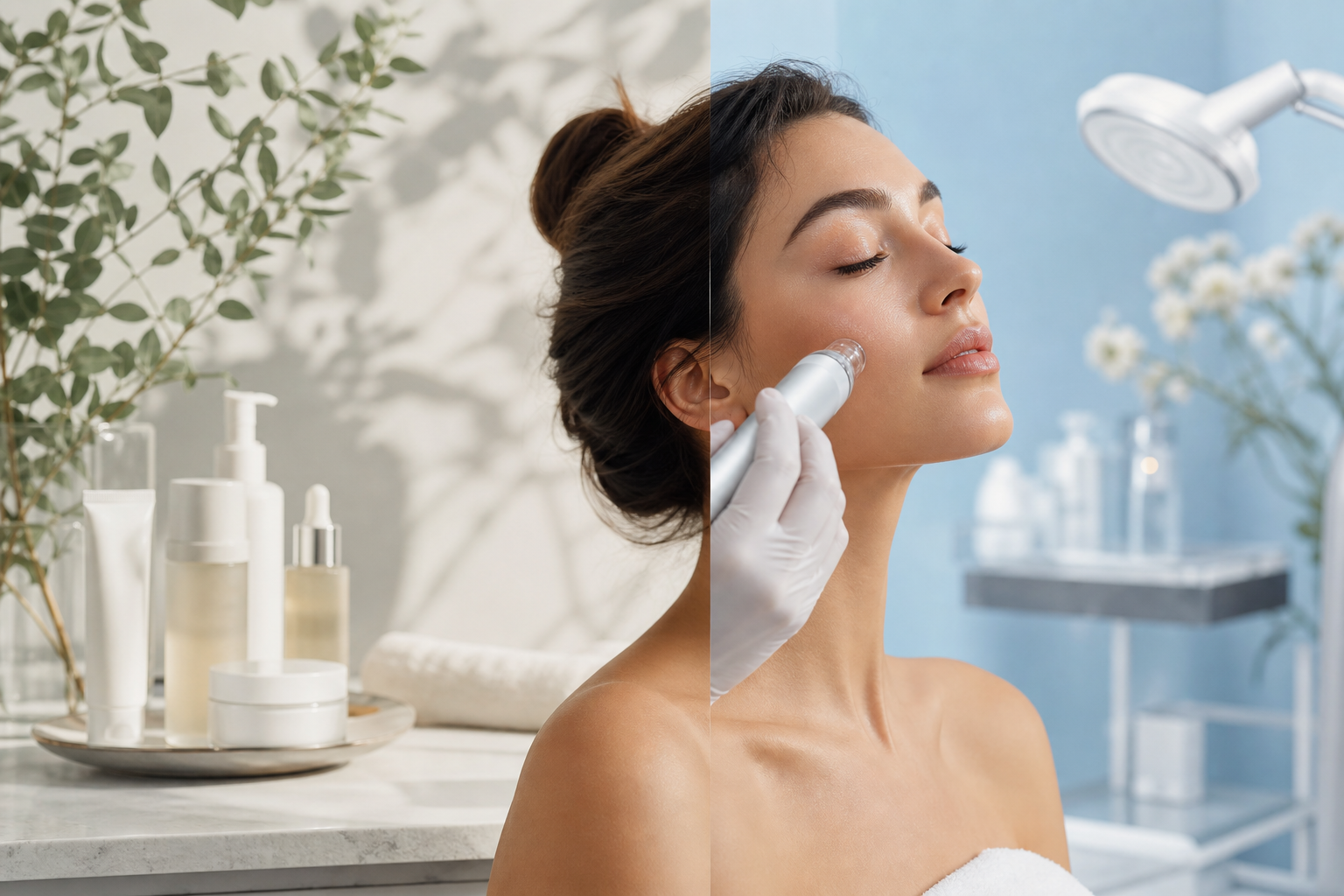
Skin booster treatments have carved out a distinctive niche in the landscape of modern dermatology and aesthetic medicine due to their unique capacity to enhance skin quality with minimal invasiveness. Unlike traditional dermal fillers or resurfacing techniques that primarily focus on altering facial contours or aggressively stimulating skin turnover, skin boosters occupy a subtle yet vital middle ground. These treatments deliver profound hydration deep within the skin layers while simultaneously encouraging the natural regenerative processes, resulting in improved elasticity, texture, and radiance without distorting facial features.
Whether you are someone seeking a gentle method to combat dry, lackluster skin, an individual noticing the first signs of aging such as fine lines and diminished skin tone, or a professional in the aesthetic field aiming to expand your treatment options, understanding the multifaceted roles and effects of skin boosters is essential. It is not uncommon for potential patients to ask: Are skin booster treatments primarily about hydration, or do they actually rejuvenate the skin down to its cellular framework? This editorial seeks to demystify these questions by delving into the core mechanisms, indications, procedural nuances, and aftercare recommendations involved in skin booster therapies.
Grasping the subtle yet powerful balance skin boosters strike between deep hydration and genuine rejuvenation allows individuals and practitioners alike to set realistic expectations and integrate these treatments intelligently within comprehensive skincare regimens. The perspectives herein emphasize a medically responsible approach, clarifying where skin boosters stand in the arsenal of skin enhancement techniques and highlighting their unique benefits and limitations.
What Exactly Are Skin Booster Treatments and How Do They Work?
At their core, skin booster treatments consist of microinjections delivering hydrating substances—most commonly formulations based on hyaluronic acid—into the superficial to mid-dermal layers of the skin. Hyaluronic acid is a naturally occurring polysaccharide renowned for its extraordinary affinity for water molecules; it can bind hundreds of times its weight in moisture, thereby playing an indispensable role in maintaining skin hydration, volume, and resilience.
Unlike conventional dermal fillers that utilize denser gels to sculpt and add volume to facial features, skin boosters employ lighter formulations in smaller quantities. These are purposefully designed to nurture the skin’s microenvironment by saturating dermal matrices with moisture while activating resident fibroblasts. Fibroblasts are the cells responsible for synthesizing collagen and elastin—proteins that bestow tensile strength and flexibility upon the skin.
The cumulative effect of skin boosters is multi-layered: deep rehydration of the skin, stimulation of collagen and elastin production promoting firmer skin, and improvement of skin surface quality for a more even tone and smoother texture. By administering multiple microinjections evenly across targeted regions such as the cheeks, perioral area, or neck, practitioners can achieve a subtle revitalization that enhances radiance and softness without changing the natural contours of the face.
Who Benefits Most from Skin Booster Treatments?
Identifying the ideal candidates for skin boosters is fundamental to achieving meaningful outcomes. These treatments are particularly suited to individuals experiencing skin dryness or dehydration, which may occur regardless of chronological age due to environmental stressors, lifestyle factors, or intrinsic skin characteristics. Moreover, people in their thirties and beyond who observe early signs of aging—such as fine lines, decreased elasticity, and a dull complexion—often find skin boosters effective in addressing these concerns holistically.
Skin boosters do not target deep wrinkles or pronounced volume loss and are not recommended as standalone treatments in cases of significant skin laxity or advanced photoaging. Instead, they serve as invaluable interventions for those who desire improvement in skin texture and vitality without resorting to more invasive procedures. They also appeal to younger patients seeking preventive skin care or enhanced luminosity and to individuals with skin that has suffered from external damage, including dehydration or the aftermath of chemical peels and laser treatments.
Professional guidance from a qualified dermatologist or aesthetic specialist remains crucial to determine if skin booster treatments align with an individual’s skin condition and aesthetic goals. Such evaluation ensures the therapeutic approach is tailored and synergistic with other care modalities.
Understanding the Hydration Versus Rejuvenation Dichotomy in Skin Boosters
One common misconception is to view skin boosters solely through the lens of hydration or rejuvenation, as if they cater exclusively to one aspect. In reality, the interplay between these effects defines the unique appeal of skin booster treatments. Hydration in dermatological terms means replenishing and maintaining adequate moisture levels within the skin’s layers, an action vital for sustaining barrier function, cellular activity, and suppleness.
Rejuvenation, meanwhile, implies a broader spectrum of improvements including enhanced collagen synthesis, improved skin elasticity, reduction in the visibility of fine wrinkles, and normalization of skin tone and texture. Skin boosters bridge these two concepts by not only delivering moisture-binding compounds directly into the skin but also by stimulating fibroblast activity. This dual mechanism translates to durable improvements beyond mere surface hydration, contributing to the skin’s long-term resilience and youthful appearance.
Therefore, skin boosters defy the simplistic categorization of pure moisturization and can be regarded as minimal yet impactful rejuvenation therapies that subtly restore the skin’s foundational health and vibrancy.
What to Expect During the Skin Booster Procedure and in the Recovery Phase
The administration of skin boosters typically occurs in a clinical setting and requires around 30 to 60 minutes. The procedure begins with comprehensive skin cleansing, followed by the optional application of a topical anesthetic to minimize discomfort. Using fine needles or microcatheters, the practitioner delivers a series of microinjections across the selected treatment area, which may include the face, neck, décolletage, or hands.
Mild sensations akin to pinpricks are common during injections but are generally well tolerated due to the use of numbing agents and expert technique. Post-treatment, patients may experience transient erythema (redness), localized swelling, or tiny bruises at injection sites—effects that typically resolve within a day or two without intervention. Such reactions are indicators of the skin’s response to microtrauma and are integral to the therapeutic stimulation of regeneration.
Results evolve gradually, with initial improvements in hydration visible within days and more pronounced effects like increased firmness and radiance becoming evident after two to four weeks as collagen remodeling progresses. The durability of these results spans several months but maintenance sessions are advised to sustain skin vitality over time.
Potential Risks and Limitations of Skin Booster Treatments
While generally regarded as safe, skin booster treatments carry inherent risks similar to other injectable procedures. Temporary side effects such as minor swelling, redness, bruising, and discomfort at injection points are the most frequent. Allergic reactions, although rare, remain a possibility depending on the product and patient sensitivity. Strict adherence to aseptic technique and use of medically approved compounds reduce infection risks substantially.
Limitations arise from the modest volumizing effect of skin boosters, rendering them unsuitable for correcting deep wrinkles, pronounced sagging, or substantial volume depletion. Patients with certain medical conditions—such as autoimmune diseases, active skin infections, or known hypersensitivity to product components—should refrain from these treatments or seek thorough medical consultation before proceeding.
How Skin Boosters Complement Home Skincare: Best Practices Post-Treatment
Professional skin booster treatments serve to enhance and amplify the benefits of consistent home skincare rather than replace it. Following a treatment session, optimal skin care involves the use of gentle cleansers, effective moisturizers containing hyaluronic acid, antioxidants, and barrier-supporting agents like ceramides. Such skincare practices preserve treatment gains by supporting the skin’s hydration balance and protecting against environmental insults.
Patients are advised to avoid harsh exfoliation, chemical peels, and excessive sun exposure in the immediate post-procedure period. Regular application of broad-spectrum sunscreen is paramount to safeguard rejuvenated skin layers. Compliance with tailored recommendations from dermatologists or aesthetic practitioners is essential to achieve favorable long-term results.
When Is the Ideal Time to Begin Skin Booster Treatments?
The timing to initiate skin booster treatments is highly individualized but generally favors early intervention for maximal preventive benefits. Many professionals suggest integrating these treatments into skincare routines from the late twenties or early thirties onward to maintain hydration and delay the onset of aging signs.
Individuals exposed to aggressive environmental factors such as pollution, UV radiation, or who have lifestyle habits detrimental to the skin—like smoking—may consider earlier or more frequent treatments. For those already exhibiting early aging changes, skin boosters can serve as a foundational component in a layered approach to skin health, often combined with other aesthetic therapies where appropriate.
How Do Skin Boosters Compare with Other Professional Hydration and Rejuvenation Methods?
Within the spectrum of professional skin hydration and renewal techniques, skin boosters occupy a distinctive position owing to their combination of injection-based delivery and bio-stimulatory effects. Alternative treatments such as hydrodermabrasion, Aqua Peel, oxygen therapy, and ultrasound sonophoresis typically operate at the skin surface or epidermal levels, emphasizing exfoliation, cleansing, and topical ingredient infusion.
Hydrodermabrasion and Aqua Peel treatments provide gentle resurfacing and immediate hydration effects, improving skin clarity and smoothness. Oxygen treatment enhances cellular metabolism and imparts luster, while ultrasound sonophoresis facilitates deeper penetration of active agents non-invasively. When strategically integrated with skin booster sessions, these surface and sub-surface modalities can synergize, optimizing the overall rejuvenation and hydration outcomes.
Ultimately, the choice between these options depends on individual skin needs, tolerance for invasiveness, desired outcomes, and professional evaluation to tailor a comprehensive skin enhancement plan.