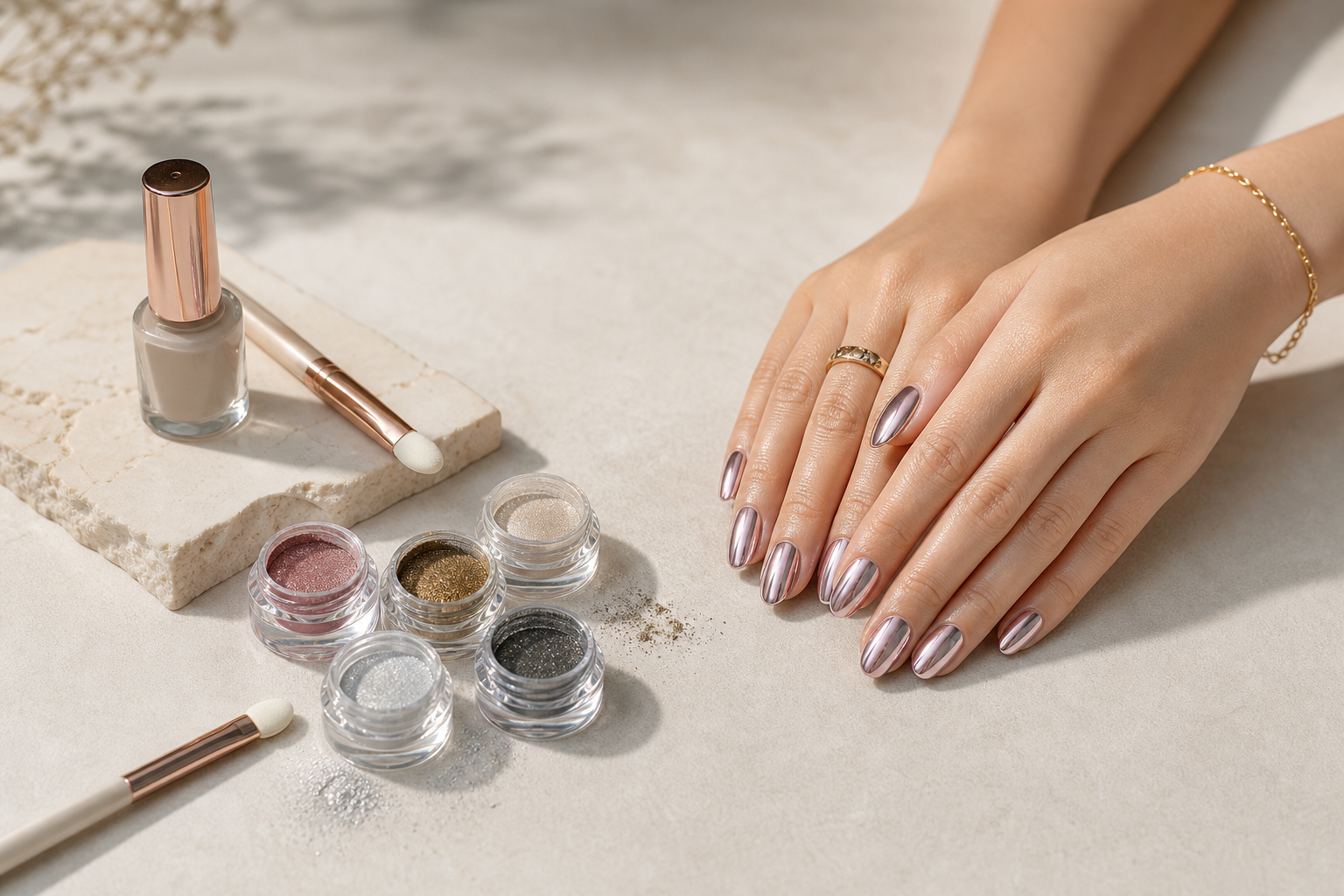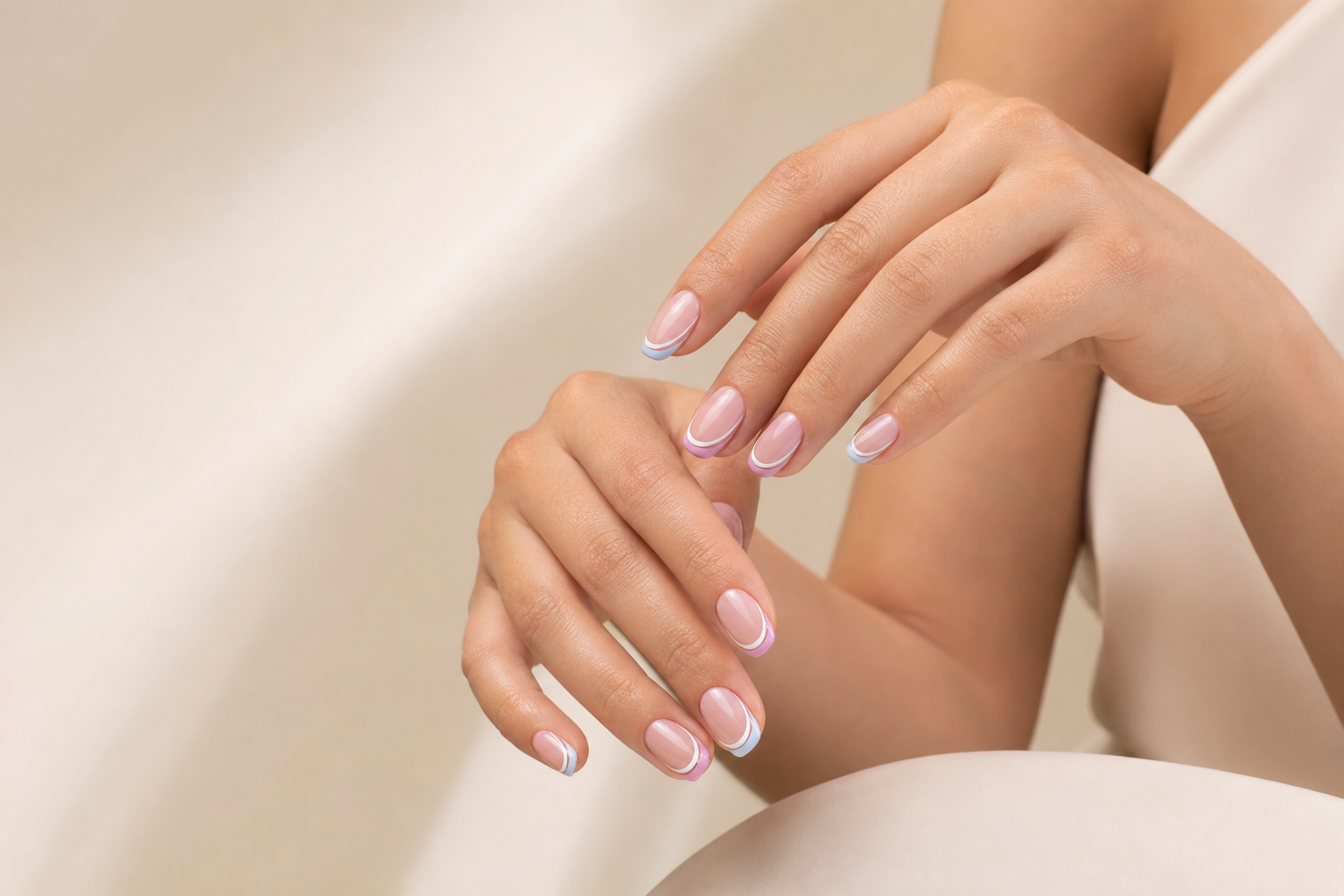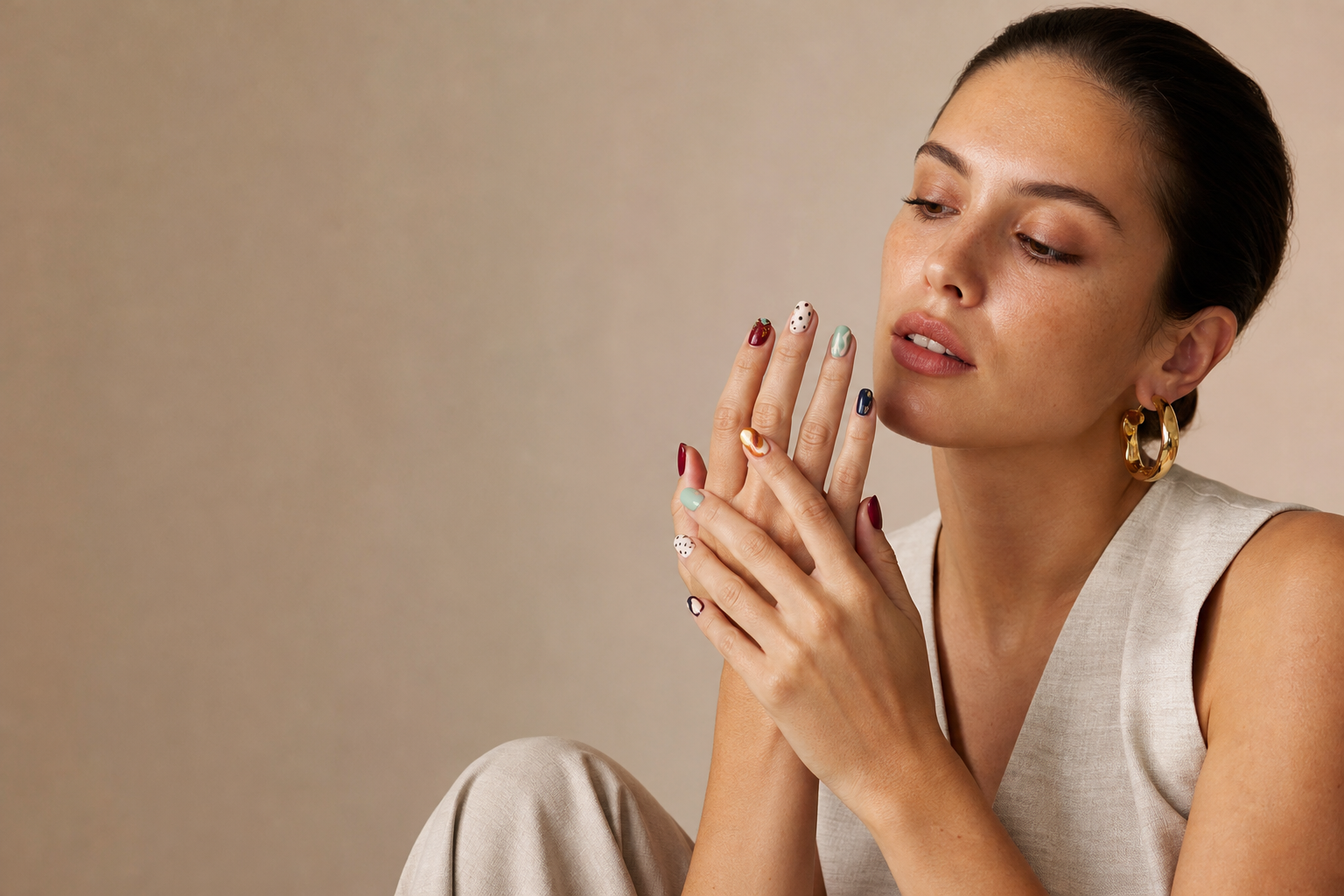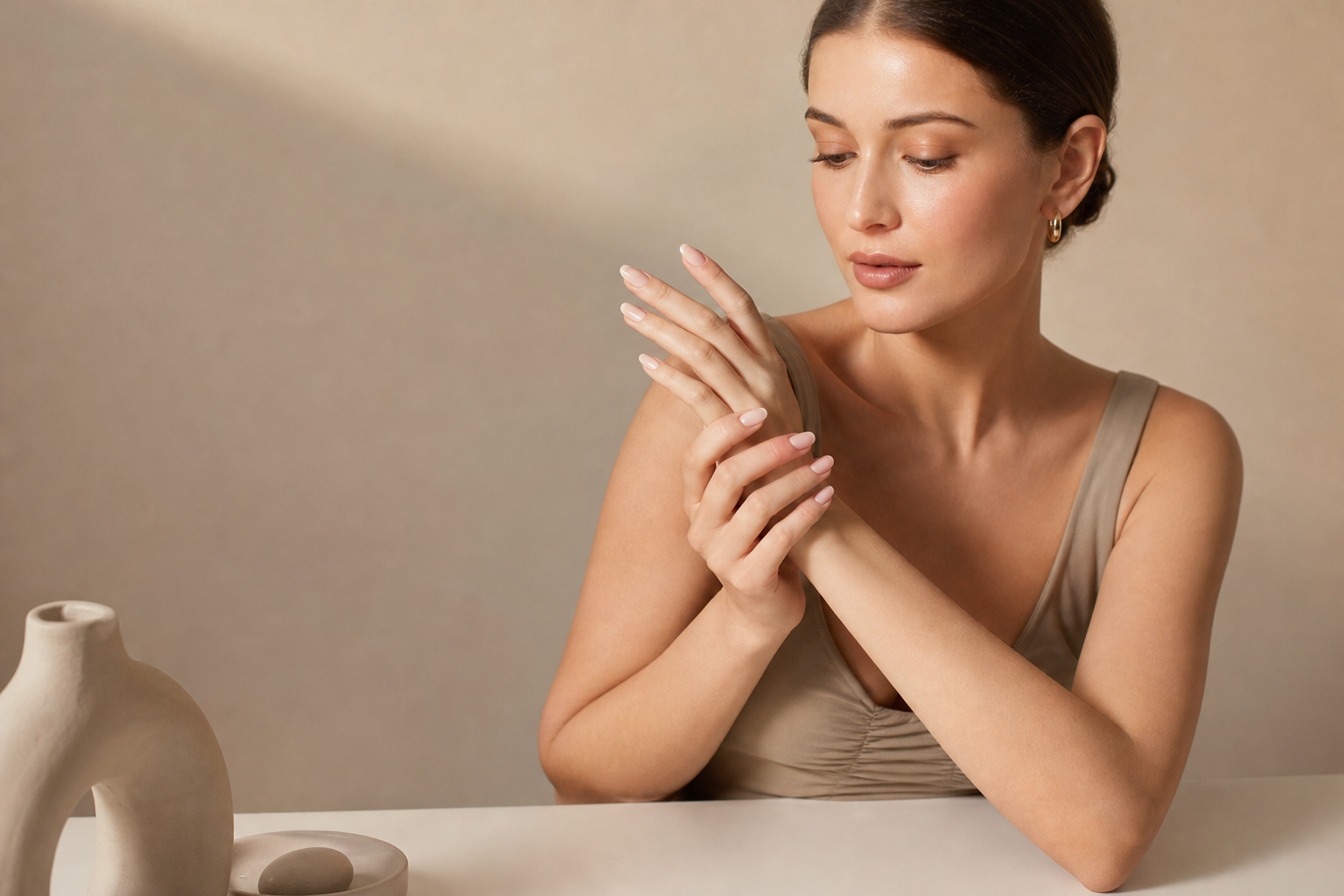
Structured gel manicure has emerged as a transformative technique in the realm of nail enhancement, merging the protective strength of advanced gel formulations with precise, personalized shaping of natural nails. This innovative approach is designed for individuals who value both the aesthetic appeal and the structural integrity of their nails, particularly those struggling with fragile, brittle nail plates or those seeking a durable yet natural-looking manicure. Recognized as a pivotal advancement within modern manicure systems, structured gel not only reinforces but also contours the natural nail, providing a balanced fusion of resilience and elegance.
Unlike traditional gel polish that offers a sheer decorative layer or builder gels typically used for substantial artificial extensions, structured gel occupies a specialized niche. It fortifies the existing nail surface, significantly enhancing durability against everyday mechanical stress, while allowing meticulous sculpting aligned with the client’s natural nail shape and preferences. This dual focus on strength and form optimizes both the health and appearance of natural nails, rendering structured gel manicure a practical choice for maintaining nail wellness without sacrificing cosmetic sophistication.
Understanding the mechanics, benefits, and care intricacies of structured gel manicure is indispensable for professionals aiming to provide safe and effective treatments as well as for clients pursuing informed decisions about their nail care regimen. This comprehensive exploration delves into the principles underlying structured gel technology, outlines realistic outcome expectations, and highlights essential considerations for ensuring the enhancement complements natural nail health sustainably.
The Science and Composition Behind Structured Gel Materials
The core element distinguishing structured gel manicures lies in the unique formulation of the gel medium. These gels possess a higher viscosity and enhanced cross-linking polymer structure compared to standard gel polishes, yielding a firm, yet flexible film upon curing. This molecular architecture facilitates strong adhesion to the nail keratin, distributing mechanical forces more evenly, which significantly reduces the likelihood of cracks, chips, and breaks.
Structurally, the gel is engineered to mimic the flexibility of the natural nail plate, allowing for dynamic movement during daily activities without compromising integrity. Its advanced photo-polymerizable components cure swiftly under LED or UV light, transforming from a malleable resin into a durable overlay. This conversion ensures long-lasting protection while preserving the nail’s biological function by limiting exposure to harsh solvents or prolonged abrasive preparation.
The gel’s physical properties also enable layered application, where each layer can be carefully manipulated to achieve optimal thickness and contour. This stratified approach allows technicians to custom-build strength in targeted zones, such as the free edge or nail apex, where stress concentrations are highest, contributing to enhanced overall resistance.
Precision in Nail Shaping and Strengthening Through Layered Application Techniques
One of structured gel manicure’s defining advantages is its capacity for precise shaping alongside reinforcement. Application begins with meticulous nail preparation—gentle cleansing, light surface texturing to enhance adhesion without invasive buffing, and thorough disinfection to mitigate infection risks. This conservative prep safeguards the delicate nail plate from excessive thinning, a common cause of future fragility.
The structured gel is then applied in sequential, thin layers, each carefully cured before the next. The initial base layer secures uniform adhesion to the natural nail, forming the foundational bond. Subsequent layers are sculpted to build the nail’s form, accommodating preferred shapes such as soft squares, ovals, or more avant-garde stiletto styles. This layering empowers technicians to tailor not only the length but also the curvature and thickness, harmonizing with each individual's hand anatomy and lifestyle demands.
This methodical shaping is not merely aesthetic; it functions biomechanically to support weak natural nails and prevent common structural failures. By crafting a gently contoured apex, for example, the gel distributes forces during bending or impact, analogous to architectural reinforcement in construction. The end result is a natural-looking set of nails exhibiting enhanced durability while maintaining tactile sensitivity and comfort.
Comparative Advantages Over Conventional Enhancement Systems
Structured gel manicures present a compelling alternative to both traditional gel extensions and acrylic applications. Firstly, the gentler application process—eschewing aggressive nail surface filing or prolonged primer exposure—substantially reduces trauma to the natural nail bed. This is particularly beneficial for clients with pre-existing nail damage or sensitivity.
In terms of longevity, structured gel outperforms many standard gel polishes by providing a thicker, more resilient barrier without the bulk or rigidity often associated with builder gels or acrylics. This balance of strength and flexibility translates into fewer breakages, minimized lift-offs, and extended intervals between maintenance sessions, thereby reducing cumulative chemical and mechanical stresses over time.
Aesthetic versatility is another hallmark. Once the structured gel base is set, various conventional polish types, including standard gel polishes, can be layered atop to achieve an extensive array of finishes ranging from glossy sheens to intricate artistic designs. This modular compatibility allows salons to meet diverse client preferences without compromising the underlying nail health improvements delivered by the structured gel layer.
Essential Protocols and Consultation Criteria to Ensure Safety and Suitability
Despite its generally safe profile, structured gel manicure requires strict adherence to hygiene and application protocols to prevent adverse outcomes. Product sterilization, use of fresh and certified materials, and avoidance of cross-contamination are imperative to prevent fungal or bacterial infections. Furthermore, ensuring complete polymerization under the appropriate lamp settings is critical to eliminate uncured resin residues that may cause irritation or allergic reactions.
Pre-treatment consultation plays a pivotal role in determining client suitability. Individuals presenting signs of nail dystrophy, onychomycosis, or dermatologic conditions affecting the periungual skin should seek medical evaluation prior to enhancement. Allergies to acrylates or other gel ingredients necessitate patch testing or alternative approaches. Additionally, thorough discussion about realistic durability, maintenance needs, and protective care can align expectations and foster adherence to aftercare guidelines, promoting optimal outcomes.
Realistic Durability and Client Expectations in Everyday Application
The durability of a structured gel manicure typically ranges from four to six weeks, dependent on variables such as individual nail growth rate, occupational exposures, and adherence to care routines. Unlike purely cosmetic gel polish, the structural reinforcement affords prolonged resistance to chipping and mechanical damage but is not impervious to impact or chemical degradation.
Clients must understand that while structured gel substantially fortifies nails, it is not a permanent shield. Routine maintenance appointments enable timely touch-ups, fill-ins, or full reapplications aligned with natural nail growth cycles. Overextending wear beyond recommended periods can jeopardize both appearance and health, as the natural nail underneath continues to grow and may develop vulnerabilities.
Patience and informed care complement the benefits of the procedure, with emphasis placed on avoiding excessive exposure to harsh detergents, consistent hydration of cuticles, and protective gloves during manual labor. These practices collectively extend the functional and aesthetic life of the manicure.
Post-Application Care and Preparation for Sustained Nail Integrity
Post-application protocols are as vital as the procedure itself. Immediately following curing, nails should be protected from water immersion for several hours to allow complete curing and adhesion stabilization. Clients are advised to regularly apply nourishing cuticle oils and barrier creams to maintain hydration and flexibility in the nail environment.
Regular professional maintenance enables early identification of potential issues such as gel lifting, edge chipping, or natural nail changes that may necessitate intervention. Seasonal adjustments to care products can also optimize results, for example, intensifying moisturizing regimens during colder, drier months.
Daily personal hygiene habits—avoiding aggressive nail picking, using gentle cleansers, and minimizing chemical exposures—further safeguard both the enhancement and the natural nail matrix. When combined, these practices maximize the structured gel manicure's efficacy, safeguarding client investment in nail health and beauty.
Customization According to Natural Nail Condition and Client Lifestyle
Successful structured gel applications are inherently individualized, informed by a detailed assessment of natural nail morphology, thickness, and condition. Nails exhibiting extreme thinness or fragility demand a conservative layering approach prioritizing nourishment and minimal extension to prevent undue stress. Conversely, robust nails present opportunities for creative shaping and longer lengths with enhanced structural definition.
The practitioner must also integrate client lifestyle factors—occupation, hobbies, and tolerance for maintenance—into the treatment plan. An active individual engaging frequently in manual labor might benefit from shorter, sturdier configurations, while clients seeking elaborate aesthetics for special occasions may accommodate more pronounced sculpting balanced with protective considerations.
This bespoke methodology ensures the structured gel manicure not only beautifies but practically serves the wearer’s daily needs while preserving the underlying health of the natural nails.