The world of modern manicure continues to evolve with a dazzling array of techniques that blend artistry and technology, capturing the imagination of nail enthusiasts everywhere. Among these innovations, glazed donut nails have emerged as a compelling trend that marries the delicate allure of pearlescent shine with contemporary stylistic versatility. This effect, reminiscent of a softly glazed pastry, offers a subtle yet captivating sheen that elevates the natural beauty of the nails without overwhelming them.
Glazed donut nails appeal primarily to individuals who desire a manicured look that balances understated elegance with a distinctive twist on light reflection. Unlike the more assertive chrome or holographic finishes, glazed donut nails provide a gentle, pearly luminescence that suits varied occasions—from professional environments to social gatherings—making them an ideal choice for those seeking sophistication with a hint of modern flair.
This editorial explores the essence of glazed donut nails in depth: what defines their unique appearance, the materials and techniques integral to their creation, how they compare to other light-reflective manicures, and what practical considerations must be taken into account to ensure safety and longevity. By delving into these facets, readers can gain an expert understanding of glazed donut nails and their place within the broader context of contemporary manicure trends.
Technical Foundations of the Glazed Donut Nail Effect
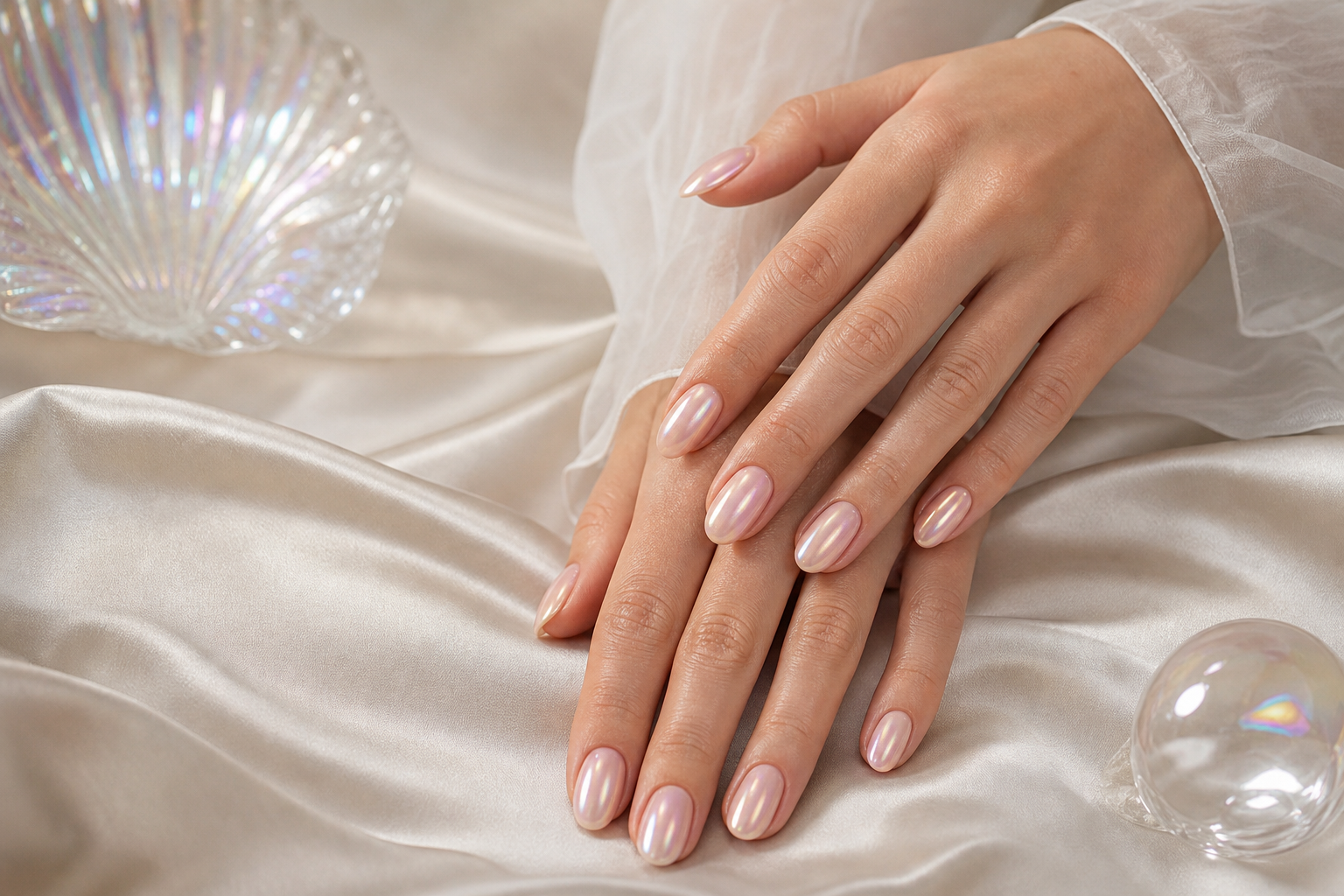
The hallmark of glazed donut nails lies in their characteristic pearlescent shine, which is achieved through the application of specialized gel formulations combined with finely milled pigment powders. These pigments possess opalescent qualities that diffuse and soften incoming light, creating a luminous surface akin to a lightly glazed dessert. This contrasts with traditional chrome finishes, which tend to offer a mirror-like, often stark, reflection.
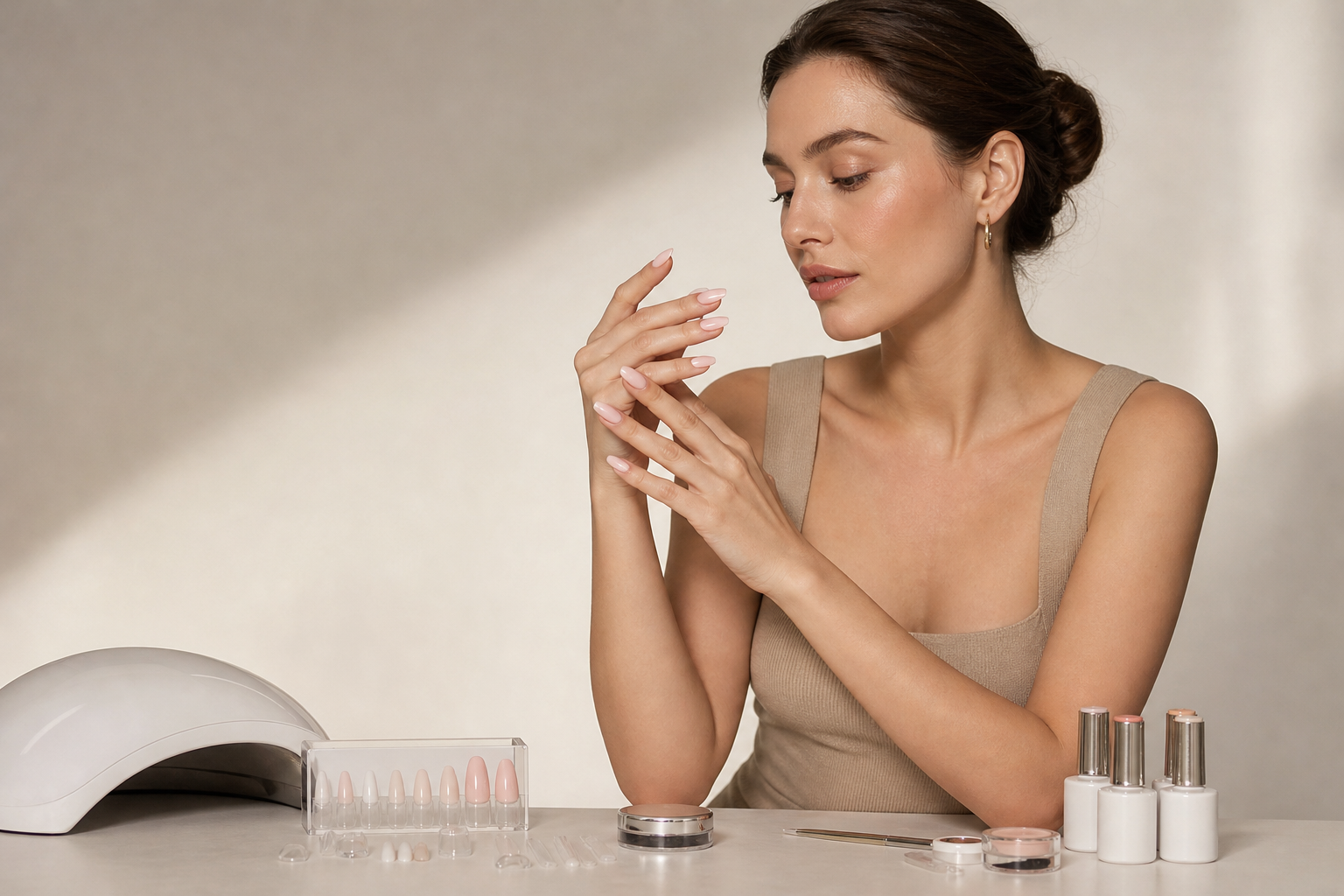
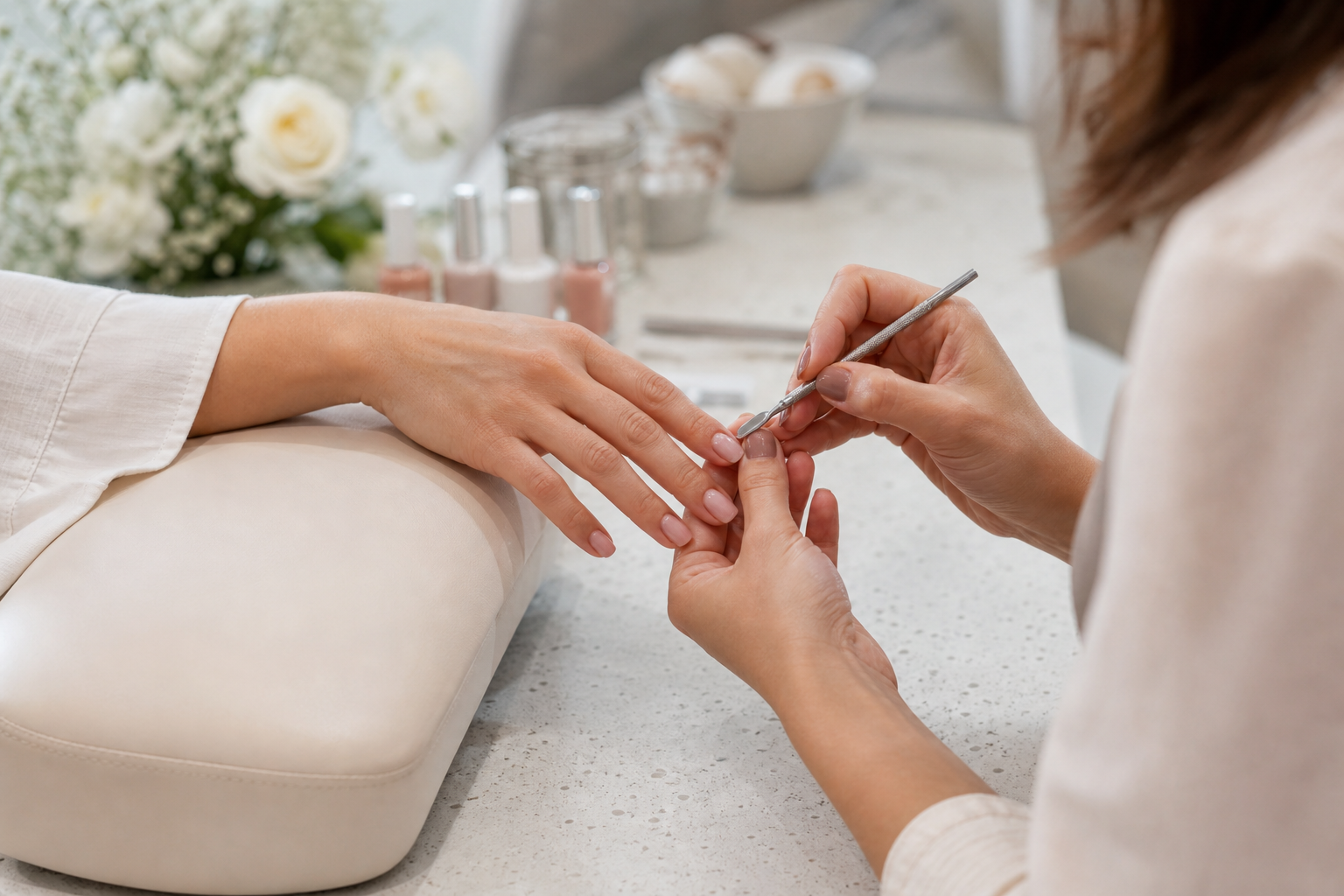
Achieving this effect demands precise layering techniques. Nail technicians begin by preparing a smooth, even base, often consisting of a builder gel or gel polish that enhances adhesion and durability. Following base application, a carefully measured amount of pearlescent powder is delicately dusted onto the slightly tacky shellac or gel layer using dedicated brushes or applicators calibrated for fine dispersion. This ensures an even distribution that avoids clumping or uneven gloss.
Subsequent curing under LED or UV lamps seals the pigment, binding it securely to the nail surface. This step is critical, as inadequate curing can result in oxidation or dulling of the shine over time. The finishing layer—often a non-wipe topcoat—both protects the effect and imparts a silky tactile feel, enhancing the sensory experience of the manicure without compromising the glossy appearance.
This technique is versatile and adaptable for use on both natural nails and extensions; however, adjustments in base products and curing times may be required to accommodate the substrate's characteristics. For natural nails, additional preparatory steps such as cuticle conditioning and strengthening treatments are recommended to protect against damage and ensure optimal product performance.
Esthetic Significance and Innovative Variations of Glazed Donut Nails
Glazed donut nails occupy a distinctive niche within light-reflective manicure styles, characterized by their soft glow and sophisticated aura. The visual analogy to a delicately glazed pastry speaks to their appeal—merging warmth and subtlety rather than stark flashiness. This esthetic resonates strongly with wearers who prioritize elegance with a modern edge.
Beyond the classic pearlescent coating, contemporary nail artists enrich the glazed donut trend through creative adaptations. Melding the effect with complementary techniques such as holo gradients, metallic undertones, or cat-eye magnetic pigments enables unique dimensions of depth and shimmer. These synergistic designs amplify the interplay of light and shadow, delivering nuanced and personalized nail art.
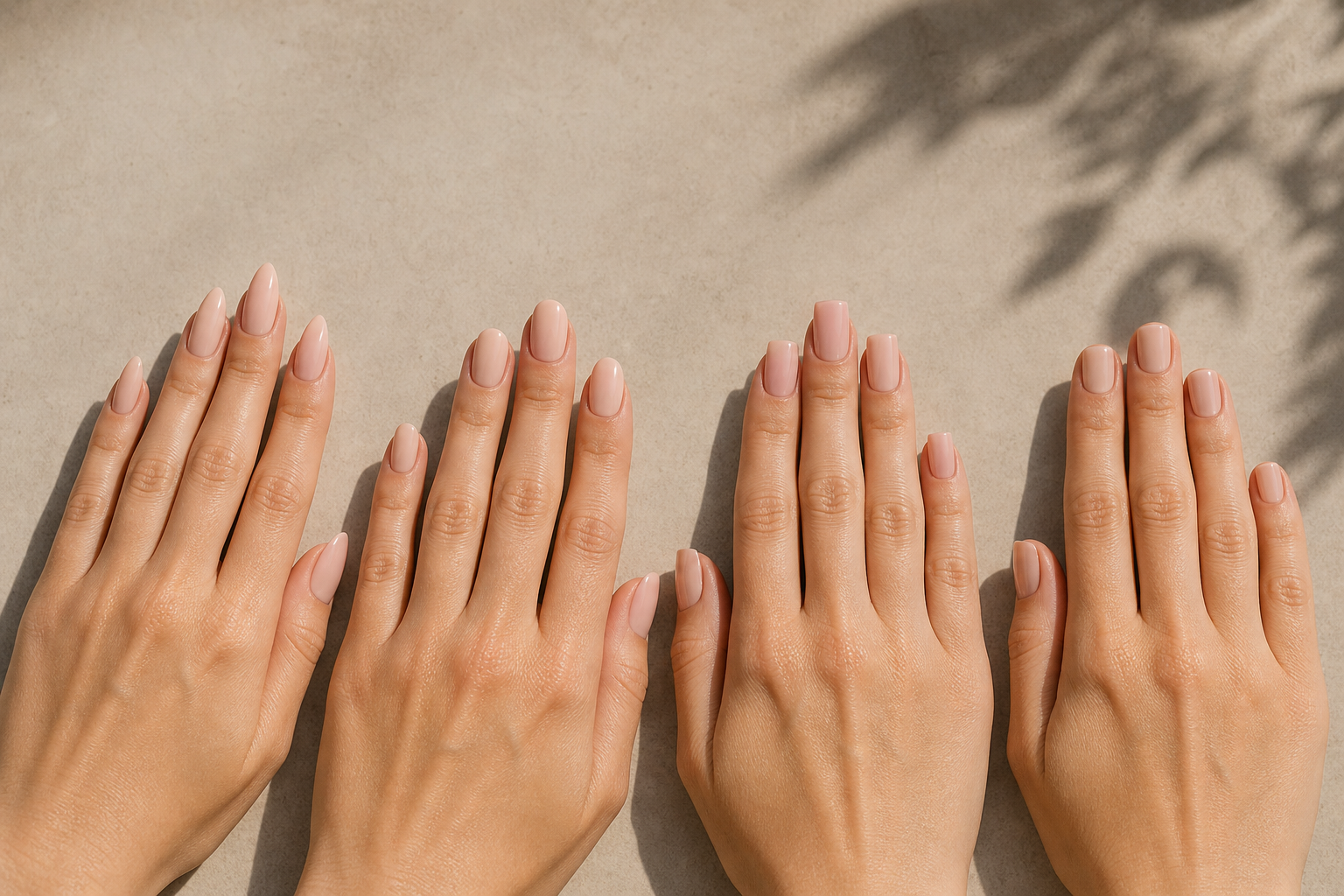
Different nail shapes and lengths further modulate the effect’s visual impact. On square-shaped medium-length nails, the glazed donut finish exudes restrained elegance, suitable for everyday wear. Meanwhile, almond or oval nails with this effect can manifest refined glamour, well-suited to formal settings. The technique’s adaptability fosters diverse expressions, ensuring it meets the aesthetic preferences and lifestyle needs of a broad clientele.
Maintaining the balance between visible shimmer and natural appearance proves critical in creative iterations. Over-intensification risks undermining the hallmark subtlety, creating an effect that may seem artificial or excessive. Hence, skilled application and product selection align closely with the desired tone—whether it be soft and ethereal or more vivid but controlled.
Health and Safety Considerations Related to Glazed Donut Manicures
Safety remains paramount whenever gel and pigment products are introduced into manicure routines. The glazed donut technique, while beautiful, requires conscientious adherence to product quality standards and hygienic protocols within professional salons to safeguard natural nail and skin health.
Use of certified, dermatologically tested gels and powders reduces potential adverse reactions. The curing process, involving LED or UV lamps, although routine, entails minimal photodamage risk if sessions are infrequent and appropriately timed. Excessive exposure or improper use, however, might heighten risks, emphasizing the value of trained technicians who can tailor the process safely.
Individuals with sensitivities, allergies, or nail conditions should consult dermatologists prior to undergoing modern gel-based manicure procedures. Moreover, ongoing monitoring of nail integrity is important; signs of brittleness, thinning, or inflammation warrant professional assessment and possible regimen adjustment to prevent lasting harm.
Realistic expectations about durability contribute to healthy maintenance. Glazed donut nails require periodic upkeep to preserve their pearly finish, as natural wear or minor chips can diminish visual appeal. Prompt repair and avoidance of self-removal reduce trauma and enable the nails to maintain a strong, resilient state for future applications.
Effective Maintenance Strategies for Prolonged Luster and Nail Health
Preserving the signature shine and condition of glazed donut nails beyond the salon visit hinges on a dedicated care routine. Applying nourishing cuticle oils daily supports skin elasticity around the nail plate, mitigating peeling and dryness that could compromise overall appearance.
Household tasks involving water and detergents necessitate protective measures such as gloves to prevent premature degradation of gel layers. Additionally, periodic application of a transparent topcoat as recommended by beauty professionals can rejuvenate the surface gloss and extend manicure lifespan.
When the manicure begins to show signs of wear, timely appointments for touch-ups help maintain the flawless pearlescent veneer. Avoiding mechanical peeling or picking at gel coatings minimizes the risk of nail plate damage or uneven edges, preserving the nail’s structural integrity and enabling continued use of the glazed donut technique.
Proper, professional removal schedules post-manicure optimize natural nail recovery and readiness for subsequent treatments, fostering a cycle of beauty that does not sacrifice nail health.
The Position of Glazed Donut Nails Within the Spectrum of Light and Chrome Nail Effects
Within the expansive universe of light-reflective manicures—which includes chrome, magnetic, and holographic effects—the glazed donut style represents a refined middle ground. It eschews the bold chrome’s futuristic gleam in favor of an organic warmth, aligning closer to softly shimmering natural luminosity enhanced through modern innovation.
This unique placement broadens stylistic possibilities. Customers wishing to express individuality subtly find in glazed donut nails a satisfying alternative that neither fades into traditional matte finishes nor competes with more ostentatious radiant manis. This balances fashion-forward appeal with timeless grace.
Interdisciplinary techniques permit further enrichment of this effect. When combined with delicate metallic pigments or faint holographic accents, the resultant manicure demonstrates complexity and layered visual interest without overwhelming the senses or compromising wearability.
From a technical standpoint, using gentler pearlescent powders avoids harsher abrasions sometimes seen in aggressive chrome processes, reducing wear on nail beds and facilitating healthier manifestation of nail art trends. This positions glazed donut nails not only as a style preference but as a conscientious choice within the evolving salon ecology.