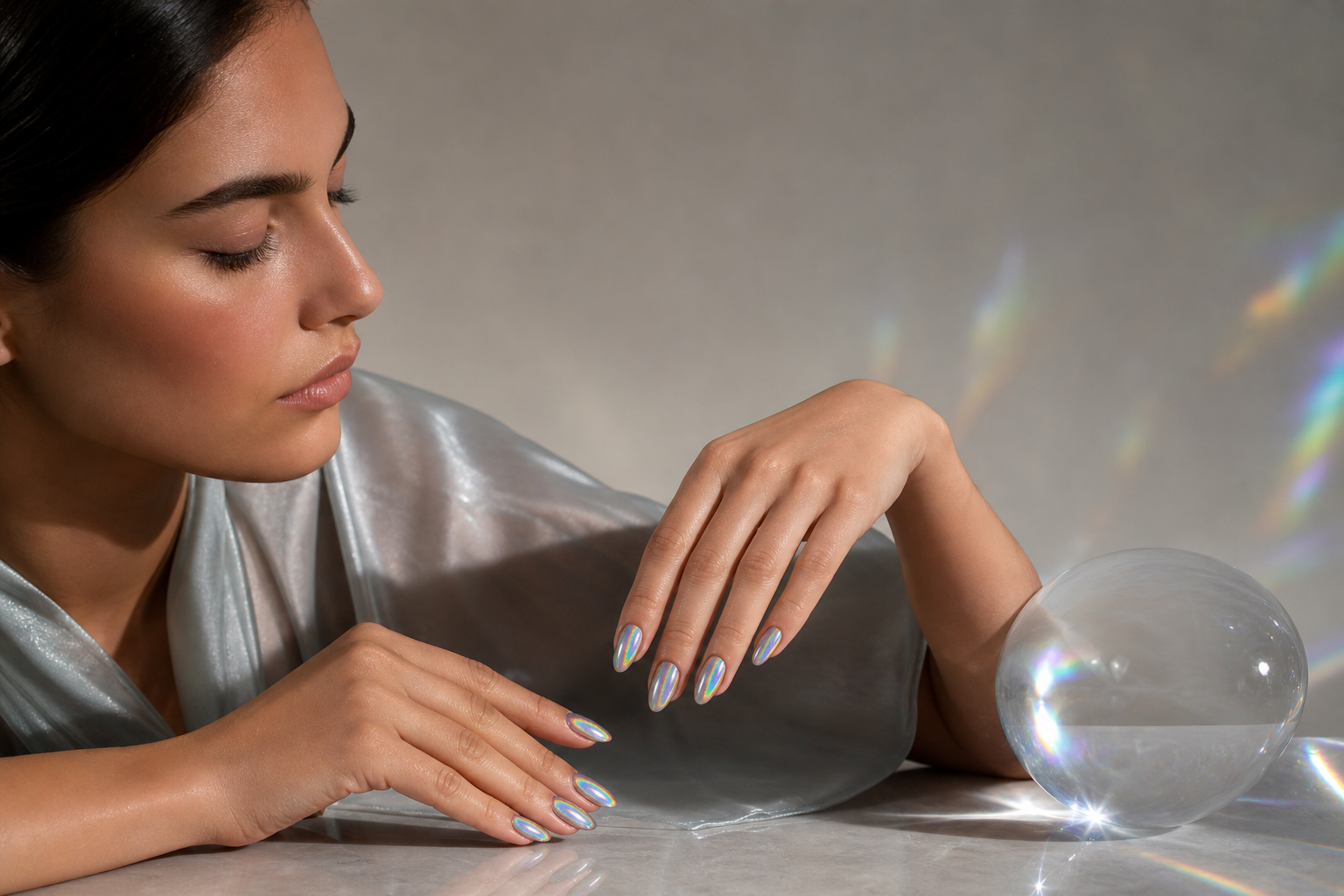
Holographic nails have captured the imagination of nail enthusiasts worldwide, offering a mesmerizing play of light and color that seems almost otherworldly. Unlike traditional nail polishes, these nails reflect a spectrum of rainbow hues, giving an illusion of depth, shimmer, and a dynamic shifting palette that changes with every movement and lighting condition. This captivating effect is particularly appealing for those who wish to inject a touch of futuristic flair or subtle opulence into their manicure. However, mastering the balance between boldness and refinement is paramount to wearing holographic nails with sophisticated subtlety.
This article is intended for individuals eager to explore this modern nail art trend without veering into ostentation, including salon professionals seeking practical guidance for their clients. We delve into the intricate science behind the holographic phenomenon on nails, the appropriate techniques for application, how to achieve understated elegance, safety considerations, and recommendations for incorporating this eye-catching effect into everyday and special occasion styles. Understanding these facets empowers wearers to enjoy this luminous trend thoughtfully and gracefully.
The allure of holographic nails lies not solely in their visual impact but in their ability to complement diverse personal styles while maintaining a degree of sophistication. With the increasing popularity of chrome, magnetic, and other light-reflective manicure innovations, the holographic effect stands out by merging color and light in a way that is both avant-garde and wearable. Navigating this trend with nuance ensures that holographic nails enhance, rather than overwhelm, the wearer’s overall aesthetic.
The Science and Techniques Behind the Holographic Nail Effect
At its core, the holographic nail effect is a sophisticated optical illusion achieved through specialized materials that manipulate light. Holographic nail products incorporate ultra-fine prismatic particles or pigments capable of diffracting visible light into a continuous spectrum, creating the iconic rainbow shimmer that shifts as the viewing angle changes. This diffraction occurs due to microscopic structures within the pigment that behave like tiny prisms, dispersing white light into constituent colors across the nail surface.
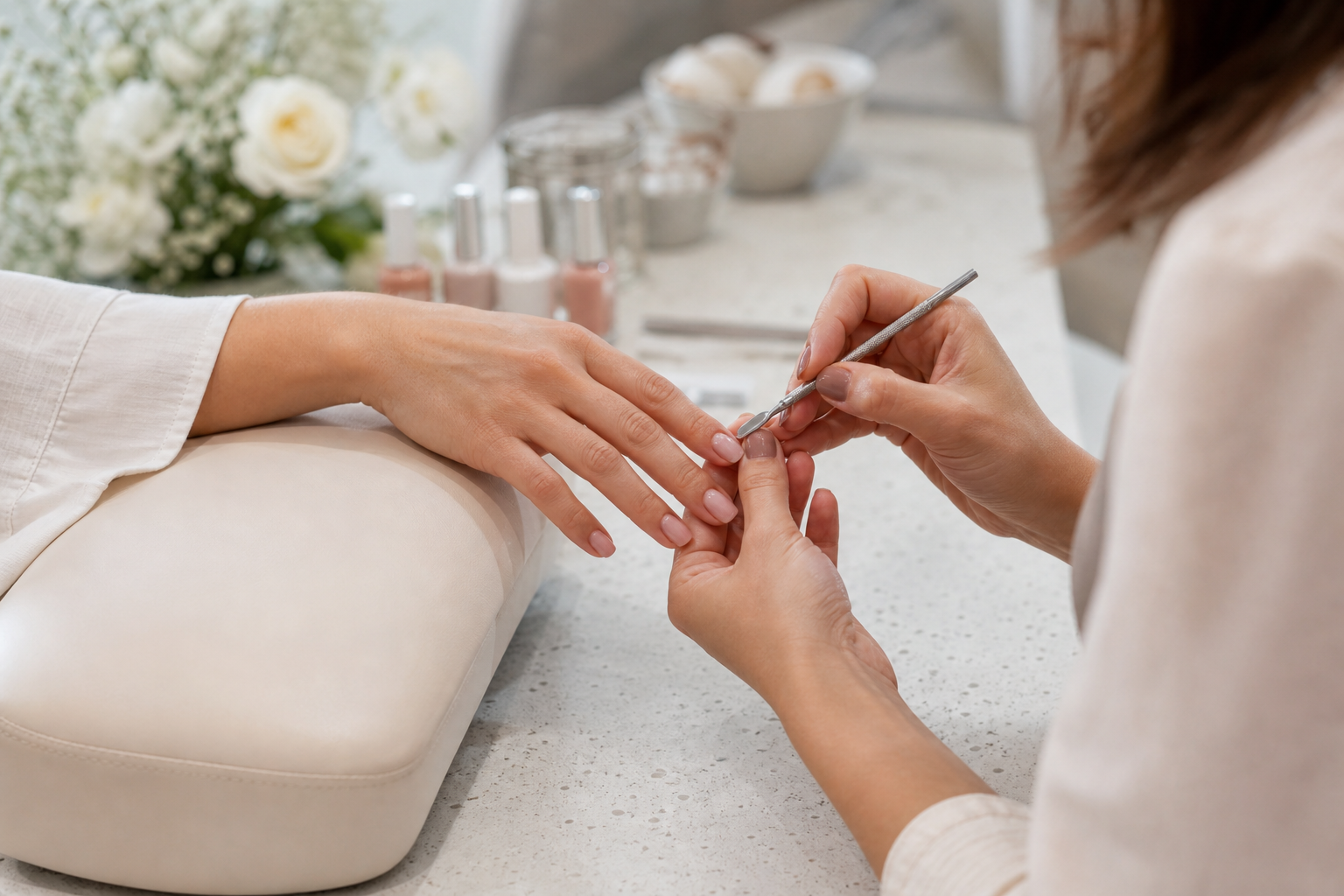
Application begins with meticulous nail preparation to optimize adherence and surface smoothness. Natural nails undergo shaping, buffing to a smooth, matte finish, and thorough cleansing to remove oils or debris. This is essential because the holo pigments require a flawless canvas to showcase their chromatic brilliance effectively. Professional-grade base coats, often clear or lightly tinted, act as bonding layers to fix the holographic powder or polish evenly.
Next comes the application of the holographic agent, which can vary. Some routines utilize a holographic gel polish infused with prismatic microparticles, applied similarly to traditional gel polishes and cured under LED or UV lamps. Alternatively, chrome powders rubbed onto a tacky gel base create a more intense, mirror-like prismatic effect. Some salons employ holographic foils or glitters combined with a clear gel overlay for dimensionality. Each technique demands precision to avoid unevenness, streaking, or diminished sparkle.
Finishing with a high-quality topcoat not only seals the holographic layer but intensifies the depth and gloss while protecting against chipping. Many topcoats designed for holographic nails are formulated to preserve the integrity of the underlying prismatic particles, ensuring longevity and resilience. The choice of equipment, curing times, and layering all influence the eventual aesthetic and durability, underscoring the importance of expertise in execution.
Achieving an Understated Holographic Manicure Suitable for Everyday Wear
Embracing the holographic trend does not mean sacrificing subtlety or professionalism. The key lies in moderation and thoughtful design choices that highlight the effect without allowing it to dominate the overall look. One popular strategy is the accent nail approach, where the holographic treatment is restricted to one or two nails per hand, often the ring or index finger. This selective application creates focal points of interest while preserving an overall refined presentation.
Another technique to temper intensity involves integrating holographic elements as refined accents, such as applying the effect only on the nail tips in a delicate gradient or highlighting minimalistic geometric shapes against a neutral or matte base. These partial applications maintain visual sophistication and can be tailored to suit different nail lengths and shapes, which is especially beneficial for those with shorter nails preferring a less conspicuous shimmer.
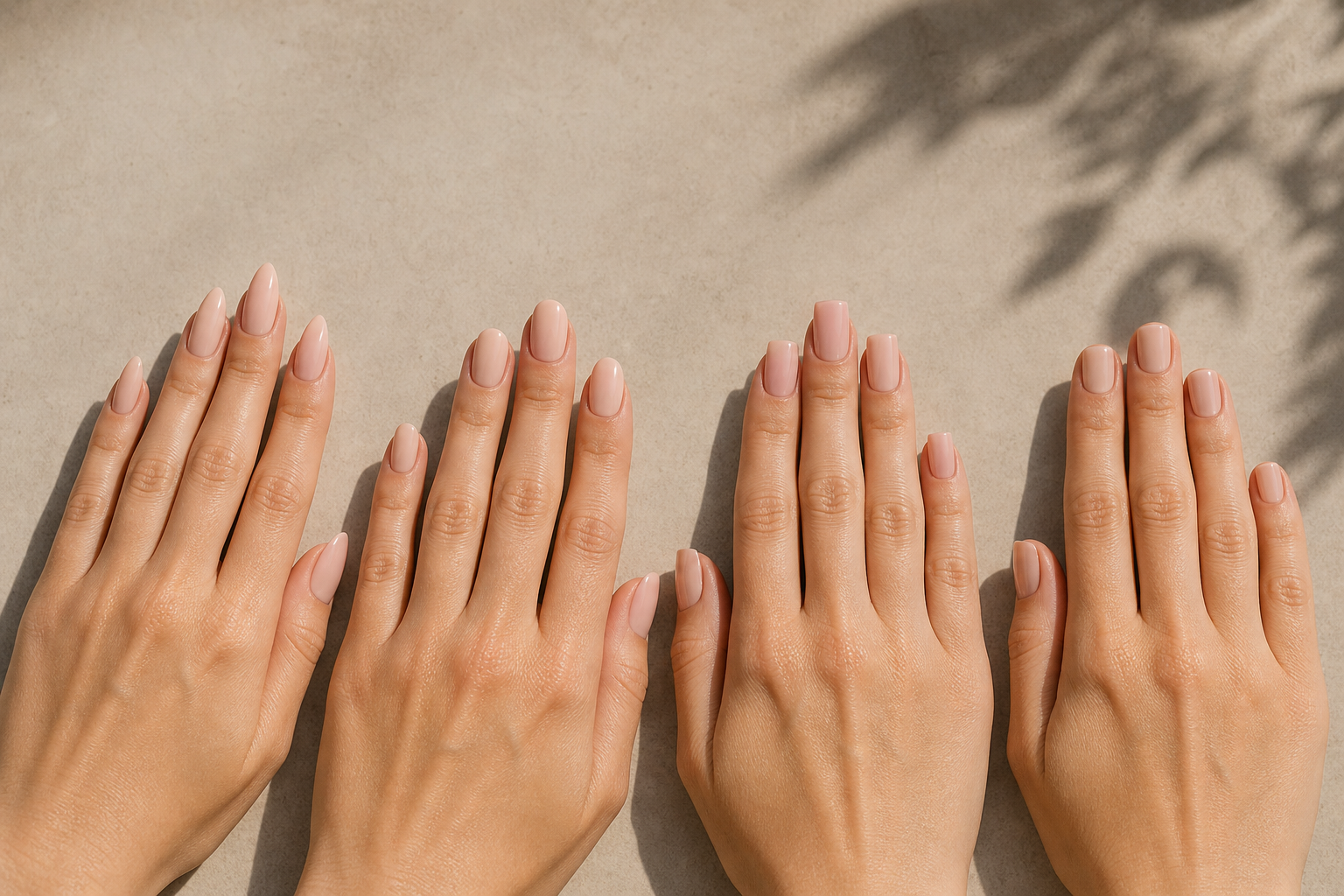
Color choice plays a strategic role in subtlety. Opting for holographic pigments with softer pastel undertones, muted silvers, pale pinks, or nude-base hues renders the prismatic effect less aggressive. These tones diffuse light gently, allowing for a delicate interplay of shimmer that complements rather than competes with the wearer’s complexion and attire.
Matte finishes juxtaposed with holographic accents provide a modern take on understated elegance. The contrast between the subdued matte polish and the dynamic holo shimmer creates a balanced visual tension, where the holography stands out just enough to be noticed without overwhelming. Moreover, minimalist nail art such as thin lines or dots in a holographic formula can echo the effect subtly.
In all these approaches, restraint and customization to individual style and occasion are paramount. The objective is to harness the magic of the rainbow effect while preserving harmony within the overall nail design.
Health and Safety Considerations When Choosing and Applying Holographic Products
While holographic nail products often appear glamorous and high-tech, safety and nail health must not be overlooked. Only professional-grade products tested for dermatological safety and nail compatibility should be used to prevent allergic reactions or damage. Salons and consumers should verify the chemical composition of polishes and gels, especially avoiding those containing harmful substances like formaldehyde, toluene, or excessive dibutyl phthalate.
Nail preparation is equally critical. Damaged or brittle nails are more susceptible to the stresses of gel curing and product removal. Clients with nail irregularities or sensitivities should consult a dermatologist or qualified nail technician before proceeding. Furthermore, frequent use of gel or hybrid holographic applications requires regular breaks between sessions to maintain nail strength and avoid premature thinning or fragility.
The removal process also demands caution. Abrasive methods, such as peeling off polish or excessive buffing, risk damaging the natural nail plate. Instead, professional soak-off techniques with appropriate solvents should be employed, combined with nourishing treatments post-removal to restore moisture and resilience. Regular use of cuticle oils and hydrating hand creams supports the integrity of the nail bed and surrounding skin, especially crucial due to the reflective nature of holographic polish that can accentuate imperfections.
Styling Holographic Nails to Complement Different Personal Tastes and Occasions
One of the holographic manicure’s greatest strengths is its versatility. It can range from a quiet touch of iridescence appropriate for the office to bold statements for social events or festivals. For workplace environments, toned-down holographic options with minimal coverage in neutral shades convey polish without distraction. Simple accents paired with crisp, professional attire evoke a chic modernity.
Evening events and creative gatherings welcome bolder expressions of the holographic phenomenon. Intense, fully saturated holographic coatings paired with metallic accessories enhance the prismatic glow. Layering holographic finishes atop cat-eye or chrome manicures further intensifies the spectacle. Carefully coordinated ring choices in silver or white gold harmonize with the rainbow reflections for a lavish but tasteful impression.
Personal style and skin undertones influence ideal holographic shades. Cooler undertones often resonate with holographic hues featuring blue and green flashes, while warmer skin tones find harmony with golden or rose-tinted holographic pigments. These nuances can elevate the nail design’s cohesion with complexion and apparel, contributing to an integrated aesthetic narrative.
Additionally, holographic nails pair remarkably well with current trends such as velvet nails or glazed donut finishes, provided care is taken to avoid visual overload. Combining effects requires strategic placement and scale to sustain clarity and sophistication, often achieved through contrasting textures and selective holographic placement.