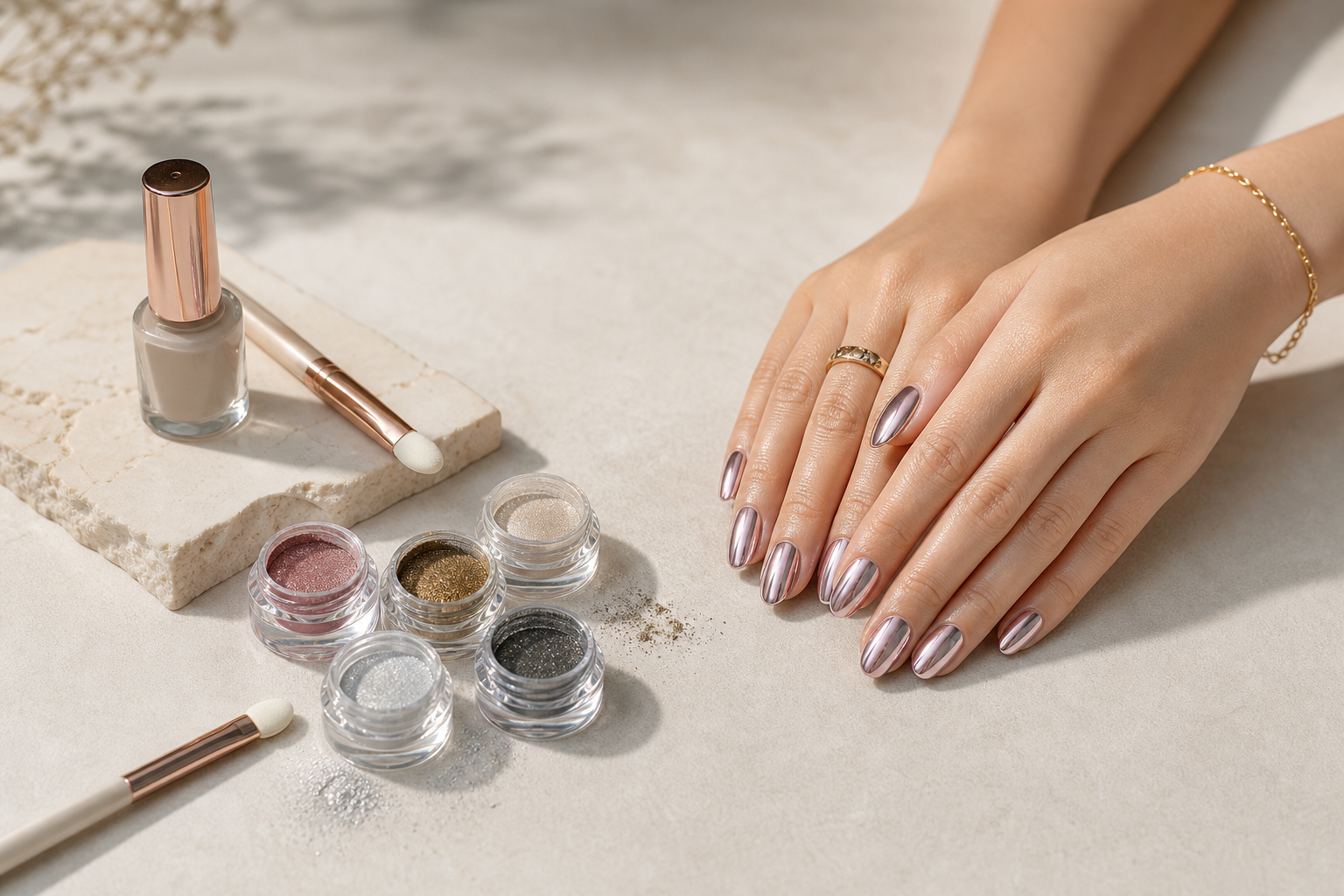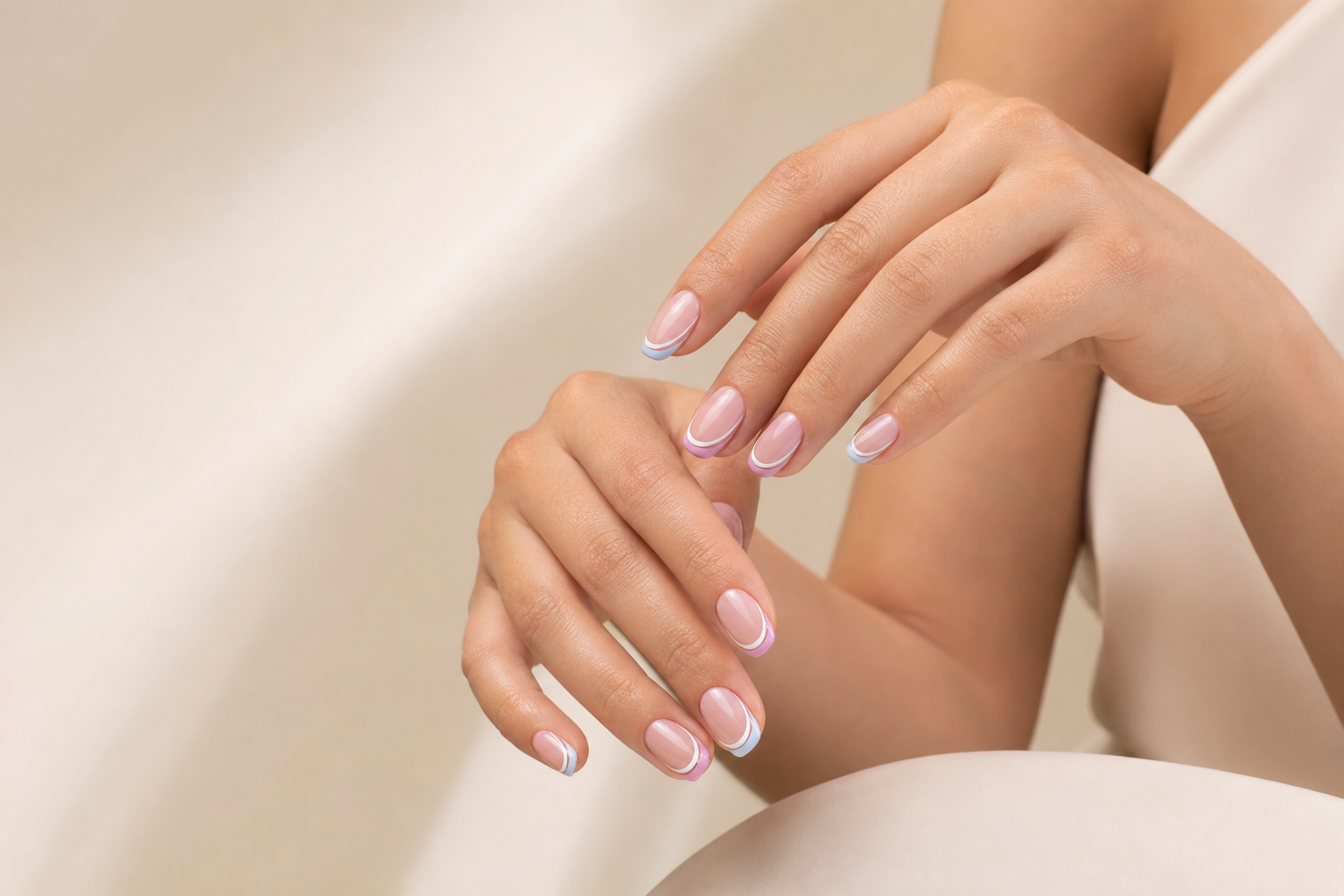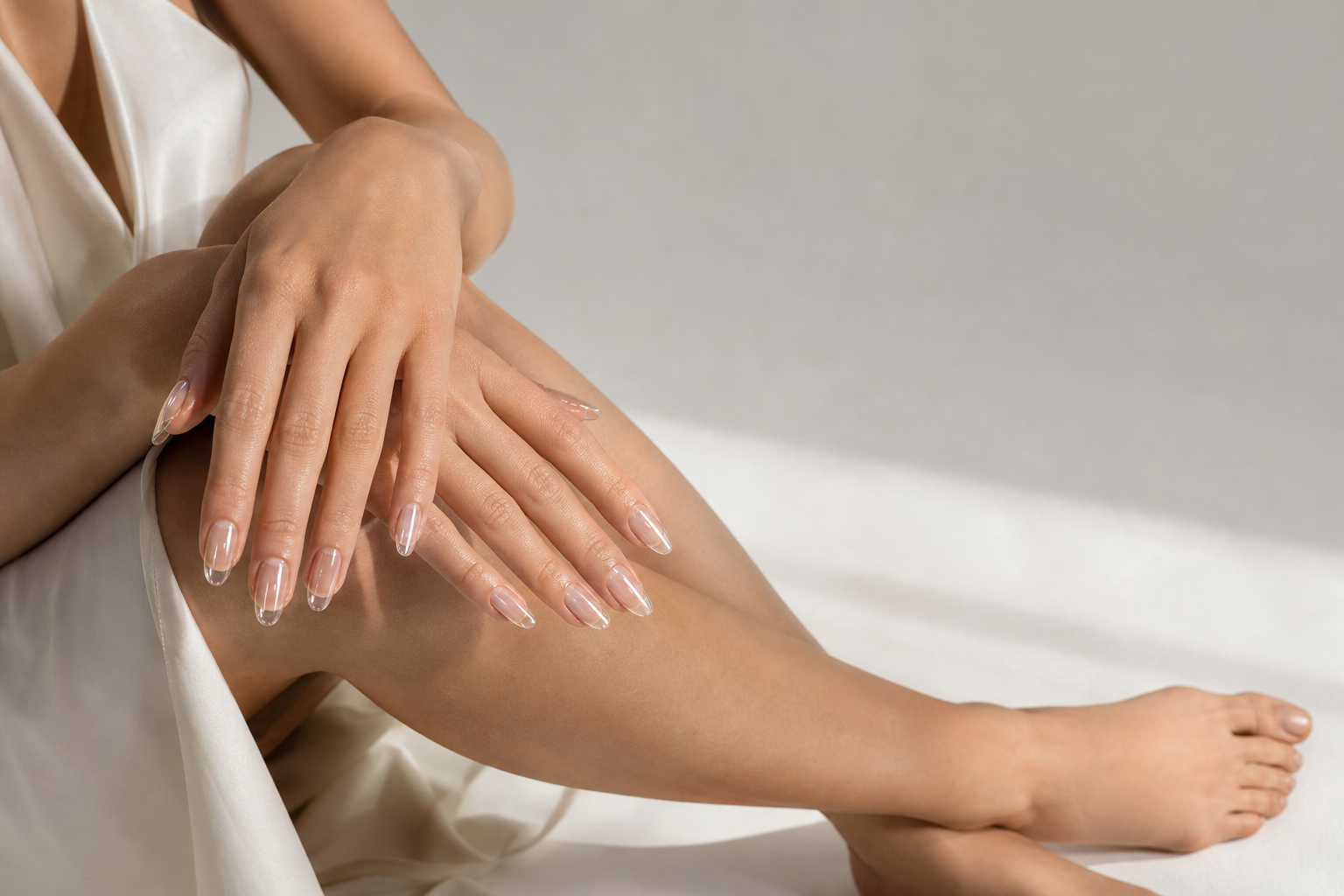
In the ever-evolving realm of nail artistry, glass nails have emerged as a contemporary icon of elegance and subtle sophistication. Renowned for their transparent, mirror-like finish that mimics the clarity and gleam of glass, this manicure style offers a strikingly modern alternative to traditional colorful or textured nails. Glass nails, often referred to as "glass effect nails," create an illusion of crystalline perfection by utilizing clear gels or acrylics with expertly applied finishes to achieve a pristine, translucent surface that captures and reflects light beautifully.
Designed for those who appreciate understated luxury and minimalist chic, glass nails blend the realms of visual intrigue and refined restraint. This manicure caters especially to clients seeking a delicate yet impactful look that complements any wardrobe or occasion without overpowering their overall aesthetic. For nail technicians and enthusiasts alike, mastering the technique behind glass nails opens a gateway to crafting timeless, versatile styles that can seamlessly adapt to individual tastes and cultural trends.
This editorial delves deeply into the art and science of glass nails, elucidating the detailed technical process of their creation, exploring aesthetic roles they fulfill, and examining their position within the broader landscape of manicure trends characterized by chrome, magnetic, and light-reflective effects. It aims to clarify realistic expectations, reveal challenges inherent to their application and upkeep, and highlight pertinent safety considerations to ensure both beauty and well-being.
The Technical Mastery Behind Achieving the Glass-Like Transparency
Creating authentic glass nails requires a delicate balance of material science and meticulous technique. Central to achieving the enviable clarity is selecting high-quality, non-yellowing gel formulations designed specifically for translucent finishes. These gels must maintain optical clarity after curing under UV or LED lamps, as any discoloration or opacity diminishes the characteristic glassy effect.
The preparation phase begins by cleaning and priming the natural nail or nail enhancement. A flawless base ensures proper adhesion and prevents air bubbles that could mar the transparent surface. The layering process usually incorporates a transparent or subtly tinted base gel, carefully chosen to preserve the nail's natural look while adding minimal color to simulate the sheer nuances of crystal or delicate porcelain.
Subsequently, nail artists apply one or more coats of builder gel or acrylic to sculpt and smooth the nail bed, refining the contours and establishing a uniform thickness crucial for light refraction. Each layer cures fully under a lamp, ensuring optimal hardness and smoothness. The final stage involves the application of a high-gloss finishing gel, which amplifies the signature shine and completes the glass-like illusion.
Additional decorative elements such as ultra-fine iridescent powders, mirror pigments, or holographic flakes may be delicately embedded within the topmost layers to enhance brilliance without obscuring transparency. Precision during this process is imperative, as even the smallest imperfection reduces the visual purity that defines this style.
Artistic and Practical Applications of Glass Nails in Modern Manicure
From formal occasions to everyday wear, the glass nail effect offers a unique sophistication that transcends trends. Its minimalist essence lends itself effortlessly to complementing diverse fashion choices, providing a chameleon-like quality that harmonizes with any color palette or accessory without overwhelming the ensemble.
Glass nails accentuate the inherent beauty of the wearer’s hands, especially when enhanced by tailored nail shapes such as almond, oval, or coffin styles that elongate fingers and spotlight the clean, transparent finish. This versatility appeals to professionals who desire a polished, understated look as well as style-conscious individuals who relish subtle yet impactful beauty statements.
The integration of glass nails with related techniques like chrome finishing or cat-eye effects can yield mesmerizing combinations that emphasize depth, luminosity, and optical illusions. Such modular approaches invite creative experimentation, allowing clients and technicians to personalize the reflective qualities to match preferences or seasonal aesthetics.
Inherent Challenges and Limitations in Executing and Maintaining the Glass Effect
While visually compelling, the glass nail technique demands rigorous skill and attention to detail, as imperfections become acutely visible through the transparent layers. Natural nails exhibiting ridges, discoloration, or damage may require remedial treatments beforehand to serve as an ideal canvas for this delicate finish.
Durability also poses a challenge: the glossy topcoat, essential for the glassy appearance, is susceptible to micro-scratches and chipping, which can disrupt the smooth sheen and transparency. Regular maintenance and cautious use of hands can extend the manicure’s lifespan, yet wear and tear remain significant factors.
From a stylistic standpoint, the minimalistic nature of glass nails may be less appealing to clients who prefer bold colors, intricate designs, or vibrant nail art. It requires a client and professional alignment regarding expectations and desired outcomes, ensuring the manicure reflects individual identity and lifestyle.
Safety Protocols and Professional Guidance in Glass Nail Application
The application of glass nails involves exposure to chemical components found in gels and acrylics, prompting the need for safety awareness and appropriate hygiene practices. Nail technicians must employ hypoallergenic, certified materials to minimize risks of allergic reactions or dermatitis, particularly for clients with sensitive skin or existing nail conditions.
Disinfection of tools and workstations, as well as proper skin preparation, are paramount to prevent infections. During curing, controlled UV or LED light exposure should be adhered to, balancing effective polymerization with skin protection to avoid cumulative photodamage.
Clients experiencing skin irritations, nail bed discomfort, or signs of allergies should seek consultations with dermatologists or trained specialists before proceeding. Ongoing education and certification for professionals enhance safe service delivery and optimize client outcomes.
Synergistic Integration of Glass Nails Within Prevailing Manicure Trends
Within the current panorama of manicure artistry that celebrates reflective and light-responsive effects, glass nails position themselves as a foundational element. Their clarity offers a neutral yet luminous base upon which magnetic, chrome, or cat-eye techniques can be layered elegantly, enriching complexity without cluttering the design.
This harmonization facilitates endless creative variations, from subtle accent nails to bold statement pieces, empowering stylists and clients to stay on the cutting edge of fashion while maintaining individual sophistication. Seasonal shifts favor cooler motifs and metallic hues, yet the translucency of glass nails ensures their timeless relevance across changing trends.
Practical Considerations and Longevity of Glass Nails in Daily Life
For everyday wearers, glass nails deliver an appealing combination of ease and elegance. Their simplicity reduces the need for frequent changes, allowing for a sustained polished appearance compatible with diverse settings, from corporate environments to social gatherings.
Nonetheless, durability concerns necessitate mindful care. Regular application of cuticle oils and gentle handling protects the integrity of the product. Employing gloves during household chores and avoiding harsh chemicals can substantially prolong the manicure’s pristine condition.
Clients with active lifestyles may consider reinforcing the glass finish with additional protective topcoats or layering techniques discussed with their manicurists to balance aesthetic goals with functional demands.
Maintaining the Pristine Clarity of Glass Nails Through Consistent Aftercare
Extending the lifespan of the glass nail effect hinges upon thorough aftercare routines. Habituating to gentle cleansing products without abrasive agents helps maintain surface smoothness and shine. Prompt repair of chips or cracks by skilled professionals preserves the optical quality and prevents further deterioration.
Frequent moisturizing supports nail health, preventing brittleness beneath the enhancements. Periodic polishing treatments in salons can revitalize glossiness and correct minor imperfections, ensuring the manicure remains a testament to refined taste and attentive grooming.