Dry and cracked skin on the hands is a challenge faced by many individuals, ranging from those with naturally dry skin types to professionals frequently exposed to harsh environments or repeated washing. Selecting the appropriate hand cream ingredients is pivotal for effectively restoring skin health, alleviating discomfort, and re-establishing barrier function. This editorial aims to provide a thorough examination of the key components found in hand creams formulated specifically for dry and cracked skin, framed within the context of natural nails and daily hand care.
Understanding the precise nature and impact of these ingredients empowers both professionals engaged in manicure and nail care, as well as individuals committed to maintaining healthy, resilient skin on their hands. The article outlines not just the benefits but also the realistic expectations, limitations, and safety considerations involved in using hand creams for this purpose. With an emphasis on scientifically supported mechanisms of action, this information serves as guidance for informed decision-making and optimal care routines.
Given the delicate balance between effective hydration, repair, and protection, the choice of ingredient formulation is essential. This discussion does not simply catalogue ingredients—it reveals how they interact with the complex biology of dry and compromised skin, ensuring practitioners and consumers alike appreciate when a cream addresses superficial symptoms versus delivering deeper regenerative effects.
The Role of Humectants and Hydrators in Restoring Moisture Balance
At the core of treating dry and cracked hands lies the restoration of moisture. Humectants, substances that attract water into the skin, are indispensable in this process. Glycerin stands out as a gold-standard humectant by effectively binding water molecules and increasing skin hydration. This molecule not only draws moisture from the environment but also enhances the skin’s natural water-retaining capabilities, contributing to reduced flakiness and increased suppleness.
Another potent hydrating agent, hyaluronic acid, operates by holding up to 1000 times its weight in water, making it integral for deep skin hydration. Its molecular size variations allow it to penetrate different skin layers, thereby delivering long-lasting hydration that alleviates irritation associated with dry, cracked skin. This sustained hydration supports the skin's elasticity and comfort throughout the day.
Urea performs dual roles—it is a humectant but also promotes keratolysis, the gentle exfoliation of dead skin cells. This facilitates the removal of rough, thickened skin patches common in chronic dryness and enables the subsequent regenerative phases. Furthermore, propylene glycol, often employed as a penetration enhancer, not only retains moisture but improves the absorption of other beneficial compounds, ensuring a multiplier effect in skin rehydration.
Supporting Skin Barrier Repair through Emollients and Lipid Replenishment
An impaired skin barrier is a hallmark of severely dry and cracked hands. Recovery of this barrier requires ingredients that replenish and simulate the skin’s natural lipids. Plant-derived oils such as jojoba, almond, avocado, and argan are rich in essential fatty acids and provide a restorative lipid layer that seals moisture and protects against external irritants. These oils closely mimic the lipid composition of the skin, making them highly compatible for barrier repair.
Ceramides are among the most important lipids native to the skin’s outer layer and are frequently incorporated into hand creams to replenish barrier constituents. Their supplementation enhances the cohesion between skin cells and effectively reduces transepidermal water loss, which is critical for maintaining hydration and skin resilience over time.
Panthenol, a provitamin B5 derivative, accelerates the regeneration of damaged skin cells and reduces inflammation. Its role in forming a protective film on the skin surface helps to guard against further moisture loss and external aggressors, facilitating a safer healing environment. Vitamin E complements this action with its potent antioxidant properties, neutralizing free radicals generated by pollution and UV exposure, thereby protecting and stabilizing the regenerating skin.
Dimethicone and other silicone-based substances form a breathable occlusive layer that locks in moisture without leaving a greasy residue. This sensory quality makes such creams practical for frequent application, especially in professional and daily environments where hand use is constant and uninterrupted skin recovery is desired.
Formulation Considerations for Professional Manicure and Nail Care Settings
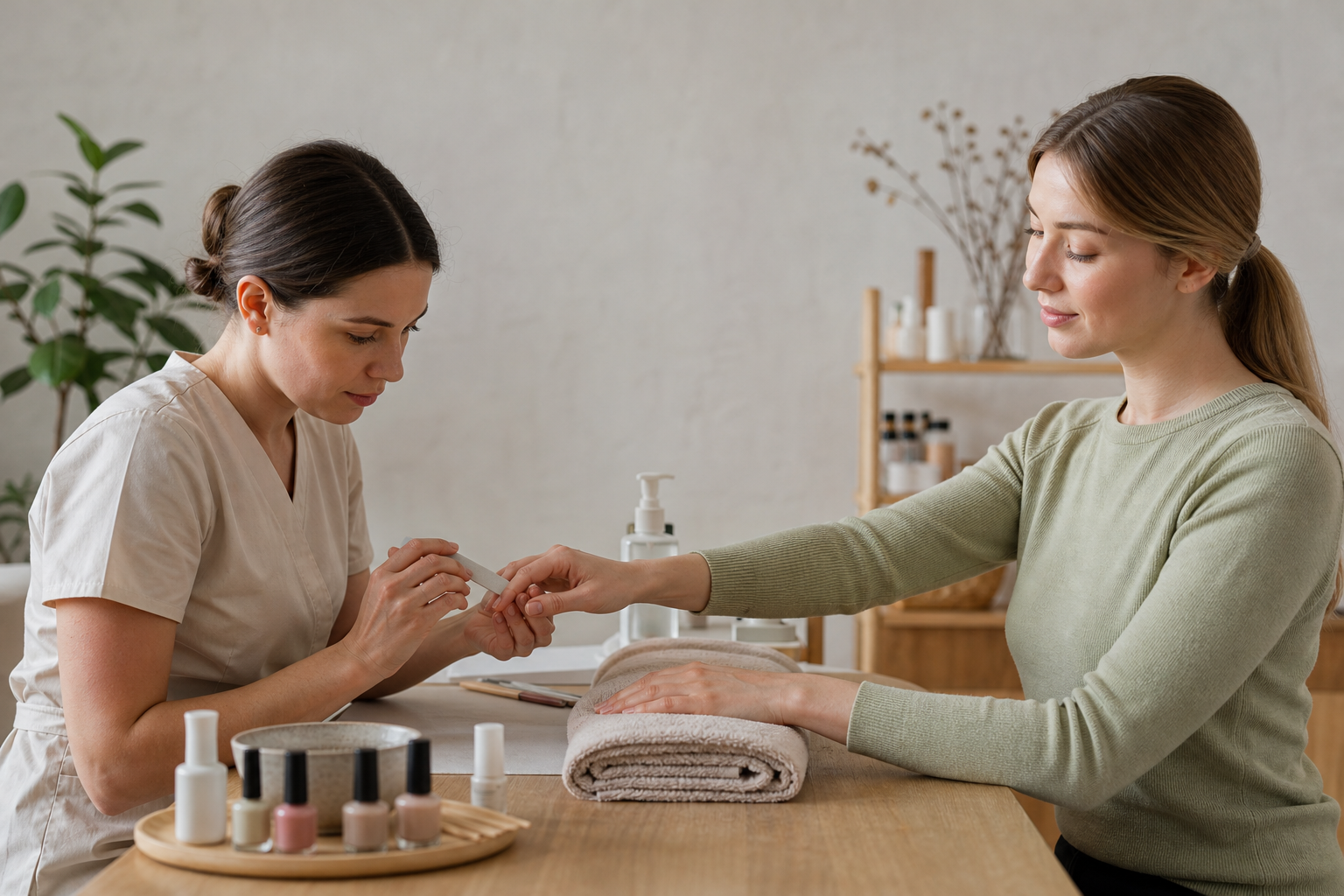
In manicure and nail care routines, hand creams must meet stringent criteria to support rapid absorption, non-greasiness, and minimal fragrance to avoid interference with other treatments and client sensitivities. Professional-grade creams blend multi-functionality by combining robust hydration with rapid skin repair, alongside active protection against UV damage and chemical exposure common in salon environments.
Moreover, the integration of antioxidants and mild emollients within these formulations protects skin from mechanical and chemical stressors associated with salon services, facilitating a more comfortable client experience and supporting the longevity of manicure results. The careful balance of ingredient potency against hypoallergenic safety profiles is vital—especially for delicate skin types prone to irritation or allergic response.
The capacity for these creams to support cuticle health and integration with related products like cuticle oils marks them as specialized solutions that enhance both skin and nail vitality. This synergy speaks directly to the professionalism and expertise expected in manicure and nail care disciplines.
Safety Aspects and When to Seek Professional Dermatological Advice
Even the most carefully formulated hand cream ingredients require cautious application in individuals with sensitive or compromised skin conditions. The presence of fragrances, preservatives, or certain botanical extracts can provoke contact dermatitis or exacerbate existing skin conditions in susceptible clients.
Severe cases of cracked skin accompanied by pain, bleeding, or persistent inflammation warrant professional consultation before engaging in treatment with topical creams. Dermatologists can offer diagnosis that excludes other dermatological disorders and recommend targeted therapies beyond over-the-counter options. In such cases, keratolytic agents must be used deliberately, considering exposure time and concentration to avoid over-exfoliation and further irritation.
Clients and professionals should remain vigilant to changes in skin condition, discontinuing use of any product causing adverse reactions, and seek expert evaluation promptly.
Optimizing Application Techniques to Maximize Hand Cream Efficacy
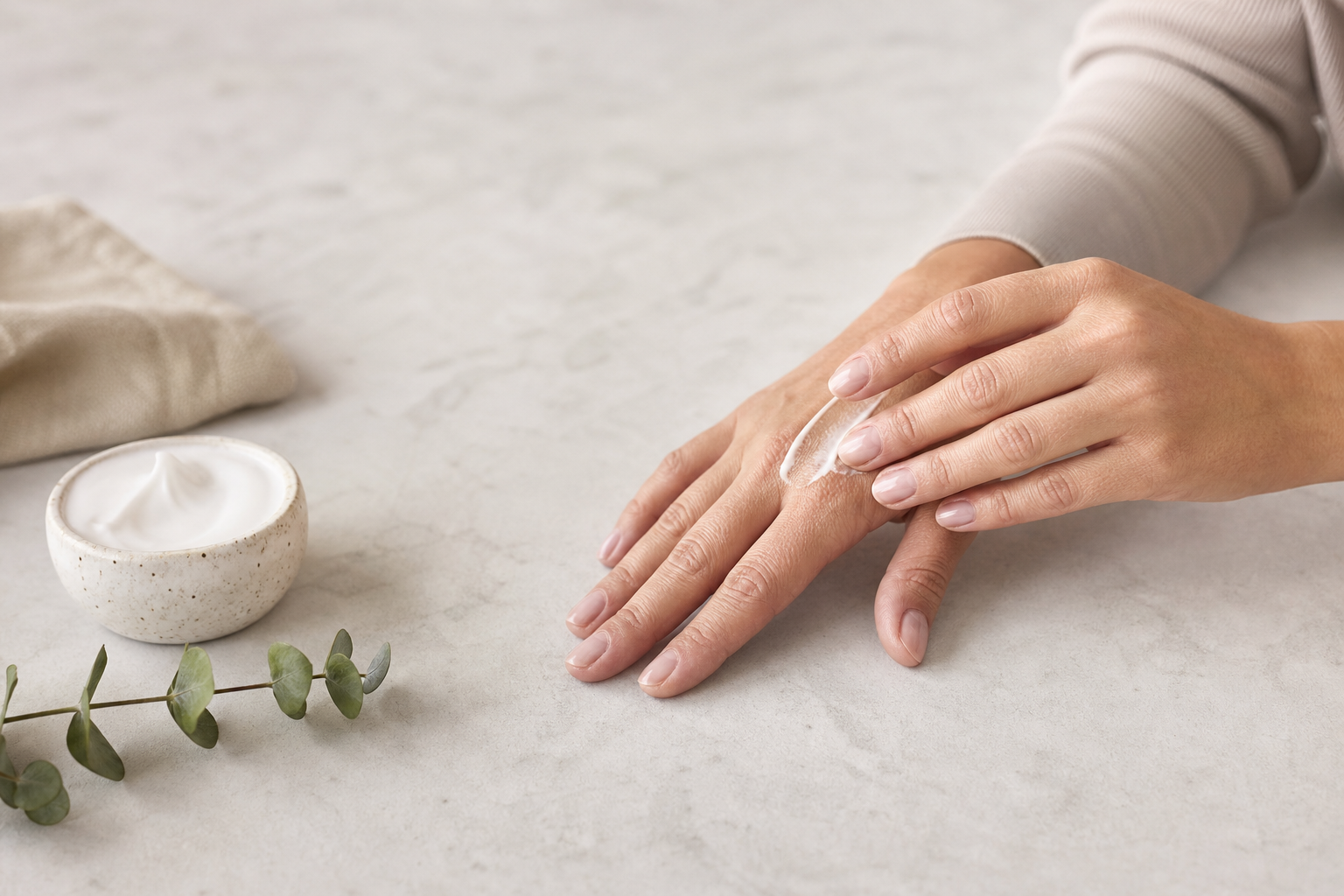
Maximizing the treatment effect of hand creams requires more than ingredient knowledge; it involves proper regimen and method of application. Applying cream at least twice daily, especially post-handwashing and before bedtime, ensures consistent hydration and barrier reinforcement throughout variable daily activities.
Preparing the skin by gentle cleansing and periodic mild exfoliation enhances absorption by removing dead skin cells that can impede penetration. For individuals with deeply cracked skin, overnight occlusion using cotton gloves after applying a rich cream can amplify moisture retention and accelerate repair processes.
Consistency in routine and mindful layering of hand care products—such as using a cuticle oil in conjunction with a moisturizing hand cream—produces complementary benefits, supporting overall skin and nail health elegantly and effectively.