The appeal of gel and acrylic nails is undeniable, offering beauty enthusiasts the ability to flaunt long-lasting, pristine manicures and striking nail art. With popular demand, many have sought the convenience of removing these enhancements at home, considering it a cost-effective and flexible alternative to salon appointments. However, the process of at-home removal, especially without professional guidance, is fraught with risks that can compromise the health and integrity of natural nails.
This detailed editorial is designed for individuals who maintain or frequently wear gel or acrylic nails and are contemplating at-home removal methods. Whether motivated by financial reasons, personal preference, or scheduling constraints, understanding the intricacies of the removal process is essential. Ignorance of proper techniques can lead to common errors with lasting repercussions, ranging from thinning and brittleness to discoloration and infections.
Why does this topic command serious attention? The natural nail plate is made of delicate layers of keratin, which require gentle care. The interaction between removal methods — both mechanical and chemical — and the nail’s biology determines whether the nail recovers fully or sustains damage. Therefore, mastering the safe at-home removal of gel and acrylic nails transcends mere cosmetic concern, venturing into the realm of nail health preservation.
The Biological Impact of Improper At-Home Removal of Gel and Acrylic Nails
Gel and acrylic nails consist of polymer-based materials applied in successive layers and hardened to form a rigid and glossy protective shell over the natural nail. This shell not only extends the nail’s length but also serves an aesthetic function by enhancing shine and durability. Healthy removal hinges on gently detaching or dissolving these layers while preserving the underlying nail.
The primary damage stems from mechanical trauma and chemical stress inflicted by ill-informed removal practices. Excessive filing with coarse tools, aggressive scraping, or peeling forcibly strips the hard coating, often removing or abrading the keratinous layers beneath. Consequences include thinning of the natural nail plate, increased fragility, and the formation of white spots—signs that the nail’s matrix and structure have been disturbed.
Chemical agents, particularly acetone, are employed to soften gel and acrylic polymers, allowing easier removal. However, inappropriate exposure times—too brief or overly extended—can dry out both nails and surrounding cuticles, leading to brittleness and skin irritation. Overexposure to acetone not only compromises moisture balance but also exacerbates the vulnerability of the keratin matrix, fostering a fragile environment prone to splitting and cracking.
Given the slow regeneration rate of the keratin layers that comprise nails, damage amassed over frequent improper removals translates into prolonged or irreversible effects. Professionals universally advocate a considered approach to removal that respects the nail’s biological limits and avoids undue physical or chemical insult.
The Perils of Commonly Used At-Home Removal Methods
Among the prevalent errors at home is the indiscriminate use of aggressive tools designed for professional application. Metal nail clippers, high-grit abrasive files, and sharp cuticle pushers wielded without precision can sever or gouge the nail surface. Without specialized knowledge of pressure control and technique, these actions often cause microscopic fissures or deep gouges that compromise nail integrity.
Moreover, attempts to accelerate removal by peeling or forcibly prying off gel or acrylic layers ignore the intimate bond between the enhancement and natural nail. This peeling action not only removes the overlay but often lifts portions of the natural nail plate itself, resulting in ragged edges, splits, and heightened susceptibility to infection.
Another noteworthy misstep arises from insufficient nail preparation before soaking. Failing to lightly file the shiny surface reduces acetone’s efficacy, prolonging soak times and inviting alternate aggressions such as repetitive filing to compensate for unsoftened residues. Similarly, non-acetone polish removers or household alternatives lack proper solvent strength, leading to incomplete dissolution and increased mechanical removal efforts that harm nails.
Time management during soaking is crucial to avoid dual problems—too brief a soak leaves the polymers hard and resistant, necessitating harsher mechanical intervention, whereas too lengthy a soak risks dehydration and irritation. Unsuitable timing highlights the delicate balance required for chemical softening without compromising nail and skin health.
Recognizing When Professional Assistance Becomes Essential
Safeguarding nail health also involves vigilant recognition of warning signs hinting at underlying complications. If redness, swelling, or pain emerge during or after removal, it may indicate inflammation or infection necessitating professional evaluation. Additionally, discoloration such as yellow or green hues under the nail often signals bacterial or fungal presence, conditions requiring targeted medical or therapeutic treatment beyond home care.
Individuals with pre-existing sensitivities, dermatological conditions, or known allergies to acetone or related chemicals should exercise particular caution. Their skin and nails might react adversely to common removal solvents, making supervised salon services or dermatological consultation the safer option.
Severely damaged or very thin nails also represent red flags where at-home removal risks outweigh benefits. Professional technicians can offer gentler alternative methods or recommend rehabilitative treatments that stimulate repair while minimizing injury.
Ultimately, understanding one’s own nail condition and health status plays a decisive role in whether to proceed at home or seek expert guidance, underscoring the limitations of DIY removal.
Step-by-Step Guidance for Safer At-Home Gel and Acrylic Removal
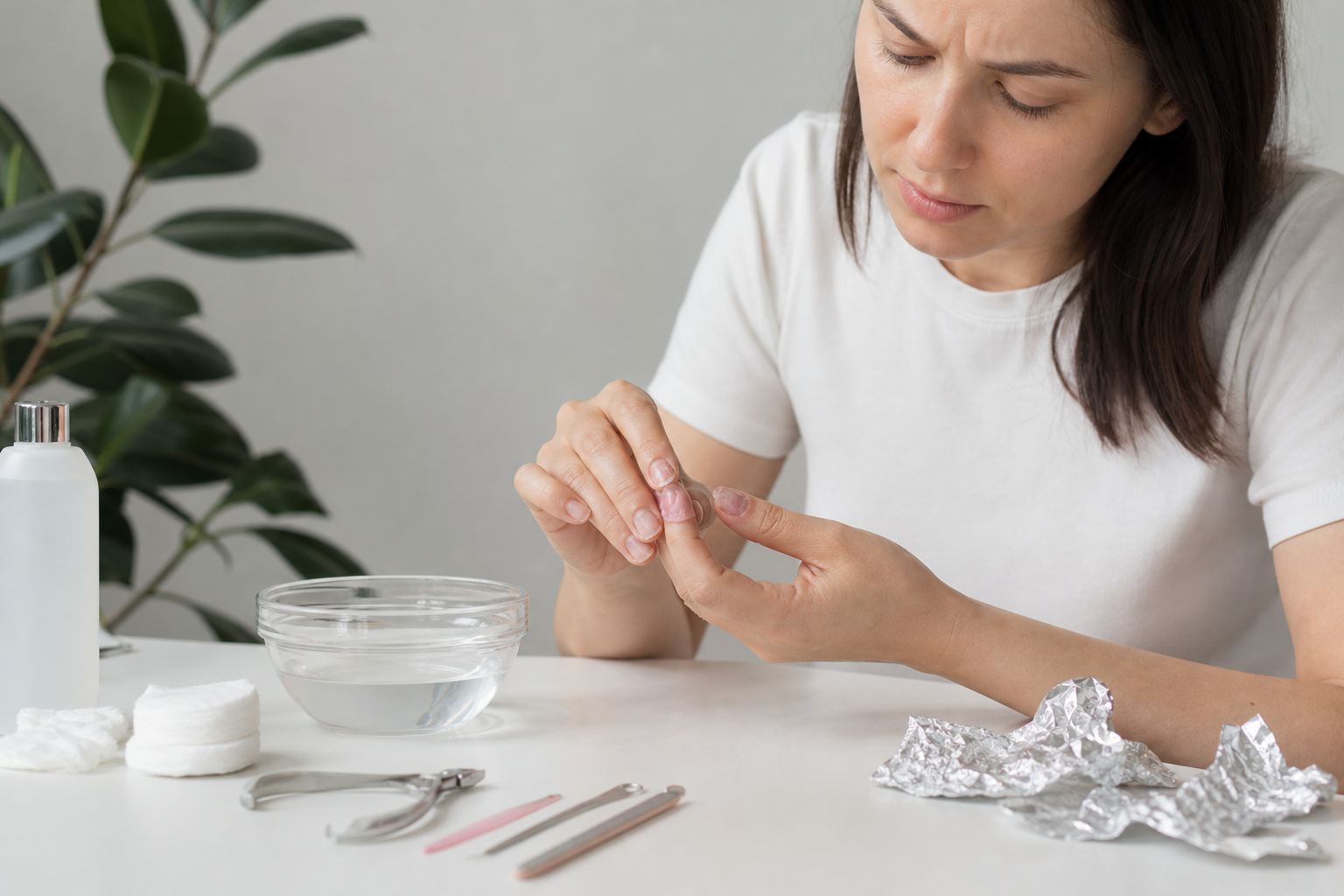
When choosing to remove gel or acrylic nails at home, meticulous attention to technique can markedly reduce harm. Beginning the process with a gentle fine-grit buffer to lightly remove the glossy topcoat is crucial for aiding acetone penetration, minimizing soaking duration, and softening the overlay thoroughly.
Following this preparation, soaking each fingertip with acetone-soaked cotton balls wrapped tightly with foil creates an occlusive environment that preserves warmth and vapor, enhancing solvent action. The recommended duration of 15 to 20 minutes allows adequate polymer softening without excessive exposure.
After soaking, the softened material can be carefully eased off using a specifically designed cuticle pusher or wooden stick. The key here is gentle pressure and patience—if resistance is notable, an additional soak is preferable to forced scraping that could abrade the natural nail.
Post removal, immediate application of moisturizing and nourishing products is fundamental. Oils rich in vitamins such as E and B-complex, or creams formulated for nail and cuticle hydration, restore essential lipids and strengthen keratin, promoting recovery. Adequate hydration supports barrier restoration and reduces the appearance of white spots attributable to dryness or microdamage.
Regular intervals of rest between nail enhancements facilitate tissue remodeling and natural strength recovery, making scheduled breaks a vital component of overall nail care.
Addressing Consequences of Improper At-Home Removal with Proper Nail Care
In the aftermath of flawed removal attempts, nails may present with thinning, discolorations, or surface irregularities, symptoms indicative of superficial or deeper keratin damage. Effective recovery demands a comprehensive care strategy that addresses these symptoms holistically.
Hydrating treatments combined with keratolytic agents can gently exfoliate damaged keratin layers while stimulating regeneration of healthy cells. Antioxidant-enriched topical products support cellular repair and counteract oxidative stress induced during the removal process.
For nails exhibiting infection signs or persistent discoloration, medical advice can lead to antifungal or antibacterial therapies, preventing progression and restoring nail health.
During recovery, minimizing exposure to harsh detergents, prolonging hydration, and avoiding repeated mechanical stress are paramount for successful restoration. Protective gloves during household chores and balanced nutrition rich in biotin and minerals further complement external care.