Stiff fingers and unnatural hand positions are common issues faced by many who regularly undergo manicures or engage in repeated hand treatments. These problems not only affect the aesthetic appeal of hands but also cause discomfort, restrict movement, and sometimes lead to pain that interferes with daily activities. Addressing these concerns is crucial for individuals who value both the health and appearance of their hands, as well as for nail care professionals dedicated to delivering treatments that preserve natural hand function and beauty.
This article explores the underlying causes of finger stiffness and awkward hand postures associated with manicure procedures, offering practical advice and expert insights to prevent and remedy these problems. Drawing on knowledge from the domain of manicure and nail care, it discusses proper hand positioning techniques, the influence of treatment materials, and the role of aftercare practices. Furthermore, it highlights important safety considerations and the necessity of consulting healthcare professionals when symptoms persist. By focusing on concrete strategies and professional standards, this guide serves anyone seeking to maintain supple, natural hand function alongside polished nail aesthetics.
The Biological and Mechanical Roots of Finger Stiffness in Nail Care
Understanding why fingers become stiff and hands adopt unnatural positions during or after manicures requires an examination of the biomechanics involved in hand posture as well as physiological responses to different treatments. The musculotendinous structures in the fingers are sensitive to sustained tension or prolonged fixed positions, which are common during many nail care procedures.
During a manicure, if the hand or fingers are held in cramped or strained postures—such as tightly clenched fists, forceful flexion, or extended unnatural angles—muscle fatigue and tendon strain can set in quickly. This can lead to spasm, inflammation, and ultimately reduced range of motion. Similarly, rigid fixation with overly hard nail enhancements or thick varnishes can impose an unnatural mechanical load, limiting the flexibility of the nail bed and adjacent soft tissues.
Additionally, improper handling of the skin surrounding nails, including aggressive cuticle pushing or cutting, can incite inflammatory responses that contribute to stiffness and discomfort. Underlying health conditions like arthritis, repetitive strain injuries, or previous trauma may exacerbate these effects, making some individuals particularly vulnerable. Hence, recognizing these mechanical and biological factors is imperative for both practitioners and clients to take proactive measures that safeguard hand mobility.
Establishing Comfortable and Natural Hand Positions During Manicure Treatments
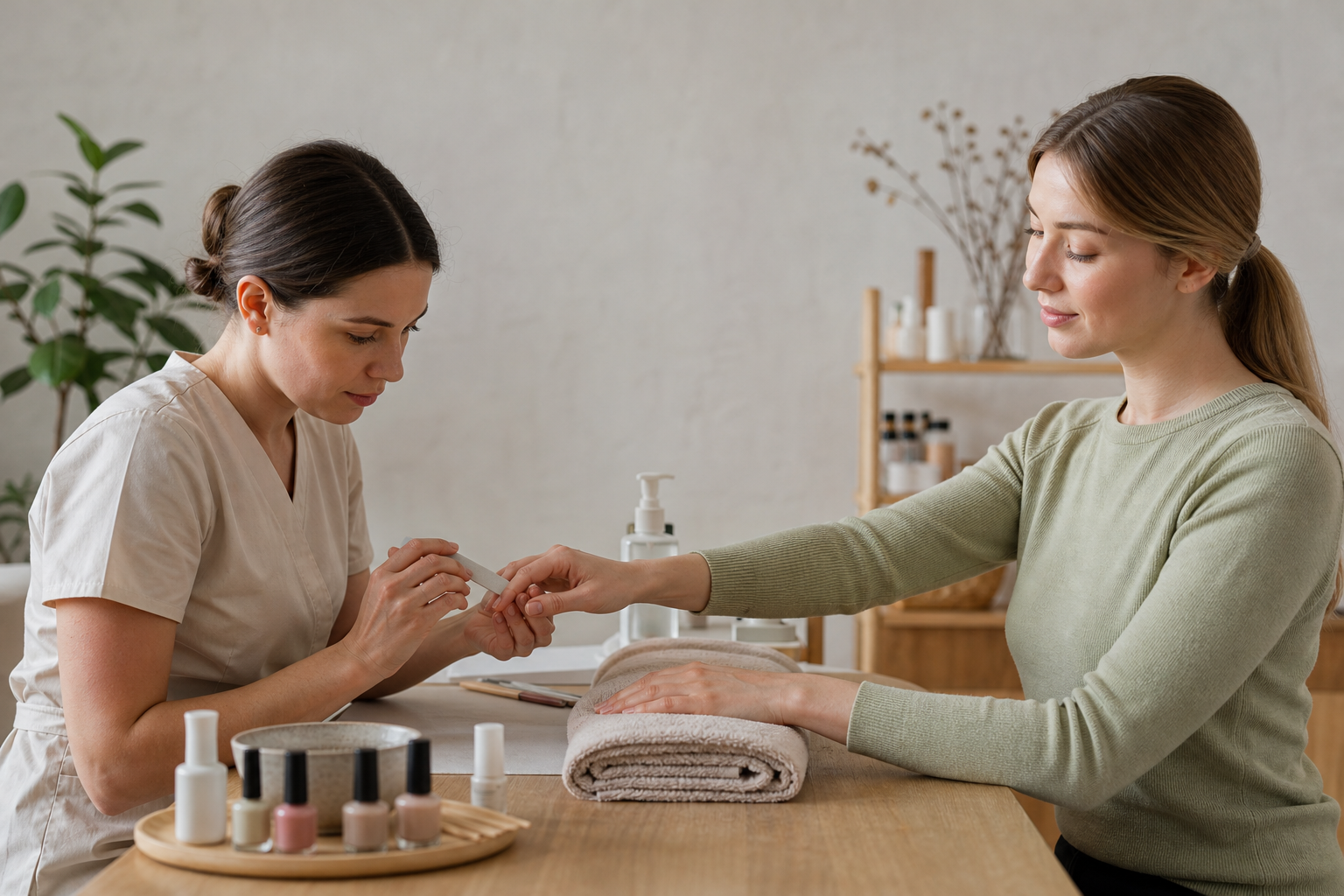
To prevent the onset of stiffness and awkward postures, the positioning of the hands and fingers throughout a manicure session must be managed carefully. Professional nail technicians play a pivotal role by guiding clients to maintain relaxed, neutral hand poses that minimize muscle tension and facilitate optimal treatment access.
The ideal posture involves supporting the client's palms on a stable, cushioned surface allowing fingers to lie gently apart without gripping or curling excessively. Slight separation of the fingers helps reduce any compressive forces on the joints and soft tissues, enabling adequate blood circulation and nerve function. Instructing clients to occasionally move or stretch their fingers during longer sessions reduces the risk of prolonged static postures that cause stiffness.
Moreover, manicurists should continuously monitor client comfort and quickly adjust positioning if any signs of strain, discomfort, or unnatural finger curling emerge. This attentive approach supports both the aesthetic goal of achieving a beautiful manicure and the physiological need for preserving natural hand function. Clear communication and demonstration regarding hand posture benefits empower clients to maintain these habits independently.
Selecting Appropriate Materials and Techniques to Support Finger Mobility
The choice of manicure materials significantly influences the likelihood of developing finger stiffness or unnatural hand postures. Hard gels, thick acrylic overlays, or heavy polish layers, while creating durable and visually striking nails, can inadvertently restrict natural nail and finger movement. Such rigidity often forces compensatory hand postures that, over time, increase tension and discomfort.
Conversely, lightweight, flexible formulations that adhere closely to the nail’s natural curvature help preserve the finger’s range of motion. Techniques emphasizing gradual filing aligned with the nail's natural growth pattern and minimal cuticle trauma also reduce inflammation and tissue tightness. Avoiding excessive product volume and preferring a more natural nail length further aid in maintaining hand health.
Professional expertise in customizing treatment choices to individual client needs—factoring in nail shape, skin sensitivity, and occupational hand use—ensures that material selection synergizes with functional preservation. In ambiguous cases or clients prone to stiffness, opting for gentler, shorter sessions supplemented with breaks can prevent accumulation of muscle fatigue and discomfort.
Rehabilitative Exercises and Daily Care Regimens to Restore and Maintain Finger Flexibility
Beyond preventive positioning and material choices, active rehabilitation through exercises and consistent care routines plays a vital role in avoiding persistent stiffness and unnatural postures. Gentle, targeted movements enhance circulation, promote tendon gliding, and relieve tight muscle groups, fostering overall hand dexterity and health.
Recommended exercises include slow finger extension and flexion cycles, thumb rotations, finger spreads, and soft ball squeezes performed several times daily. Complementary massage of the palm and dorsal hand with moisturizers or oils rich in vitamin E and essential fatty acids nourishes skin elasticity and soft tissue pliability. Regular hydration and protection from environmental irritants also prevent cracking and secondary discomfort that might limit hand movement.
Client education on these aftercare steps is paramount, particularly for those with heavier nail enhancements or individuals engaged in repetitive manual tasks. When stiffness or pain persists despite such measures, referral to physical therapists or hand specialists for diagnostic evaluation and tailored interventions becomes necessary.
Artful Presentation and Photography of Manicured Hands Emphasizing Natural Posture
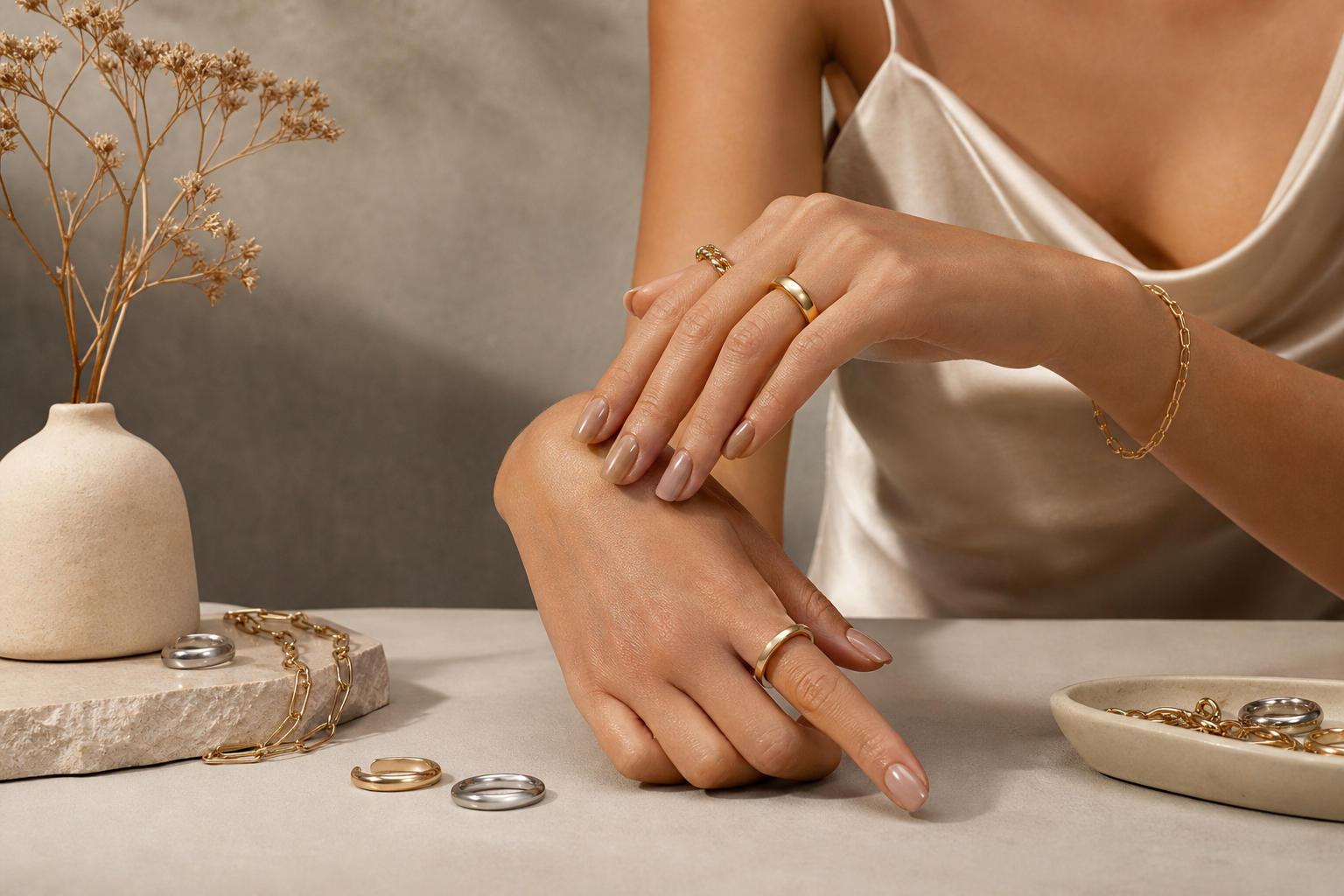
The visual impact of a manicure greatly depends on how the hands are posed for viewing or photography. To avoid exaggerating stiffness or creating an artificial appearance, hand positioning should favor natural curves and relaxed fingers, arranged to highlight nail artistry while maintaining authentic comfort.
Photographers and nail artists collaborate to encourage slight finger bends or gentle spreads that reflect habitual resting postures rather than forced arrangements. Good lighting and soft backgrounds accentuate nail color and texture without casting harsh shadows that might emphasize tendinous rigidity or joint protrusions.
Clients should be advised on pre-photography hand preparation, including hydration and cuticle grooming, to enhance skin suppleness and contribute to an overall impression of well-cared-for, flexible hands. This approach not only elevates the aesthetic appeal but also communicates an ethic of hand wellness that complements the manicure itself.