Price guide: Safe Removal of Gel Polish Without Nail Damage
There is no single price for safe removal of gel polish without nail damage: in Belgrade it usually falls around RSD 700–1,200 for the salon service. Salons adjust the quote according to removal of previous product, base type and the selected finish. Removal of existing product, extra length and nail art may be charged separately. This November 2026 range is an indicative local-market guide because each salon sets its own price list.Gel polish has revolutionized the way many enjoy manicured nails, combining the beauty and shine of regular nail polish with durability lasting up to several weeks. However, this extended wear comes with a caveat: to maintain healthy natural nails, meticulous care must be taken when removing the gel polish. This is a topic of critical importance for anyone who frequently uses gel manicures or for professionals providing nail care services. Safe removal of gel polish without nail damage ensures the longevity and resilience of natural nails, preventing issues such as brittleness, peeling, or permanent weakening that can result from improper techniques.
Understanding the nuances of gel polish removal is essential to avoid common pitfalls that compromise nail health. Unlike traditional polishes, gel polish is a cured polymer that adheres firmly to the nail surface, requiring a thoughtful approach tailored specifically to its chemical and physical properties. This article presents an exhaustive guide to the safe removal of gel polish rooted in modern manicure and nail care principles, underscoring preparation, methodical execution, aftercare, and professional guidance when needed.
In the sections that follow, readers will gain insights into the composition and curing process of gel polish, essential preparatory steps for safe removal, practical techniques suitable for both salon and at-home settings, crucial aftercare routines, and awareness of risks and when to seek expert intervention. By integrating these practices, enthusiasts and practitioners alike can safeguard the natural nail’s integrity while enjoying the aesthetic advantages of gel polish.
Understanding the Structure and Curing Process of Gel Polish
Gel polish is chemically distinct from conventional nail lacquer. It consists primarily of oligomers and photoinitiators that form a polymer gel when exposed to ultraviolet (UV) or light-emitting diode (LED) lamps during application. This curing process transforms the initial liquid state into a hardened, flexible film bonded intimately with the nail plate. The resulting layer demonstrates high resistance to chipping and prolonged gloss retention, attributes that underpin the gel polish's popularity.
The curing method, however, imposes a specific limitation on removal practices. Unlike regular polish that dissolves readily in acetone-based removers, cured gel polish requires chemical softening to break down the polymer matrix sufficiently to allow gentle mechanical removal without traumatizing the nail surface. The gel’s polymer network does not simply dissolve but swells and softens, necessitating calculated exposure time to acetone and the avoidance of aggressive scraping or peeling, which risks stripping the underlying nail keratin layers.
Further complicating removal is the gel polish's bond to the natural nail. While care must be taken to avoid damaging the nail plate, it is also important to recognize that the surface layer of the nail is relatively soft and vulnerable. Excessive abrasion or misuse of tools can erode these structural layers, leading to permanent weakening and susceptibility to fungal or bacterial infections. Thus, mastering the interplay between chemical softening and mechanical aid is indispensable for safe gel polish removal.
Essential Preparatory Steps for Minimizing Nail Trauma
Safe gel polish removal begins with adequate preparation designed to optimize the chemical and physical conditions for gentle lacquer detachment. The initial step involves hygienic protocols: thorough cleansing and disinfection of hands and nails reduce microbial load and preclude infection risks, especially critical given the exposure of sensitive periungual skin during removal.
Subsequently, a light buffing of the gel polish surface is recommended to remove the high-gloss layer and break the polymer's sealed coating, creating pathways for acetone penetration. Employing a fine to medium-grit nail file is key; coarse abrasion or attempts to remove the polish fully by filing prior to acetone exposure can lead to over-thinning of the nail plate. The goal here is surface disruption only, not complete elimination.
Attention to the cuticle area is paramount. The skin surrounding the nail is delicate and susceptible to inflammation when handled improperly. Avoid pulling back cuticles aggressively or applying excessive pressure with pushers, as this can precipitate periungual dermatitis or paronychia. Instead, gentle pushing after softening the cuticles with oils or balms supports healthier outcomes.
Applying nourishing oils—such as jojoba or almond oil—to both nails and surrounding skin before removal procedures contributes to hydration and resilience. Oils form a protective barrier against excessive dryness induced by acetone and mechanical manipulation. This step is especially vital for individuals with naturally dry or brittle nails or those undergoing repeated gel polish cycles.
Professional and At-Home Techniques for Gel Polish Removal
The cornerstone of effective gel polish removal lies in controlled acetone exposure, complemented by gentle mechanical assistance. Both salon professionals and at-home users can achieve safe results by adhering to best practices, albeit with differences in tool quality and technique subtilty.
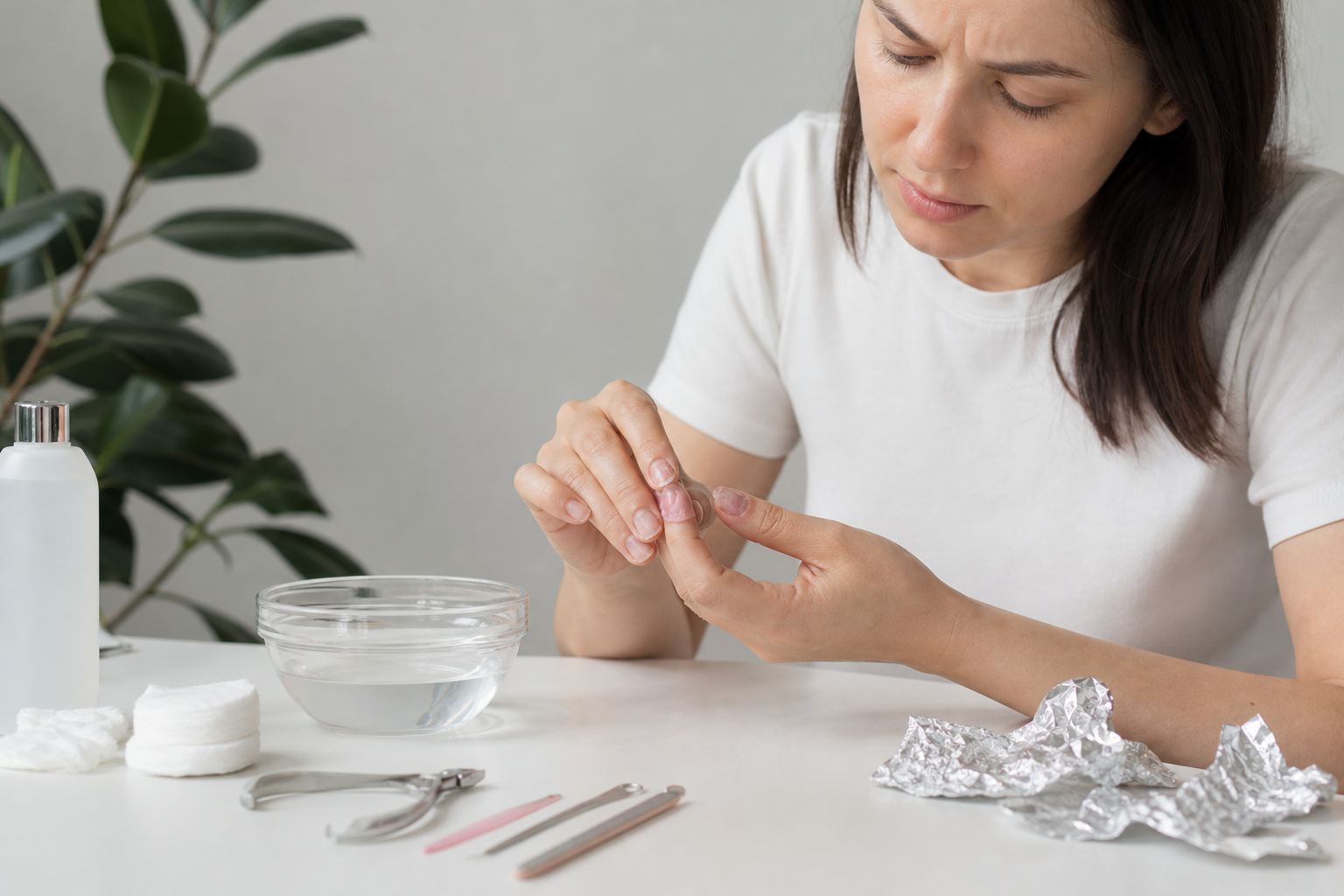
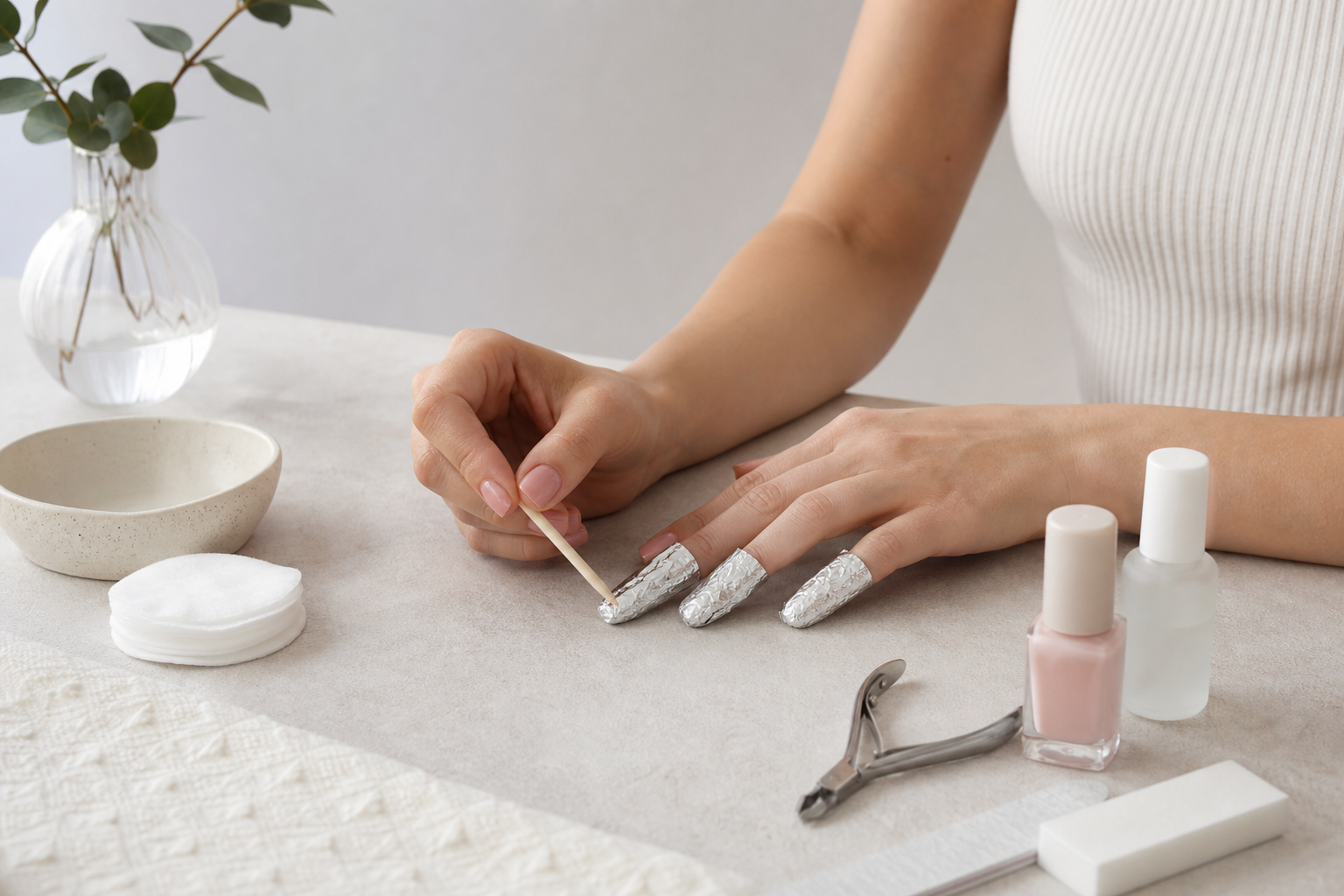
One widely adopted salon approach involves soaking or wrapping fingertips with acetone-soaked cotton pads sealed under aluminium foil. This method ensures consistent acetone contact and prevents rapid evaporation, facilitating polymer softening within a 10-to-15-minute window. Upon readiness, the softened gel polish loosens enough to be carefully pushed off the nail plate using a rubber-tipped cuticle pusher, minimizing pressure and friction. Meticulous attention is necessary to avoid forceful scraping, which can cause micro-tears or nail delamination.
Alternatively, at-home removal kits mimic this process, often including acetone pads or specially formulated gel polish removers combined with foil wraps. Users must strictly follow the timing guidelines since insufficient soaking necessitates increased mechanical effort, whereas prolonged exposure risks undue dryness and fragility. Professional-grade acetone purity and product selection markedly influence results and safety; lower-quality products may contain irritants or ineffective solvents that increase adverse outcomes.
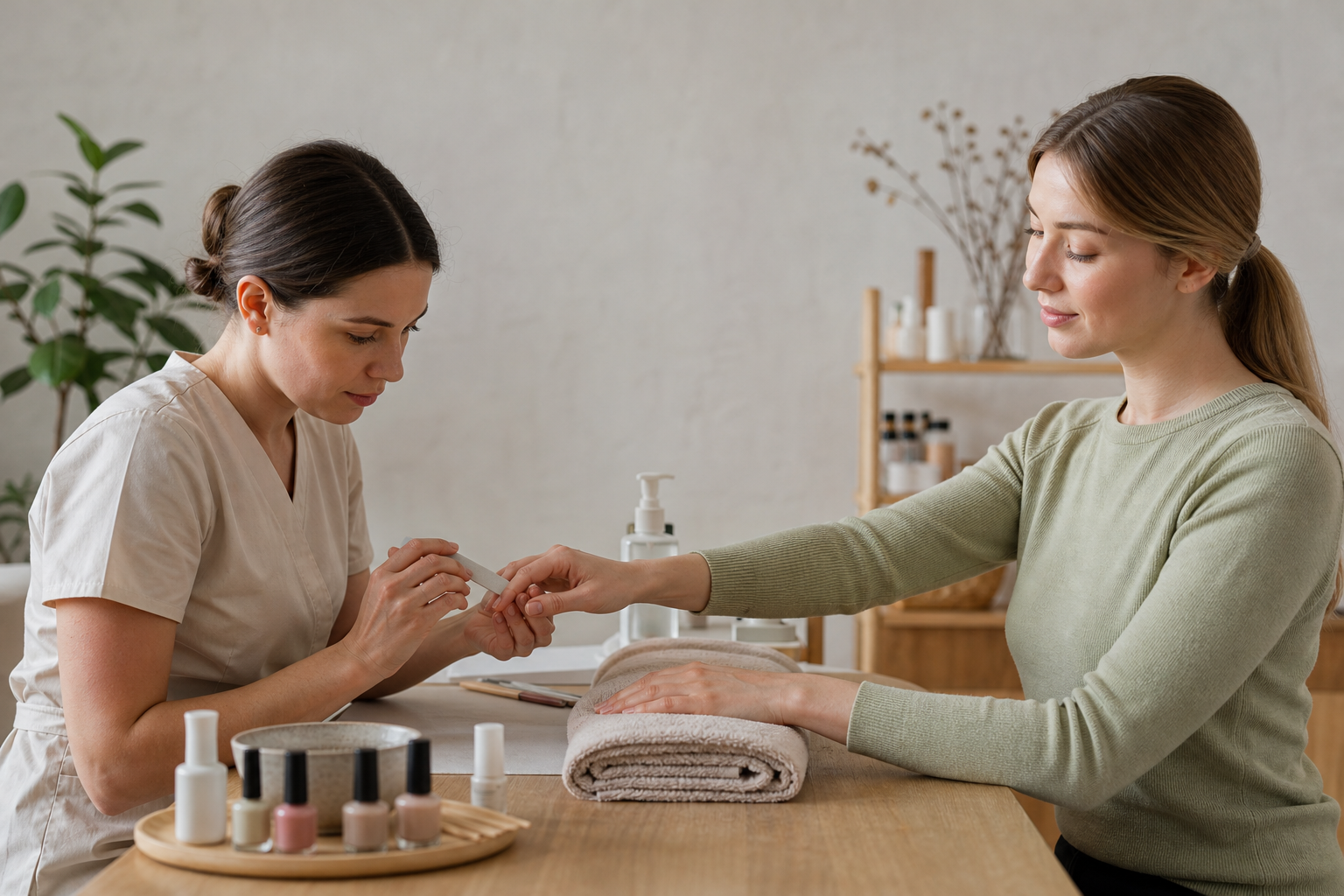
Some salons may employ electric nail drills or hand files to accelerate gel polish removal. While effective, these tools demand considerable skill to prevent overheating and excessive removal of the natural nail surface. Consequently, such methods are recommended only for trained technicians to mitigate irreversible nail damage.
Post-Removal Care for Nail Restoration and Strengthening
Nails emerging from gel polish removal require restorative attention to replenish moisture and promote structural integrity. Immediate application of moisturizing oils rich in vitamins A, E, and biotin supports keratinocyte health and cuticle flexibility. Oils like jojoba and almond provide an emollient effect that counters the dehydrating impact of acetone exposure.
In addition to topical hydration, refraining from immediate reapplication of gel polish or other nail treatments for 7 to 10 days creates a vital recovery window for the nail matrix and plate. During this interval, avoidance of harsh detergents or prolonged water exposure is advised; when unavoidable, gloves should be worn to shield nails from further weakening.
Supplementary use of nail strengtheners containing keratin, calcium, or protein complexes can accelerate regeneration by reinforcing vulnerable areas. These treatments should be chosen with attention to individual nail conditions and allergies.
Equally important is maintaining overall hand skin health through regular moisturizing and gentle exfoliation of dead skin cells to prevent cuticle overgrowth and promote a balanced microenvironment conducive to healthy nail growth.
Recognizing Potential Risks and When to Consult Specialists
While following recommended protocols generally safeguards nails, some situations necessitate professional evaluation. Signs such as persistent redness, swelling, pain, or signs of infection around the nail folds should prompt consultation with a dermatologist or qualified nail technician. These symptoms may indicate paronychia or other inflammatory conditions that require medical intervention.
Severe nail thinning, splitting, or chronic brittleness after gel polish removal may reflect underlying sensitivity or allergic reactions to product components. A specialist can ascertain the cause and recommend alternative treatments or preventive strategies to avoid long-term damage.
Furthermore, individuals with pre-existing nail disorders, such as psoriasis or onychomycosis, should exercise caution and seek expert advice before undertaking gel polish application or removal, as these conditions can complicate the response to chemical treatments.
Optimizing Product and Tool Selection to Enhance Nail Safety
Quality of products used during gel polish removal exerts a profound influence on nail health outcomes. High-purity acetone solvents devoid of impurities reduce irritation risks, while appropriate foil wraps effectively retain acetone without leakage or evaporation. Certified, high-grade cotton pads ensure even saturation and gentle contact with the nail surface.
Choosing appropriate abrasives, such as medium-fine grit files and buffers designed specifically for gel polish work, minimizes unintended abrasion. Professional removal kits often bundle matched components to streamline the process and prevent mismatched tools that can harm nails.
Emerging innovations in nail care, including enzymatic and phosphoric acid-based treatments, offer potential for less aggressive gel removal in the near future. These alternatives aim to reduce dependence on acetone solvents and mechanical scraping, aligning with growing interest in holistic and sustainable nail health practices.
Common Mistakes in Gel Polish Removal and Their Consequences
Several frequent missteps undermine nail integrity during gel polish removal. Chief among these is prematurely peeling or picking off gel polish layers without sufficient softening, which can strip protective keratin scales from the nail surface. Similarly, excessive filing or buffing prior to soaking compromises nail thickness and leads to increased fragility.
Neglecting nail and cuticle hydration before, during, or after removal further exacerbates dryness and brittleness. The cumulative effect often manifests as nails prone to cracking, splitting, or splitting longitudinally. Furthermore, ignoring recommended intervals between gel manicures prevents proper regeneration of the nail matrix, setting the stage for chronic damage.
At-home removal attempts without proper knowledge or use of inferior products expose users to heightened risks of allergic reactions, chemical burns, or infections. Hence, education and adherence to validated procedures are non-negotiable for minimizing harm.