Price guide: Dry Manicure: Timing, Technique, and Distinctive Features
Belgrade salons commonly price dry manicure: timing, technique, and distinctive features at RSD 1,000–3,300 for the salon service; the total changes particularly with the chosen technique, the condition of the natural nails and the finishing material. Removal of existing product, extra length and nail art may be charged separately. This November 2026 range is an indicative local-market guide because each salon sets its own price list.Dry manicure is a specialized nail care technique that eschews the traditional use of water in favor of dry formulations and precise tools to maintain nail health and enhance aesthetic outcomes. Unlike classic methods that involve soaking the hands in water to soften the cuticles and skin, dry manicure prioritizes minimizing moisture exposure to preserve the natural hydration balance of the nails and cuticles. This approach appeals to those seeking not only a flawless, long-lasting finish but also a hygienic and skin-friendly treatment that supports the resilience of soft tissue around the nails.
This method is particularly valuable for individuals with delicate, fragile nails, or sensitive skin prone to dryness or infections. It offers a safer alternative to water-based manicures, which can sometimes lead to excessive drying or create environments conducive to bacterial and fungal growth. For clients investing in gel or semi-permanent polish, dry manicure contributes to extended durability of these applications by preventing moisture-related lifting or peeling.
Understanding the nuances of dry manicure is essential for users, nail technicians, and dermatology professionals alike. Within the broader context of manicure and nail care, this technique plays a critical role in modern beauty routines, merging aesthetic refinement with clinical safety. Detailed knowledge about timing, specific techniques, benefits, limitations, and when to seek professional guidance enables informed decisions and promotes better nail health outcomes.
Fundamental Principles and Differentiators of Dry Manicure
At its core, dry manicure diverges from traditional manicure methods primarily through the minimization or elimination of water during the procedure. By avoiding water immersion, it protects the nail’s natural lipid barrier and prevents skin maceration. The process involves the use of specialized products such as oil-based exfoliants, creamy softeners, and liquid cuticle removers designed to gently loosen and condition the cuticle without introducing moisture.
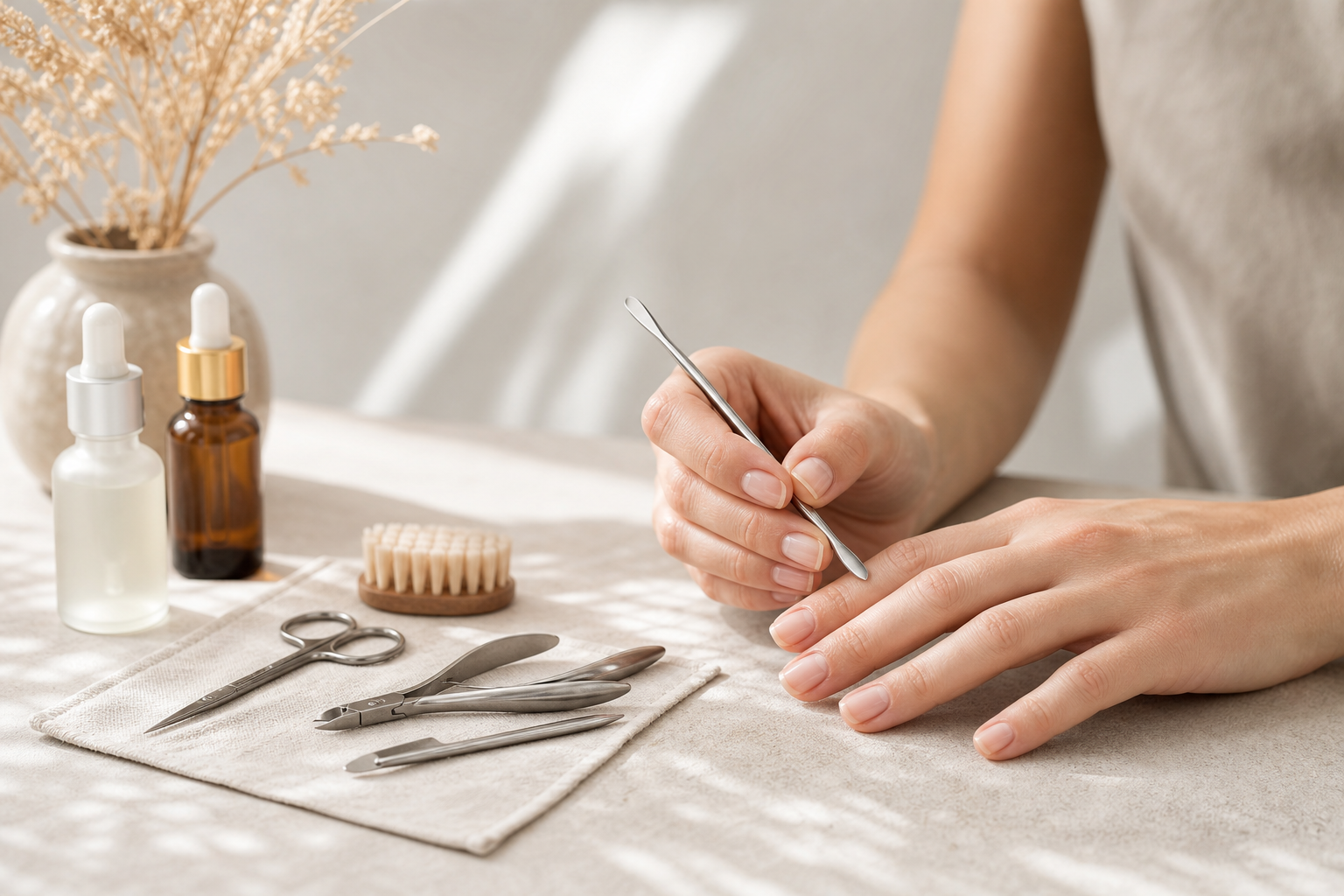
Specially tailored tools complement the dry method—precision ceramic sticks, finely graded nail files, and gentle brushes replace typical soaking and pushing techniques. This precision reduces mechanical trauma to the nail plate and surrounding skin, decreasing the risk of micro-injuries that can serve as entry points for pathogens.
Moreover, the dry approach enhances cleanliness and infection control by reducing persistent dampness that typically fosters microbial proliferation. The lack of prolonged water contact also helps maintain the nail's natural texture and color, preventing the whitening or swelling that may accompany soaking. Consequently, dry manicure becomes a preferred option in professional environments where hygiene is paramount and client safety requires stringent attention.
Target Clientele and Ideal Use Cases for Dry Manicure
Dry manicure is particularly suited for individuals with a range of specific nail and skin characteristics. Those with brittle, splitting nails find dry manicure beneficial because it preserves moisture levels without overhydrating, which can paradoxically weaken the nail plate. People experiencing chronic dryness or sensitivity around the nail bed, including eczema or psoriasis sufferers, may also find this method reduces irritation and inflammation compared to traditional wet treatments.
Another distinct group includes professionals who regularly expose their hands to harsh chemical substances or frequent hand washing, which gradually strips the skin and nail of protective oils. Such individuals gain from dry manicure’s protective qualities that help restore and maintain the natural skin barrier.
Additionally, individuals with ongoing artificial nail enhancements, such as gel or dip powders, benefit as dry manicure minimizes the risk of premature lifting by avoiding water infiltration under the artificial layers. Those fearful of allergic reactions to preservatives and additives in aqueous solutions may prefer the dry method, which often utilizes hypoallergenic and organic formulations with fewer irritants.
The Detailed Procedure of Dry Manicure: Step-by-Step Execution
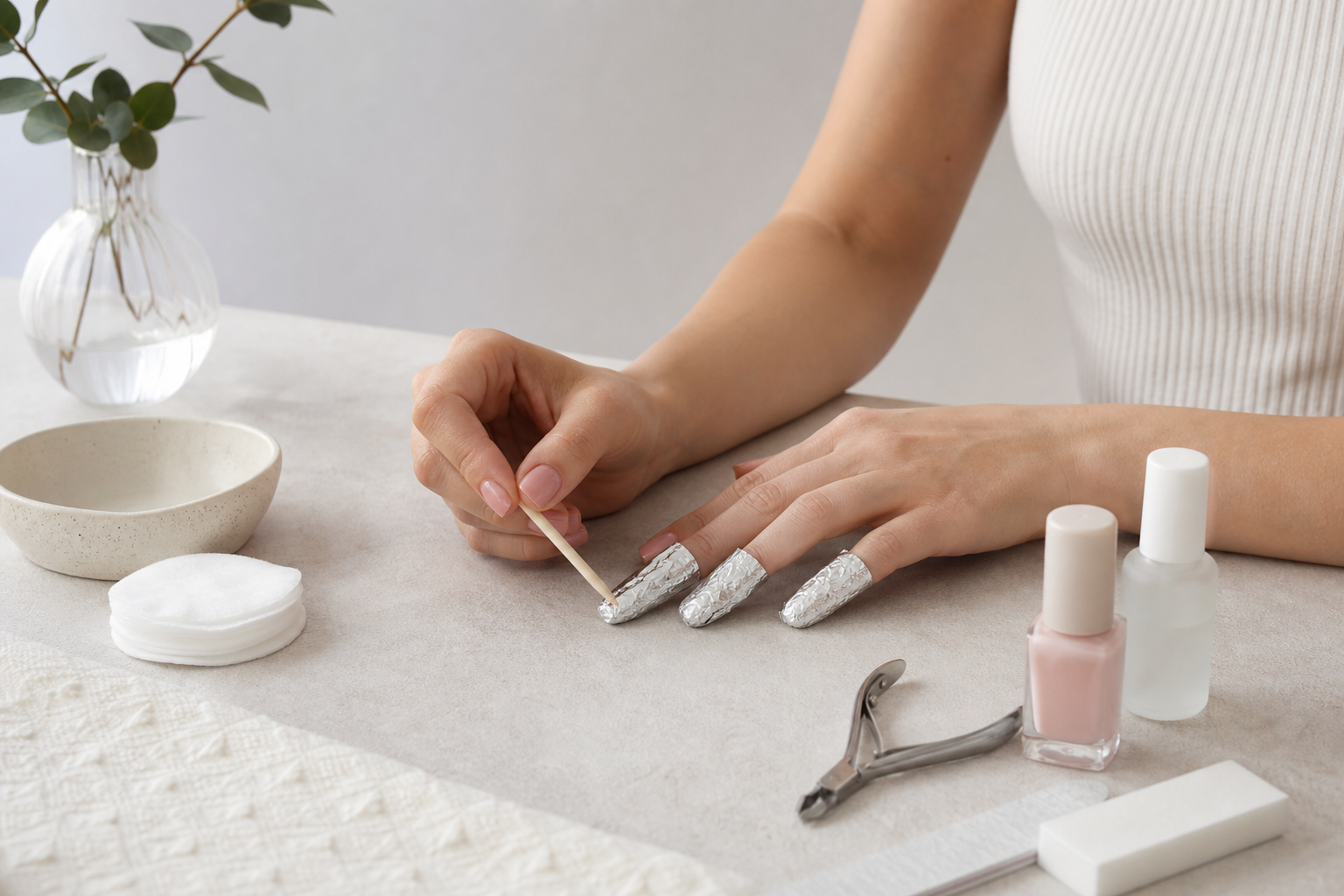
Executing a dry manicure requires a meticulous stepwise approach beginning with thorough sanitization and preparation. Sterilized equipment must be ready, and the hands are wiped clean with an antimicrobial agent to prepare the nail area without moisture exposure. The technician then applies an oil-based or cream exfoliant to soften the cuticle area, massaging lightly to aid in loosening dead skin cells.
Once the cuticles are sufficiently softened, a series of precise instruments such as cuticle pushers made of ceramic or plastic are used to gently dislodge excess cuticle without scraping or cutting. Debris and loosened skin are carefully removed using soft brushes or lint-free cloths. Unlike classic soaking, there is no swelling of the surrounding skin, maintaining tight, healthy margins.
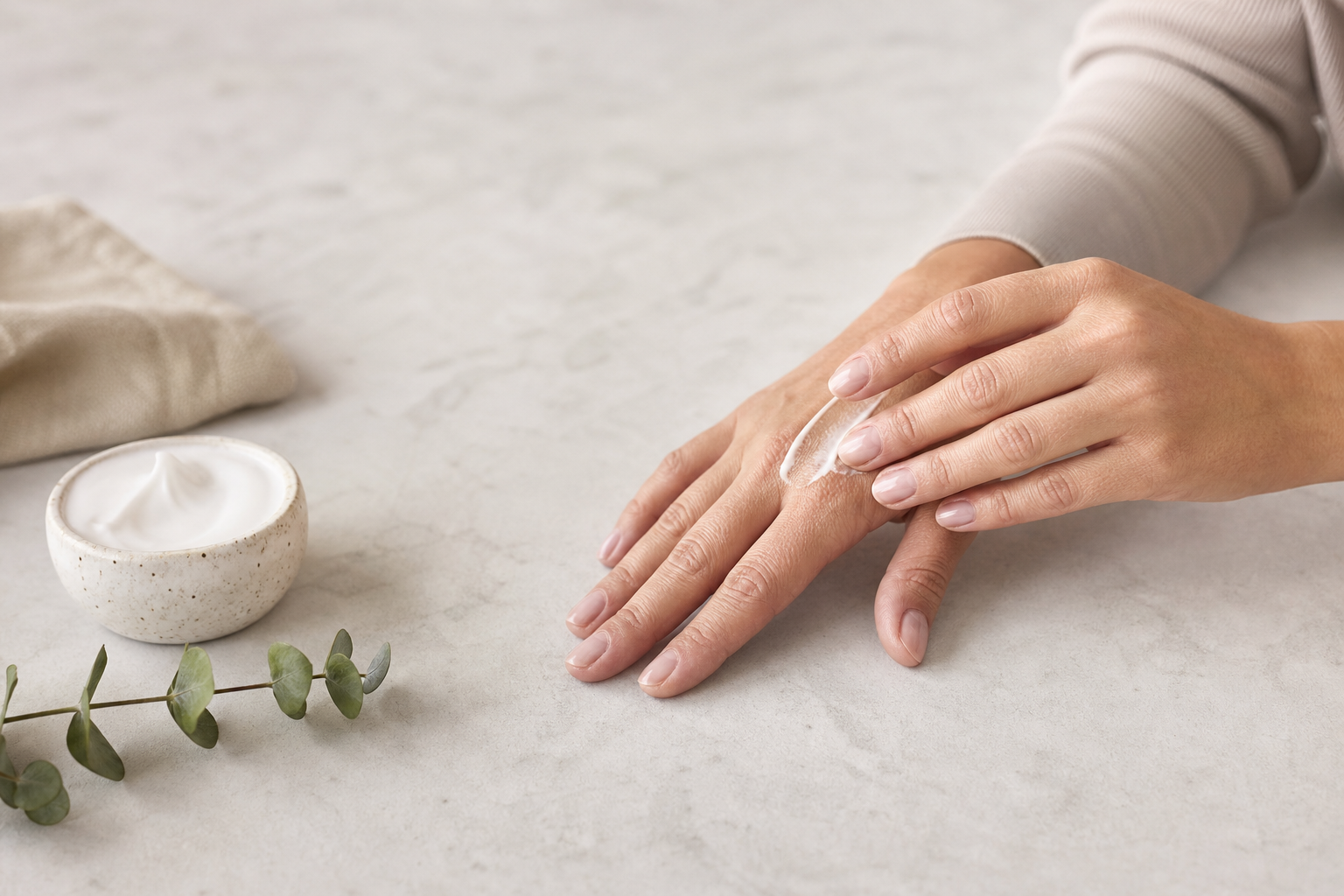
The nails are then shaped with ultra-fine emery boards or buffers selected for their ability to smooth edges with minimal friction heat generation, which helps prevent micro-fissures. Treatments concluding the manicure typically include nourishing oils rich in vitamins and fatty acids designed to penetrate the cuticle and nail bed, replenishing moisture and reinforcing the natural barrier.
Should the client desire polish, the dry manicure provides an exceptional base as the absence of water eliminates a moisture barrier that might hinder polish adhesion. This increases the longevity of both regular lacquers and gel polishes and reduces the formation of bubbles or peeling during wear.
Safety Considerations and Limitations in Dry Manicure Application
Despite its advantages, dry manicure does not replace medical assessment when nail or skin abnormalities are present. Acute infections, open wounds, or inflammation around the nail folds require evaluation by healthcare professionals before proceeding with any cosmetic procedure. Similarly, hypersensitivity reactions to the oils or chemical agents used in dry formulations may necessitate patch testing or alternative natural products.
Clients with severely dehydrated nails or skin may need customized treatment plans that integrate moisture to balance dryness, as strict avoidance of water could sometimes exacerbate symptoms. Furthermore, individuals with implanted medical devices such as pacemakers should disclose this information due to potential contraindications related to UV or LED lamps sometimes employed for curing gel products during the manicure.
Maintaining strict hygiene standards and using disposable or adequately sterilized tools remain paramount to prevent inadvertent transmission of pathogens, regardless of the water-free environment. The choice of products also plays a crucial role; formulations should be free from harsh irritants or allergens to safeguard sensitive cuticles and skin.
Comparative Aesthetic Benefits and Endurance of Dry Manicure Results
One standout feature of dry manicure is its capability to sustain the health and appearance of nails over extended intervals. By preserving the nail plate’s integrity and minimizing peeling or chipping of polish, the technique yields results that remain fresh and natural-looking for longer than water-based alternatives. Clients consistently report a glossy, resilient finish with less susceptibility to cracking or dulling.
Notably, the technique supports maintenance of nail pigmentation and translucency, avoiding the yellowing or brittle texture sometimes provoked by repeated exposure to soaking and harsh chemical agents in traditional manicures. From an aesthetic viewpoint, dry manicure facilitates grooming that appears meticulous and polished but retains the nail’s innate character and strength.
This durability is particularly advantageous for individuals who demand frequent manual performance or special occasion readiness without the inconvenience of rapid polish deterioration, enabling a better cost-to-benefit ratio over time.
Integrating Dry Manicure Into Comprehensive Nail Care Practices
Dry manicure serves effectively within a broader regimen of nail care, often complementing other therapeutic and cosmetic modalities. When combined with periodic hydration therapies, protective varnishes, or medical treatments for onychodystrophies, it can form part of a holistic approach suitable for diverse client needs. For example, post-dry manicure application of nutrient-rich serums or masks further elevates the restoration and maintenance of nail and cuticle health.
Combining dry manicure with other specialized procedures—such as spa treatments, gentle exfoliation, or nail strengthening regimens—can provide synergistic benefits, optimizing both immediate appearance and long-term resilience. It also affords flexibility to customize routines based on seasonal changes, occupational exposures, or individual sensitivities.
Technicians skilled in dry manicure techniques are valuable collaborators in managing clients’ nail health over time, tailoring interventions to evolving conditions without sacrificing safety or quality.
Guidelines for Selecting Professional Services Specializing in Dry Manicure
Choosing the right salon and technician is critical to safely and effectively experience the benefits of dry manicure. Prospective clients should seek establishments boasting rigorous sanitary protocols, transparent service descriptions, and demonstrable expertise in dry nail care techniques. Verification of professional credentials and training in this precise method can often be obtained through consultation or salon material.
Evidence of high-quality practice includes the use of certified hypoallergenic products, single-use implements or thorough sterilization routines, and attentive client education on pre- and post-care. Reading client testimonials and viewing portfolios of work performed provide insight into the technician’s proficiency and aesthetic sensibility.
While cost is a consideration, it should not supersede safety and quality standards. Investing in an experienced professional reduces risks of complications and ensures that the client’s nail health and appearance are prioritally managed.