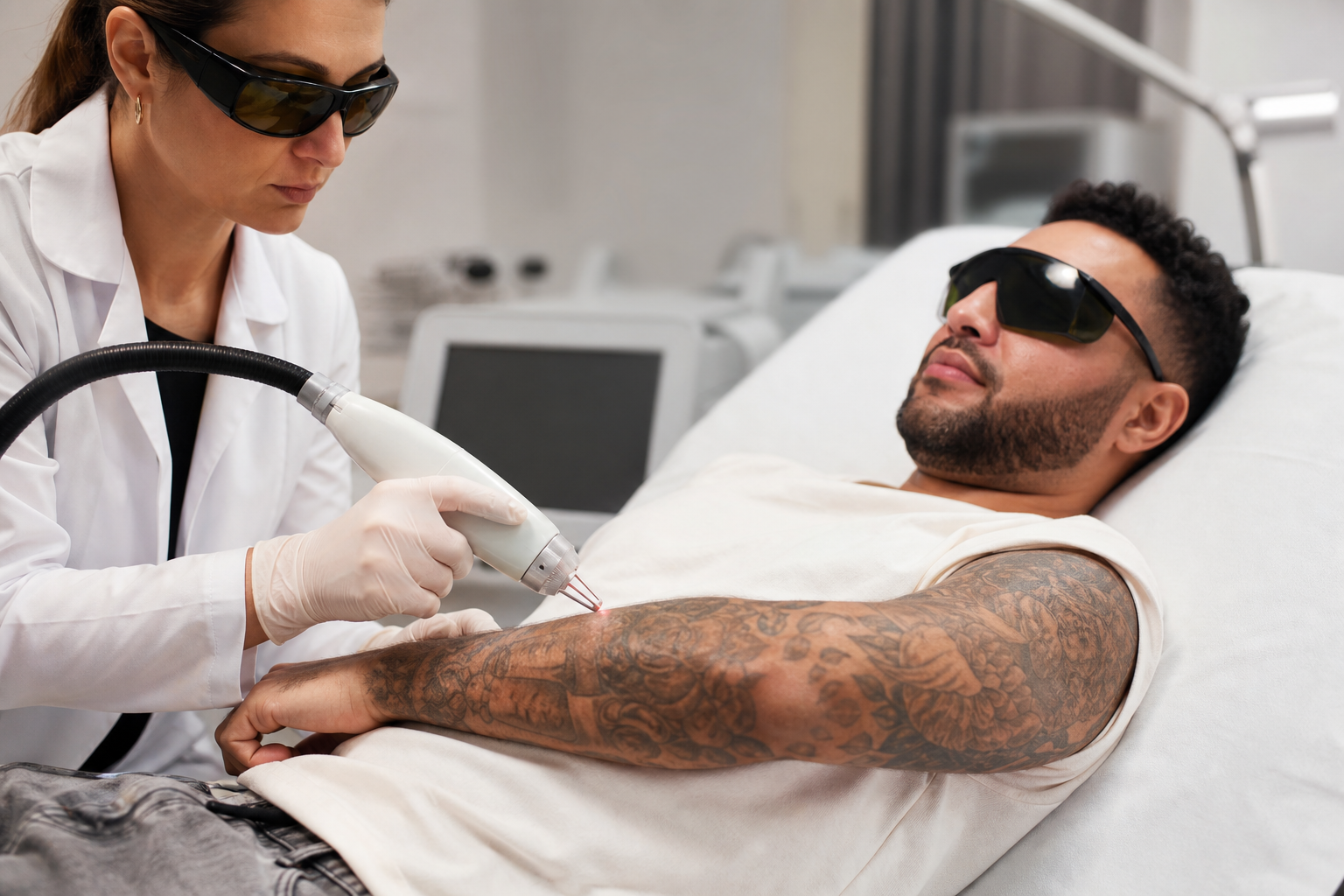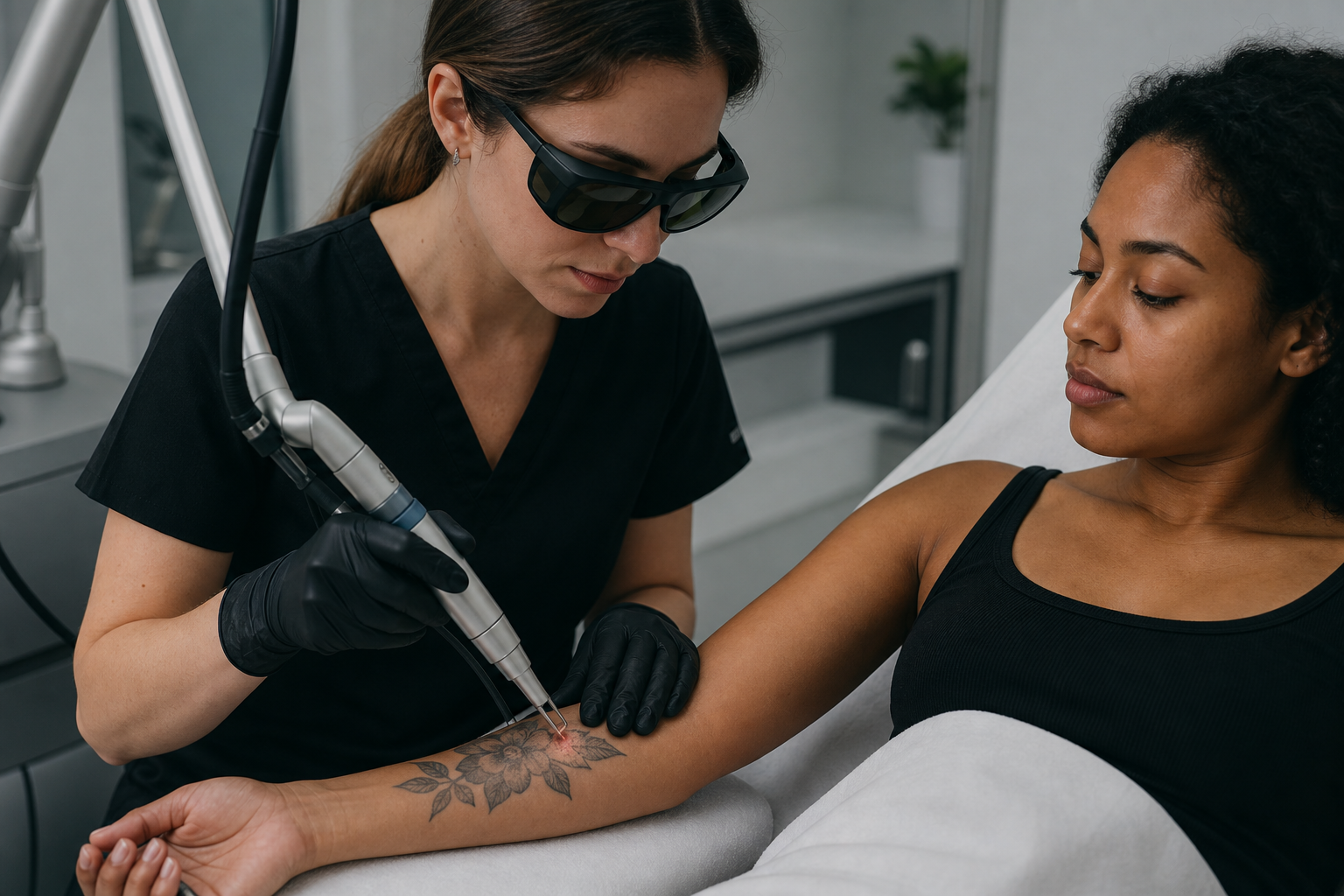
In recent years, laser tattoo removal has emerged as a popular option for those seeking to erase unwanted body art safely and effectively. Yet, despite advancements in laser technology, one factor remains pivotal to ensuring both the success and safety of tattoo removal procedures: the experience of the practitioner performing the treatment. This editorial explores the vital reasons why practitioner experience profoundly impacts the safety of laser tattoo removal, emphasizing how expertise shapes risk management, patient outcomes, and post-treatment care.
This topic bears considerable importance not only for patients contemplating tattoo removal but also for professionals in dermatology and cosmetic medicine. Laser tattoo removal is a complex procedure demanding more than just technical operation of devices; it requires nuanced understanding of skin biology, pigment chemistry, laser physics, and individual patient factors such as skin type and prior conditions. Patients entrusting their skin health to practitioners without sufficient knowledge or experience run the risk of adverse reactions, including injury, pigment changes, or scarring.
Understanding why practitioner experience affects safety enables informed decisions: clients can choose qualified experts and prepare adequately, while clinicians recognize the scope of training and caution necessary. This article delves into the multifaceted aspects of experience — from technical skill and clinical judgment to patient communication — that collectively ensure laser tattoo removal is both effective and safe, with a focus on high-risk groups such as individuals with darker or tanned skin tones.
What Technical and Clinical Knowledge Should a Laser Tattoo Removal Specialist Possess?
At its core, laser tattoo removal is a medically-oriented procedure rather than a simple cosmetic service. Skilled practitioners must command a comprehensive understanding of laser technologies available, their physical interactions with skin and tattoo pigments, and the biological responses they trigger. Different laser types — such as Q-switched Nd:YAG, Alexandrite, or PicoSure lasers — emit wavelengths that target specific pigment colors. Selecting the appropriate laser, along with setting parameters like energy fluence, pulse duration, and repetition rate, requires technical proficiency sharpened through experience.
Beyond device operation, in-depth knowledge of skin anatomy and physiology informs safer protocols. Experienced practitioners understand layers of the skin, patterns of blood flow, and variations in melanocyte distribution that influence how laser energy is absorbed and dissipated, reducing the risk of burns or pigmentary changes. They can also assess tattoo characteristics — including ink composition, depth, density, and age — to tailor treatments accordingly.
Moreover, practitioner expertise encompasses the recognition of patient-specific factors such as Fitzpatrick skin phototype, which categorizes skin by melanin content and sensitivity to UV exposure. Clients with darker or tanned skin, classified within higher phototypes, require customized treatment plans that mitigate potential complications like hyperpigmentation or hypopigmentation. Experienced clinicians will implement graduated treatment intensities and extend intervals between sessions to facilitate skin recovery.
Crucially, effective communication skills are a hallmark of an experienced practitioner. They provide clear pre-treatment briefings about expected outcomes, potential side effects, and post-care routines, setting realistic patient expectations and empowering safer self-care. This holistic approach integrates technical mastery with patient education, foundational elements for ensuring safety.
How Does Practitioner Experience Improve the Identification and Prevention of Risks?
Risk evaluation in laser tattoo removal begins long before the first laser pulse. Seasoned practitioners conduct meticulous pre-treatment assessment, examining the patient’s skin condition, tattoo characteristics, and medical history to uncover factors predisposing to adverse reactions. This process involves visual and sometimes dermoscopic inspection of the treatment area, alongside queries regarding prior allergies, photosensitivity, or skin diseases.
Experience equips the clinician with the ability to discern subtle signs that novice operators might overlook. For instance, slight textural changes or pigmentation irregularities can signal underlying skin vulnerabilities. Understanding these nuances allows for adjustments in laser settings or postponement of treatment until the skin stabilizes.
During the procedure itself, an adept practitioner monitors skin responses vigilantly. Immediate reactions such as whitening of the tattooed area or mild erythema inform on the adequacy of laser dose. If excessive tissue injury manifests — indicated by blistering or persistent pain — the experienced operator halts treatment to minimize damage. This dynamic assessment reduces risks of burns, scarring, and pigmentation abnormalities.
In cases where unexpected side effects arise, knowledgeable clinicians can promptly differentiate between transient, normal inflammatory responses and signs necessitating medical intervention. They are prepared to initiate first-line management — such as topical corticosteroids or cold compresses — or refer patients to dermatologists for advanced care. This proactive approach diminishes complication rates and fosters patient safety.
Why Are Persons with Darker or Tanned Skin Particularly Vulnerable to Complications, and What Precautions Should Be Taken?
The presence of higher melanin concentration in darker and tanned skin introduces unique challenges in laser tattoo removal. Melanin itself absorbs laser energy, raising the possibility of unintended thermal injury to healthy skin cells. This predisposition can lead to pigmentary disturbances, including hyperpigmentation (dark spots) or hypopigmentation (light spots), which may persist for months or become permanent.
Furthermore, excessive inflammation from laser exposure increases the risk of scarring in these populations. The balance between effectively breaking down tattoo ink and preserving skin integrity is delicate and demands refined judgment from the practitioner.
Experienced clinicians deploy several strategies to reduce hazards in darker or sun-exposed skin. Paramount among these is the selection of laser parameters suited to such phototypes: utilizing wavelengths less absorbed by melanin, reducing energy density, and prolonging intervals between treatment sessions to enable adequate healing. Additionally, pre-treatment protocols may include advice on sun avoidance and application of barrier creams to minimize photosensitivity.
Only practitioners well-versed in these considerations can confidently extend safe treatment to these higher-risk groups. Patients with darker or tanned skin should insist on consultation with certified experts familiar with these nuances to mitigate potential adverse consequences.
What Skin Reactions Are Common After Laser Tattoo Removal and How Can They Be Distinguished from Complications?
Post-treatment skin reactions range from benign, transient effects to manifestations indicative of complications. Common expected responses include localized redness, mild swelling, tenderness, and slight itchiness at the treatment site. Some patients observe temporary blistering or crust formation, which generally subsides without intervention as part of skin exfoliation and regeneration.
These reactions typically resolve within days to a few weeks and denote an active healing process. Educating patients about these normal signs helps alleviate anxiety and encourages compliance with aftercare instructions.
Conversely, certain symptoms warrant prompt medical evaluation. Intensified or spreading swelling beyond the treated area, severe pain, signs of infection such as pus or increased warmth, persistent discoloration, or ulceration should raise concern. Such developments may require antibiotic therapy, topical or systemic corticosteroids, or specialized dermatological treatment to prevent lasting damage.
Practitioners’ ability to differentiate between routine post-laser effects and early signs of complications is indispensable. They provide crucial guidance regarding when patients should seek further assessment, thereby preventing progression of adverse outcomes.
Why Is Consulting a Dermatologist Prior to Laser Tattoo Removal Recommended?
Dermatological evaluation serves as a foundational step before undertaking laser tattoo removal, particularly for patients with complex skin histories or elevated risk factors. A dermatologist's expertise enables comprehensive skin examination, identification of conditions contraindicating laser therapy, and tailored advice on procedural timing and alternatives.
This preemptive consultation can uncover issues such as active skin infections, autoimmune skin diseases, recent sunburns or tanning, or history of keloid scarring, which if unaddressed could result in poor outcomes or complications. Dermatologists may also perform patch testing for photosensitivity or recommend pre-treatment topical preparations to enhance safety.
Furthermore, dermatologists collaborate with laser specialists in complex cases, contributing to interdisciplinary care plans that optimize individual patient safety. Patients with darker skin tones, recent sun exposure, or previous adverse reactions especially benefit from dermatology-guided protocols.
How Do Prevention and Post-Treatment Care Practices Enhance the Safety of Laser Tattoo Removal?
Preventative measures and thorough post-treatment care amplify the safety profile of laser tattoo removal by fostering optimal healing environments and minimizing risks. Experienced practitioners educate patients about necessary precautions before treatments, such as avoiding sun exposure, discontinuing photosensitizing medications, and maintaining skin hydration.
Following laser sessions, adherence to recommended skin care regimens — including gentle cleansing, application of prescribed topical agents, and strict sun avoidance with broad-spectrum sunscreen — supports tissue recovery and decreases risks of pigmentary changes or infections.
Patients are also instructed in recognizing warning signs prompting prompt contact with healthcare providers, facilitating early management of complications. Practitioner follow-up appointments play a critical role in monitoring progress and tailoring subsequent sessions based on individual skin responses.
The cumulative effect of prevention, patient instruction, and attentive aftercare embodies a safety net refined through practitioner experience, underscoring why expertise is vital beyond the procedural moment itself.
What Should Patients Look For When Choosing a Laser Tattoo Removal Expert?
Selecting the right practitioner is foundational to the safety and success of tattoo removal. Patients should prioritize practitioners who offer verified credentials such as certifications from recognized cosmetic laser or dermatology boards and demonstrate substantial hands-on experience with diverse tattoo types and skin phototypes.
Inquiry into the practitioner’s facility standards — including equipment quality, hygiene protocols, and emergency preparedness — provides insights into the professionalism and safety culture of the practice. Reading verified patient reviews and seeking referrals add further assurance regarding expertise and care quality.
A competent specialist welcomes thorough patient questions, provides detailed explanations of treatment plans, risks, and expected outcomes, and respects informed consent principles. Transparent dialogue about contraindications and alternative options indicates a practitioner’s commitment to patient safety over commercial incentives.