Laser tattoo removal has emerged as a leading method for individuals seeking to erase unwanted body art safely and effectively. This sophisticated medical procedure leverages targeted laser technology to break down tattoo pigment beneath the skin, allowing the body to gradually eliminate the ink with minimal trauma to surrounding tissue. If you are contemplating removing a tattoo—whether due to evolving aesthetics, professional considerations, or personal reasons—understanding what happens during a laser tattoo removal session is invaluable. This insight can reduce apprehension, help in setting realistic expectations, and underscore the importance of individualized treatment protocols.
The process of laser tattoo removal is not a one-size-fits-all solution. It requires careful evaluation and customization to the individual’s skin type, tattoo colors, ink depth, and location. Medical professionals invest time to assess each case, often performing test spots before proceeding with full sessions. This practice helps predict the skin’s response and minimize risks such as color changes or scarring. Knowing what one can expect during the treatment—from preparation to the post-session care—empowers patients to engage confidently and safely in their tattoo removal journey.
This article is crafted for anyone pursuing knowledge about laser tattoo removal procedures, including patients preparing for treatment and healthcare practitioners seeking detailed insights. Here, we elucidate the step-by-step sequence of a typical laser tattoo removal session, the role of test spots, the personalized approach to different tattoo inks, possible side effects, and the critical factors influencing recovery. Emphasizing medically responsible information, we do not delve into device settings or offer DIY advice but focus on the requirements for a safe and effective clinical process.
What Is Laser Tattoo Removal and How Does It Work?
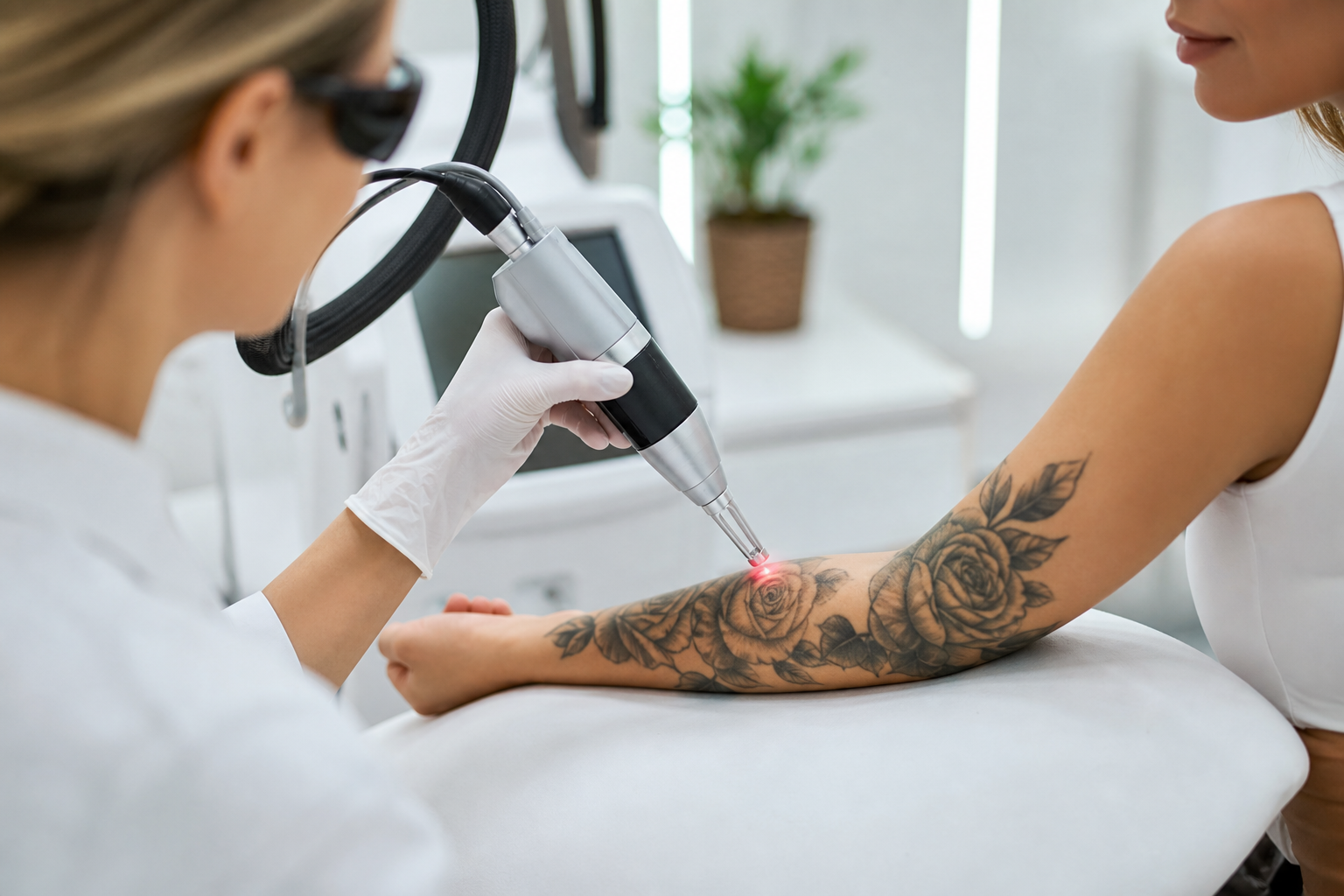
Laser tattoo removal is a medically supervised procedure employing specific laser wavelengths to target tattoo pigments embedded within the dermal layers of the skin. Unlike superficial skin treatments, tattoos reside deep under the epidermis, making their removal more complex. The laser emits controlled pulses of light energy that are absorbed selectively by the tattoo’s pigment particles. This high-intensity light causes the pigment to fracture into smaller fragments, which the body’s immune system then gradually processes and eliminates through the lymphatic system.
The choice of laser type and wavelength is critical and depends on the tattoo ink colors. For instance, black ink absorbs a wide spectrum of laser wavelengths effectively, whereas colored inks—such as green, blue, or red—may necessitate tailored laser settings or alternative technologies to ensure adequate pigment breakdown. Medical professionals utilize expertise and diagnostic tools to select the most appropriate laser for each case, aiming to maximize efficacy while preserving surrounding skin integrity.
Who Is a Suitable Candidate for Laser Tattoo Removal?
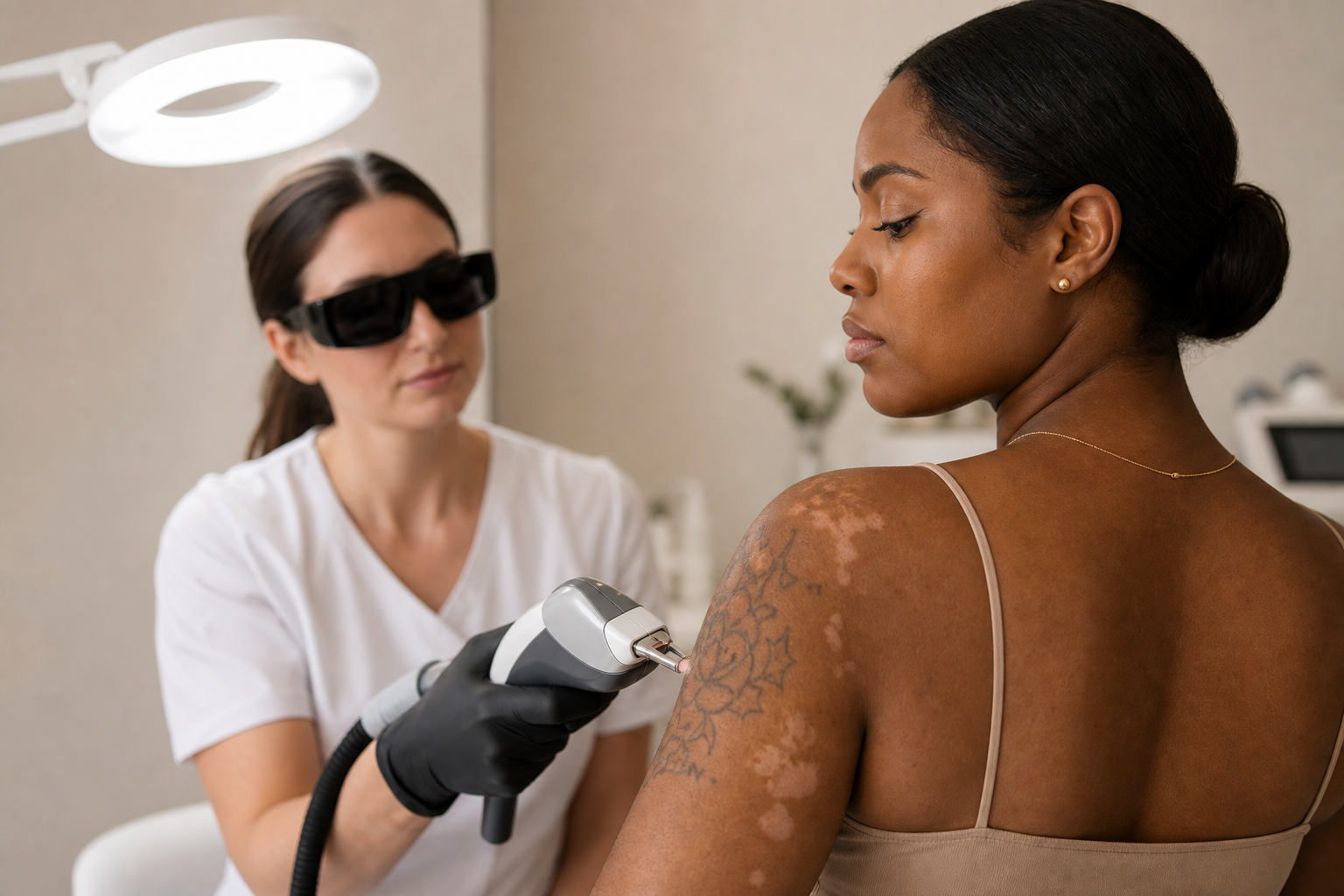
Laser tattoo removal is appropriate for most healthy adults seeking to fade or eliminate tattoos. However, candidacy depends on several factors including skin type, overall health status, tattoo characteristics, and the patient’s expectations. People with active skin infections, certain photosensitive conditions, or who are pregnant may be contraindicated for treatment. Additionally, individuals with darker skin tones require particularly cautious protocols to avoid pigmentary alterations.
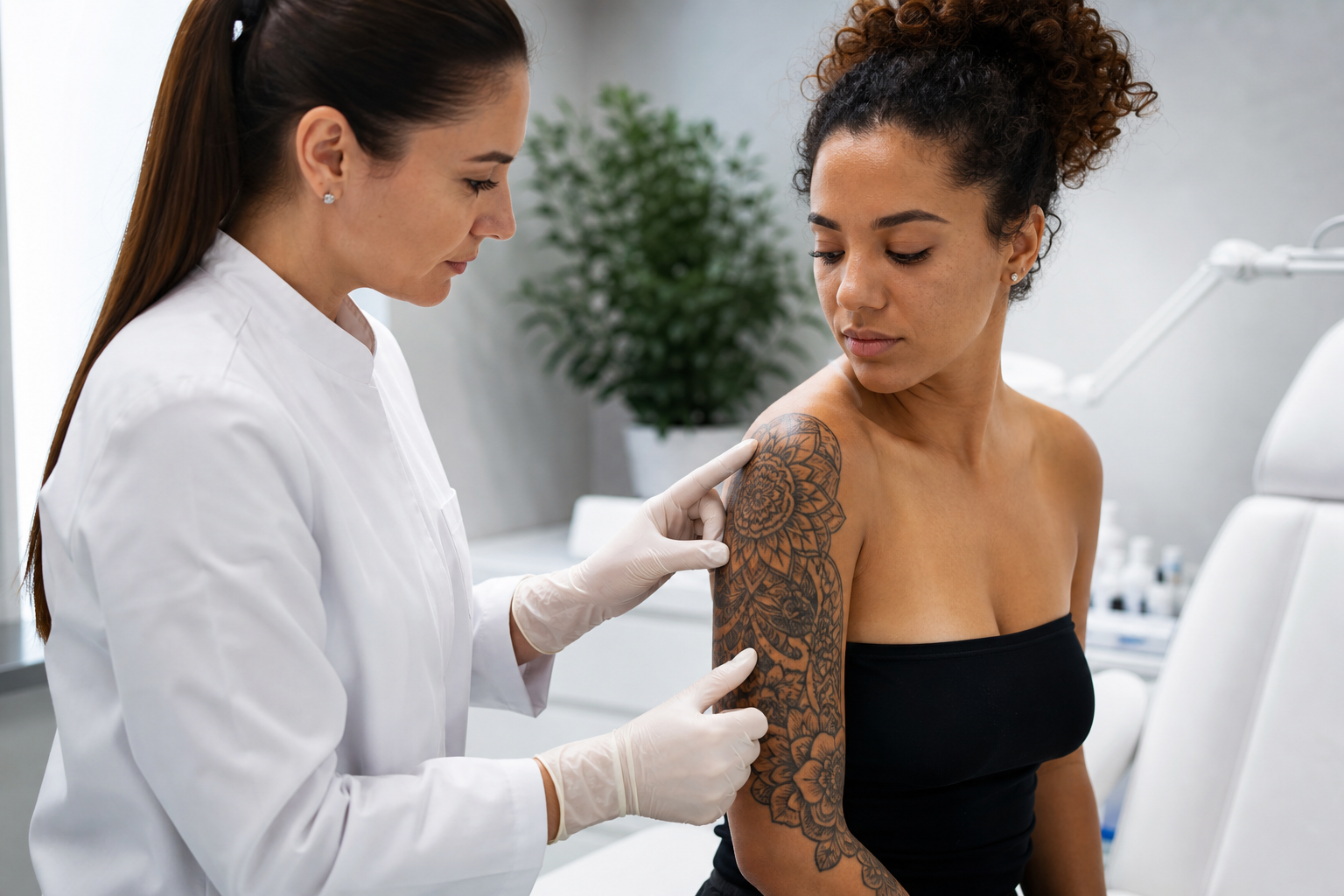
Prospective patients must undergo comprehensive evaluations prior to treatment, including detailed consultations that gather medical history, previous tattooing or removal attempts, and skin type assessment. This step ensures the chosen laser system and treatment plan suit the individual's unique circumstances while minimizing adverse outcomes.
Why Are Customized Protocols and Test Spots Essential?
One of the cornerstone elements of laser tattoo removal is the customization of treatment plans. Factors such as ink color composition, tattoo depth, and patient skin type influence laser parameters like wavelength, pulse duration, and fluence (energy density). To minimize risks—especially those related to unexpected pigment changes or skin injury—practitioners often perform a test spot on a small, discreet area of the tattoo.
The test spot serves multiple purposes. It allows assessment of the skin’s immediate reaction, determines the optimal laser settings, and gauges the pigment's responsiveness to light fragmentation. For tattoos with vibrant or rare inks, or in areas with sensitive skin, test spots are particularly crucial. They help avoid complications such as hypopigmentation (loss of skin color), hyperpigmentation (excess pigmentation), or scarring, which may occur if parameters are not carefully adjusted.
How Is a Laser Tattoo Removal Session Conducted?
A laser tattoo removal session typically begins with cleansing the targeted skin area to reduce infection risk and improve laser efficacy. Depending on the individual’s pain threshold and treatment area sensitivity, a topical anesthetic may be applied to numb the region. Some clinics also use cooling devices or air blasts to soothe the skin during the procedure.
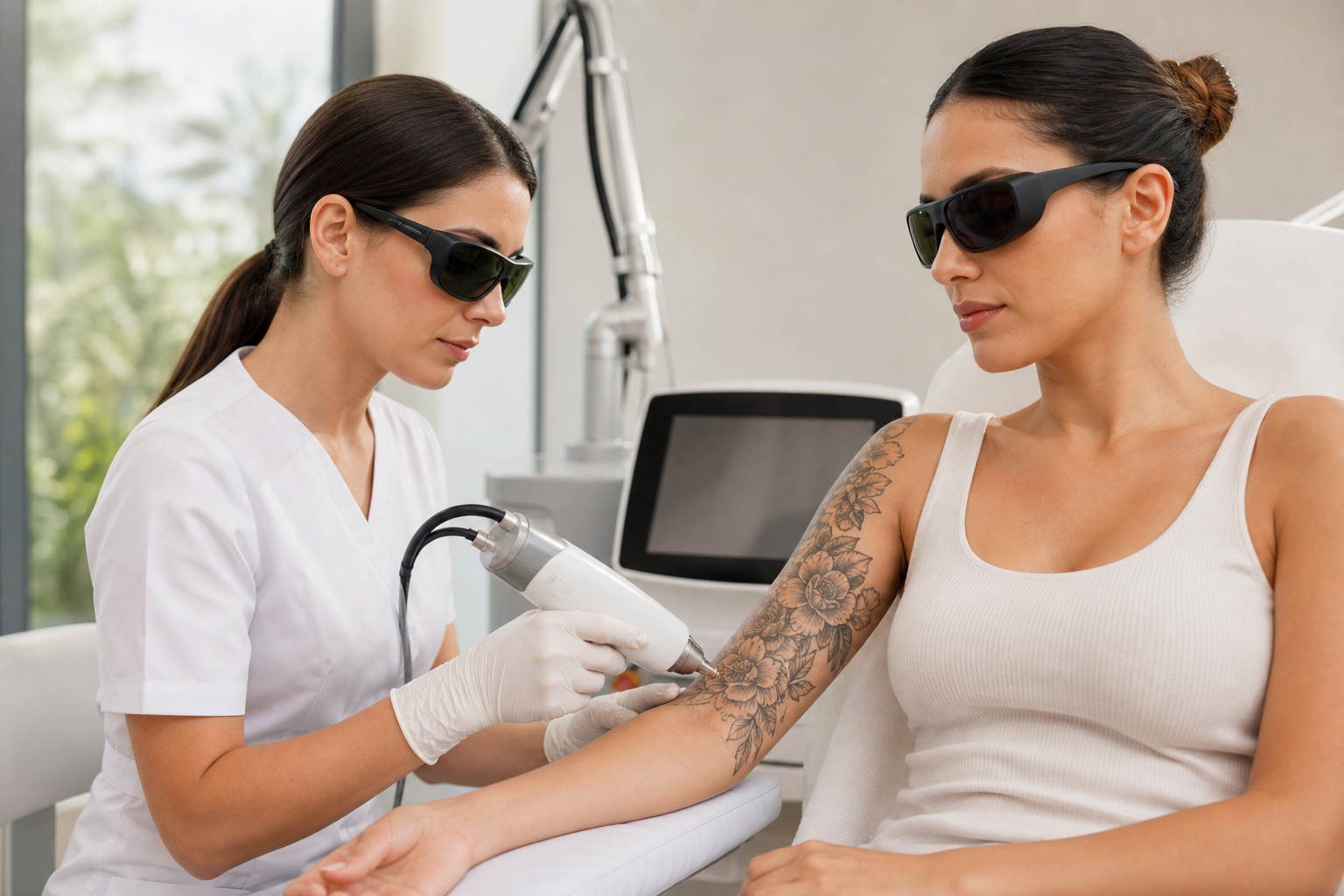
The practitioner then carefully positions the laser handpiece over the tattoo. Using the pre-determined settings established in consultation and test spots, the laser delivers rapid bursts of light energy to the ink. Patients often describe sensations akin to snapping rubber bands or mild stinging; however, discomfort is usually tolerable and transient.
Throughout the session, the clinician monitors skin responses attentively, making incremental adjustments as necessary. The duration varies depending on tattoo size and complexity but generally ranges from a few minutes to around an hour. Upon completion, an antioxidant or soothing cream is applied, and protective dressings may be recommended.
What Should Patients Expect Immediately After the Treatment?
In the aftermath of a laser tattoo removal session, the treated skin typically exhibits acute reactions including redness, swelling, and tenderness. These effects reflect the skin’s inflammatory response to laser-induced pigment breakdown and generally subside over one to three days. Minor blistering or crusting can occur in some cases, mirroring a superficial burn; this is usually self-limiting but requires proper care to avoid infection or scarring.
It is common for the area to darken temporarily—sometimes described as “frosting”—due to the laser’s impact on pigmented cells. Patients should avoid scratching or picking at the site and follow all post-treatment instructions diligently to promote optimal healing.
How Does Skin Recovery and Follow-up Proceed After Sessions?
Recovery involves supportive skin care to facilitate tissue repair and pigment clearance. Hydration, gentle cleansing, and sun protection are paramount. Patients are counselled to avoid direct sunlight and to apply broad-spectrum sunscreens with high SPF consistently, as the treated skin is more prone to UV damage and pigmentary disturbances.
Subsequent treatment sessions are typically scheduled at intervals of six to eight weeks. This spacing allows the body's natural processes time to eliminate the fragmented ink particles effectively. The number of sessions required varies based on tattoo size, colors used, ink depth, and individual physiological factors. Some tattoos may need 5 to 10 or more sessions for significant fading or removal.
What Are the Potential Risks and How Are They Mitigated?
Although laser tattoo removal is generally safe under expert supervision, some risks exist. These include changes in skin pigmentation—either hyperpigmentation or hypopigmentation—scarring, blistering, infection, and allergic reactions to pigment breakdown products. The likelihood of complications decreases substantially with individualized protocols, cautious test spots, and strict adherence to pre- and post-treatment guidelines.
Trained specialists assess skin type and tattoo characteristics meticulously and choose the safest laser settings accordingly. They also educate patients comprehensively about aftercare and signs of complications to ensure timely intervention if necessary.
What Role Does Sun Protection Play Throughout the Treatment Course?
Post-treatment skin is particularly vulnerable to ultraviolet (UV) radiation. UV exposure during recovery can exacerbate inflammation, lead to pigmentation abnormalities, and compromise cosmetic outcomes. Therefore, sun protection is essential not only immediately after sessions but also as a continuous measure for several months.
Patients should employ physical barriers such as wide-brimmed hats and protective clothing and use sunscreens formulated for sensitive or post-procedure skin. Strict sun avoidance and protection optimize healing and contribute positively to the long-term success of laser tattoo removal.
How Can Patients Prepare Effectively for Their Laser Tattoo Removal Session?
Preparation for laser tattoo removal encompasses medical consultation, adherence to skincare recommendations, and lifestyle adjustments. It is advised to avoid tanning, self-tanners, and photosensitizing agents for several weeks before treatment. Medications or supplements that may increase bleeding risk or interfere with healing should be disclosed to the clinician.
Hydrating and protecting the skin prior to treatment can enhance procedure tolerance and recovery. Arriving with clean, makeup-free skin ensures safety and efficiency. Patients should also mentally prepare for multiple sessions and potential gradual fading rather than immediate removal.