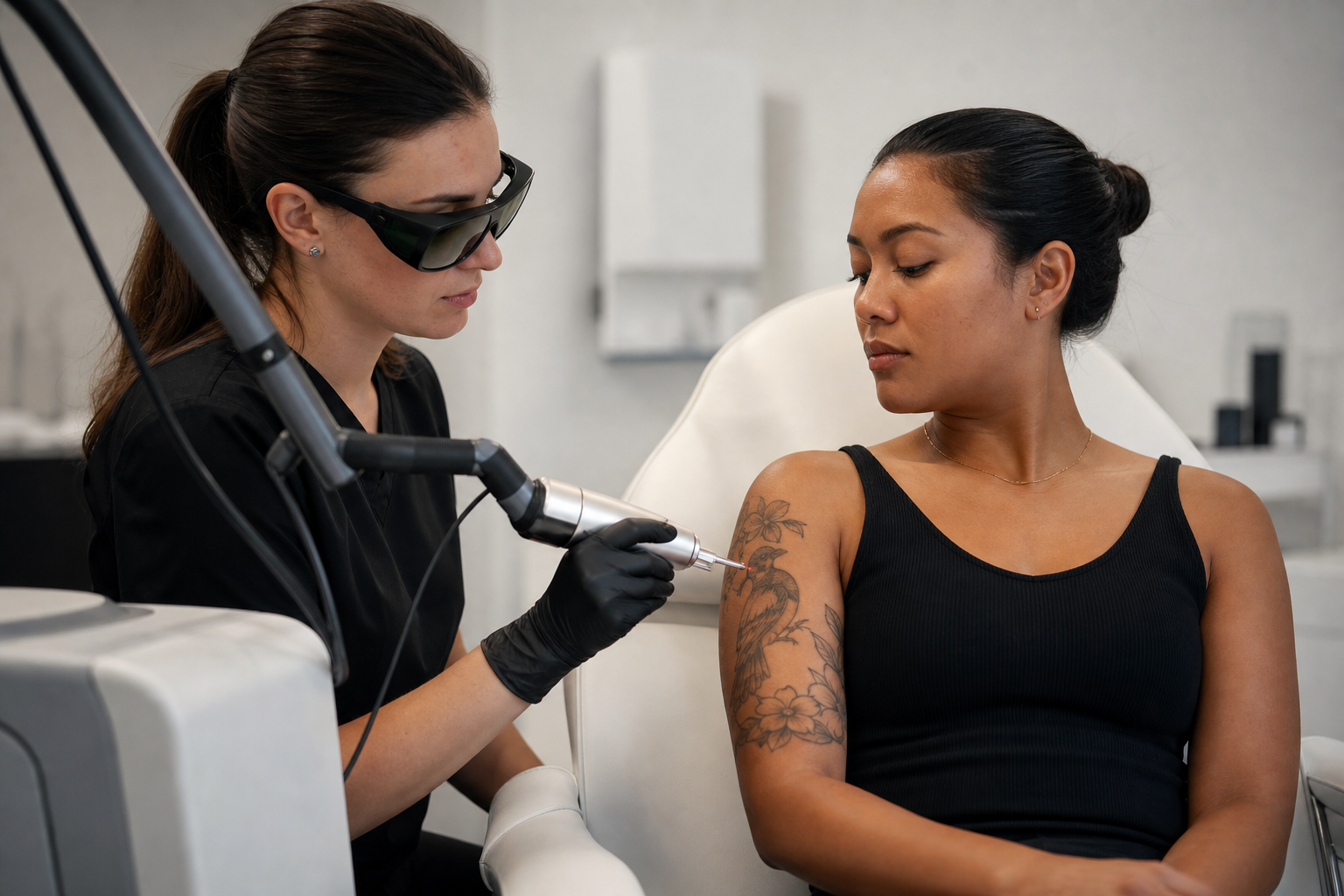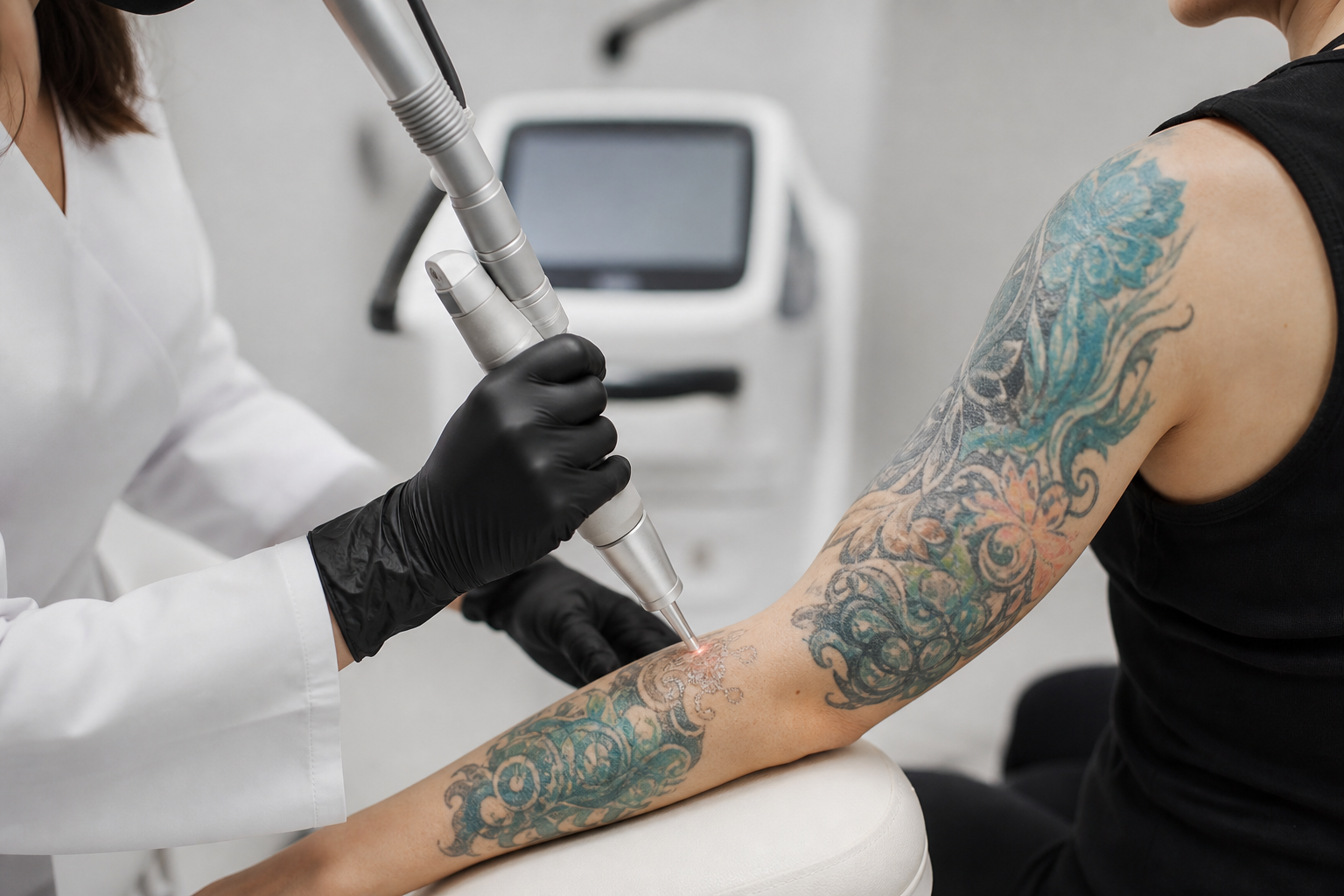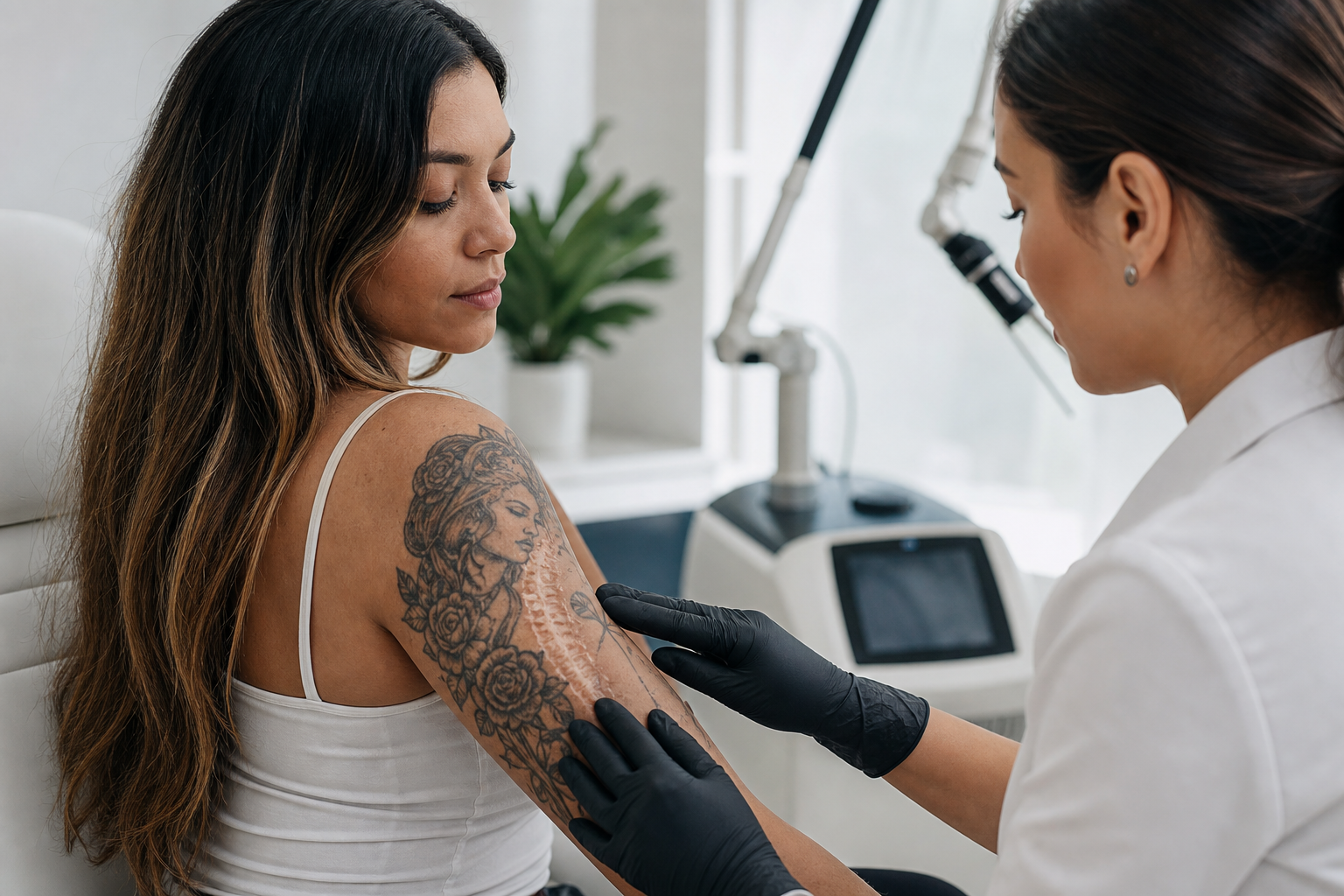
When considering advanced dermatological procedures such as laser tattoo removal, a comprehensive candidate assessment is paramount for ensuring both safety and efficacy. Among the myriad factors that influence this evaluation, the presence of existing scars on the skin emerges as a critical consideration. Scars, by altering the skin's natural architecture and pigment composition, present unique challenges that can significantly affect treatment outcomes and risk profiles.
This article is dedicated to individuals contemplating tattoo removal, healthcare professionals, and cosmetic specialists seeking a deeper understanding of how pre-existing scars impact candidate assessment. Recognizing the interplay between scar tissue and laser technologies helps tailor treatments, mitigates adverse events, and optimizes results, particularly for patients with darker or tanned skin types.
Understanding the ramifications of existing scars on laser interventions is crucial because scars differ markedly from normal skin in terms of texture, vascularization, and pigment distribution. These differences can affect laser energy absorption and subsequent skin responses. By exploring the nature of scars, their influence on laser tattoo removal, potential risks, preventive strategies, and timing considerations, we aspire to equip readers with a nuanced perspective vital for informed decision-making and clinical prudence.
What Are Scars and How Do They Form on the Skin?
Scars represent permanent alterations to the skin resulting from the natural healing process after injury, surgical procedures, inflammation, or other forms of trauma. The body repairs damaged tissue primarily through collagen synthesis; however, the collagen laid down in scar tissue is structurally distinct from that of healthy skin. This results in variations in texture, thickness, pigmentation, and elasticity.
Scars are classified into several types based on their appearance and formation mechanisms. Atrophic scars appear as indentations or depressions, commonly seen after acne or chickenpox. Hypertrophic scars are raised due to excessive collagen but remain confined within the injury boundary. Keloid scars extend beyond the original wound margins, characterized by overgrowth and can be challenging to manage. Pigmentation changes within scars can cause areas to appear either darker (hyperpigmentation) or lighter (hypopigmentation) than the surrounding skin.
The altered structural and functional properties of scar tissue include impaired microcirculation and modified immune response capacity. These changes influence not only the scar itself but also the way the skin responds to external therapies, such as laser treatments for tattoo removal.
Why Do Pre-existing Scars Alter Candidate Evaluation for Laser Tattoo Removal?
Laser tattoo removal operates through selective photothermolysis, where specific wavelengths of light target tattoo pigments, breaking them down into smaller particles that the immune system can subsequently clear. The presence of scar tissue affects this mechanism in several ways.
The collagen and elastin matrix within scars is restructured and denser, which influences how laser light penetrates and is absorbed. This can alter the efficiency of pigment fragmentation and complicate prediction of treatment response. Scars also generally have reduced vascularity, meaning there is less blood flow to support the immune clearance of pigment debris. This diminished clearance capacity may prolong the removal process or impair efficacy.
Additional factors affecting assessment include the location, age, and depth of the scar, as well as the patient's Fitzpatrick skin type—a classification denoting skin's reactivity to ultraviolet exposure. Older scars may have stabilized, while newer ones tend to be more sensitive. Similarly, keloid-prone individuals or those with darker skin tone may be at a higher risk of post-laser complications.
Therefore, accurate evaluation and customization of laser parameters, such as wavelength, pulse duration, and fluence, are necessary to accommodate the unique characteristics of scarred skin. This individualized approach minimizes adverse outcomes and enhances the likelihood of successful tattoo removal.
What Specific Risks and Adverse Effects Arise When Treating Scarred Skin?
Treating tattooed areas containing pre-existing scars presents several risks beyond those in unscarred skin. Common complications include post-inflammatory hyperpigmentation (PIH), hypopigmentation, exacerbation of scar tissue, and rare instances of ulceration or infection.
Hyperpigmentation, the darkening of the skin, is a particular concern for patients with darker or tanned skin. The melanin pigment in these individuals can overreact to laser energy, leading to increased melanin production or dispersion. Conversely, hypopigmentation or loss of skin pigment can occur when melanocytes—the cells responsible for melanin synthesis—are damaged.
Physical changes in the scar, such as thickening or irregular fibrosis, can also worsen following laser intervention. This is especially notable in hypertrophic and keloid scars, which are prone to exaggerated healing responses. Such adverse effects can result in aesthetic dissatisfaction and may necessitate additional treatments to manage.
Signs warranting immediate medical evaluation include persistent redness beyond the expected healing phase, swelling, intense itching, development of blisters or raw areas, and pronounced changes in skin coloration. Prompt attention to these symptoms allows for timely intervention and mitigation of complications.
How Can One Prepare and Ensure Safety When Treating Individuals with Scars?
Preparation starts with a meticulous clinical assessment encompassing detailed scar history, photographic documentation, and skin typing. Understanding the scar's age, type, location, and prior treatments enables clinicians to stratify risk. The Fitzpatrick skin type assessment guides laser parameter selection to reduce melanin-related risks—important for patients with darker skin where higher melanin levels may amplify side effects.
Customized treatment planning is essential. This involves choosing the appropriate laser system, fine-tuning energy settings, and determining treatment intervals that allow adequate healing time. Lower energy levels with more frequent, gradual sessions are often favored for scarred skin to avoid exacerbation.
Pre-treatment protocols might include topical agents that optimize skin condition, such as moisturizers or anti-inflammatory products, and strict avoidance of sun exposure. Post-treatment care is equally critical, emphasizing sun protection with high-SPF sunscreens, use of soothing formulations like aloe vera or hyaluronic acid, and close follow-up to monitor recovery.
Crucially, do-it-yourself attempts at laser treatments should be strongly discouraged, as unregulated use poses a significant danger, particularly on scarred and sensitive skin. Only trained professionals in certified clinics should conduct such interventions.
How Does Laser Tattoo Removal Function Across Various Skin and Scar Types?
The efficacy and safety of laser tattoo removal rely heavily on matching laser wavelength and pulse duration to the tattoo pigment and skin characteristics. Q-Switched lasers (such as Q-Switched Nd:YAG) and newer technologies like the PiQo4 laser have revolutionized treatment by delivering precise energy bursts that fragment ink particles while sparing adjacent tissues.
In scarred skin, laser delivery must be adapted to accommodate altered light scattering properties and tissue density. Different scar types respond differently; for example, atrophic scars may pose less risk for aggravation than thick keloid scars, which may require more cautious dosing.
Dark and tanned skin types, classified in higher Fitzpatrick categories, necessitate specific laser protocols to navigate greater melanin content. Typically, longer wavelengths penetrate deeper with less melanin absorption, reducing side effect risks. Additionally, the intervals between sessions might be extended to allow for sufficient healing.
Collectively, these considerations require a skilled practitioner who can dynamically adjust treatment parameters to individual skin and scar characteristics, optimizing pigment removal while safeguarding skin integrity.
What Strategies Help Minimize Pigment Changes in Scarred Areas Undergoing Laser Treatment?
Preventing pigmentary complications involves a multifaceted approach encompassing pre-treatment, intra-treatment, and post-treatment measures. Before laser sessions, patients should avoid sunbathing and tanning to reduce melanin levels. Application of broad-spectrum sunscreens with at least SPF 30 is advised to protect vulnerable skin layers.
During treatment, gentle laser settings tailored to the patient's skin type and scar characteristics limit melanin disruption. Cool air or chilled gels may be used to minimize thermal damage. Furthermore, established treatment protocols emphasize gradual pigment clearance over multiple sessions instead of aggressive single treatments.
Aftercare includes continued sun protection and the use of reparative topical agents. Ingredients such as hyaluronic acid promote hydration and tissue repair, while botanical extracts like aloe vera soothe inflammation. Monitoring for early signs of pigmentation changes enables timely adjustment of treatment plans, thus mitigating permanent discoloration.
Patient education plays a vital role—ensuring adherence to protective measures and fostering realistic expectations about the healing process and potential pigmentary shifts.
When Is the Optimal Time to Initiate Tattoo Removal on Scarred Skin?
Timing is a strategic consideration, with the goal of maximizing scar stability and minimizing complications. Generally, clinicians recommend that scars should be fully matured—often after at least 12 months from injury—to allow the tissue to settle and inflammatory processes to subside.
Seasonal factors also influence treatment timing. Sun exposure during summer months can hinder healing and exacerbate pigmentary alterations. Consequently, many practitioners advise scheduling laser treatments during autumn and winter or periods of reduced ultraviolet exposure.
However, treatment scheduling must also accommodate patient circumstances such as occupational demands or personal preferences. When summer treatment is unavoidable, stringent sun protection protocols must be enforced. Specialized laser protocols that temper energy levels can reduce risks but may extend the treatment timeline.
Ultimately, individualized evaluation combining scar characteristics with lifestyle factors guides the ideal treatment window.