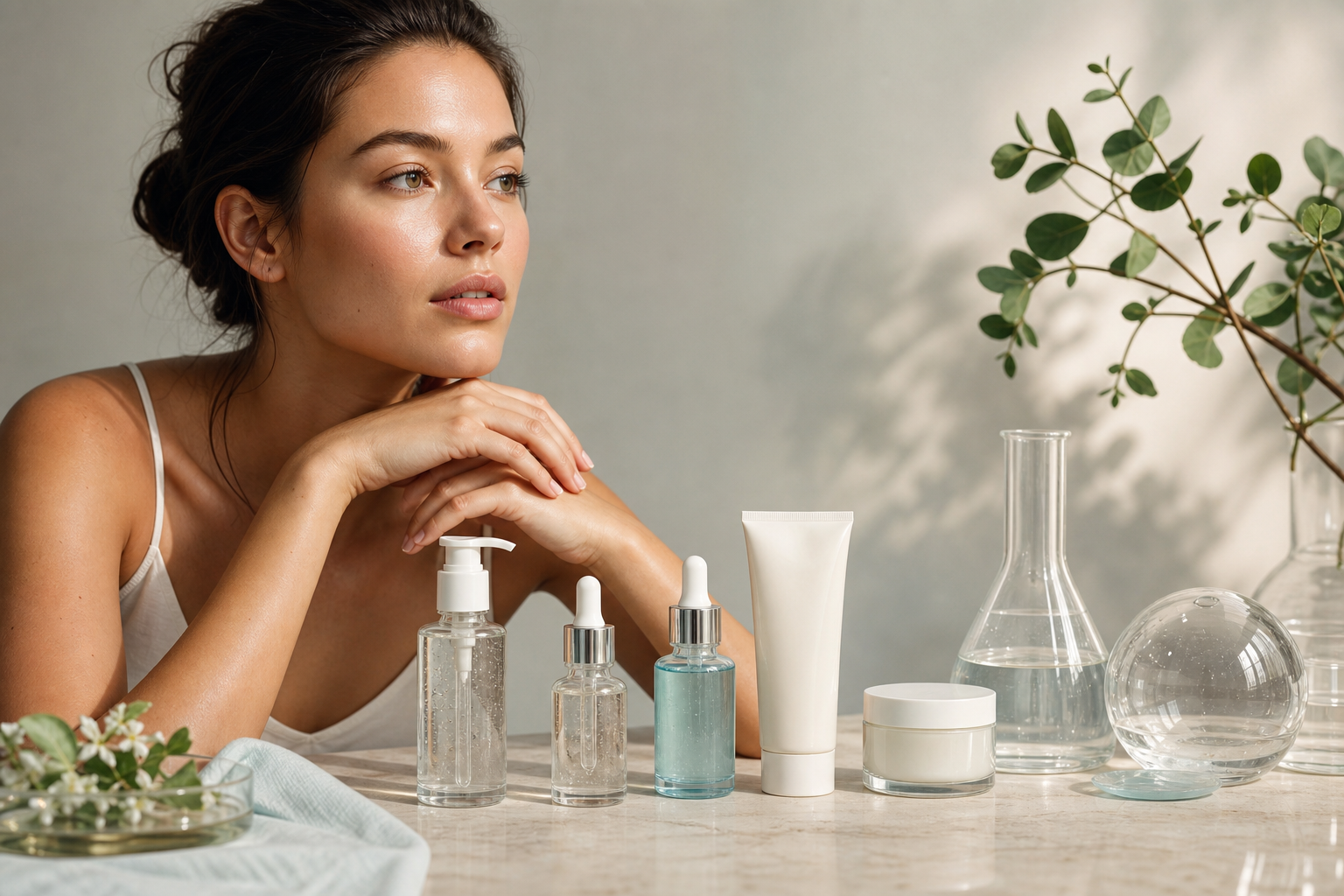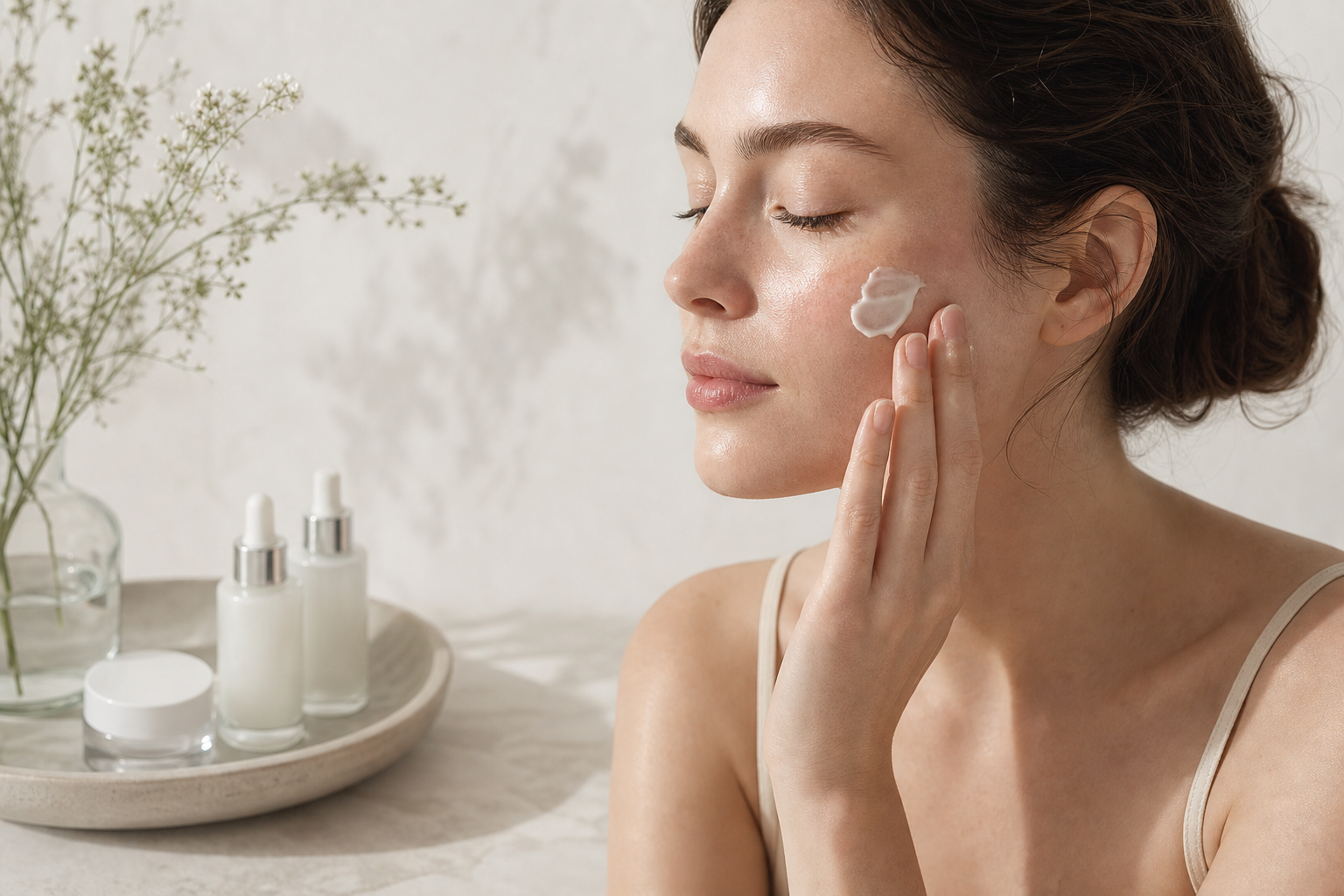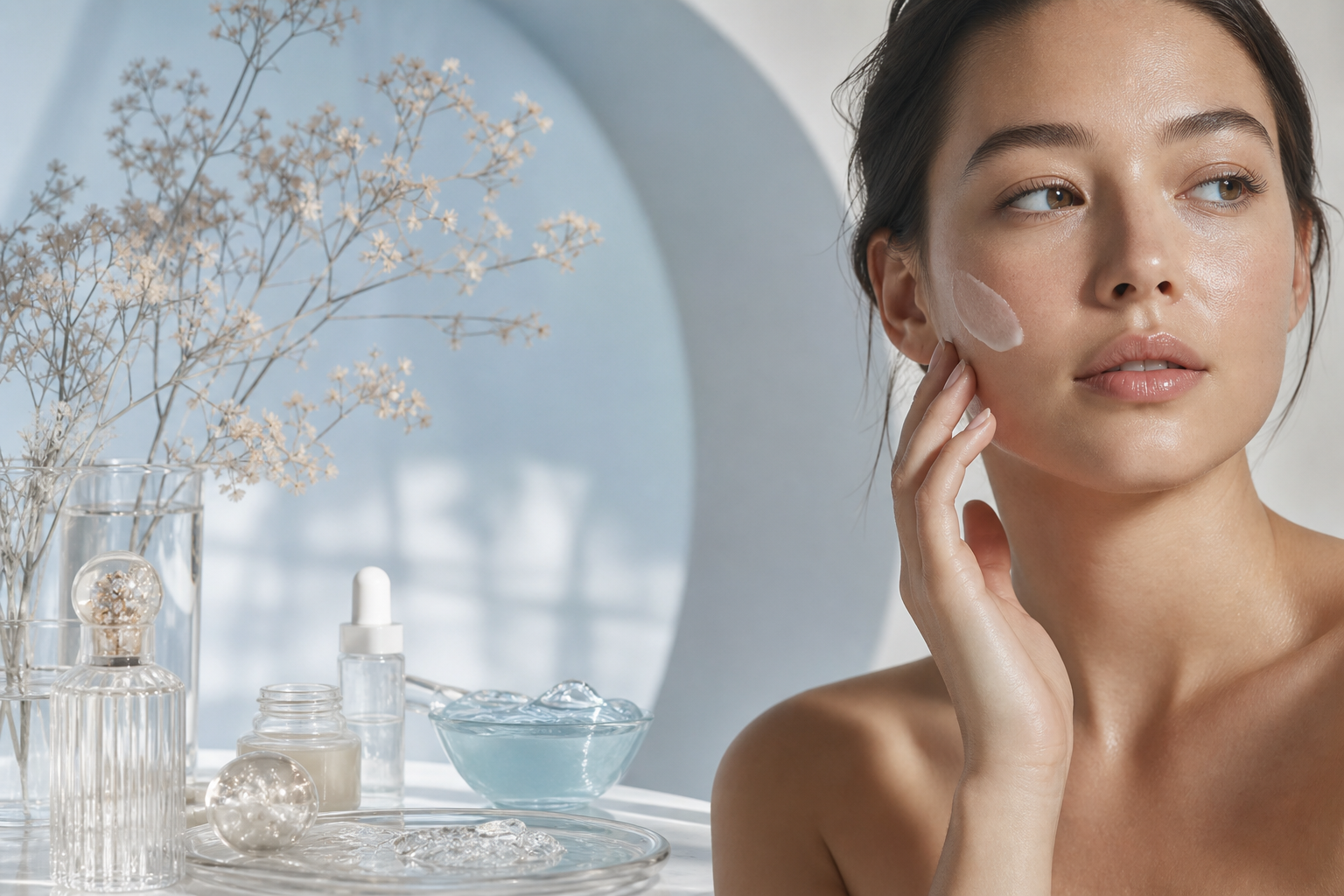
Choosing the right treatment based on your skin condition is a critical step toward achieving a healthy, radiant complexion. Skin care today offers an extensive array of treatments, from non-invasive facials to advanced dermatological procedures. Yet, the vast choices can be overwhelming, especially if you do not have a clear understanding of your skin's specific needs and how various treatments align with those conditions. This article is designed for anyone looking to make informed decisions about skin care—whether you are new to facial treatments or have some experience but want to refine your approach according to your skin's unique characteristics.
Why does this matter so much? The skin is not only our largest organ but also a complex barrier that reflects both internal health and external care. An improper treatment, chosen without proper assessment, can lead not only to inadequate results but sometimes worsen skin issues. On the other hand, a thoughtfully selected regimen tailored to your skin’s condition enhances its health, maintains its natural balance, and prolongs its youthful appearance. Here, we will delve into understanding skin conditions, the variety of treatments available, how to blend professional and home care, the role of dermatological evaluation, and practical advice on what to expect from your skin care journey.
Understanding Your Skin Condition: The Foundation of Effective Treatment
Before considering treatments, it is essential to grasp what constitutes your skin’s condition. Skin condition encompasses various factors including type (such as oily, dry, combination, normal, or sensitive), hydration levels, presence of issues like acne, hyperpigmentation, redness, fine lines, or overall texture irregularities. Your skin's current state not only affects how it looks but determines how it will respond to different products and treatments.
A precise and professional assessment is indispensable. For example, sensitive or inflamed skin may not tolerate aggressive exfoliation or certain active ingredients, while dry, flaky skin benefits more from hydrating and regenerating therapies. Skipping this critical step can result in irritation, prolonged redness, or inconsistent improvements.
In clinical or aesthetic settings, skin assessments often involve both visual examination and technological tools to measure moisture content, elasticity, and barrier integrity. Such thorough evaluation guides practitioners to select treatments that suit your skin's immediate needs and long-term health goals.
What Are the Common Skin Treatments and Which Conditions Do They Target?
The landscape of skin treatments includes a wide spectrum of methods, each addressing specific concerns and skin types. Hydration, for instance, is a cornerstone for many who experience dryness, dullness, or fatigue in their skin.
HydraFacial stands out as a popular advanced hydration treatment that deeply cleanses, exfoliates, extracts impurities, and infuses potent moisturizers and antioxidants, making it ideal for revitalizing dehydrated or lackluster skin. Its non-invasive nature ensures suitability for many skin types.
Another notable treatment is Oxygen Therapy, which focuses on alleviating skin dehydration by delivering a continuous stream of oxygen along with nourishing serums. This procedure refreshes the skin, promoting a plumper and more luminous complexion.
Hydrodermabrasion combines deep cleansing with hydration, using water-based exfoliation to remove dead cells gently while simultaneously saturating the skin with moisturizing agents. This dual effect makes it highly effective for improving skin texture and radiance.
For pigmented or damaged skin, treatments incorporating active ingredients such as vitamin C, alpha hydroxy acids (AHAs), or Ultrasound Sonophoresis that boosts the penetration of these elements, are preferred. These procedures can help brighten the complexion, even out tone, and stimulate cellular renewal.
How Does Home Care Complement Professional Skin Treatments?
While professional treatments significantly advance skin health, their benefits can be limited without a consistent and appropriate home care routine. Proper daily skincare maintains and enhances the results obtained in-clinic, creating a synergistic effect.
Home care products should be selected according to your skin type and current conditions. Hydrating creams, antioxidant-rich serums, gentle exfoliants, and broad-spectrum sunscreens are indispensable components of such routines. When these are combined with scheduled professional treatments, skin can continuously improve in hydration, texture, and resilience.
Proper home care also reduces the risk of irritation or adverse reactions following professional procedures by preparing and soothing the skin. For example, using mild cleansers and moisturizers before and after treatments like the Aqua Peel can lead to better tolerance and outcomes, helping maintain the skin’s natural barrier function.
When Is It Necessary to Consult a Dermatologist Before Choosing a Treatment?
Certain skin issues require medical oversight. If your skin exhibits chronic conditions such as persistent acne, rosacea, psoriasis, eczema, or unusual lesions, a consultation with a dermatologist is essential before undertaking any cosmetic or aesthetic procedures.
Dermatologists bring specialized expertise to diagnose underlying causes and recommend appropriate medical or aesthetic treatments. Some issues may require prescription medications, specific protocols, or a combination of therapeutic approaches to improve skin health effectively and safely.
Medical evaluation can also identify contraindications and help customize treatment plans, ensuring that your skin’s condition is addressed holistically rather than superficially.
The Benefits of Tailoring Treatments to Your Skin’s Specific Needs
Choosing the right treatment for your skin’s exact condition yields multiple benefits. First, it ensures the skin receives the precise care it requires—whether enhanced hydration, calming of inflammation, or stimulation of renewal processes—thus maximizing treatment efficacy.
This approach minimizes risks such as irritation or exacerbation of sensitive skin. A targeted regimen fosters a more pleasant and safer skincare journey.
Moreover, it supports the skin’s natural defenses and regenerative capacity, enhancing durability against environmental stressors and slowing visible signs of aging. Over time, this translates to improved elasticity, brightness, and evenness of tone.
Interpreting Treatment Results and Knowing When to Reassess or Repeat
Each skincare treatment has a distinct timeline for visible effects. Immediate benefits, like enhanced hydration and a glow, often appear shortly after sessions like HydraFacial or oxygen therapy. However, improvements in texture, pigmentation, or fine wrinkles generally arise over multiple treatments combined with sustained home care.
Reevaluation by a skincare professional, or dermatologist, helps monitor progress and adjust treatment frequency accordingly. Discerning positive changes includes noticing smoother skin, reduced redness, and a more balanced tone. Conversely, signs like irritation, excessive dryness, or breakouts warrant reassessment and modification of the regimen.
Maintenance treatments spaced appropriately alongside consistent home care help preserve results and continue to nurture the skin’s vitality.
Frequently Asked Questions About Choosing Treatments Based on Skin Condition
When should I turn to professional treatments instead of relying on home care alone? If your skin issues persist despite home care or you encounter significant dryness, pigmentation, or texture concerns, professional interventions offer deeper corrective effects that home products alone may not achieve.
Does age influence which treatments are appropriate for my skin? Yes. As skin ages, it naturally loses moisture and elasticity, making hydration and regenerative treatments increasingly beneficial to counteract these changes.
Are professional facial treatments safe for sensitive skin? Generally yes, but it requires careful selection and consultation with a knowledgeable professional to avoid irritable procedures and ingredients.
How can I tell if a treatment is right for my skin? Positive indicators include improvement in skin hydration, radiance, smoothness, and absence of discomfort, redness, or allergic reactions.